


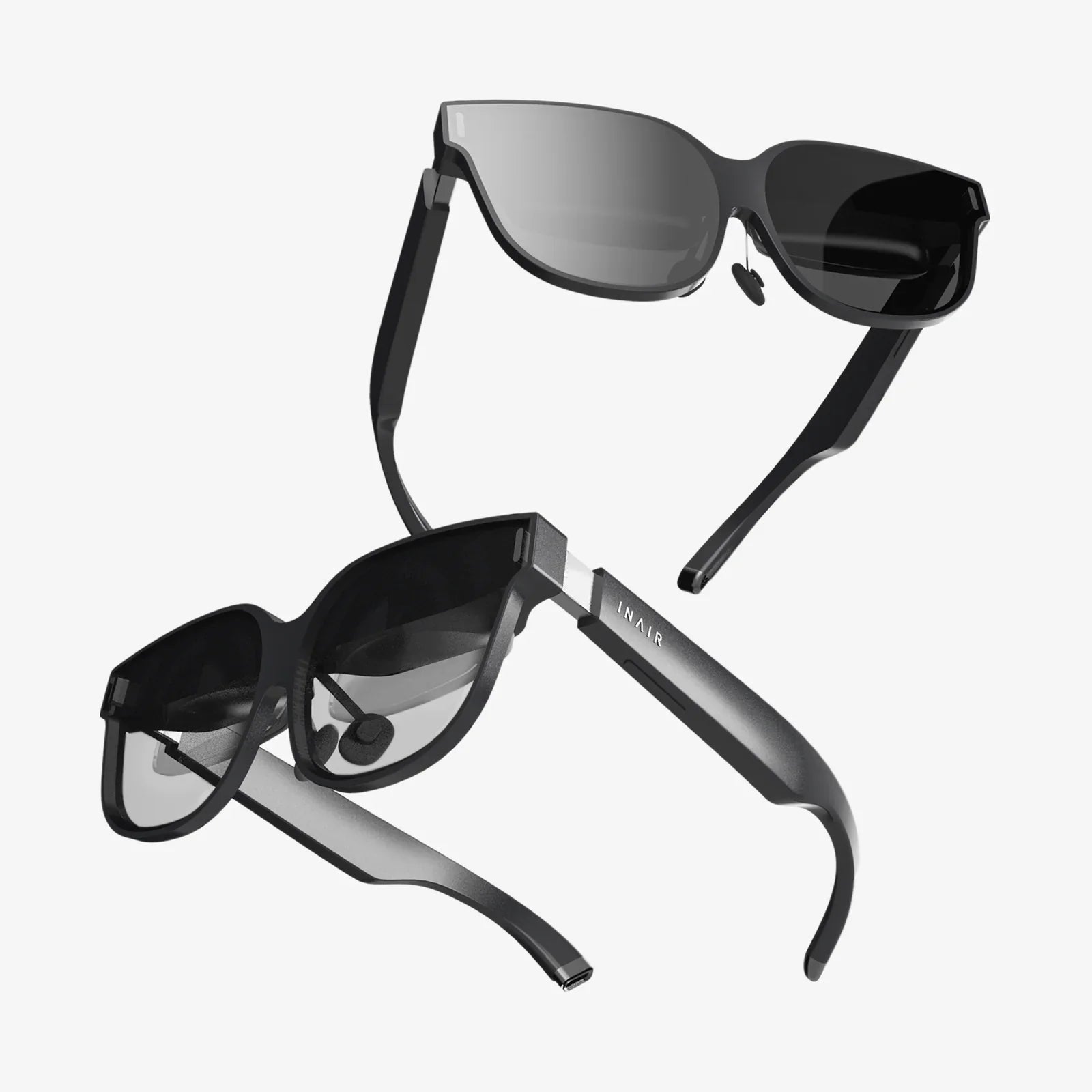
Imagine slipping on a headset and stepping into a fully realized digital world, not as an escape from reality, but as a powerful extension of it—a space where architects walk through unbuilt skyscrapers, surgeons practice on digital cadavers, and colleagues from across the globe share a virtual conference table as if they were in the same room. This is the promise that has fueled the virtual reality revolution, a technological frontier where few players have the resources and vision to truly shape its destiny. At the intersection of established software empires and this nascent digital landscape stands a titan, not with a flashy consumer-focused gambit, but with a calculated, foundational strategy to build the bedrock upon which our virtual future will be constructed. The journey of Microsoft and VR is a compelling story of leveraging immense cloud and software prowess to redefine the very boundaries of how we interact with computers and with each other.
The Foundational Bedrock: More Than a Headset
To understand Microsoft's approach to VR, one must first discard the notion that it is solely about hardware. While the company made a significant entry with its own mixed reality headset, its true strategy is far more profound and software-centric. The cornerstone of this vision is the Windows Mixed Reality platform. This is not merely an operating system for headsets; it is a comprehensive framework designed to blend the physical and digital worlds. Introduced as a key part of a major Windows 10 update, this platform was a clear statement of intent: to bake immersive computing directly into the world's most ubiquitous PC operating system.
The genius of this move was its ecosystem play. By creating a set of hardware specifications for partners, Microsoft spurred the development of a range of headsets from various manufacturers. This strategy mirrored its successful Windows model for PCs: provide the software foundation and let hardware partners innovate on the device front. This approach rapidly expanded the market, offering consumers and businesses a variety of choices at different price points, all compatible with the Windows Mixed Reality environment. It was a stark contrast to the walled-garden approaches seen elsewhere, emphasizing openness and scalability from the very beginning.
The Flagship Experience: A Glimpse into the Future of Computing
If the Windows Mixed Reality platform is the foundation, then the flagship mixed reality headset developed by Microsoft is its most ambitious expression of what this future should feel like. Touted as the first consumer headset with inside-out tracking, it eliminated the need for external sensors or lighthones. The world was your playspace; the headset's cameras mapped your environment in real-time, allowing digital objects to coexist with your physical surroundings.
Its most lauded feature was an incredibly high-resolution display, often described as a "retina" quality experience, which drastically reduced the screen-door effect that plagued earlier VR systems. This made reading text, examining intricate 3D models, and watching content a vastly more comfortable and practical experience. Furthermore, the inclusion of built-in audio and microphone arrays offered a seamless, all-in-one immersive package. However, the headset's true differentiator was its philosophical approach: it was designed not just for play, but for productivity. The idea was to create a device that could replace your traditional monitor setup, allowing you to pin countless application windows around you in a boundless virtual workspace.
The Enterprise First Strategy: Solving Real-World Problems
While the consumer market for VR has often focused on gaming and entertainment, Microsoft's strategy has been shrewdly enterprise-first. The company recognized early that the immediate value and return on investment for immersive technologies were most apparent in industrial, medical, and corporate settings. This focus is perfectly encapsulated in its cloud service, a platform for enterprise metaverse applications.
This service allows companies to create persistent digital replicas of real-world places, processes, and things. For instance:
- Manufacturing: An industrial engineer can don a headset and see real-time data and instructions overlaid onto a complex assembly line. A remote expert, using even just a tablet or phone, can see what the on-site engineer sees and draw annotations directly into their field of view to guide them through a repair, drastically reducing downtime and travel costs.
- Training: New employees can practice operating dangerous or expensive machinery in a risk-free virtual environment. Medical students can perform virtual dissections and explore detailed anatomical models from every angle.
- Design and Prototyping: Automotive designers can place a full-scale, photorealistic model of a new car in a real showroom, examining finishes and ergonomics long before a physical prototype is built.
This practical, problem-solving approach has given Microsoft a formidable foothold. Companies are not investing in VR for its novelty; they are investing in it as a tool to increase safety, efficiency, and collaboration, and Microsoft's cloud-backed platform provides the robust, secure, and scalable infrastructure they require.
The Power of the Cloud and AI Synergy
Microsoft's ultimate advantage in the VR space may not be its hardware or even its platform software alone, but its deep integration with its other two monumental pillars: cloud computing and artificial intelligence. The Azure cloud platform is the engine that makes enterprise-scale VR possible. Rendering complex, photorealistic environments in real-time requires immense computational power. Cloud rendering, or what some refer to as the "netflix of VR," allows the heavy lifting to be done on powerful remote servers in Azure data centers. The results are then streamed to the headset, enabling high-fidelity experiences on relatively lightweight devices, untethered from a powerful PC.
Furthermore, Azure AI services can be integrated to add intelligent layers to these virtual experiences. Imagine an AI that can analyze a user's movements during a training simulation to provide personalized feedback, or computer vision models that can automatically identify tools and parts in a factory setting and pull up the relevant manual. This synergy between the immersive interface, the limitless compute of the cloud, and the analytical power of AI creates a stack that is incredibly difficult for competitors to replicate. It represents a holistic vision of the intelligent cloud and the intelligent edge, with VR as a premier client.
Developer Ecosystem: Building the World Together
No platform can succeed without a vibrant ecosystem of developers building applications for it. Microsoft has aggressively courted developers by leveraging its existing, beloved tools. The powerful game engine, a cornerstone of the game development industry, has deep, native integration with the Windows Mixed Reality platform. This means millions of developers already familiar with these tools can relatively easily start building immersive experiences.
Beyond game engines, Microsoft has also focused on enabling productivity development. The ability to port existing Windows applications into the mixed reality environment or to build new ones using popular frameworks significantly lowers the barrier to entry. By empowering developers with familiar tools and the promise of reaching enterprise customers with real budgets, Microsoft is ensuring a steady pipeline of practical software that will drive hardware adoption in a virtuous cycle.
Challenges and the Road Ahead
Despite its strong position, the path forward for Microsoft and VR is not without challenges. The consumer VR market has been largely defined by a rival's standalone, all-in-one Quest headsets, which offer a wireless, accessible, and gaming-centric experience. Microsoft's PC-tethered approach, while powerful, presents a higher barrier to entry for the average consumer.
The terminology of "Mixed Reality" itself has also caused some market confusion, often being conflated or contrasted with "Virtual Reality" and "Augmented Reality." Clarifying this message and compelling consumers beyond the enterprise circle remains a key hurdle. The future likely lies in more advanced standalone devices that can leverage the cloud for their processing power, blending the accessibility of all-in-one hardware with the limitless potential of cloud compute.
A Vision of the Metaverse, Built on Utility
In the current fervor around the metaverse—a persistent network of interconnected virtual spaces—many visions are focused on social interaction and digital ownership. Microsoft's vision, predictably, is different. It is building an industrial and professional metaverse, a layer of digital information and collaboration over the physical world of business. It's a vision less about creating a new reality to live in and more about augmenting our current reality to work smarter.
This pragmatic approach may lack the sci-fi glamour of other metaverse proposals, but it is arguably more grounded and immediately valuable. It positions Microsoft not as an entertainer, but as a partner in digital transformation, using VR as a key interface to its intelligent cloud infrastructure. In this vision, the headset is just a window; the real magic happens in the cloud, where data, AI, and human collaboration fuse together.
The journey of Microsoft and VR is a masterclass in strategic patience and leveraging core competencies. Instead of chasing trends, the company is doing what it has always done best: creating powerful platforms, supporting a vast ecosystem of developers and partners, and focusing on solving critical business problems. It is building the indispensable plumbing for the next era of computing. While others are busy designing the flashy storefronts of the metaverse, Microsoft is pouring the foundation and laying the cables for the entire city, ensuring that when the virtual future finally arrives, it will be built, first and foremost, on a platform that means business. The next time you see a surgeon training in a hyper-realistic simulation or a team of engineers collaborating on a digital twin of a jet engine, look beyond the headset—you'll likely find the immense, interconnected power of the Microsoft cloud, quietly turning science fiction into business fact.
Share:
Multi Monitor AR Glasses: The Future of Productivity is a Wearable Workspace
Collaborative Work Spaces: The Future of Productivity and Innovation