


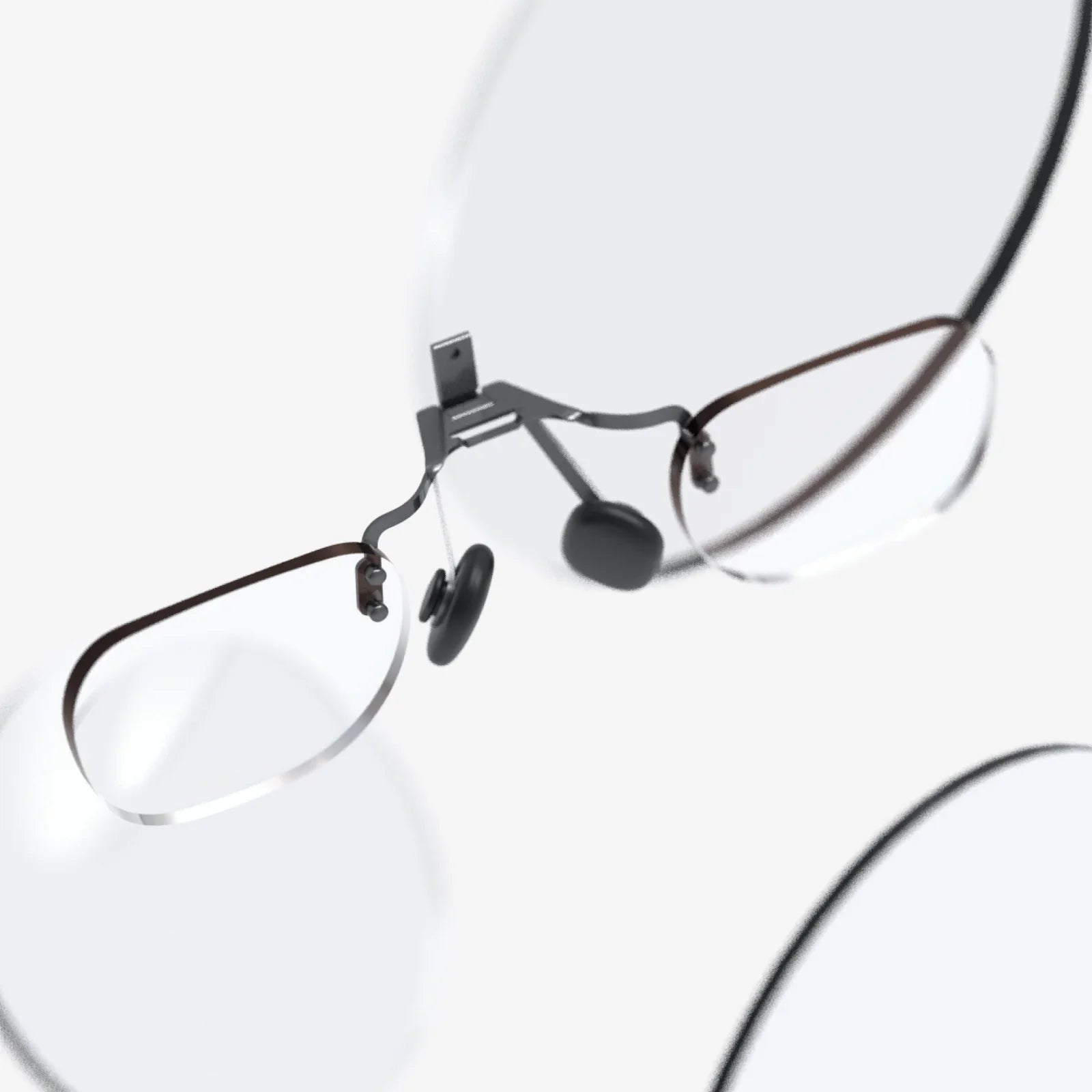
In a world perpetually illuminated by the cool glow of screens, where our daily lives are mediated through digital devices, a silent epidemic of eye strain and sleep disruption is spreading. We are all digital citizens now, and our eyes are paying the price for this constant connectivity. But what if a simple, elegant solution existed, not to pull us away from our indispensable technology, but to protect us from its unintended consequences? Enter the realm of mobile phone glasses, a technological safeguard designed for the modern age.
The Digital Assault on Our Eyes
To understand the value of mobile phone glasses, we must first comprehend the nature of the problem they are designed to solve. Human eyes did not evolve to stare for hours at self-illuminating panels held just inches from our faces. The visual demands of the digital world are unique and uniquely taxing.
The primary culprit is high-energy visible (HEV) light, often referred to as blue light. This is the short-wavelength, high-energy light emitted in significant quantities by LEDs, which are the backbone of modern displays. While natural blue light from the sun is part of our normal circadian rhythm, the concentrated, artificial, and close-proximity exposure from screens is a different matter entirely.
This leads to a condition optometrists call Digital Eye Strain (DES), or Computer Vision Syndrome. Its symptoms are increasingly familiar to millions:
- Eye Fatigue and Strain: The eyes' muscles work constantly to focus on pixelated text and images, leading to exhaustion.
- Dry and Irritated Eyes: Studies show we blink up to 66% less frequently when using screens, preventing the eyes from staying properly lubricated.
- Headaches: The intense focusing effort and glare from screens can trigger tension headaches and migraines.
- Blurred Vision: Temporary difficulty focusing on objects at a distance after prolonged screen use.
- Sleep Disruption: Perhaps the most insidious effect. Blue light exposure, especially in the evening, tricks the brain into suppressing the production of melatonin, the hormone responsible for regulating sleep, leading to poor sleep quality and insomnia.
It is against this backdrop of widespread digital discomfort that mobile phone glasses have emerged not as a luxury, but as a necessary tool for ocular health and overall well-being.
How Do Mobile Phone Glasses Work? The Science of Protection
Mobile phone glasses are not merely tinted lenses; they are precision-engineered filters. Their core function is to selectively block or filter out a portion of the blue light spectrum emitted by screens without distorting color perception to a significant degree. This is achieved through several sophisticated technologies integrated into the lens material or coating.
Blue Light Filtering
The most common technology involves a special coating applied to the lenses. This coating contains pigments that absorb specific wavelengths of blue light, typically in the range of 380nm to 450nm, which is considered the most potentially harmful and disruptive portion of the spectrum. The best lenses are designed to target these specific wavelengths while allowing non-harmful blue light (which is essential for color vision and mood regulation) to pass through. This ensures that while you are protected, your view of the world remains vibrant and true-to-color, which is crucial for designers, photographers, and anyone who requires accurate color representation.
Anti-Glare and Anti-Reflective Properties
Glare from overhead lighting or windows reflecting off a screen forces the eyes to work even harder to discern information. Mobile phone glasses almost always include a multi-layer anti-reflective (AR) coating. This coating minimizes these distracting reflections from both the front and back surfaces of the lenses, reducing glare and increasing visual comfort. This not only makes screen viewing easier but also improves the aesthetics of the glasses, making the lenses appear nearly invisible and reducing the "flash" in photographs.
Vision Clarity and Precision
Many models offer a slight magnification (typically a low power like +0.25 or +0.50). This is not for correcting significant vision problems but is intended to provide a minor boost to focusing power, reducing the strain on the eye's ciliary muscle, which must contract to focus on near objects. This is particularly beneficial for individuals over 40 who may be experiencing the early effects of presbyopia, the natural age-related decline in near vision, making screen reading even more strenuous.
Beyond the Screen: The Holistic Benefits
While the primary purpose is to mitigate Digital Eye Strain, the advantages of wearing mobile phone glasses extend into broader aspects of health and daily performance.
Guardians of Sleep
This is arguably one of their most critical benefits. By filtering the blue light that suppresses melatonin production, these glasses help maintain the body's natural circadian rhythm. Wearing them during evening screen use—whether finalizing a work report, scrolling through social media, or watching a movie—can signal to your brain that it is not still daytime. Users consistently report falling asleep more easily and experiencing deeper, more restful sleep after adopting the habit of wearing mobile phone glasses in the hours before bed. In an age of chronic sleep deprivation, this benefit alone can be transformative for mental clarity, mood, and long-term health.
A Tool for Focus and Productivity
By eliminating glare and reducing the physiological stress on the eyes, these glasses can create a more comfortable and sustained visual experience. This comfort translates directly into improved concentration. When your eyes are not tired, watering, or begging for a break, you can work or study for longer periods with greater focus. The reduction in headaches also removes a major barrier to productivity. They act as a signal to the brain, creating a psychological trigger that it is time to focus, much like a painter putting on a smock.
Long-Term Ocular Health
While research is ongoing, some studies suggest that cumulative exposure to high-energy blue light may contribute to the risk of developing age-related macular degeneration (AMD) later in life. The retina, particularly the macula, is susceptible to photochemical damage from prolonged blue light exposure. While the risk from screens is far lower than from staring directly at the sun, mobile phone glasses serve as a proactive, preventative measure, potentially safeguarding the long-term health of your retinas by reducing your daily dose of high-energy light.
Who Truly Needs Mobile Phone Glasses?
The short answer is: almost anyone who spends a significant portion of their day interacting with digital devices. However, some groups stand to benefit more than others.
- The Office Professional: Anyone working a standard 9-to-5 job that involves a computer is exposed to 8+ hours of screen time. For them, these glasses are essential equipment for enduring comfort and performance.
- Gamers and Streamers: This group often engages in marathon sessions, experiencing intense exposure to flashing screens and blue light. Protection is crucial to prevent severe eye fatigue and sleep disruption.
- Students: From online research to digital textbooks and remote learning, students' academic lives are screen-centric. Mobile phone glasses can help them study longer with less discomfort.
- Individuals with Pre-existing Eye Conditions: Those who already suffer from dry eye syndrome or are prone to migraines may find that screen use exacerbates their conditions. These glasses can provide a significant layer of relief.
- The Night Owl: Anyone who uses their phone or tablet in bed, disrupting their natural sleep cycle, can use these glasses as a non-invasive tool to protect their sleep quality.
Integrating Mobile Phone Glasses into Your Digital Life
Adopting this tool is simple, but a strategic approach maximizes the benefits.
For All-Day Use: If your work involves constant screen time, consider a pair with a lighter tint that you can wear throughout the entire day. They will provide continuous protection without dramatically altering color perception.
For Evening and Night Use: Dedicate a pair with a stronger, amber or yellow tint specifically for use after sunset. This darker tint will aggressively block blue light, providing maximum protection for your sleep cycle as you wind down for the evening.
Consistency is Key: The benefits, particularly for sleep, are cumulative and rely on consistent use. Make putting on your evening glasses as routine as brushing your teeth before bed.
It is also important to remember that glasses are one part of a holistic approach to digital wellness. Remember the 20-20-20 rule: every 20 minutes, look at something 20 feet away for at least 20 seconds. Ensure your screen brightness is adjusted to match your ambient lighting, and increase the text size so you don't have to squint.
Addressing Common Questions and Concerns
"Will the yellow tint bother me?" There is an initial adjustment period, typically lasting a few hours to a day, as your brain adapts to the warmer color temperature. Most users quickly come to prefer the reduced glare and softer light, often describing it as a "calmer" viewing experience. For those who cannot adjust, virtually clear blue-light-filtering options are available.
"Are they just a placebo?" The science behind blue light's effects on melatonin suppression and circadian rhythms is well-established in ophthalmology and sleep medicine. While the perceived reduction in eye strain can be subjective for some, the physiological impact on sleep is measurable and real.
"Can't I just use night mode on my phone?" Software solutions like night shift or dark mode are excellent first steps and should be used. However, they work by shifting the color temperature of your display to the warmer end of the spectrum and reducing overall brightness. They do not eliminate blue light emission; they reduce it. Mobile phone glasses provide a physical, consistent barrier that works across all your devices—phone, tablet, computer, and television—regardless of their individual settings.
Our devices are not going anywhere; they are woven into the fabric of our careers, education, and social lives. The goal is not to reject technology but to build a healthier, more sustainable relationship with it. Mobile phone glasses represent a critical step in that direction, moving us from passive consumers of technology to empowered users who have taken control of their well-being. They are a small investment that pays massive dividends in daily comfort, restful sleep, and long-term health, proving that the best technology is often the kind that protects us from technology itself.
Share:
Good VR Goggles: Your Ultimate Guide to Immersive Virtual Reality
Holographic Technology: From Science Fiction to Our Reality