


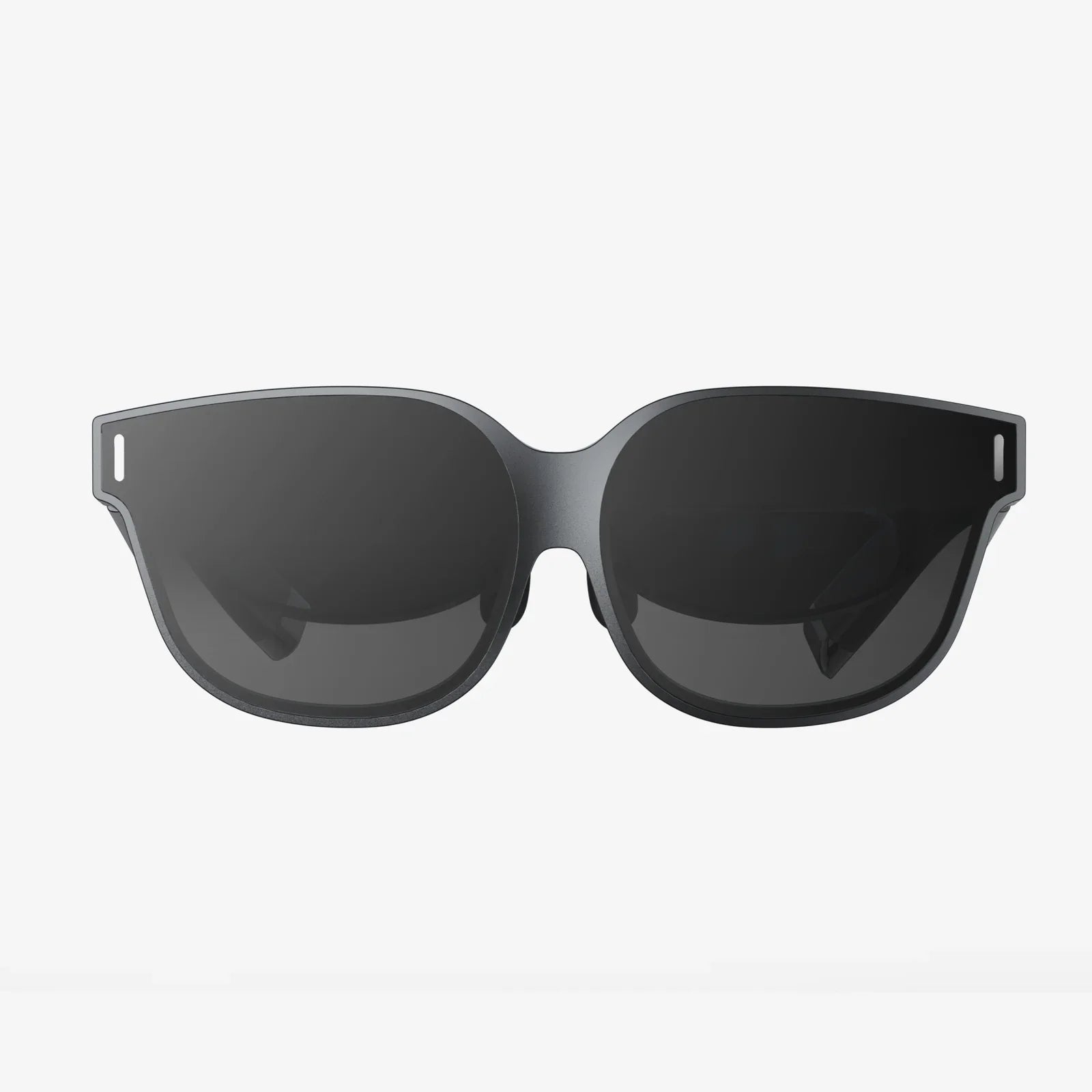
Imagine a world where your smartphone is no longer just a screen in your hand, but a portal to immersive stores, interactive training grounds, and global meeting spaces, all from the comfort of your couch. This is the tantalizing promise and rapidly approaching reality of the mobile virtual reality business ecosystem. It’s a convergence of accessibility, powerful technology, and commercial ambition that is poised to redefine how we shop, learn, work, and connect. The era of clunky, expensive, and tethered VR systems is giving way to a new age of agile, affordable, and astonishingly capable mobile experiences, and forward-thinking businesses are already laying the groundwork for a revolution.
The Foundation: Understanding the Mobile VR Advantage
At its core, mobile virtual reality leverages the sophisticated hardware already nestled in billions of pockets worldwide. Unlike its PC-tethered counterparts, which require powerful computers and external sensors, mobile VR utilizes a head-mounted display that uses the smartphone's processor, display, gyroscopes, and accelerometers to create a convincing virtual environment. This fundamental difference is its greatest strength, offering a low barrier to entry for both consumers and businesses looking to experiment and engage.
The democratization of access is the single most powerful driver for the mobile virtual reality business sector. By eliminating the need for a significant upfront investment in specialized hardware, businesses can target a vastly larger audience. A potential customer only needs a compatible smartphone and an affordable headset, or even just a Google Cardboard-style viewer, to step into a branded experience. This accessibility transforms VR from a niche gaming technology into a mass-market tool for commerce, education, and communication.
Transforming the Retail Landscape: The Virtual Storefront
One of the most immediate and compelling applications for mobile virtual reality business is in the retail sector. E-commerce has long been about convenience, but it has traditionally lacked the tactile, experiential element of physical shopping. Mobile VR shatters that limitation.
- Immersive Product Visualization: Instead of scrolling through static images, customers can place a virtual model of a piece of furniture in their actual living room, scaled to perfect size. They can walk around a new car, examine the stitching on a luxury handbag, or see how a new shade of paint would look on their walls at different times of day.
- The Endless Aisle, Reimagined: Physical stores are constrained by square footage. A virtual store has no such limits. Retailers can create sprawling, fantastical environments that showcase their entire inventory. A clothing store could have different wings for different seasons or styles, all navigable and explorable from a smartphone.
- Virtual Try-On and Personalization: Advanced AR and VR overlaps allow for virtual try-ons for apparel, glasses, and makeup. This reduces the high return rates that plague online fashion and increases consumer confidence, directly impacting the bottom line.
This is not a distant future concept; early adopters are already seeing significant results. Studies have shown that immersive experiences lead to longer engagement times, stronger emotional connections to brands, and higher conversion rates compared to traditional web or mobile shopping.
Revolutionizing Enterprise and Corporate Training
Beyond the consumer market, the mobile virtual reality business is making profound inroads into the enterprise world. Training employees, especially for high-stakes or complex tasks, is incredibly expensive and often risky. Mobile VR offers a safe, scalable, and highly effective alternative.
- High-Fidelity Simulations: From medical students practicing delicate surgical procedures to mechanics learning to repair a new engine model, VR provides a risk-free environment to make mistakes and learn from them. The mobile aspect means this training isn't confined to a specific lab; it can be deployed anywhere.
- Soft Skills and Emergency Preparedness: Employees can practice public speaking in front of a virtual audience, navigate difficult customer service scenarios, or run through complex emergency evacuation procedures. The immersive nature of VR creates a sense of presence and realism that videos or manuals simply cannot match, leading to better knowledge retention and preparedness.
- Remote Collaboration and Design: Architects, engineers, and designers can step into 3D models of their creations long before ground is broken. Teams scattered across the globe can meet inside a virtual prototype, examining it from all angles and making collaborative decisions in real-time, saving immense costs on physical models and travel.
The return on investment for enterprise VR training is becoming increasingly clear: reduced training costs, minimized risk, improved performance, and the ability to train a geographically dispersed workforce consistently.
The New Marketing Playground: Experiential Storytelling
Modern consumers, particularly younger demographics, are increasingly resistant to traditional advertising. They crave experiences and authentic connections. Mobile virtual reality offers marketers a powerful new canvas for experiential storytelling.
Instead of a 30-second commercial, a brand can transport a user to the source of its ingredients—standing in a sun-drenched olive grove or witnessing the craftsmanship behind a product. Travel companies can offer breathtaking previews of exotic destinations. Automotive brands can offer thrilling test drives on iconic racetracks. These are not ads; they are memorable events that forge a deep, positive association with the brand.
The shareability of these experiences is another key advantage. A unique and captivating VR experience is far more likely to be shared on social media, generating organic reach and buzz that money often can't buy. This transforms marketing from a broadcast model to an engagement model, where the value is co-created with the consumer.
Navigating the Challenges: The Roadblocks to Mass Adoption
Despite its immense potential, the mobile virtual reality business landscape is not without its significant hurdles. Acknowledging and strategically overcoming these challenges is critical for any business looking to invest in this space.
- Technological Limitations: While smartphone processors are incredibly powerful, they still can't match the graphical fidelity of high-end PC VR. Battery drain and device overheating can also be issues for longer experiences. The evolution of 5G networks, with their high bandwidth and low latency, is poised to mitigate many of these issues by allowing for more complex cloud-based rendering.
- User Experience (UX) and Design: Designing intuitive interfaces for a 360-degree, immersive environment is a completely different discipline from designing for a flat screen. Poor UX, such as complicated navigation or VR-induced motion sickness, can instantly ruin an experience. This requires a new skillset and a user-centric design philosophy.
- Content Development Costs: Creating high-quality, interactive VR content is currently more expensive and time-consuming than producing standard video or web content. Businesses must weigh this investment carefully against their expected ROI.
- The Standardization Puzzle: The ecosystem is still young, with competing standards and platforms. Developing an experience that works seamlessly across the vast array of Android and iOS devices and various headset options requires careful planning and testing.
Gazing into the Crystal Ball: The Future is Mobile and Immersive
The trajectory of the mobile virtual reality business is one of accelerated convergence and sophistication. We are moving towards a future where the lines between the physical and digital worlds will blur into what many are calling the "metaverse"—a persistent network of shared, immersive virtual spaces.
Advances in standalone headsets, which are essentially all-in-one computers but with the wireless freedom of mobile VR, will further push the boundaries. The integration of artificial intelligence will create dynamic and responsive virtual environments. Haptic feedback technology will evolve to provide a sense of touch, completing the sensory immersion. For businesses, this means the tools for creating deeply engaging and profitable virtual experiences will only become more powerful and accessible.
The future of commerce, collaboration, and marketing will not be confined to pages and screens. It will be spatial, interactive, and experiential. The businesses that begin exploring this new frontier today, experimenting with mobile VR strategies and understanding its unique language and potential, will be the ones shaping the realities of tomorrow. They will be the architects of the new digital economy, building not websites, but worlds.
The doorway to these new worlds is already in your pocket. The only question left is which businesses will be bold enough to turn the key and invite their customers, employees, and partners to step through. The race to build the most compelling and profitable mobile virtual reality experiences is not just on; it’s already defining the next chapter of digital innovation, and the opportunities for those who act now are truly limitless.
Share:
Where Can I Try AR Glasses - Your Ultimate Guide to Experiencing Augmented Reality
All In One Multi Touch Screen Computer: The Ultimate Guide to the Future of Computing