


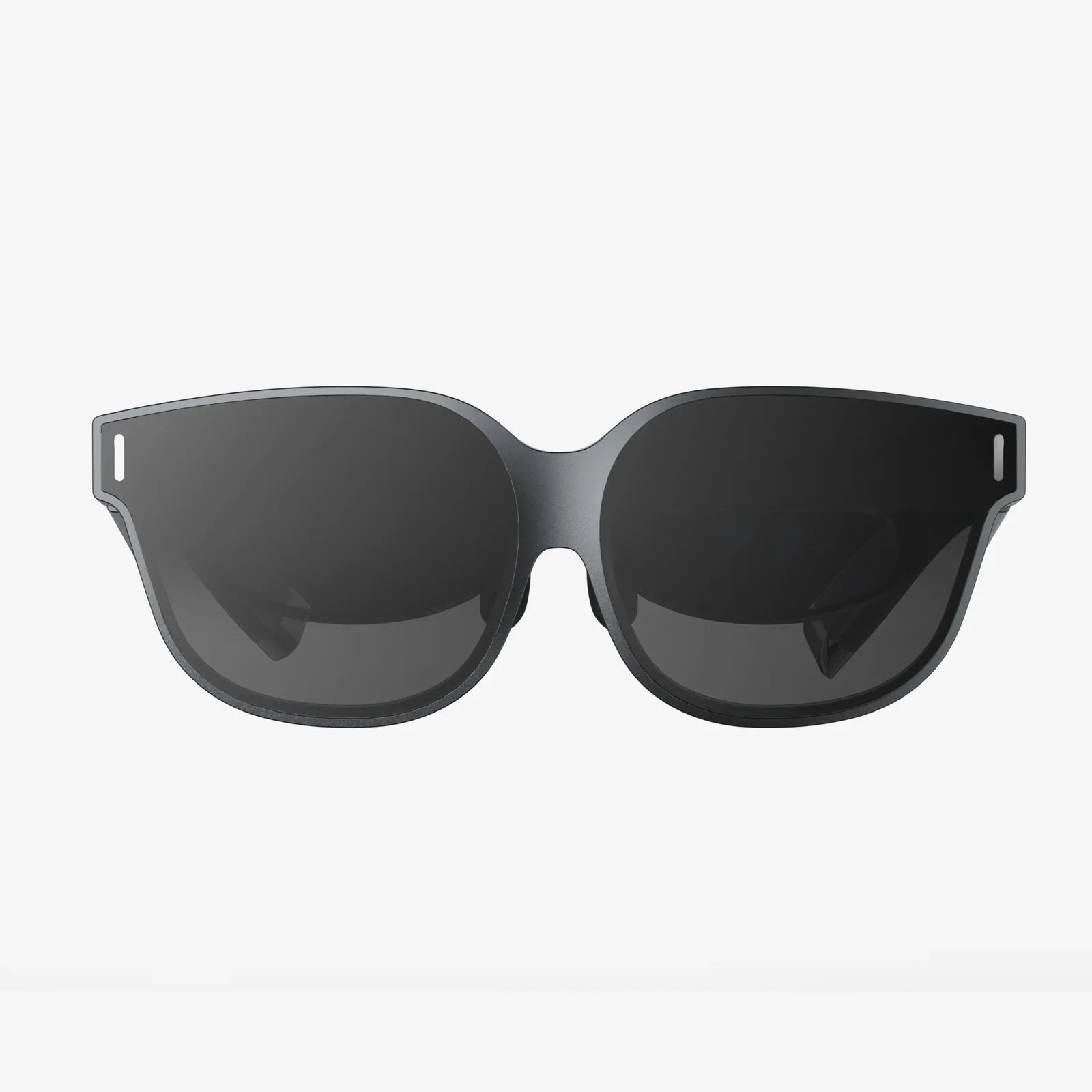
Have you ever finished a long day at your computer only to find your eyes are strained, your head is throbbing, and you feel inexplicably drained? You’re not alone. In our digitally saturated world, the screens we rely on for work, entertainment, and connection are also a significant source of visual discomfort. But what if there was a simple, effective layer of defense, a piece of technology you could add to your existing technology to reclaim your comfort? The answer might be sitting right in front of you, or more precisely, it might be what you put right in front of it: monitor replacement glasses.
Beyond the Screen: Understanding the Need for Protection
To appreciate the value of monitor replacement glasses, we must first understand the modern digital environment. Our high-definition monitors, while technological marvels, emit a spectrum of light that our eyes did not evolve to handle for extended periods. The primary culprits are high-energy visible (HEV) blue light and screen glare.
Blue light itself is not inherently bad; it's a natural part of sunlight and helps regulate our circadian rhythm. However, the concentrated, close-range exposure from digital devices is a different story. Studies suggest that prolonged exposure to artificial blue light can contribute to:
- Digital Eye Strain (Computer Vision Syndrome): This encompasses a range of symptoms including dry eyes, blurred vision, difficulty focusing, and eye irritation.
- Sleep Disruption: Blue light, particularly in the evening, can suppress the production of melatonin, the hormone responsible for sleep, leading to difficulties falling asleep and reduced sleep quality.
- Potential Retinal Damage: While research is ongoing, some studies indicate that long-term, cumulative blue light exposure may contribute to retinal damage and increase the risk of age-related macular degeneration.
The second major issue is glare. Glare occurs when ambient light from windows, overhead lighting, or other sources reflects off the smooth, glossy surface of your monitor. This reflection creates hotspots of brightness that force your eyes to constantly readjust between the bright glare and the darker content on your screen. This constant adjustment is a primary driver of eye fatigue and headaches, making it difficult to concentrate for long stretches.
What Exactly Are Monitor Replacement Glasses?
Monitor replacement glasses, also known as display filter panels or anti-glare screen protectors, are specialized panels of optical-grade glass or acrylic that are mounted directly onto the front of a computer monitor. They are not to be confused with wearable blue-light-blocking spectacles. These are physical filters that become a permanent or semi-permanent part of your display setup.
Think of them as high-tech sunglasses for your screen. Just as sunglasses protect your eyes from UV rays and reduce glare from the sun, monitor glasses protect your eyes from the effects of blue light and eliminate disruptive reflections. They are engineered with precise coatings that perform several key functions simultaneously:
- Anti-Glare and Anti-Reflective (AR) Coating: This micro-thin coating is etched onto the surface of the glass to diffuse incoming light. Instead of light bouncing directly into your eyes, it is scattered, drastically reducing reflections and improving screen clarity under any lighting condition.
- Blue Light Filtering Coating: This coating is designed to selectively filter out a significant portion of the high-energy blue light spectrum emitted by the monitor's backlight. It does this without distorting the overall color balance of the display in a drastic way, preserving visual integrity while offering protection.
- Hardened Surface: Many premium options feature tempered glass that provides an additional layer of physical protection for your monitor against scratches, dust, and even minor impacts.
The Tangible Benefits: Why Your Monitor Deserves a Pair of Glasses
Investing in a quality set of monitor replacement glasses is an investment in your health, productivity, and overall viewing experience. The benefits are immediate and multifaceted.
1. Drastic Reduction in Eye Strain and Fatigue
This is the most significant and commonly reported benefit. By filtering blue light and eliminating glare, the screen becomes significantly easier to look at. Your pupils don't have to constantly contract and expand, and your ocular muscles can relax. Users often report being able to work for hours longer without experiencing the dry, tired feeling that was once inevitable.
2. Enhanced Visual Clarity and Comfort
Without the war of reflections across your screen, the content you’re viewing—whether it's text, a spreadsheet, a photo, or a video—becomes sharper and clearer. The colors can appear richer and more defined because they are no longer competing with washed-out glare. It transforms the act of viewing from a task into a comfortable experience.
3. Improved Sleep Patterns
For those who work late or enjoy evening entertainment on their computers, monitor glasses can be a game-changer. By reducing blue light emission, they help maintain your body's natural production of melatonin. Over time, this can lead to an easier time winding down and falling asleep after screen use, contributing to better overall sleep hygiene.
4. Added Physical Screen Protection
The tempered glass used in many filters acts as a shield. It protects your monitor's original screen from accidental scratches from pens, cleaning cloths, or other objects. In the event of a minor bump or impact, the hardened glass may crack, but it will absorb the energy, leaving your actual monitor display intact and saving you from a costly repair or replacement.
5. Increased Privacy for Sensitive Work
A specialized subcategory of these products includes privacy filters. These not only offer blue light and glare reduction but also incorporate a micro-louver technology that narrows the viewing angle of the screen. This means the display content is only visible to the person sitting directly in front of the monitor. Anyone looking from the side will see only a dark, obscured screen. This is an invaluable feature for anyone working in open offices, financial sectors, or with confidential information.
Choosing the Right Pair: A Buyer's Checklist
Not all monitor replacement glasses are created equal. Selecting the right one requires careful consideration of several factors to ensure optimal performance and value.
- Screen Size and Fit: This is the most critical factor. Measure your monitor's viewable screen area diagonally to get the correct size. The filter should cover the entire display without obstructing the bezel or any built-in sensors/cameras. Most are designed for a universal fit, but some monitors may require a specific model.
- Blue Light Filtering Percentage: Filters block anywhere from 30% to over 90% of blue light. A higher percentage offers more protection but may cause a warmer, more yellow color shift on the screen. A filter in the 50-70% range often provides an excellent balance between effective protection and color accuracy.
- Material Quality: Opt for optical-grade tempered glass over acrylic or plastic. Tempered glass is more durable, scratch-resistant, and provides superior optical clarity without the warping or haziness that can occur with lower-quality materials.
-
Attachment Mechanism: Consider how the filter attaches to your monitor. The most common methods are:
- Magnetic Frame: A frame attaches to your monitor bezel via adhesive strips, and the glass panel magnetically clips into the frame. This allows for easy removal for cleaning.
- Static Cling: The filter uses static electricity to adhere directly to the screen. This requires a perfectly clean surface and can be less secure.
- Adhesive Strips: The filter attaches via transparent adhesive strips on the corners. This is very secure but makes removal and reattachment more difficult.
- Additional Features: Decide if you need extras like a privacy filter or an anti-microbial coating.
Installation and Maintenance: Keeping Your View Crystal Clear
Once you've made your selection, proper installation is key. The process is generally straightforward but requires care.
Installation Steps:
- Power Down: Turn off your monitor. A black screen makes it easier to see dust and fingerprints during application.
- Clean Thoroughly: Use the included microfiber cloth and a screen-safe cleaner to meticulously clean your monitor's surface. Any speck of dust trapped between the screen and the filter will be permanently visible.
- Follow Instructions: Carefully follow the manufacturer's specific mounting instructions, whether you're applying adhesive strips, a magnetic frame, or a static-cling filter.
- Align and Apply: Slowly lower the filter into place, ensuring it is perfectly aligned with the edges of your screen. Apply even pressure to secure it.
Maintenance Tips:
- Only use a dry, soft microfiber cloth to clean the surface of the filter. Avoid paper towels, which can scratch the coatings.
- If needed, lightly dampen the cloth with water or a dedicated screen cleaner. Never spray liquid directly onto the filter.
- Gently wipe the surface in a circular motion to remove smudges and dust.
Addressing Common Concerns and Misconceptions
Some users hesitate due to worries about image quality. It's true that adding any layer of glass will technically alter the light coming from the screen. However, a high-quality filter is designed to minimize this impact. The slight color warmth (reduction in blue light) is often unnoticeable after a short adjustment period and is a small price to pay for dramatically reduced eye strain. The elimination of glare more than compensates for any minimal color shift, resulting in a net gain in perceived clarity.
Another concern is cost. While there is an upfront investment, it is minuscule compared to the cost of a new monitor or even a comprehensive eye exam. When viewed as a long-term health and wellness product, the value proposition becomes overwhelmingly positive.
Imagine a workday where your focus is determined by your mental capacity, not the stamina of your eyes. Picture watching a film without squinting from a rogue lamp's reflection or working late without sabotaging your night's sleep. Monitor replacement glasses are not just an accessory; they are a critical upgrade to your digital workspace, a silent guardian that works tirelessly to filter out the harmful and distracting elements of your screen, allowing the important content to shine through in perfect, comfortable clarity. The path to a healthier relationship with your technology is clearer than you think.
Share:
Best Android VR: The Ultimate Guide to Immersive Mobile Experiences
How Old Do You Have to Be to Use a VR Headset: A Parent's Guide to Safety and Age Ratings