


- by wangfred
More AR: How Augmented Reality is Reshaping Our Reality
- by wangfred
Imagine a world where the digital and the physical are no longer separate realms but a single, intertwined experience. Where information doesn't live on a screen in your pocket but is painted onto the world itself, accessible with a glance. This is the promise of Augmented Reality (AR), a technology that has simmered on the horizon for years but is now boiling over into the mainstream. The call for more AR isn't just a demand for new gadgets; it's a collective push towards a fundamentally new way of interacting with reality, and we are standing at the precipice of that monumental shift.
For many, their first encounter with AR was a fleeting novelty—a dancing cartoon character on a smartphone screen or a whimsical filter superimposed on a selfie. These applications, while entertaining, barely scratched the surface of the technology's potential. They were a proof of concept, a demonstration that our devices could, indeed, perceive the world and place digital content within it. But the journey of AR is one of rapid and profound evolution.
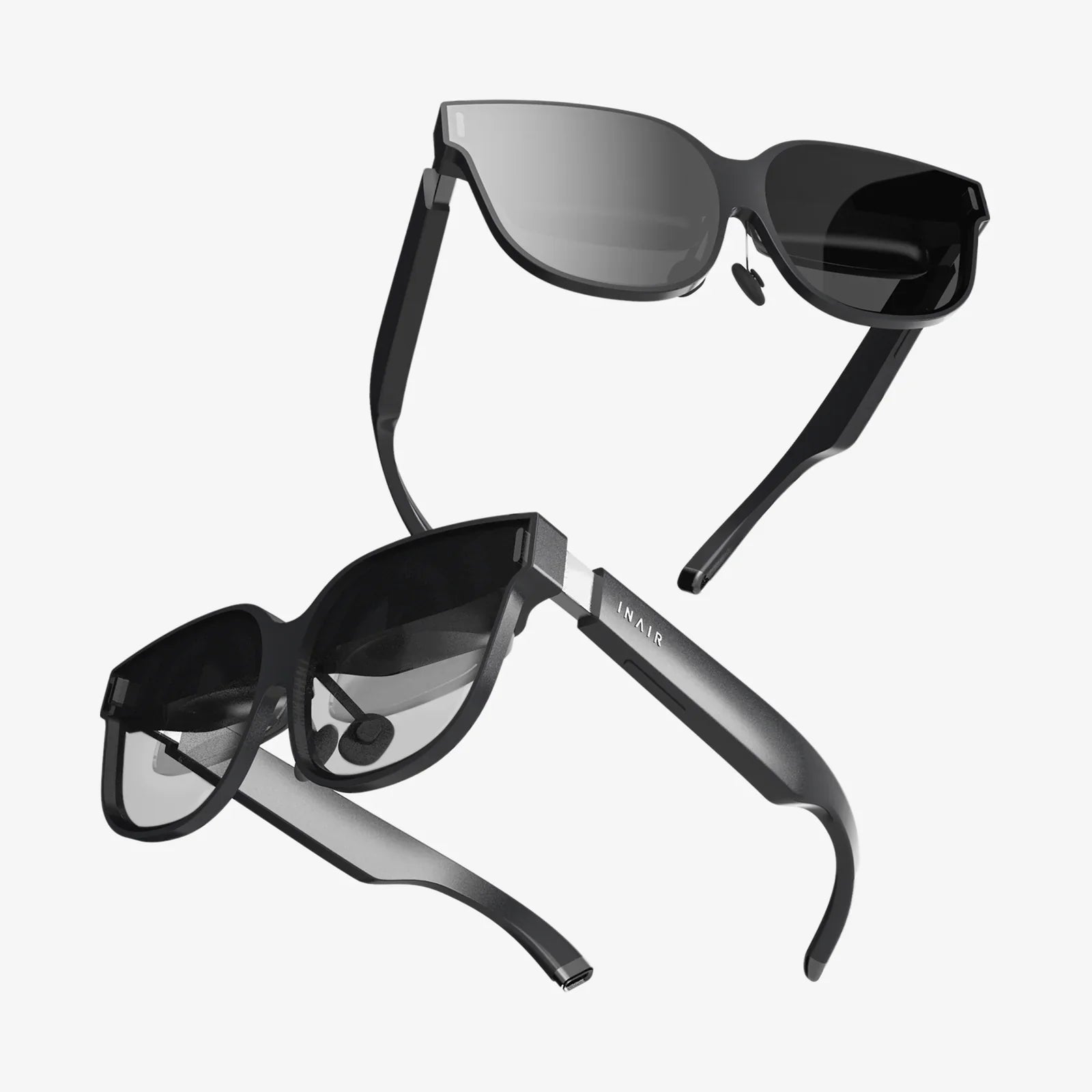
The core technology stack that enables AR has advanced at a breathtaking pace. Simultaneous Localization and Mapping (SLAM) algorithms allow devices to understand and map their environment in real-time with astonishing accuracy. Computer vision has become sophisticated enough to identify objects, surfaces, and even gestures. Meanwhile, improvements in processing power, miniaturization of components like micro-projectors and depth sensors, and the rollout of high-speed, low-latency 5G networks have removed the technical barriers that once confined AR to powerful, stationary setups or underpowered mobile apps. We are moving from viewing AR on a handheld screen to experiencing it through lightweight, wearable glasses that seamlessly blend the digital and the optical. This technological maturation is the bedrock upon which the demand for more AR is built.
While consumer applications often grab headlines, the most impactful and immediate adoption of AR is happening far from the public eye, on factory floors, in operating rooms, and at construction sites. This is the industrial metaverse, where AR is not a toy but a critical tool driving efficiency, safety, and precision.
The way we shop is undergoing a radical transformation thanks to AR. E-commerce, while convenient, has always suffered from one critical limitation: the inability to try before you buy. AR is dissolving that barrier, creating a try-before-you-buy experience from the comfort of your living room.
Imagine using your smartphone or AR glasses to see how a new sofa would look and fit in your actual living space, checking for size, color, and style. Fashion retailers offer virtual fitting rooms, allowing customers to "try on" clothes, glasses, or makeup without stepping foot in a store. Automotive companies enable you to configure a car—changing its color, rims, and trim—and then project a life-sized model onto your driveway. This level of immersive interaction drastically reduces purchase uncertainty and product returns while building deeper consumer confidence. The push for more AR in retail is a push for a more informed, satisfying, and personalized shopping journey that bridges the best of online and in-store experiences.
Human connection and artistic expression are finding new dimensions through AR. Social media platforms have already normalized the use of AR filters for entertainment, but this is just the beginning. The next wave involves persistent AR experiences tied to specific locations.
Imagine visiting a historic landmark and seeing a reenactment of a famous event play out on the very ground it happened. Picture a city park where digital sculptures from artists around the world are on display for anyone with AR-enabled devices to enjoy. Friends could leave holographic messages for each other at a favorite coffee shop, creating a layer of shared memory and interaction over the physical world. This spatial computing turns our entire environment into a collaborative canvas. The desire for more AR is, in part, a desire for a new form of shared experience, a way to leave a digital imprint on the physical world and connect with others through a enriched, composite reality.
The ultimate promise of AR is the elimination of the intermediary device. For decades, we have been trained to divert our attention from the world to a slab of glass and metal in our hands. AR aims to reverse this, bringing information to us, contextually and elegantly, within our natural field of vision.
This is the concept of the "invisible interface." Navigation arrows appear on the road in front of you as you walk. The name and latest album of a band you like subtly float next to their poster on a wall. Real-time language translations are overlaid onto foreign street signs, and the weather forecast hovers near the window. Your to-do list sits passively on the edge of your countertop until you look at it. This paradigm shift—from pulling information out of a device to having it pushed into your environment—could make technology less intrusive and more intuitive. It represents a future where technology serves us on our terms, enhancing our perception without sequestering our attention. This seamless integration is the core of the argument for why we need more AR in our daily lives.
The path to an AR-augmented world is not without its significant challenges and ethical dilemmas. The call for more AR must be met with a equally strong call for responsible development.
The journey ahead requires a collaborative effort between technologists, policymakers, ethicists, and the public to build an AR future that is inclusive, secure, and human-centric.
The horizon is no longer a distant line but a canvas waiting to be painted with data, imagination, and connection. The quiet integration of digital guidance into a surgeon's hands, the burst of confidence when a virtual outfit fits perfectly, and the wonder of a historical ghost haunting its original streets—these are the threads weaving a new reality. This isn't about escaping into a virtual world; it's about bringing a richer, smarter, and more responsive layer to the one we already inhabit. The question is no longer if this future will arrive, but how vividly we choose to build it. The next time you look at the world around you, remember—it’s about to become a lot more interesting.