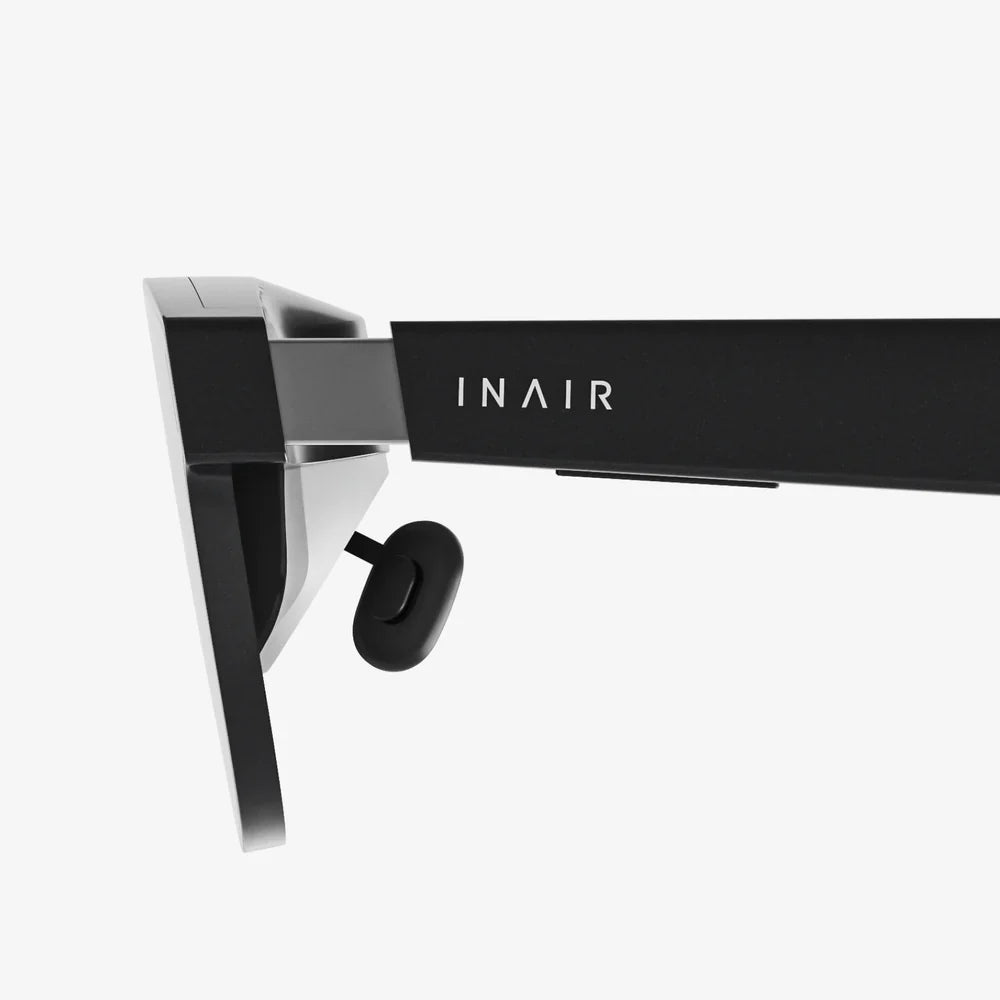
Imagine slipping on a pair of sleek glasses and instantly overlaying your world with digital information, interactive experiences, and boundless entertainment. This futuristic vision, once the exclusive domain of multi-billion dollar tech giants and science fiction, is now astonishingly within reach. The emergence of the most affordable AR glasses has shattered the price barrier, transforming augmented reality from a high-end novelty into an accessible tool for the masses. This isn't a distant promise; it's a present-day reality that is redefining how we play, work, and connect with the world around us. The quest for affordability no longer means sacrificing the magic of immersion; it signifies a new era of technological democratization.
Demystifying the Technology: How Do They Work?
To appreciate the value of affordable AR glasses, it's helpful to understand the core technology they leverage. At their heart, these devices are miniature projection systems. They use either micro-OLED displays or Laser Beam Scanning (LBS) to project images directly onto transparent lenses, which then reflect the light into your eyes. This allows you to see the digital imagery superimposed onto your real-world environment. Advanced sensors, including accelerometers, gyroscopes, and sometimes cameras, track your head movements and the surrounding space to anchor digital objects persistently, making them feel like a real part of your world. The engineering marvel lies in miniaturizing these complex components into a lightweight, comfortable form factor that doesn't carry a prohibitive cost.
The Driving Forces Behind the Price Revolution
The journey to affordability has been fueled by several key factors. First, the maturation of core components like micro-displays and sensors, driven by massive production for smartphones and other consumer electronics, has drastically reduced their cost. Economies of scale are finally kicking in for AR-specific hardware. Second, manufacturers are making intelligent design trade-offs. Instead of aiming for a single, do-it-all device (often called "all-day glasses"), many affordable models focus on specific, high-value use cases. This allows them to omit prohibitively expensive features like standalone computing (opting for a wired or wireless connection to a smartphone or PC) and ultra-high-field-of-view displays, significantly cutting the bill of materials. Finally, increased competition in the space is pushing companies to find innovative ways to deliver compelling experiences at accessible price points.
Defining "Affordable" in the AR Market
"Affordable" is a relative term, especially in a cutting-edge field. Currently, in the AR glasses landscape, "most affordable" typically refers to devices priced significantly below the premium segment. While high-end enterprise-focused AR headsets can cost thousands, the new wave of consumer-friendly glasses has broken into a much lower and more accessible range. Many excellent options now exist for a few hundred dollars, a price comparable to a premium pair of sunglasses or a high-quality monitor. This pricing strategy is crucial for market adoption, moving the technology beyond early adopters and into the hands of students, professionals, and everyday tech enthusiasts.
Primary Use Cases for Budget-Conscious AR Glasses
You might wonder what you can actually do with a lower-cost AR device. The applications are surprisingly diverse and powerful:
-
Mobile Computing and Media Consumption: Transform your smartphone into a private, giant screen experience. Watch movies, browse the web, or play mobile games on a virtual screen that feels feet away, all while maintaining awareness of your surroundings.
-
PC Desktop Extension and Productivity: Connect to your computer to create multiple virtual monitors floating in your space. This is a game-changer for digital nomads, programmers, and anyone needing more screen real estate without the physical hardware.
-
Lightweight Gaming and Interactive Experiences: Enjoy AR games that blend digital characters and gameplay with your living room or explore interactive educational content that brings history and science to life.
-
Remote Assistance and Guided Work: While more common in enterprise models, some affordable glasses support applications where a remote expert can see your view and provide visual annotations to help with complex tasks like repairs or assembly.
Key Features to Expect (And Which Ones Are Often Compromised)
When evaluating the most affordable AR glasses, it's important to have realistic expectations. You typically get:
-
High-Resolution Displays: Surprisingly sharp and vibrant micro-displays for a clear image.
-
Solid Built-in Audio: Spatial audio speakers that direct sound to your ears without headphones.
-
Comfortable, Lightweight Design: Designs meant to be worn for extended periods.
-
Solid Smartphone/PC Integration: Reliable low-latency connections for streaming content.
To achieve a lower price, manufacturers often compromise on:
-
Field of View (FoV): The virtual screen may feel like a large monitor rather than an all-encompassing immersive experience.
-
Standalone Processing: Most rely on an external device for computing power.
-
Advanced Spatial Mapping: They may lack depth sensors for highly precise digital object placement.
-
Custom Waveguides: They might use simpler optical designs compared to ultra-high-end models.
The Software and Ecosystem: The True Gatekeepers
Hardware is only half the story. The value of any AR device is deeply tied to its software ecosystem. Affordable glasses often run customized versions of Android or are designed to work seamlessly with major desktop operating systems. The availability of apps is crucial. Look for support for popular streaming services, web browsers, and productivity suites. An open development environment is a huge plus, as it encourages indie developers and larger studios to create innovative applications, ensuring your device remains useful and engaging long after purchase. The best affordable AR glasses are those supported by a growing and active community.
A Glimpse into the Near Future
The trend toward affordability is only accelerating. We can expect future generations of budget AR glasses to feature wider fields of view, better battery solutions, and even more seamless integration with our existing device ecosystems. As component costs continue to fall and manufacturing processes improve, the line between "affordable" and "premium" will blur, with high-end features trickling down to lower price points at a rapid pace. This progress will further solidify AR glasses not as a niche gadget, but as a mainstream consumer electronics category, as ubiquitous as the smartphone is today.
The dream of seamlessly blending our digital and physical lives is no longer locked behind a paywall. The most affordable AR glasses available today are your ticket into this revolution, offering a compelling and practical glimpse into a future that is interactive, informative, and incredibly exciting. This is your chance to be an early explorer in the next computing paradigm without the financial burden that usually accompanies groundbreaking technology. The gateway to an augmented life is open, and it's more inviting than ever.