


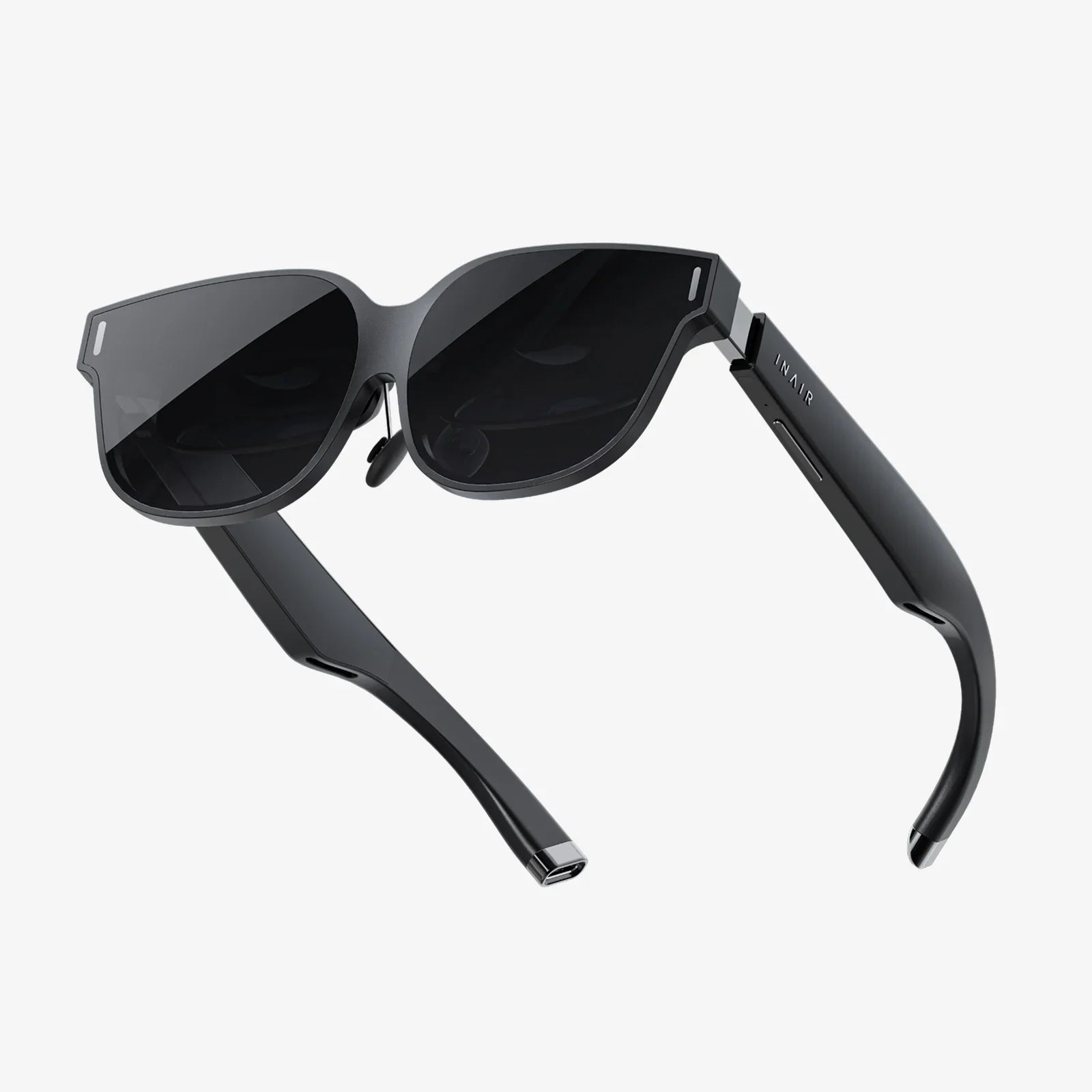
Imagine stepping into a breathtaking virtual world, exploring distant planets, mastering new skills, or connecting with friends in immersive digital spaces, all without emptying your wallet. The year 2025 has ushered in a revolutionary era for virtual reality, where cutting-edge immersion is no longer a luxury reserved for the elite. The pursuit of the most affordable VR headset has evolved from a quest for the cheapest option into a thrilling hunt for unparalleled value, where stunning visuals, intuitive controls, and a vast library of experiences are now accessible to a global audience. This is the new reality, and it's waiting for you to dive in.
The Evolving Landscape of Consumer Virtual Reality
The virtual reality market has undergone a dramatic transformation since its consumer inception. Early iterations were often characterized by high price points, bulky hardware, and a limited ecosystem of applications, placing them firmly in the domain of hardcore enthusiasts and developers. The technological and manufacturing hurdles were significant, from sourcing high-density displays to developing precise inside-out tracking systems. However, as with all technology, relentless innovation and economies of scale have begun to work their magic. By 2025, what was once prohibitively expensive has now been refined, optimized, and repackaged into a new generation of hardware. The focus has shifted from purely pushing the boundaries of performance to also democratizing access, creating a vibrant and competitive market for high-value, affordable VR headsets.
What Truly Defines "Affordable" in 2025?
Affordability is a nuanced concept, especially in the tech world. It is no longer simply about the lowest sticker price. In the context of the 2025 VR market, "most affordable" is synonymous with "maximum value." Consumers are now savvier; they evaluate the total cost of ownership. This includes not only the initial purchase but also the required peripheral hardware, the cost of software and subscriptions, and the device's longevity. A headset that requires a prohibitively expensive gaming personal computer is not truly affordable for the average user. Similarly, a device with a low upfront cost but a barren, expensive content library offers poor value. The champions of affordability in 2025 are those that offer a complete, compelling, and accessible package. They are standalone devices with powerful integrated processors, high-resolution displays, and inside-out tracking, all working in harmony to deliver a premium experience at a mass-market price point. The goal is a frictionless entry into VR, minimizing barriers and maximizing enjoyment.
Key Features to Expect in a Budget-Friendly 2025 Headset
Gone are the days where affordable meant a significant compromise on quality. The baseline for what constitutes an acceptable VR experience has been raised considerably. When evaluating the most affordable VR headsets of 2025, you can and should expect a robust set of features.
Visual Fidelity and Display Technology
The era of the "screen door effect"—where users could see fine lines between pixels—is largely over, even at the budget level. Standard expectations now include:
- High-Resolution Per-Eye Displays: Look for combined resolutions approaching or exceeding 4K, ensuring crisp, clear text and visuals that minimize eye strain.
- Fast Refresh Rates: A minimum of 90Hz is standard, with many options offering 120Hz for smoother, more comfortable gameplay, which is crucial for preventing motion sickness.
- Advanced Lens Technology: Fresnel lenses have been largely superseded by pancake or similar lens designs, offering a much wider "sweet spot," sharper edge-to-edge clarity, and a significantly slimmer headset profile.
Tracking and Controllers
Precise tracking is the foundation of immersion. Affordable headsets now universally employ:
- Inside-Out Tracking: Cameras embedded on the headset itself track the environment and the controllers, eliminating the need for external sensors or base stations. This technology has become incredibly sophisticated, offering sub-millimeter accuracy for both head and hand movements.
- Ergonomic Controllers: Standard equipment includes intuitive, ergonomic motion controllers with haptic feedback, capacitive touch sensors, and reliable analog sticks and buttons, providing a natural extension of the user's hands in the virtual world.
Comfort and Design
Comfort is paramount for extended VR sessions. Budget headsets have adopted design principles once reserved for flagship models:
- Balanced Weight Distribution: A front-heavy design is a relic of the past. Modern affordable headsets use counter-balancing battery packs in the rear strap and softer, more adaptable materials to evenly distribute weight.
- Adjustable IPD and Fit: Physical IPD (Interpupillary Distance) adjustment is common, allowing users to perfectly align the lenses with their eyes for optimal clarity and comfort. Flexible straps and multiple sizing options ensure a secure fit for a wide range of head shapes and sizes.
- Ventilation and Materials: Improved airflow designs and use of lighter, breathable fabrics help manage heat and reduce the discomfort of prolonged use.
The Standalone Revolution: Powering True Accessibility
The single most significant factor driving down the cost and complexity of VR has been the rise of the standalone headset. These all-in-one devices contain their own compute power, battery, and sensors, untethering the user from a powerful external computer. The system-on-a-chip (SoC) technology powering these devices has seen generational leaps. The processors found in 2025's affordable standalone headsets rival the raw power of the dedicated gaming consoles of just a few years prior. This means developers can create rich, graphically intensive experiences that run natively on the headset itself. For the consumer, this translates to ultimate convenience: pick up the headset, put it on, and you're in VR. There are no cables to trip over, no complex driver installations, and no need for a costly gaming rig. This paradigm shift is the cornerstone of making VR truly affordable and mainstream.
Navigating the Content Ecosystem
A headset is merely a window; the content is the view. The value of an affordable VR headset is intrinsically linked to the richness and affordability of its available software. The dominant platforms in 2025 boast digital storefronts with thousands of titles, ranging from blockbuster games and creative social hubs to productivity apps and revolutionary educational tools. A key advantage of the most popular affordable headsets is their access to a mature and competitive marketplace. This competition drives down software prices and fuels frequent sales. Furthermore, many headsets support side-loading and app-lab style platforms, giving users access to a vast array of experimental and indie projects. When choosing a headset, the strength, size, and curation of its content library are just as important as its hardware specifications.
Future-Proofing Your Investment
Technology evolves rapidly, but a smart purchase in 2025 can remain relevant for years to come. While no device is truly future-proof, considering a few key factors can extend the lifespan of your headset. Support for backward compatibility ensures your library of purchased software will carry forward. A company's track record of providing long-term software support and feature updates is crucial. Furthermore, some headsets offer a degree of modularity or accessory support, such as the ability to add improved straps, external audio solutions, or even compatibility with wireless PC streaming for those who may upgrade their computer later. Investing in a headset from an established ecosystem with a clear roadmap is the best way to ensure your gateway to VR remains open well into the future.
Beyond Gaming: The Expanding Universe of VR Applications
While gaming remains a primary driver, the value proposition of an affordable VR headset extends far beyond entertainment. In 2025, these devices are powerful tools for:
- Fitness and Wellness: Immersive fitness applications offer engaging workouts, from boxing and rhythm games to guided meditation and yoga in serene virtual environments, making exercise more accessible and enjoyable.
- Social Connection: Social VR platforms allow users to meet, talk, play, and attend events with friends and family from across the globe, fostering a powerful sense of presence and togetherness that flat screens cannot replicate.
- Education and Training: From virtual field trips to historical sites to hands-on simulations for medical students or mechanics, VR provides safe, scalable, and deeply memorable learning experiences.
- Productivity: Virtual desktops and collaborative workspaces allow for immense, customizable digital monitors and meeting rooms, freeing productivity from the physical constraints of a desk.
The door to virtual reality is now wide open, and the ticket of admission has never been more reasonably priced. The most affordable VR headsets of 2025 are not mere toys; they are powerful portals to endless possibilities, offering a stunning level of quality and a vast universe of experiences that were unimaginable just a few years ago. This is the perfect moment to stop watching from the sidelines and finally claim your front-row seat to the next dimension of digital life. Your adventure begins now.
Share:
What Is The Minimum Age To Use A VR Headset? A Deep Dive Into Safety, Development, And Responsible Use
Really Cheap VR Headset: Your Ultimate Guide to Affordable Virtual Reality