


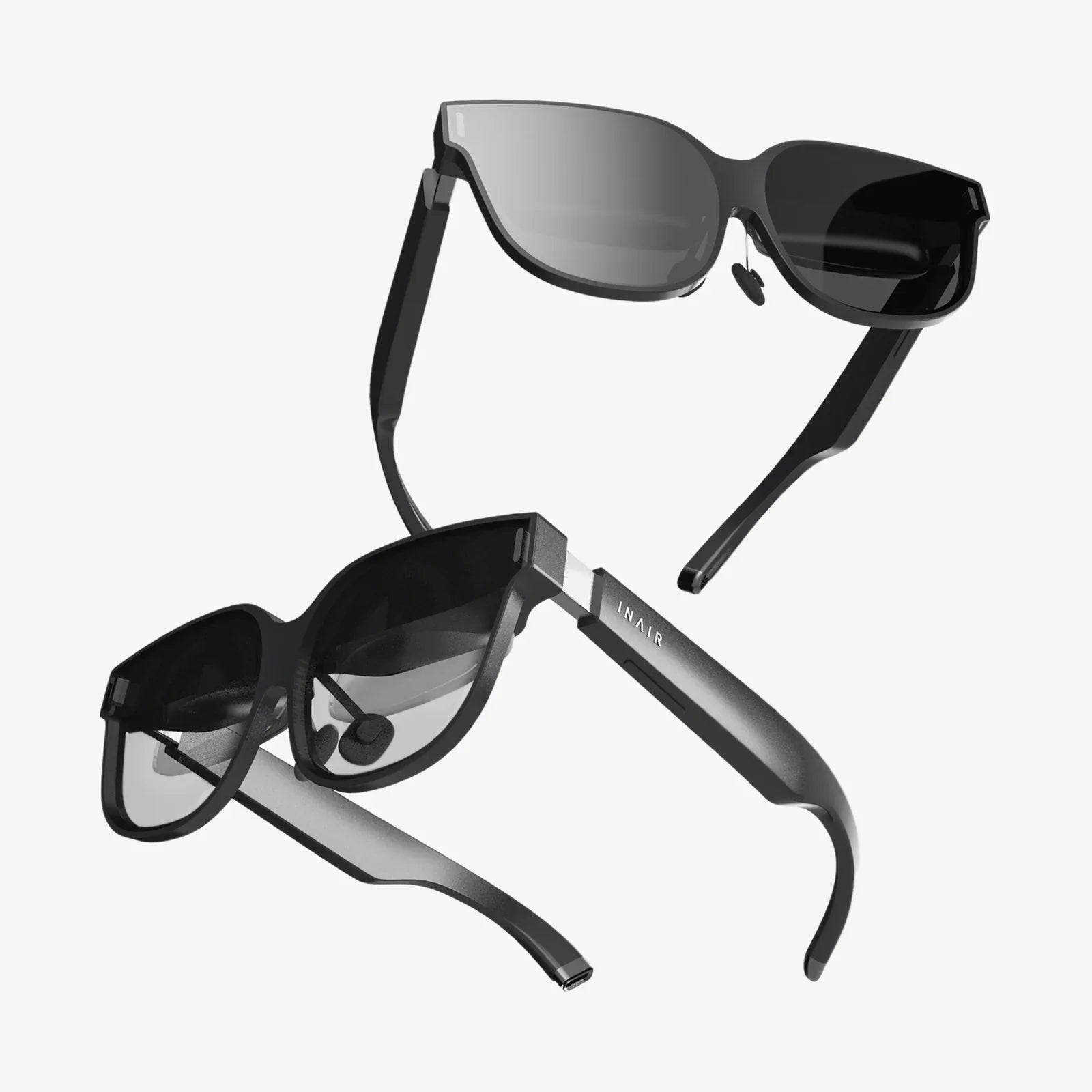
You slip the headset over your eyes, the world around you vanishes, and you're instantly transported to another reality. But just as you begin to explore this new digital frontier, a familiar ache starts to bloom across the bridge of your nose, a dull pressure builds in your temples, and the initial wonder is slowly replaced by a single, nagging thought: 'I need to take this off.' This is the unfortunate reality for many early adopters of mobile virtual reality, where discomfort has long been the biggest barrier to true immersion. The quest for the most comfortable phone VR headset isn't about luxury; it's about unlocking the full, breathtaking potential of VR without the distracting, often painful, physical drawbacks. It’s the difference between simply watching an experience and truly living within it.
The Anatomy of Discomfort: Where VR Headsets Go Wrong
To understand what makes a headset comfortable, we must first diagnose the common points of failure in ergonomic design. The primary culprits of VR discomfort are remarkably consistent across many early-generation models.
Front-Heavy Design and Poor Weight Distribution: The most significant offender is weight. A typical setup places the heavy smartphone at the very front of the device, creating a powerful lever arm that pulls your head forward. Your neck muscles must constantly contract to counteract this force, leading to rapid fatigue and strain. This is a fundamental physics problem that the most comfortable phone VR headset must solve through clever engineering.
Inadequate Facial Interface and Pressure Points: The interface is where the hardware meets your face, and it's often a zone of conflict. Hard plastic, poorly padded foam, and a one-size-fits-all approach can create excruciating pressure points on the cheeks, forehead, and most notably, the bridge of the nose. This not only causes red marks and pain but can also obstruct blood flow and exacerbate the feeling of being 'trapped' in the device.
Generic Fit and Lack of Adjustability: Human heads are not monolithic. They come in vastly different shapes and sizes. A headset designed for an average adult male will likely fit a petite user or a teenager very poorly. Limited or non-existent adjustments for interpupillary distance (IPD)—the space between your eyes—can lead to eye strain, headaches, and a blurry image as your eyes struggle to align with the lenses.
Thermal Management and Fogging: As your phone's processor works overtime to render two high-resolution screens, it generates heat. Trapped inside a plastic shell with limited ventilation, this heat has nowhere to go. It builds up, warming your face and causing the lenses to fog up, especially when you first put the headset on. This constant battle against condensation breaks immersion and forces users to frequently remove the headset.
Strap Systems That Fight Against Gravity: Flimsy, elastic straps are the enemy of comfort. They provide a false sense of security, requiring overtightening to keep the headset from sliding down your face during movement. This overtightening is a direct contributor to pressure headaches and facial discomfort.
Engineering for Ergonomics: The Pillars of a Comfortable Design
The most comfortable phone VR headset addresses these pain points not with a single magic bullet, but through a holistic approach to design that prioritizes the human body. Here are the non-negotiable features that define a truly wearable experience.
Revolutionary Weight Distribution and Balanced Design
The goal is to make the headset feel like an extension of your body, not a device bolted to your face. The best designs achieve this through two key methods:
- Counterbalancing: Some innovative headsets incorporate a counterweight at the back. This simple yet effective technique shifts the center of gravity backwards, aligning it with the natural pivot point of your head. This dramatically reduces the strain on your neck muscles, allowing for significantly longer play sessions.
- Strategic Material Choice: Utilizing lightweight, high-strength polymers and composites shaves off precious grams without sacrificing structural integrity. Every ounce removed from the front of the device is a victory for comfort.
The Facial Interface: Your Gateway to Comfort
This is the soul of the headset's comfort. A high-quality interface is characterized by:
- Plush, Breathable Padding: Memory foam or hypoallergenic, moisture-wicking fabrics contour to the unique shape of your face, distributing pressure evenly rather than concentrating it on bony prominences. This material should feel soft against the skin and allow air to circulate, reducing heat buildup and sweat.
- Ergonomic Contouring: The shape of the interface should be designed to fit the orbital region of the human face, sealing out light without applying crushing force. A wide, flexible nose guard is crucial for preventing the common and painful 'VR nose'.
- Replaceable and Washable Components: Hygiene is a part of comfort. Removable foam inserts or face gaskets that can be easily wiped clean or machine-washed ensure your personal gateway to VR remains fresh and sanitary, especially during shared use.
Fully Customizable Fit Systems
A rigid headset is an uncomfortable headset. The most comfortable phone VR headset offers a multitude of adjustments to find your perfect fit:
- Rigid, Three-Point Strap Systems: Moving away from elastic, the gold standard is a rigid, adjustable strap that cups the back of your skull (the occipital lobe). This provides a solid anchor point. This is often combined with top straps for vertical stability, creating a 'halo' effect that cradles the headset without relying on face pressure.
- Integrated IPD Adjustment: A physical dial or slider that moves the lenses themselves (or the phone tray) left and right is essential. This allows users to perfectly match the lens separation to their pupillary distance, resulting in a sharper image, reduced eye strain, and deeper immersion.
- Precise Focus and Distance Adjustment: A diopter dial or a mechanism to fine-tune the distance between the lenses and your eyes accommodates users who may not have perfect vision or simply want to find the absolute sweet spot for visual clarity, all without their glasses.
Intelligent Thermal and Optical Design
Comfort is visual and environmental as much as it is physical.
- Passive and Active Ventilation: Strategically placed vents and channels allow hot air from the phone to escape and cooler air to circulate. Some advanced designs even incorporate silent, tiny fans for active cooling, ensuring your device and your face stay cool under pressure.
- High-Quality Lenses: Lenses with a large sweet spot (the area where the image remains clear even if the headset shifts slightly) reduce the need for constant readjustment. Anti-scratch and anti-fog coatings are now becoming standard on better models, preserving visual fidelity and preventing that frustrating white-out effect.
Beyond the Hardware: The User's Role in the Comfort Equation
Even the most comfortable phone VR headset requires a mindful user to achieve its full potential. Comfort is a partnership between technology and practice.
- The Fitting Ritual: Don't just jam it on your head. Take the time to loosen all straps, position the headset correctly, and then tighten the straps incrementally, starting with the top strap to achieve vertical balance, then the side straps for security. It should feel snug and stable, not tight.
- Session Management: VR is an intense experience. Even in supreme comfort, it's wise to take regular breaks. Follow the 20-20-20 rule: every 20 minutes, take a 20-second break and look at something 20 feet away. This gives your eyes and brain a chance to reset.
- Accessorize for Bliss: Consider adding aftermarket comfort mods. A simple counterweight pouch attached to the back strap can transform a front-heavy unit. A premium, leather or gel-filled face cover can upgrade a basic interface. For shared households, disposable hygienic mask covers are a game-changer.
- Content Matters: Be aware that certain experiences are more likely to induce simulator sickness than others. Smooth locomotion (walking with a joystick) is more taxing on the vestibular system than teleportation movement. If you're new to VR, start with stationary experiences and gradually work your way up.
The Future of Wearable Comfort: Where Do We Go From Here?
The pursuit of the ultimate comfortable phone VR headset is far from over. The horizon is filled with promising innovations that will further blur the line between device and self.
- Advanced Materials: The integration of aerogels for superior insulation and weight reduction, and the use of shape-memory alloys that actively conform to the user's head shape after being warmed by body heat.
- Biometric Integration: Future headsets could feature built-in sensors that detect pressure points and alert the user to adjust the fit, or even monitor for signs of fatigue and suggest it's time for a break.
- Modular and Customizable Designs: The concept of 3D-printed facial interfaces scanned to fit your exact facial structure is no longer science fiction. This would offer a level of personalized comfort previously unimaginable.
- The Shift to Standalone: While this article focuses on phone-based VR, the lessons learned are directly feeding into standalone headset design. As processing power becomes more efficient and batteries are distributed more intelligently, the fundamental ergonomic principles of weight distribution, interface quality, and adjustability will remain the bedrock of comfortable design.
Imagine a VR experience where the only thing you're aware of is the adventure itself—the weight of the device disappears, the fit is so natural you forget it's there, and your only limit is your curiosity. This is the promise held by the relentless innovation in ergonomic design. The most comfortable phone VR headset isn't just a piece of technology; it's your passport to other worlds, designed with the profound understanding that true immersion begins and ends with the body. The future of VR feels light, it breathes easily, and it fits you, and only you, perfectly. The next generation of explorers won't just step into virtual worlds; they'll stay there.
Share:
Why Is My VR Headset Battery Draining So Fast? The Ultimate Power-Saving Guide
Best Phone VR Headset 2025: The Ultimate Immersive Experience Awaits