


- by wangfred
Most Comfortable VR Goggles: The Ultimate Guide to Ergonomic Immersion
- by wangfred
You’ve just unboxed your new portal to other worlds, your hands trembling with anticipation. You strap the headset on, launch an epic adventure, and within twenty minutes, a familiar dread sets in: the front-heavy pressure on your cheeks, the nagging ache at the base of your skull, the fog creeping across the lenses. The magic fades, replaced by the stark reality of physical discomfort. This experience, a frustrating rite of passage for many early adopters, is precisely why the quest for the most comfortable VR goggles has become the holy grail of immersive technology. It’s not just about higher resolutions or wider fields of view anymore; it’s about designing a device that disappears on your face, allowing you to forget the hardware and lose yourself completely in the software. This is the engineering challenge that separates a compelling tech demo from a transformative daily tool.
To understand what makes a VR headset comfortable, we must first diagnose the common pain points. Discomfort in VR is rarely a single issue but a perfect storm of poor ergonomic choices.
The primary culprit is almost always improper weight distribution. Early designs placed the heaviest components—the lenses and screens—at the very front of the device. This creates a massive lever arm, forcing the user's facial muscles and neck to constantly counteract the torque trying to pull the headset downward. It’s a recipe for neck strain and facial fatigue.
Next is pressure. To achieve a stable image and block out external light, headsets must be sealed against the face. This is traditionally accomplished by cranking a rigid strap tight, creating hot spots on the brow and cheeks. This pressure can also impede blood circulation and lead to rapid overheating, both of which are immersion-breaking.
Heat management is another critical factor. The powerful processors and displays generate significant warmth, which gets trapped against the user’s skin. This not only causes discomfort but also leads to lens fogging, a persistent issue that constantly reminds users they are looking through a piece of technology.
Finally, a one-size-fits-all approach to inter-pupillary distance (IPD) adjustment and facial interface shape guarantees a poor experience for a significant portion of the population. Without proper alignment, users suffer from eye strain, headaches, and a reduced sense of visual clarity, fundamentally undermining the VR experience.
The most comfortable VR goggles are built upon a foundation of core principles that directly address these pain points. It’s a holistic approach that considers the entire system, from the materials touching your skin to the physics of how weight is supported.
The single most effective innovation in modern headset design is the move toward counter-balancing. Instead of fighting the front-heavy weight, engineers now strategically place a battery pack or other counterweight at the rear of the headstrap. This simple yet brilliant solution balances the center of mass directly over the user’s spine, eliminating the lever effect and the resulting neck strain. The headset feels dramatically lighter, even if its total weight hasn't changed, because the weight is now neutrally balanced and supported by the crown of the head rather than the face.
This is complemented by sophisticated strap systems. The era of the simple elastic strap is over. High-comfort designs feature rigid, yet adjustable, halo-style straps that form a ring around the head, distributing pressure evenly across a much larger surface area. Others use a top-strap and rear cradle design, where the primary support comes from the top of the head, allowing the facial interface to rest gently without needing to be clamped tightly.
The facial interface—the foam or rubber part that touches your face—is ground zero for comfort. The best materials are hygienic, breathable, and soft. Cheap foam absorbs sweat and becomes a breeding ground for bacteria, leading to skin irritation and unpleasant odors. Premium replacements and built-in interfaces now use materials like pleather or silicone with cooling gels, which are not only easier to clean but also allow for better air circulation.
Perhaps the most underappreciated aspect is customizability. The most comfortable VR goggles offer multiple points of adjustment. This includes not just the tightness of the strap, but also the ability to swap out facial interfaces for different sizes and shapes, accommodating a wider range of facial structures, including those who wear glasses. Magnetic, interchangeable interfaces are a hallmark of a user-centric design philosophy.
Physical comfort is meaningless if the visual experience causes strain. Beyond the obvious need for high-resolution displays, the mechanism for adjusting the lens distance is paramount. A simple software-based IPD adjustment (sliding a software window) is inferior to a mechanical IPD adjustment that physically moves the lenses themselves. This hardware solution ensures that the optical centers of the lenses are perfectly aligned with the user’s pupils, providing a sharper image, reducing eye strain, and increasing depth perception.
Furthermore, the inclusion of a diopter adjustment knob is a game-changer for a huge segment of the population. This allows users with mild to moderate near- or far-sightedness to experience a clear image without the added bulk and discomfort of wearing their glasses inside the headset. It’s a feature that speaks directly to accessibility and long-term comfort.
Advanced thermal management is no longer a luxury. The best headsets employ passive and active cooling systems with carefully designed venting paths to channel heat away from the user’s face. This prevents the "sauna effect," reduces lens fogging, and makes multi-hour sessions in active games a viable prospect. Quiet, efficient fans are key here, ensuring the solution to one discomfort doesn’t introduce another in the form of audible distraction.
Comfort isn't solely a hardware achievement. The software experience plays a crucial supporting role. A poorly optimized application that suffers from low frame rates or latency can induce cybersickness—a form of motion sickness characterized by dizziness, nausea, and disorientation. This is the ultimate immersion-breaker.
Therefore, the platform’s commitment to performance optimization is part of the comfort promise. Features like asynchronous spacewarp and other reprojection techniques help maintain a smooth, stable visual experience even when the application is under heavy load, significantly reducing the risk of discomfort for users.
Furthermore, the software should offer robust settings to tailor the experience. This includes brightness controls, accessibility options for those sensitive to motion, and even in-headset guides for properly adjusting the fit. A comfortable experience is a personalized one.
The pursuit of comfort is far from over. The next frontier involves making headsets even smaller, lighter, and less obtrusive. We are already seeing a shift in architecture with the advent of standalone devices with built-in processing, which eliminates the need for a trailing cable—a constant source of physical and psychological tetheredness.
Future materials science will bring even lighter yet stronger composites and more advanced cooling phase-change materials for facial interfaces. Haptic feedback in headstraps could provide guided adjustment cues. Machine learning could even automatically adjust software settings based on individual user biometrics to minimize eyestrain.
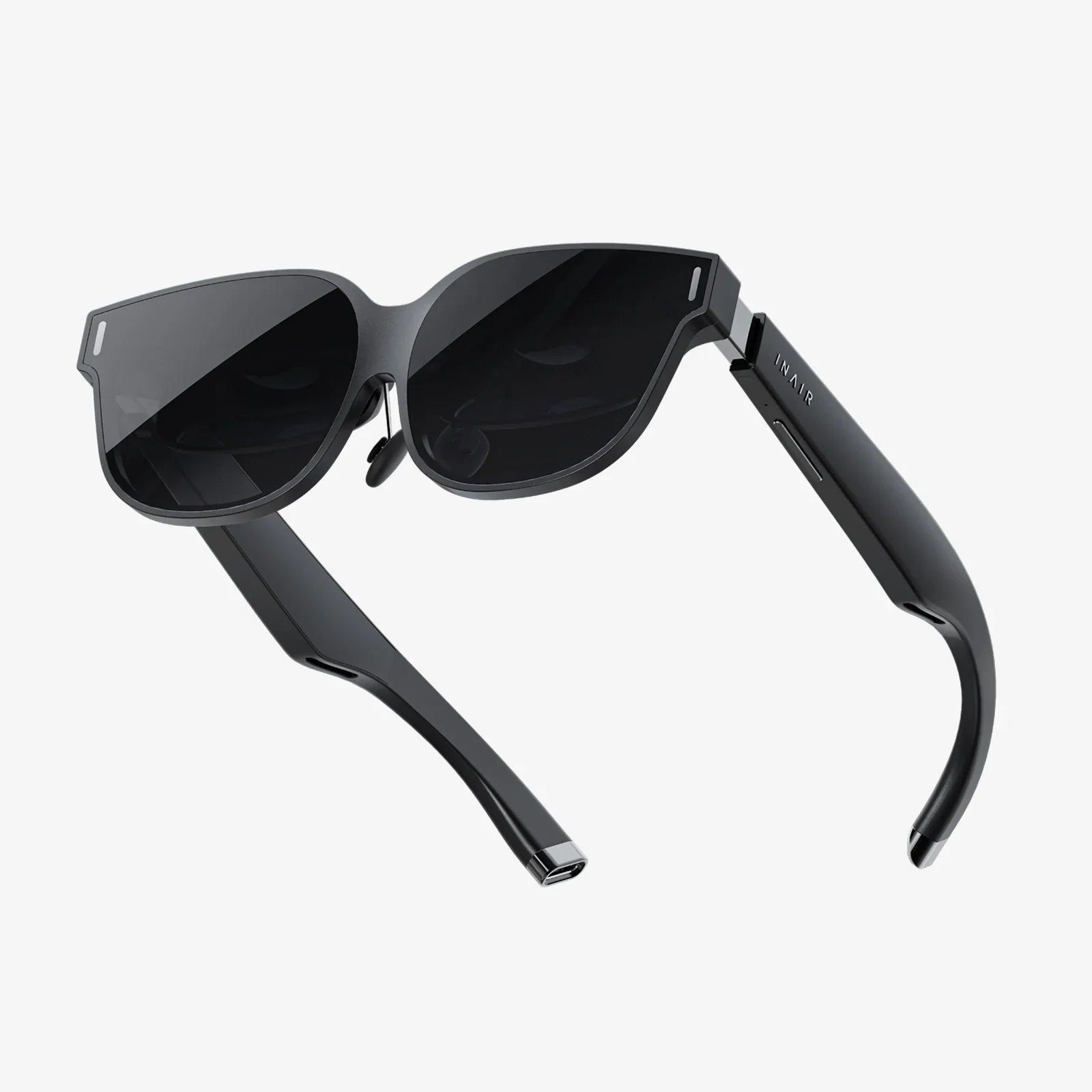
The ultimate goal is optical innovation. Advancements like pancake lenses allow for a drastic reduction in the distance between the display and the eye, enabling much slimmer and lighter form factors without sacrificing field of view. This is perhaps the most significant step toward a pair of goggles that feel as light and unassuming as a pair of sunglasses.
The journey of VR is moving from convincing our brains we are somewhere else to ensuring our bodies don't remind us we are not. The most comfortable VR goggles are those that achieve this delicate balance, making the technology not just a window to new realities, but a pleasant, effortless, and enduring portal. They are the key to moving virtual reality out of the realm of novelty and into the fabric of our daily digital lives.
Imagine a future where slipping into a virtual meeting feels no more cumbersome than putting on a pair of headphones, where an afternoon exploring alien landscapes leaves you exhilarated rather than sore. This isn’t a distant dream—it’s the direct result of the relentless, detail-obsessed engineering focused on a single goal: making the hardware vanish so the experience can truly begin. The race to build the most comfortable VR goggles is ultimately a race to make the technology itself invisible.