


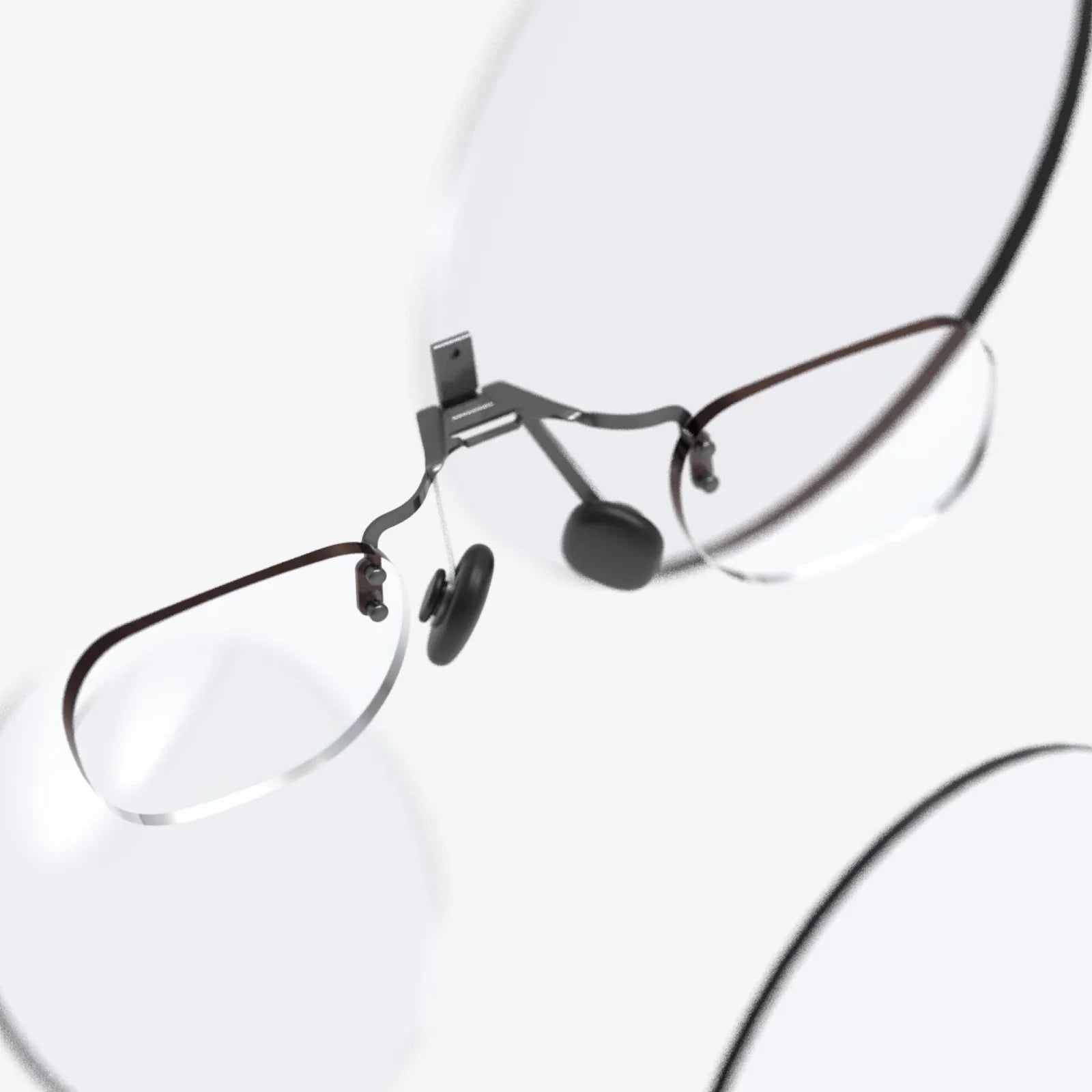
Imagine walking down the street and seeing useful information floating naturally in your field of view, your work tasks organized in the air around your desk, or a workout coach guiding your every move without you ever looking at a phone screen. The most exciting AR glasses applications are pushing us toward exactly that reality, and once you understand how wide their potential really is, you may never see everyday life the same way again.
What Makes the Most Exciting AR Glasses Applications Different
Augmented reality glasses overlay digital content onto the real world, but the most exciting applications are not just about flashy graphics. They focus on three things: usefulness, seamlessness, and context. Usefulness means they solve real problems. Seamlessness means they feel natural and do not interrupt your life. Context means they understand where you are, what you are doing, and what information you actually need in that moment.
Instead of pulling out a phone, tapping through apps, and getting distracted, AR glasses promise a world where information quietly appears when it matters, then disappears when it does not. This shift from screen-centered to world-centered computing is what makes these applications so disruptive.
Immersive Entertainment and Gaming in the Real World
Entertainment is one of the most obvious and exciting areas where AR glasses shine. They turn your surroundings into a canvas for interactive experiences that blend digital and physical worlds in real time.
Consider these possibilities:
- Location-based AR games: Your city becomes a game board where quests, puzzles, and characters appear at real locations. You might defend your neighborhood from virtual invaders, solve mysteries that unfold across landmarks, or compete in team challenges that encourage physical exploration.
- Mixed reality escape rooms: Traditional escape rooms rely on physical props. With AR glasses, puzzles and clues can appear on walls, floors, and furniture, change dynamically, and react to your actions. This makes every session unique and more immersive.
- Interactive storytelling: Stories can unfold around you as you walk through a park or along a historical district. Characters can appear beside you, environments can subtly transform, and key moments can be tied to specific locations, turning a simple walk into a cinematic experience.
- Social gaming overlays: Friends in the same room can see the same virtual objects, share scoreboards floating in the air, and collaborate in cooperative challenges that make gatherings more engaging.
These experiences are not limited to gamers. Families can enjoy shared adventures, tourists can experience guided story tours, and event organizers can add playful layers to festivals and conferences. The most exciting AR glasses applications in entertainment are those that turn ordinary spaces into dynamic, social playgrounds.
Productivity and Workspaces Without Physical Screens
One of the biggest shifts AR glasses bring is the idea of a workspace without traditional screens. Instead of being limited by the size and number of physical monitors, virtual displays can appear wherever you need them, in any size, and can be rearranged with a gesture or a glance.
Key ways AR glasses transform productivity include:
- Infinite virtual monitors: You can surround yourself with multiple floating windows for documents, messages, and dashboards, all anchored in your environment. This is ideal for analysts, developers, designers, and anyone who juggles many apps at once.
- Context-aware task management: To-do lists and project boards can appear next to the tools or physical objects they relate to. For example, a repair checklist can sit beside a machine, or a writing outline can hover near your keyboard.
- Distraction reduction: Instead of switching endlessly between apps, you can place only the essential information in your field of view and let the rest fade into the background. This can support deep work and better focus.
- Remote collaboration: Colleagues can appear as life-size avatars or video panels in your space. Shared 3D models, diagrams, and documents can float between you, allowing everyone to annotate and manipulate them in real time.
AR glasses also open possibilities for mobile professionals. Imagine setting up a full multi-monitor workstation at a coffee shop or in a small hotel room without carrying any physical displays. The most exciting AR glasses applications for work are those that make complex tasks feel lighter and more flexible, while reducing friction between people and information.
Remote Collaboration and Telepresence That Feels Natural
Video calls have become common, but they still feel flat and detached. AR glasses can change that by creating a sense of shared presence and shared space, even when people are thousands of miles apart.
Some of the most compelling collaboration scenarios include:
- Shared virtual whiteboards in real rooms: Instead of staring at a shared screen, participants see the same whiteboard or 3D model floating in their own environment. When one person draws or moves an object, everyone sees it update instantly.
- Life-size avatars and spatial audio: Remote teammates can appear at realistic scale, positioned around your room. Voices can come from the direction of each person, making conversations more natural and reducing cognitive fatigue.
- Hands-on remote assistance: An expert can see what a field worker sees through their AR glasses and draw arrows, highlight components, or place step-by-step instructions directly in the worker’s view. This is powerful for technical support, engineering, and industrial maintenance.
- Hybrid meetings that feel fair: People in the office and people at home can share the same virtual content. Digital notes, diagrams, and action items can be anchored in the meeting room but visible to everyone, regardless of location.
These telepresence experiences reduce the gap between physical and remote participation. The most exciting AR glasses applications in this area aim to make distance feel less like a barrier and more like a minor detail.
Education and Training With Real-Time Guidance
Learning changes dramatically when instructions and explanations appear exactly where you need them, in real time, over the physical world. AR glasses turn abstract concepts into tangible experiences and make complex procedures easier to understand.
In education and training, standout applications include:
- Interactive science and history lessons: Students can see 3D models of molecules, planets, or historical artifacts floating in front of them. They can walk around them, zoom in, and see labeled parts, making learning more memorable.
- Step-by-step procedural guidance: Trainees in fields like manufacturing, aviation, or medical care can receive visual overlays that show exactly which part to handle next, where to place a tool, or how to position equipment.
- Language learning in context: Words can appear above objects in the environment in the target language. Pronunciation help and example sentences can pop up when you look at specific items, turning everyday life into a language lab.
- Skill practice with instant feedback: Whether learning to play an instrument, cook, or perform a technical procedure, learners can get real-time corrections and performance metrics overlaid in their view.
AR glasses make education more active and experiential. Instead of reading about how something works, learners see it unfold around them. The most exciting AR glasses applications in education are those that turn curiosity into direct interaction with the content.
Shopping and Retail Experiences That Feel Personal
Shopping is another area where AR glasses can dramatically change expectations. They can blend online convenience with the physical experience of walking through a store or browsing at home.
Notable applications include:
- Virtual try-ons and fittings: You can see how clothes, accessories, or eyewear look on you without using a mirror or a separate device. The items appear aligned with your body in real time as you move.
- Home visualization: Furniture, decor, and appliances can appear in your actual room at true scale. You can walk around them, change colors or materials, and test different layouts before committing.
- Smart store navigation: In large stores, AR arrows can guide you directly to specific products. Product information, pricing, and reviews can appear next to items as you look at them.
- Personalized recommendations in context: Based on your preferences and past behavior, suggestions can appear next to relevant products, without overwhelming you with random ads.
For retailers, AR glasses offer new ways to tell stories about products and to connect physical and digital channels. For customers, they reduce uncertainty and make choices more informed. The most exciting AR glasses applications in retail are those that make shopping faster, more confident, and more enjoyable.
Fitness, Sports, and Performance Coaching in Real Time
Fitness tracking has mostly lived on watches and phones, but AR glasses can bring coaching into your direct line of sight. Instead of checking a screen between sets or glances, guidance and metrics can float in front of you as you move.
Some powerful applications include:
- Form correction overlays: During exercises like squats, lifts, or yoga poses, visual guides can show ideal posture lines and highlight misalignments. This can reduce injury risk and improve technique.
- Real-time performance metrics: Pace, heart rate zones, split times, and distance can appear unobtrusively while running or cycling, allowing you to adjust without breaking focus.
- Guided workouts and classes: Virtual trainers can appear in your environment, demonstrating movements and giving timed cues. You can follow along in your living room, a gym, or outdoors.
- Gamified outdoor activities: Running routes can include virtual checkpoints, opponents, or rewards visible only through your glasses, making training sessions more engaging.
Competitive athletes and casual exercisers alike can benefit from this level of feedback. The most exciting AR glasses applications in fitness are those that turn every workout into a coached session, without adding friction.
Navigation, Travel, and Tourism With World-Aware Guidance
Navigation is one of the most intuitive uses of AR glasses. Instead of looking down at a map, you can see directions overlaid on the world itself, which feels natural and reduces confusion.
Standout navigation and travel applications include:
- Turn-by-turn overlays: Arrows and markers can appear directly on the street or sidewalk, pointing where to go. Street names can float above intersections, and lane guidance can appear on the road.
- Public transit assistance: Arrival times, platform numbers, and transfer guidance can appear as you approach stations or stops. Inside complex hubs, AR indicators can guide you through corridors and escalators.
- Tourist information layers: As you look at landmarks, buildings, or natural features, historical facts, stories, and multimedia content can appear. This turns sightseeing into a guided tour without a separate device.
- Accessibility enhancements: For people with certain disabilities, AR overlays can highlight obstacles, ramps, or accessible entrances, making navigation safer and more inclusive.
Travel becomes more confident and less stressful when the world itself becomes the interface. The most exciting AR glasses applications in navigation are those that make unfamiliar places feel instantly understandable.
Healthcare, Wellness, and Everyday Safety
Healthcare and wellness benefit from AR glasses in both professional and personal contexts. For medical professionals, AR can assist with complex procedures. For everyday users, it can support healthier habits and safer decisions.
Important applications include:
- Assisted medical procedures: Doctors can see patient data, imaging overlays, and step-by-step guidance in their field of view while keeping their hands free. This can support precision in surgery and other interventions.
- Medication reminders and tracking: At home, AR glasses can remind you when it is time to take medication and show dosage instructions when you look at the bottle or package.
- Wellness monitoring: Subtle indicators can show stress levels, posture quality, or hydration reminders throughout the day, without demanding constant attention.
- Safety alerts: When walking or cycling, AR glasses can highlight approaching vehicles, obstacles, or hazardous areas, especially in low visibility conditions.
These applications work best when they are calm and supportive rather than intrusive. The most exciting AR glasses applications in healthcare and wellness are those that blend into daily life while quietly improving outcomes.
Social Interaction, Communication, and Self-Expression
Social experiences can be enhanced by AR glasses in ways that go beyond simple messaging. When digital layers are shared among friends and communities, communication can become more expressive and location-aware.
Some emerging social applications include:
- Shared AR layers over real places: Friends can leave messages, art, or memories attached to specific locations, visible only through AR glasses. Visiting a familiar street could reveal a timeline of shared experiences.
- Live event enhancements: At concerts, sports games, or festivals, live stats, lyrics, translations, and interactive effects can appear in your view, synchronized with the event.
- Subtle communication cues: Status indicators or short notes could appear near contacts you see in person, such as conversation topics you share or reminders about past interactions.
- Creative self-expression: People can design digital accessories, effects, or avatars that appear in AR. These can change with mood, event, or community, enabling new forms of identity.
These experiences raise important questions about privacy and consent, but they also open doors to richer, more layered social lives. The most exciting AR glasses applications in this area are those that bring people closer together without overwhelming them.
Industrial, Field, and Hands-On Work Augmentation
While consumer uses get a lot of attention, some of the most impactful AR glasses applications are found in industrial and field environments. Here, the value is clear: fewer errors, faster training, and safer operations.
Key use cases include:
- Assembly and maintenance guidance: Workers can see digital overlays showing which component to install next, torque specifications, or inspection points directly on the equipment.
- Real-time sensor data visualization: Machine status, temperature, pressure, and other metrics can appear floating near the equipment, making it easier to spot anomalies.
- Inventory and logistics: In warehouses, AR can highlight the correct shelves, bins, or packages, and show pick lists in the worker’s field of view.
- Safety compliance: Hazard zones, required protective gear, and procedure reminders can be visually reinforced as workers move through different areas.
These applications often deliver measurable returns in productivity and safety. The most exciting AR glasses applications in industry are those that empower workers with just-in-time information while reducing cognitive load.
Creative Work, Design, and 3D Visualization
Designers, architects, and artists are already experimenting with AR glasses as tools for creation rather than just consumption. When digital objects can be placed and edited in physical space, creative workflows open up.
Important creative applications include:
- Architectural visualization on-site: Full-scale building concepts can be viewed at the actual location. Stakeholders can walk through proposed layouts before construction begins.
- 3D modeling in real space: Designers can sculpt and adjust virtual objects with gestures, seeing how they interact with physical surroundings in real time.
- Interior and environmental design: Lighting, materials, and arrangements can be tested virtually in actual rooms, making it easier to iterate and align with client expectations.
- Collaborative creative sessions: Multiple creators can see and edit the same virtual scene from different perspectives, creating a shared creative environment.
The most exciting AR glasses applications for creative work are those that reduce the gap between imagination and visualization, allowing ideas to be tested and refined faster and more intuitively.
Ethics, Privacy, and Design Challenges
As thrilling as these applications are, they also come with serious responsibilities. AR glasses can potentially capture what you see and hear, recognize faces, and analyze environments. This raises questions about privacy, consent, and data security.
Responsible applications must consider:
- Clear indicators of recording: People around you should know when cameras or microphones are active.
- Consent for recognition features: Features that identify individuals or analyze behavior require strict safeguards and user control.
- Data minimization: Only the data necessary for a feature should be collected, and it should be protected and anonymized whenever possible.
- Design for focus and well-being: AR should not overload users with information or encourage constant distraction. Calm, context-aware design is crucial.
The most exciting AR glasses applications will be those that respect human boundaries as much as they extend human capabilities. Balancing innovation with ethics is essential for long-term adoption and trust.
How AR Glasses Could Become the Next Everyday Device
Looking across entertainment, work, education, shopping, fitness, navigation, healthcare, social life, and industry, a pattern emerges: AR glasses are not about one killer feature. They are about many small, context-aware improvements that together redefine how we interact with information and the world.
As hardware becomes lighter, more stylish, and more affordable, and as software becomes smarter and more respectful of privacy, AR glasses could follow a trajectory similar to smartphones. At first, they may feel novel. Then, certain applications will become indispensable. Eventually, going without them may feel like leaving your phone at home.
If you are curious about where this is heading, watch the spaces where the most exciting AR glasses applications are already proving their value: high-stakes industrial work, advanced training, and immersive entertainment. What starts there often filters down to everyday life. Today’s experimental overlays and guided workflows could soon become your normal way of checking directions, learning a new skill, collaborating with colleagues, or simply enjoying a walk through your city with a richer, more informative layer on top.
The next wave of computing will not live only in your pocket or on your desk. It will live in front of your eyes, woven into the world you already know. The most exciting AR glasses applications are the ones that make that world feel more understandable, more creative, and more connected, without demanding more of your time and attention than necessary. Once those experiences reach a certain level of polish and accessibility, you may find yourself wondering how you ever navigated life without them.
Share:
Optical Waveguide Combiners for AR Headsets Features and Limitations Explained
what's the best wireless streaming device for effortless home entertainment