Imagine a world where your watch not only tells time but also saves it—monitoring your heartbeat, predicting your health, and connecting you to a digital universe from the convenience of your wrist. This is no longer the stuff of science fiction; it's the reality for billions, powered by the relentless march of the most popular wearable technology. These devices have exploded from niche gadgets for tech enthusiasts into indispensable companions, fundamentally altering how we interact with data, our bodies, and each other. Their journey from clunky prototypes to sleek, powerful mini-computers represents one of the most significant consumer tech revolutions of the 21st century, and we're only just beginning to scratch the surface of their potential.
The Unstoppable Rise of the Wrist-Worn Revolution
The wrist has become the prime real estate for wearable tech, offering a perfect blend of convenience, visibility, and accessibility. The genesis of this trend can be traced back to simple pedometers and early heart rate monitors used primarily by athletes. However, the true catalyst for mass adoption was the convergence of several key technologies. The miniaturization of sensors, breakthroughs in low-power processing, and the ubiquitous connectivity provided by smartphones created a fertile ground for innovation. Suddenly, the power to track steps, measure distance, and monitor sleep was no longer confined to a research lab; it was available to anyone for a few hundred dollars.
This democratization of health data sparked a cultural shift. People became fascinated with quantifying their lives, a movement often referred to as the "quantified self." Wearable devices provided the tools to turn abstract health goals into tangible, data-driven objectives. This shift from passive observation to active participation in one's own well-being is arguably the single greatest contribution of popular wrist-worn technology. It empowered individuals, fostering a new awareness of activity levels, sleep patterns, and overall fitness, making health a daily conversation rather than an annual check-up topic.
Decoding the Dominant Categories: More Than Just Step Counting
While often grouped together, the most popular wearable technology on the wrist falls into two distinct, yet increasingly overlapping, categories: fitness trackers and smartwatches.
Fitness and Activity Trackers: The Data-Driven Coaches
These devices are the workhorses of the wearable world. Their primary focus is health and fitness metrics. They are designed to be lightweight, have exceptionally long battery life—often lasting a week or more—and provide clear, actionable insights. Their popularity stems from their simplicity and targeted functionality.
-
Core Features: Advanced accelerometers for step counting, optical heart rate sensors for continuous monitoring, sleep stage analysis, and GPS for mapping outdoor activities like runs and cycles.
-
Evolution: Modern trackers have evolved far beyond basic metrics. They now include features like blood oxygen saturation (SpO2) monitoring, electrodermal activity (EDA) sensors for stress tracking, and skin temperature variation analysis. They act as 24/7 health guardians, providing a holistic view of the user's physical state.
-
Appeal: Their appeal lies in their focus. They are not trying to be a smartphone on your wrist; they are dedicated health companions that excel at their specific task, making them incredibly popular among fitness enthusiasts and those new to health tracking alike.
Smartwatches: The Wrist-Worn Command Center
Smartwatches represent the convergence of functionality. They incorporate all the features of a fitness tracker but build upon them with the power of a connected computing platform. They are essentially miniature smartphones, offering a wide array of applications and services beyond health.
-
Core Features: In addition to health tracking, they provide call and message notifications, full-color touch displays, music storage and playback, contactless payment systems, and a vast ecosystem of third-party apps for everything from navigation to smart home control.
-
Evolution: High-end smartwatches now feature electrocardiogram (ECG) apps that can detect signs of atrial fibrillation, fall detection with automatic emergency calling, and even cellular connectivity allowing them to operate independently of a phone. They have become powerful standalone devices.
-
Appeal: The smartwatch appeals to the user who wants it all: comprehensive health insights paired with maximum convenience and connectivity. It reduces the need to constantly check a phone, streamlining daily tasks and keeping users informed and in control from their wrist.
The Driving Forces Behind the Craze: Why We Can't Stop Wearing Them
The explosive popularity of these devices isn't accidental. It's fueled by a powerful combination of technological capability and deep-seated human desires.
-
The Health and Wellness Imperative: In an era of increasing health consciousness, wearables provide a sense of agency. They turn vague intentions into measurable goals, offering motivation through achievement badges, progress rings, and friendly reminders to move. For many, they serve as a constant, silent motivator, encouraging healthier choices throughout the day.
-
Seamless Connectivity: In our hyper-connected world, the fear of missing out (FOMO) is real. Smartwatches alleviate this by delivering crucial notifications—calls, messages, emails—with a discreet vibration on the wrist. This allows users to stay informed without the constant, intrusive distraction of a phone screen, actually promoting more mindful technology use in many cases.
-
Personalization and Style: Modern wearables are fashion items. With interchangeable bands ranging from sporty silicone to premium leather and titanium, and watch faces that can be customized to match any outfit or mood, they allow for individual expression. This move away from a purely utilitarian design has been crucial for mass-market appeal.
This fusion of form and function has transformed the wearable from a gadget into a personal statement.
Beyond the Wrist: The Expanding Universe of Wearables
While the wrist is the dominant platform, innovation is flourishing elsewhere on the body, pushing the boundaries of what wearable technology can be.
Smart Audio: The Sound of the Future
Wireless earbuds and headphones have cemented their place as a cornerstone of popular wearable tech. They have evolved from simple audio playback devices into sophisticated intelligence hubs.
-
Advanced Features: Active Noise Cancellation (ANC) creates personal zones of silence, while Transparency Mode blends digital audio with the real world. Integrated voice assistants allow for hands-free control, and some models now feature biometric sensors for heart rate tracking and even posture alerts.
-
Use Case: They are essential for immersive entertainment, crystal-clear communication, and focused work, making them one of the most versatile and widely adopted wearable categories.
Smart Apparel and Footwear: Weaving Technology into Fabric
The next frontier involves embedding technology directly into what we wear. Smart fabrics with conductive fibers can monitor muscle activity, posture, and breathing rate. Connected running shoes can analyze gait, provide coaching on form, and even adapt their cushioning in real-time. This category promises a future where technology is invisible, seamlessly integrated into our everyday clothing to provide continuous, unobtrusive health and performance data.
Augmented and Virtual Reality: A New Layer of Reality
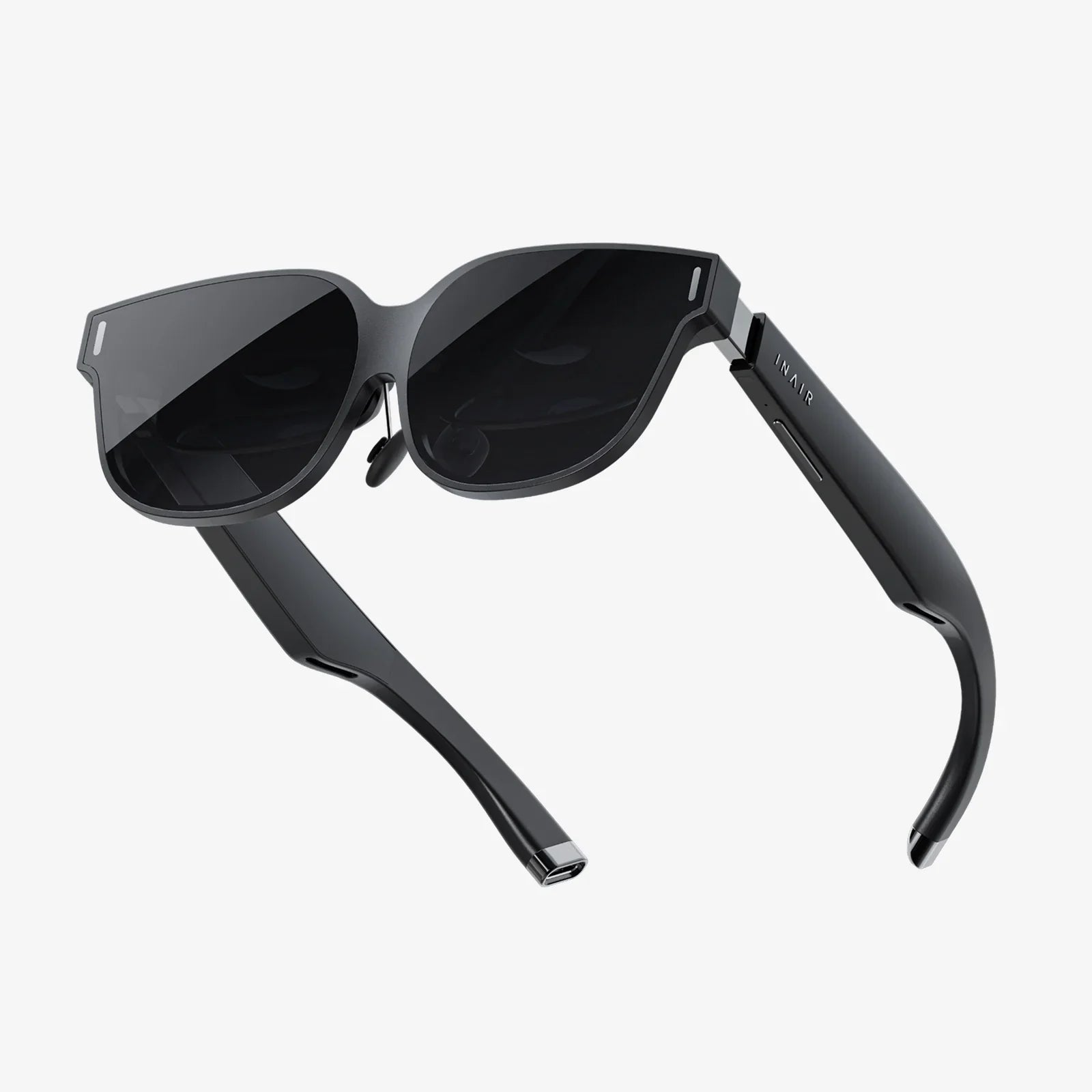
While still emerging as a mainstream consumer product, AR glasses and VR headsets represent the future of contextual computing. AR overlays digital information onto the physical world—think navigation arrows on the street or recipe instructions floating beside your mixing bowl. VR offers complete immersion for gaming, virtual travel, and professional training simulations. As these devices become lighter, more powerful, and more affordable, they are poised to become the next major platform for the most popular wearable technology, potentially replacing screens altogether.
Navigating the Challenges: The Flip Side of Connectivity
This rapid adoption is not without its significant challenges and criticisms.
-
Data Privacy and Security: Wearables collect a staggering amount of intimate personal and health data. Where is this data stored? Who has access to it? How is it being used? There are valid concerns about this information being sold to third parties, used for insurance premium calculations, or falling victim to a security breach. Robust regulation and transparent data policies are critically needed.
-
Battery Life and E-Waste: The constant need to charge devices remains a pain point for users. Furthermore, the rapid innovation cycle leads to older devices being discarded, contributing to the growing global problem of electronic waste. Developing longer-lasting batteries and promoting robust recycling programs are essential for sustainable growth.
-
Accuracy and Medical Validation: While wearables are excellent for providing general wellness trends, their data is not always clinically accurate. Users must be cautious about self-diagnosing based on sensor readings. The industry is working closely with medical communities to validate sensors and algorithms, with some devices now receiving regulatory approval for specific health features, blurring the line between consumer gadget and medical device.
The Horizon of Possibility: What's Next for Wearables?
The future of wearable technology is bending toward even greater integration and intelligence.
-
Non-Invasive Health Monitoring: Research is ongoing into sensors that can non-invasively monitor blood glucose levels, blood pressure, and even detect early signs of illness through biomarkers in sweat or tears. This could revolutionize preventative medicine, moving from reactive care to continuous, proactive health management.
-
Brain-Computer Interfaces (BCIs): Companies are developing wearables that can interpret neural signals. The potential applications range from controlling devices with your thoughts to helping restore function for people with paralysis or neurological conditions. This represents the ultimate frontier in wearable tech: a direct link between the human brain and the digital world.
-
True Ambient Computing: The ultimate goal is for technology to fade into the background. A future where a constellation of wearables—from your glasses to your ring—work in harmony, anticipating your needs and providing information without you ever having to ask, creating a seamless, intuitive digital layer over your physical life.
From a simple step count to a potential glimpse into your long-term health, the journey of wearable technology is a testament to human ingenuity. These devices have successfully migrated from our pockets to our bodies, becoming deeply personal tools that empower, connect, and protect us. They are no longer just about the novelty of technology; they are about enhancing the human experience itself. The data they provide is a mirror, reflecting back not just our physical metrics, but our habits, our rhythms, and our potential. As the line between the physical and digital worlds continues to blur, one thing is certain: the most popular wearable technology is just getting started, and its next chapter promises to be even more transformative, weaving itself into the very fabric of our existence in ways we are only beginning to imagine.