


Imagine a world where your watch not only tells time but also saves it, where your clothing can monitor your vitals, and your headphones can translate languages in real-time. This isn't a glimpse into a distant sci-fi future; it's the reality of today, powered by the relentless innovation behind the most popular wearables. These devices have seamlessly woven themselves into the fabric of our daily lives, transforming from niche gadgets for tech enthusiasts into indispensable tools for health, connectivity, and convenience. The journey from a simple step counter to a sophisticated health guardian on your wrist is a fascinating tale of technology's quest to understand and enhance the human experience. Dive in to discover how these tiny titans of tech are redefining our relationship with our own bodies and the world around us.
The Evolutionary Leap: From Pedometers to Powerhouses
The story of modern wearables begins humbly. For decades, the pedometer was the pinnacle of personal fitness tracking—a simple device that counted steps through a mechanical pendulum mechanism. It was useful but offered limited data and no connectivity. The seismic shift began in the late 2000s and early 2010s with the convergence of several key technologies: miniature sensors, ubiquitous Bluetooth connectivity, powerful mobile processors, and long-lasting batteries. This perfect storm enabled the creation of devices that could not only collect data but also process it, display it intuitively, and connect it to a larger digital ecosystem on our smartphones.
The early market leaders were simple clip-on devices focused almost exclusively on activity tracking. They popularized the concept of the "quantified self," empowering users with data about their daily movement. However, the category's true explosion occurred with the arrival of the modern smartwatch. These devices absorbed the functionality of fitness trackers and merged it with smartphone notifications, music control, and app-based computing, all accessible from the wrist. This evolution marked a critical transition: wearables were no longer just for fitness buffs; they became mainstream consumer electronics, appealing to anyone seeking greater convenience and insight into their daily habits.
Deconstructing the Dominant Categories
The term "wearables" encompasses a broad spectrum of devices, but a few categories have risen to the top, capturing the lion's share of consumer attention and market revenue.
1. Fitness and Activity Trackers
Often worn on the wrist, these devices form the foundational layer of the wearable market. Their primary purpose is to monitor physical activity and basic health metrics. They are characterized by their simplicity, long battery life (often exceeding a week), and focused feature set.
- Core Functions: Step counting, distance traveled, calories burned, and sleep tracking are standard. Many now include continuous heart rate monitoring, which allows for more accurate calorie burn estimates and basic heart health insights.
- Appeal: Their popularity stems from their affordability, ease of use, and specific focus. For users whose primary goal is to become more active and understand their sleep patterns, these devices offer tremendous value without the complexity or cost of a full smartwatch.
2. Smartwatches
Smartwatches represent the most popular and versatile category. They are essentially wrist-worn computers that serve as an extension of a user's smartphone. Their functionality is vast and continues to expand with each generation.
- Core Functions: Beyond all the features of a fitness tracker, smartwatches deliver smartphone notifications (calls, texts, emails, app alerts), allow for call and message handling (especially on cellular models), support third-party applications, store and play music, and facilitate contactless payments. High-end models now include advanced health sensors like electrocardiogram (ECG) apps for detecting atrial fibrillation and blood oxygen saturation (SpO2) monitoring.
- Appeal: The smartwatch is the ultimate all-in-one device. It satisfies the desire for health and fitness tracking while drastically reducing the need to constantly check one's phone, thus offering a unique blend of connectivity and convenience.
3. Hearables (True Wireless Earbuds)
While not always the first product that comes to mind, hearables have become one of the most dominant and rapidly growing wearable categories. Modern hearables are far more than simple audio playback devices; they are packed with sensors and intelligence.
- Core Functions: High-quality audio playback and hands-free calling are a given. Advanced features now include active noise cancellation (ANC) for immersive listening, transparency modes to hear your surroundings, integrated voice assistants, and, crucially, health features like integrated heart rate monitoring and fitness tracking. Some are even exploring features like real-time language translation.
- Appeal: Their success is built on the elimination of wires, providing unparalleled freedom and convenience. The addition of smart features and health tracking transforms them from an accessory into a powerful wearable computer for your ears.
4. Emerging and Niche Categories
Beyond the big three, other categories are gaining traction and point to the future of the industry.
- Smart Clothing: This involves integrating sensors directly into garments like shirts, socks, and sports bras. This allows for biometric monitoring from more places on the body than the wrist, potentially capturing more accurate data on muscle activity, running form, and core body temperature.
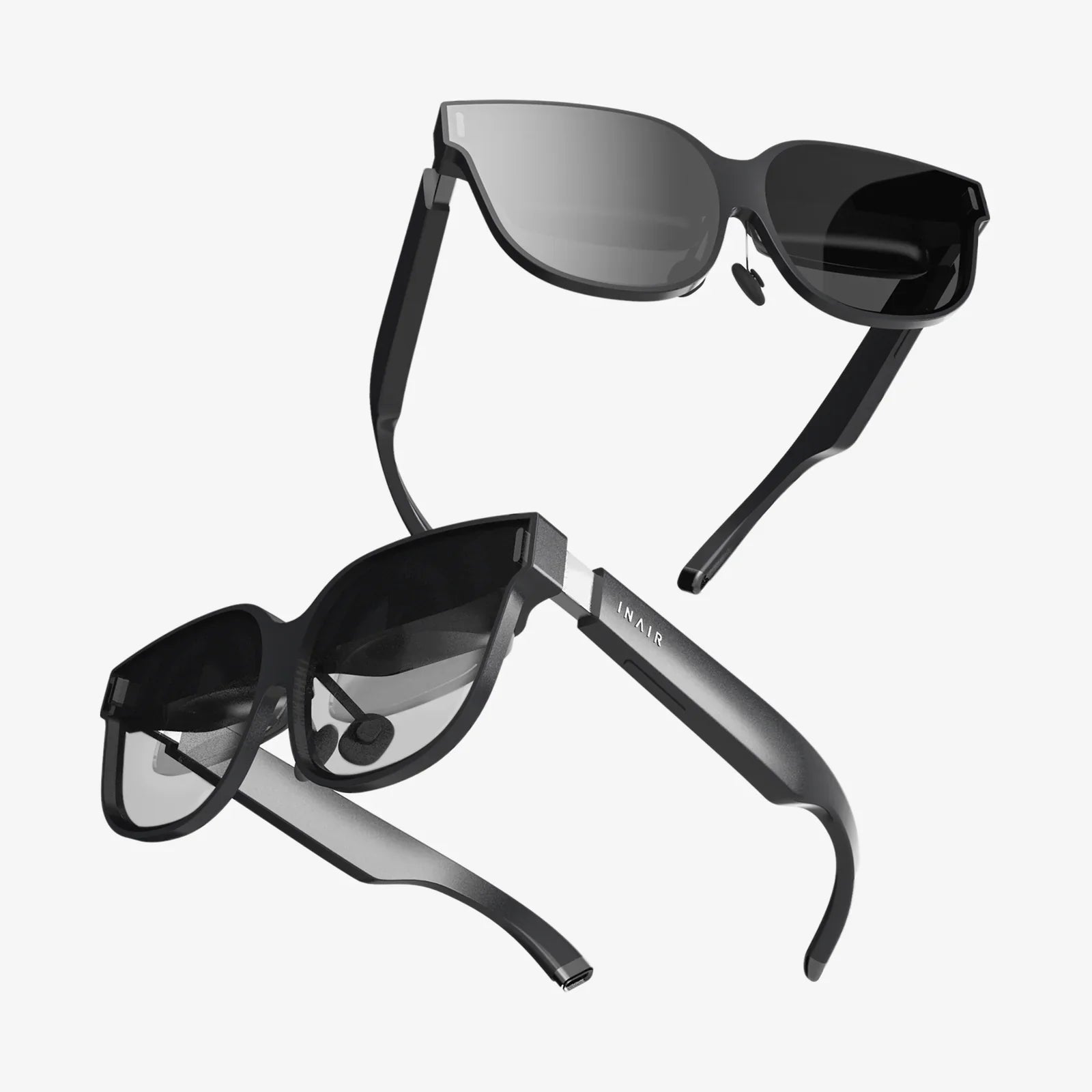
- Smart Eyewear: While early attempts struggled, new iterations focused on audio and limited augmented reality (AR) displays are finding a market. They offer a way to receive information and audio without anything on your wrists or in your ears.
- Specialized Medical Devices: Regulated by health authorities, these wearables are prescribed for continuous monitoring of specific conditions, such as continuous glucose monitors (CGMs) for diabetics. Their accuracy and reliability are setting a high bar for consumer health tech.
The Engine Room: Key Technologies Driving Adoption
The popularity of these devices is inextricably linked to the sophisticated technologies working silently under the hood.
Sensor Fusion: The magic of a wearable doesn't come from a single sensor but from the fusion of data from multiple sources. An accelerometer tracks movement, a gyroscope determines orientation, a optical heart rate sensor monitors pulse, and a GPS chip calculates location. By combining these data streams with powerful algorithms, the device can accurately distinguish between a run, a bike ride, and swimming, providing rich, contextual insights.
Advanced Biometric Sensors: The inclusion of ECG and SpO2 sensors has been a game-changer, moving wearables from "nice-to-have" fitness gadgets to potential life-saving devices. The ability to take a medical-grade ECG from your wrist or screen for potential sleep apnea through blood oxygen levels provides profound peace of mind and actionable health data.
Machine Learning and AI: Raw data is useless without interpretation. Machine learning algorithms are the brains of the operation. They learn a user's baselines—their normal resting heart rate, sleep patterns, activity levels—and can then detect anomalies. They provide personalized coaching insights, such as suggesting a recovery day after a strenuous workout or nudging you to move after a period of inactivity.
Connectivity and Ecosystem Integration: A wearable's value is multiplied by its connection to a smartphone app and a broader health platform. This allows for long-term trend analysis, sharing data with healthcare providers, and connecting with other apps and services to create a holistic view of one's wellness.
Beyond the Hype: The Societal Impact
The rise of wearables is more than a tech trend; it's a cultural shift with significant implications.
The Quantified Self Movement: Wearables have democratized self-tracking. Millions of people now have access to data about their bodies that was once available only in a lab or doctor's office. This has fostered a more proactive approach to health, empowering individuals to make informed decisions about their lifestyle based on empirical evidence rather than guesswork.
Revolutionizing Healthcare: The potential for remote patient monitoring is staggering. Instead of a single blood pressure reading taken annually at a clinic, doctors could receive continuous, weeks-long data from a patient's wearable, leading to earlier diagnosis and more personalized treatment plans. This can improve outcomes for chronic conditions and reduce the burden on healthcare systems.
The Double-Edged Sword of Data: This new era comes with critical questions about privacy and security. The data collected by wearables is incredibly intimate—a detailed digital diary of your body, location, and habits. Who owns this data? How is it being used? Could it be sold to insurers or employers? Robust data protection laws and transparent corporate policies are essential to maintain consumer trust.
Navigating the Challenges and Considerations
Despite their popularity, wearables are not without their critics and challenges.
Accuracy and Reliability: While sensor technology has improved dramatically, wrist-based readings can still be prone to error compared to clinical equipment. Optical heart rate sensors can struggle during high-intensity interval training, and sleep staging is an estimate, not a perfect science. Users must understand that these are wellness tools, not certified medical devices (unless explicitly stated otherwise).
Battery Life Anxiety: The more features a device has, the more power it consumes. While fitness trackers can last for days, full-featured smartwatches often require daily charging. This remains a significant friction point for users and an area of intense focus for engineers.
Digital Wellbeing and Addiction: The constant stream of notifications and the gamification of health goals can lead to increased screen time and anxiety. The very device meant to improve your health can sometimes become a source of stress. This has led to a counter-movement focusing on digital minimalism and the conscious use of technology.
The Future on the Horizon: What's Next?
The trajectory of wearables points toward even deeper integration into our lives. We are moving from general wellness to personalized, predictive health. Future devices may non-invasively monitor blood pressure, blood glucose, and alcohol levels. They will likely become less obtrusive, evolving towards thinner materials, better battery technology, and even direct skin interfaces or smart patches.
The ultimate goal is a seamless, ambient-computing experience where the technology fades into the background, providing insights and assistance only when needed, without requiring conscious interaction. The wearable will act as a digital guardian angel, silently watching over your health and seamlessly connecting you to your digital world.
The most popular wearables of today are merely the opening chapter of a much larger story. They have successfully cracked the code on the wrist and the ear, but the next frontier is the seamless integration of technology into the very clothes we wear and the environment we inhabit. The data they provide is a powerful mirror, reflecting back not just our steps or heartbeats, but our habits, our rhythms, and our potential. The question is no longer if you will wear technology, but how you will use the profound insights it offers to craft a healthier, more connected, and more informed life. The power is quite literally at your fingertips.
Share:
What to Check When Buying VR Headset: The Ultimate Pre-Purchase Guide
AR Range: The Invisible Spectrum Reshaping Our Digital and Physical Worlds