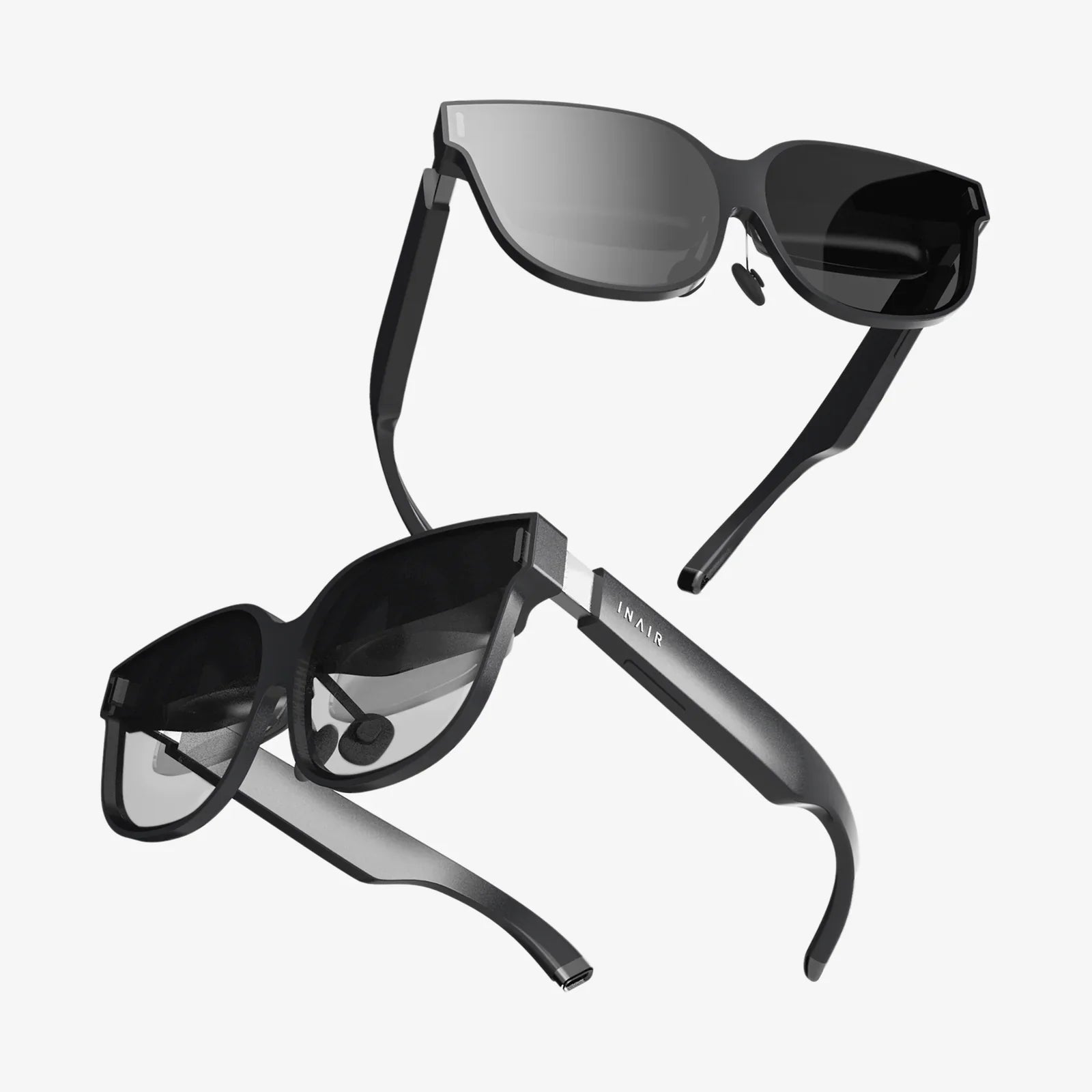
Imagine a world where you can climb Mount Everest, walk on Mars, or sit front row at a legendary concert, all from your living room—not as a grainy spectator, but as a visceral, breathless participant. This is the tantalizing promise of the most realistic virtual reality experience, a technological frontier that is rapidly evolving from a sci-fi fantasy into a tangible, awe-inspiring reality. The pursuit is no longer just about what we can see, but what we can feel, believe, and ultimately, forget is not real.
The Pillars of Presence: Building a Believable World
The foundation of any truly immersive virtual reality experience rests on a delicate interplay of several core technological pillars. When these elements converge seamlessly, they create the illusion of reality, a state often referred to as "presence."
Visual Fidelity: The Window to Another Universe
The human eye is a remarkably discerning organ, instantly detecting imperfections in lighting, texture, and motion. Early virtual reality was plagued by the "screen door effect," where users could see the faint grid of pixels between them and the digital world, instantly shattering the illusion. Today, the quest for hyper-realism is being won with staggering resolutions. High-density displays packed with pixels per inch (PPI) are making this grid vanish. But resolution is just the start.
Advanced rendering techniques like foveated rendering, which uses eye-tracking to dedicate maximum processing power only to the exact spot the user is looking at, allow for incredibly detailed graphics without overburdening the hardware. Furthermore, high dynamic range (HDR) lighting replicates the vast spectrum of brightness we see in the real world, from the deep shadows of a forest to the brilliant glare of the sun on water. This attention to the nuances of light—how it bounces, reflects, and scatters—is what makes a virtual scene feel tangible and solid, rather than flat and cartoonish.
Auditory Immersion: The 3D Soundscape
Close your eyes in a forest, and you can still pinpoint the location of a bird singing or a stream trickling. Sound is a critical, and often underestimated, component of the most realistic virtual reality experience. Binaural audio and advanced spatial sound algorithms are used to create a full 3D auditory environment. This means sounds don't just come from "left" or "right"; they can come from above, behind, or even at a specific distance.
The creak of a floorboard directly behind you in a horror experience will trigger a primal fear response. The subtle echo of your footsteps in a vast cathedral adds to the sense of scale and space. This accurate audio cueing is essential for selling the reality of the world. It guides attention, provides subconscious information about the environment, and completes the sensory picture, making the visual elements feel more authentic and grounded.
The Haptic Frontier: The Language of Touch
We understand our physical world largely through touch. The grain of wood, the chill of metal, the resistance of a spring—these tactile sensations are fundamental to interaction. This is why haptic technology is arguably the most exciting frontier in the pursuit of realism. It moves beyond simple controller rumble to sophisticated feedback systems.
Advanced controllers now feature adaptive triggers that can simulate the tension of drawing a bowstring or the kickback of a tool. Haptic suits, vests, and gloves are entering the market, equipped with arrays of precise actuators that can map sensations onto the body. Imagine feeling the light patter of virtual rain on your shoulders, the thump of a dragon's wingbeat as it flies overhead, or the distinct texture of different virtual materials under your fingertips. This direct physical feedback is a monumental leap towards tricking the brain into accepting a digital event as a physical one.
The Human Factor: Psychology and Physiology of Presence
Technology alone cannot create the most realistic virtual reality experience. It must be meticulously crafted to align with, and exploit, the intricacies of human perception and biology.
Latency: The Invisible Deal-Breaker
Latency is the delay between a user's action and the system's response. In the real world, this delay is virtually zero. If you turn your head, the world moves instantly with you. In VR, even a delay of 20 milliseconds between your head movement and the update of the image can cause disorientation, eye strain, and the dreaded simulator sickness—a cousin of motion sickness. The goal for achieving true presence is to push motion-to-photon latency (the time from moving your head to a new image appearing) below the 20ms threshold. This requires incredibly powerful processors and optimized software pipelines to ensure the virtual world feels locked in place, responsive, and solid.
Avatar Embodiment: The Virtual Self
Realism isn't just about the environment; it's also about you. How are you represented in this world? Early avatars were often floating hands, a pragmatic but limited solution. The most realistic experiences strive for full-body avatar embodiment, tracked in real-time. Through a combination of predictive algorithms and additional body trackers, users can see a virtual body that moves exactly as they do.
The psychological impact of this is profound. Studies have shown that when a virtual body is convincingly mapped to your own, your brain begins to accept it as your own. This is the Proteus Effect in action: your behavior and attitudes can subconsciously shift to align with your avatar's appearance. This sense of "self" within the virtual space is a critical component of social VR and is crucial for experiences that involve interaction with other users or virtual characters.
Biometric Integration: The Responsive World
The next evolution of realism is a world that responds to you not just through your explicit actions, but through your subconscious state. Emerging technologies are integrating eye-tracking, galvanic skin response (GSR) sensors to measure arousal, and electroencephalography (EEG) to read brainwave patterns.
Imagine a horror game where the monster knows when you've closed your eyes in fear and creeps closer. Or a meditation app that adjusts the serene environment based on your measured stress levels. This bi-directional loop—where the system reads your physiological state and adapts the experience in real-time—creates a deeply personalized and unnervingly responsive form of realism, making the virtual world feel alive and aware.
Beyond Entertainment: The Real-World Impact of Virtual Realism
While gaming is a primary driver, the implications of highly realistic VR extend far beyond entertainment, revolutionizing fields that rely on practice, visualization, and empathy.
Revolutionizing Training and Simulation
In high-stakes professions, mistakes in training are preferable to mistakes in the field. The most realistic virtual reality experiences are creating safe, cost-effective, and incredibly accurate training grounds. Surgeons can practice complex procedures on virtual anatomy that bleeds and responds with realistic tissue physics. Pilots can train for emergency scenarios in a perfect digital replica of a cockpit. Police officers and soldiers can de-escalate tense situations in hyper-realistic urban environments. The fidelity of these simulations allows for the development of not just knowledge, but "muscle memory" and instinct, all without any real-world risk.
Architectural Design and Remote Collaboration
Architects and designers are using realistic VR to walk clients through unbuilt structures at a 1:1 scale. You can truly feel the spaciousness of a living room, check the sightlines from a window, or identify potential design flaws before a single brick is laid. This transforms abstract blueprints into an experiential understanding. Furthermore, remote collaboration is elevated to a new level. Instead of a flat video call, colleagues from across the globe can meet as lifelike avatars in a shared virtual workspace, interacting with 3D models and data as if they were physical objects in the same room.
Therapeutic Applications and Empathy Machines
VR's power to induce presence is being harnessed for profound therapeutic good. It's used in exposure therapy, helping patients with phobias like fear of heights or flying to confront their anxieties in gradual, controlled, and safe virtual environments. It's also a powerful tool for pain management, distracting the brain's neural pathways during painful medical procedures.
Perhaps most powerfully, VR has been dubbed an "empathy machine." Journalists and documentarians are creating immersive experiences that allow people to "walk a mile" in someone else's shoes—whether it's a refugee in a camp, a person experiencing homelessness, or a patient with a neurological condition. This embodied perspective can foster a deeper, more visceral understanding than any article or video ever could.
The Future Horizon and Ethical Considerations
The journey towards the ultimate realistic virtual reality experience is far from over. The horizon holds even more transformative technologies. Neural interfaces, which aim to read signals directly from the brain and bypass traditional input devices, could one day allow us to control virtual worlds with our thoughts and experience sensations directly engineered by the system. The potential for true sensory replication—like feeling a virtual breeze or tasting virtual food—remains a long-term goal.
However, this incredible power comes with significant ethical questions. As the line between the virtual and the real blurs, we must grapple with issues of data privacy, especially concerning biometric information. The potential for hyper-realistic misinformation or "deepfake" virtual scenarios is a serious concern. Furthermore, the psychological effects of prolonged immersion in a perfect, controllable world could have impacts on our relationship with the often-messy physical reality. Establishing clear ethical guidelines and "reality hygiene" practices will be essential as this technology continues to mature and integrate into our lives.
The door to other worlds is creaking open, not through a magic portal, but through a headset. The most realistic virtual reality experience is no longer a distant dream; it's a rapidly accelerating reality that challenges our very definitions of experience, connection, and self. The question is no longer if we can create these worlds, but how we will choose to live within them, and what parts of ourselves we decide to bring along for the journey.