


- by wangfred
Most Searched Digital Products 2025: The Tech That Will Define Our Future
- by wangfred
Imagine a world where your environment anticipates your needs, your clothing monitors your health, and digital information is seamlessly woven into your physical reality. This isn't a distant sci-fi fantasy; it's the palpable future being built today, and the digital products at the forefront of everyone's search queries in 2025 are the keys to unlocking it. The collective curiosity of the global populace is a powerful indicator of where technology is headed, revealing not just a desire for new gadgets, but a profound shift in how we intend to live, work, and connect. The most searched digital products of 2025 are a fascinating map to this new human experience, pointing towards a convergence of intelligence, immersion, and intuitive design that promises to redefine our daily lives.
The trajectory of personal technology has long been moving towards greater integration and less intrusion. We evolved from towering desktop computers to sleek laptops, then to phones we carry in our pockets. The next logical step, and a dominant theme in 2025 searches, is technology that fades into the background of our lives—a concept known as ambient computing. This isn't about a single product, but an ecosystem of interconnected, intelligent devices that work in concert without requiring our constant attention.
Search trends show a massive surge in interest for smart home ecosystems that go beyond simple voice commands for playing music or setting timers. Consumers are looking for systems that learn routines, automate complex tasks, and manage energy consumption with ruthless efficiency. Imagine a home that adjusts lighting and temperature not just based on the time of day, but on your detected mood, the weather outside, and who is in the room. This requires a sophisticated network of sensors, AI-powered hubs, and adaptive appliances, all working silently in the background. The most searched-for products in this category are the central brains of these operations—advanced hubs with more contextual awareness and predictive capabilities than ever before.
This shift signifies a broader change in our relationship with technology. We are moving away from being active operators of devices and towards being beneficiaries of a continuous, intelligent service. The technology ceases to be a destination (like a smartphone screen) and becomes more like electricity—an invisible, indispensable utility that powers our experiences.
While smartwatches and fitness trackers have become mainstream, 2025 search data indicates a massive leap towards a new generation of AI-native wearables. The wrist is just the beginning. Searches are exploding for devices like advanced smart rings, AI-powered smart glasses with discrete displays, and even sensor-laden clothing. These products are being searched not as mere accessories, but as indispensable health and lifestyle companions.
The driving force behind this trend is a growing societal focus on proactive and personalized health. People aren't just searching for devices that count steps; they are searching for products that offer deep, continuous health monitoring. This includes non-invasive blood glucose monitoring for diabetics and biohackers alike, advanced sleep staging with actionable insights, continuous blood pressure measurement, and even early detection of potential atrial fibrillation. The processing power required to make sense of this constant stream of biometric data is immense, which is why these wearables are being powered by sophisticated on-device AI chips. They analyze data in real-time, providing immediate feedback and alerts without needing to constantly sync with a phone or cloud server, addressing critical privacy and latency concerns.
Furthermore, these wearables are becoming central to personal AI assistants. Instead of pulling a phone out of your pocket, the concept is to interact with an AI through a discreet ear-piece or a pair of glasses, getting information, translations, and reminders overlayed onto your reality. This hands-free, eyes-up paradigm is a major search category, pointing to a future where digital assistance is always available yet never obtrusive.
The terms AR and VR have been around for years, but search patterns in 2025 reveal a consumer base that is finally seeing the practical path forward. The hype cycle has cooled, and searches are now focused on specific, tangible applications rather than nebulous promises. The quest is for hardware that is socially acceptable, comfortable for extended use, and provides genuinely useful functionality.
In the VR space, searches are dominated by the idea of the "metaverse for work." With remote and hybrid work models now permanent, there is a huge demand for immersive collaboration tools. People are searching for VR headsets that are lighter, wireless, and have high-resolution pass-through cameras, allowing for seamless blending of virtual meetings with physical desk setups. The focus is on productivity—virtual whiteboards, 3D model prototyping, and spatial computing interfaces that make complex data tangible. This is a far cry from the early days of VR, which were primarily focused on gaming.
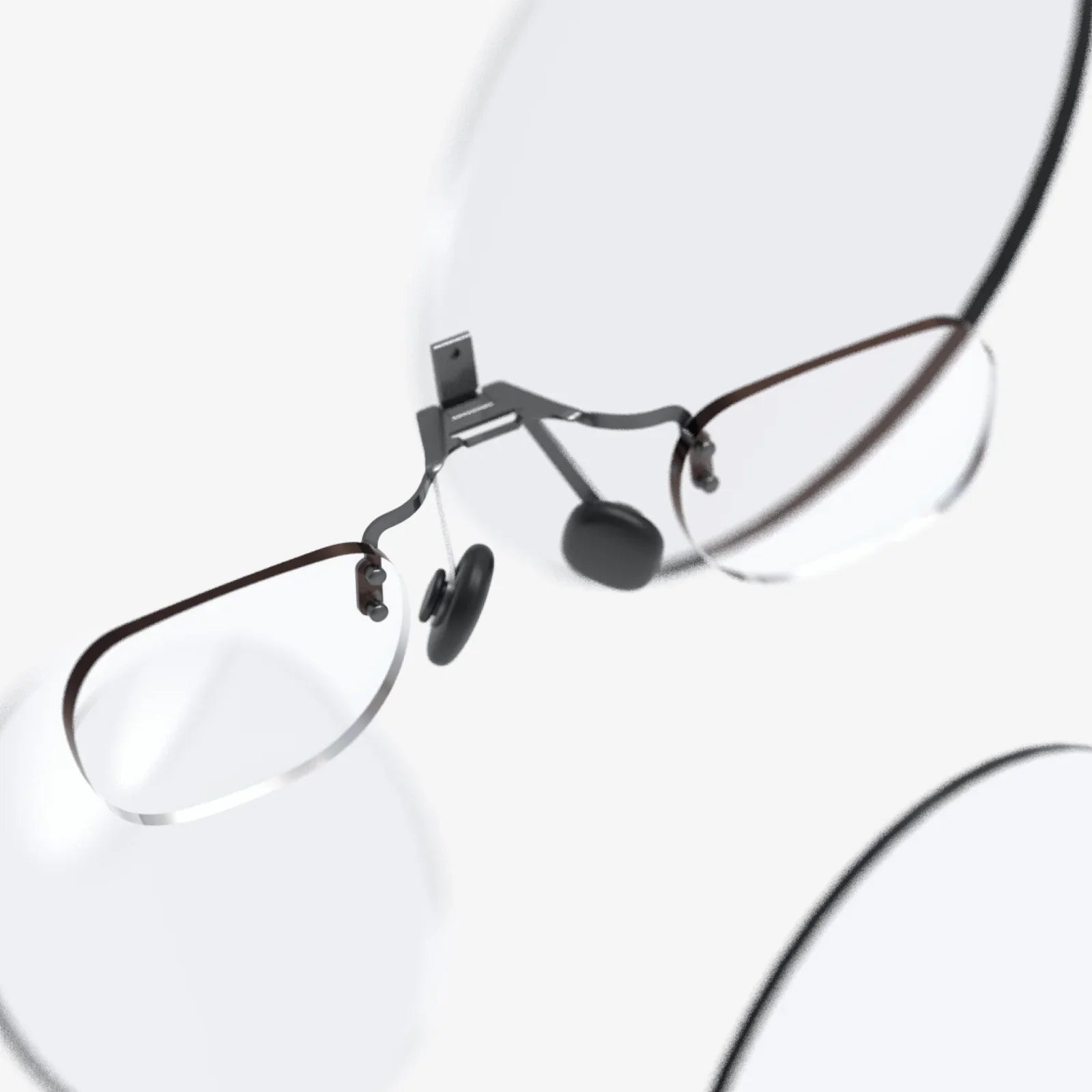
For AR, the searches are skewing towards sleek, glasses-like form factors. The bulky, geeky prototypes of the past have given way to searches for products that look like ordinary eyewear. The applications being searched are incredibly practical: step-by-step instructions overlayed for a DIY repair, navigation arrows painted onto the street in front of you, or the name and professional background of a colleague appearing next to them as you walk into a conference room. The most searched-for AR products in 2025 are those that promise to augment reality in a way that feels magical and effortless, effectively becoming a permanent layer of useful information on top of the world.
Perhaps the most futuristic and rapidly growing search category is that of non-invasive neural interfaces. While still in its relative infancy for consumer markets, search volume for technology that can interpret brain signals or electrical muscle activity has seen a hockey-stick growth curve. This represents the ultimate dream of human-computer interaction: controlling technology with thought alone.
\nCurrent searches are focused on two main areas. The first is health and wellness: devices that use EEG (electroencephalography) to help with meditation, focus, and sleep by providing real-time feedback on brainwave states. The second is control: EMG (electromyography) bands worn on the arm that can detect subtle hand and finger gestures, allowing for control of computers, phones, or AR interfaces with effortless flicks of the wrist. This technology promises a future where our phones can stay in our pockets, and our desktops are devoid of keyboards and mice.
The long-term searches, however, hint at even more profound applications. People are curious about communication directly from brain to computer, which could revolutionize accessibility for those with paralysis or locked-in syndrome. While true brain-reading devices are still a way off, the intense search interest shows a public that is psychologically preparing for and eagerly anticipating the next monumental leap in how we interact with the digital realm.
A crucial and defining trend woven throughout all 2025 search data is sustainability. It is no longer a niche concern but a primary filter through which consumers evaluate all digital products. Searches are no longer just about specs and features; they are increasingly paired with terms like "repairability," " recycled materials," "energy efficiency," and "product longevity."
This has given rise to a new category of sought-after products: modular devices. Consumers are actively searching for smartphones, laptops, and headphones designed to be easily disassembled. They want user-replaceable batteries, upgradeable memory modules, and readily available spare parts. This shift challenges the traditional model of planned obsolescence and signifies a more mature, environmentally conscious market. People are searching for technology that they can invest in for the long term, reducing e-waste and aligning their purchases with their values. This trend is forcing manufacturers to innovate not just in software and silicon, but in fundamental product design and supply chain ethics.
The most searched-for digital products of 2025 are a clear reflection of this ethos. The most exciting and coveted gadgets will be those that not only boast cutting-edge performance but also demonstrate a genuine commitment to environmental responsibility, proving that high tech and high ethics are not mutually exclusive.
The collective search for the next wave of digital products reveals a world straining at the leash of current technological limitations, eager for a more intuitive, immersive, and intelligent future. This isn't about owning a slightly faster phone or a thinner laptop; it's about fundamentally rearchitecting the interface between humanity and the digital universe. The most sought-after gadgets of 2025 are the first concrete steps into that new world—a world where technology doesn't demand our attention but quietly empowers our lives, making us healthier, more productive, and more connected to reality, even as we augment it. The future being searched for is one where the technology itself fades away, leaving only the magic it enables.