


Imagine a world where your watch not only tells time but tells you about your life—a silent partner on your wrist, nudging you towards better health, warning you of potential dangers, and seamlessly connecting you to the digital pulse of the planet. This is no longer the realm of science fiction; it is the present reality, powered by the relentless innovation behind the move wearable device. The journey from a simple pedometer to a holistic health guardian is a story of technological ambition, and it’s a story that is fundamentally changing how we interact with our own bodies.
The Genesis: From Simple Steps to a Connected Future
The concept of a device that tracks movement is surprisingly ancient, but the modern era began with a singular focus: counting steps. Early move wearable devices were rudimentary, often little more than mechanical counters clipped to a belt. Their function was simple, their data isolated. The true revolution began with the convergence of several key technologies. The miniaturization of sensors, the development of low-power Bluetooth connectivity, and the ubiquity of the smartphone created the perfect storm.
Suddenly, a move wearable device could do more than just count; it could analyze, transmit, and contextualize. An accelerometer tracked motion in three dimensions, a gyroscope understood orientation, and a heart rate monitor added a vital physiological layer. This data was no longer a dead-end number; it was a stream of information flowing to a powerful processor in your pocket or on the cloud, ready to be transformed into actionable insights. The wrist, a location both personal and accessible, emerged as the ideal home for this new class of technology.
Beyond the Wrist: The Expanding Ecosystem of Wearables
While the wristwatch form factor dominates the market, the definition of a move wearable device has expanded dramatically. The core function of tracking movement and health metrics has found its way into a plethora of form factors, each designed for a specific purpose and lifestyle.
- Smart Rings: Sleek, discreet, and worn 24/7, these devices offer continuous health monitoring, including sleep tracking, heart rate, and body temperature, with minimal bulk.
- Smart Clothing: Fabrics are now woven with conductive threads and sensors, turning a compression shirt or a pair of socks into a full-body motion capture system, popular among elite athletes for biomechanical analysis.
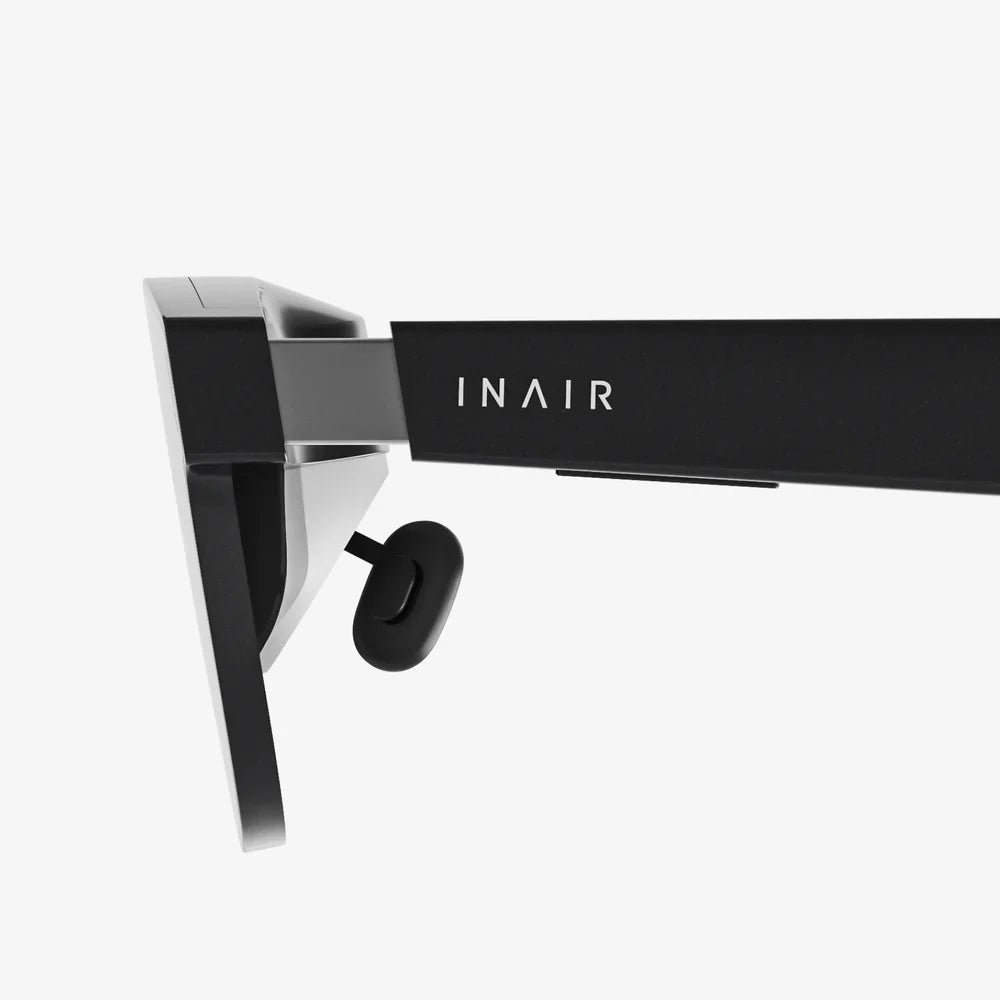
- Smart Eyewear: While often associated with augmented reality displays, some smart glasses now include sensors for activity tracking and head movement, integrating fitness data into the user's field of view.
- Hearables: Advanced earbuds now pack accelerometers to track movement and can even use internal microphones to analyze heart rate through sonar-like technology.
This diversification signifies a move towards more integrated and invisible monitoring. The goal is no longer to wear a computer but to have computing seamlessly embedded into the items we already wear, making health tracking a constant, effortless background process.
The Engine Room: The Powerful Sensors Driving Movement Analysis
The magic of a modern move wearable device lies in its sensor suite. It’s a sophisticated orchestra of hardware, each instrument playing a crucial part in painting a complete picture of your activity.
- Accelerometer: The workhorse sensor. It measures acceleration forces, detecting movement, speed, and direction. It’s primarily responsible for counting steps and identifying basic activity types like walking, running, or stillness.
- Gyroscope: This sensor measures orientation and rotational velocity. It helps the device understand the precise angle of your movement, distinguishing between a forward run and lateral shuffles, or measuring the number of reps during weight training.
- Optical Heart Rate Monitor: Using a method called photoplethysmography (PPG), it shines green light onto the skin and measures the light absorption by blood flow. This provides continuous heart rate data, a cornerstone for calculating calorie burn, workout intensity, and overall cardiovascular health.
- Global Positioning System (GPS): GPS modules connect to satellites to track distance, pace, and elevation with high accuracy outdoors. This is essential for runners, cyclists, and hikers to map their routes and measure performance.
- Altimeter: Measures altitude or elevation changes, counting floors climbed and providing data for activities like hiking or skiing.
The real intelligence, however, is in the sensor fusion algorithms. Raw data from all these sources is combined, cross-referenced, and filtered by sophisticated software to produce the clean, accurate metrics users see on their apps. This software is what turns jiggles into steps, light patterns into heartbeats, and satellite signals into a personal best on a 5K run.
From Data to Wisdom: How Wearables Are Shaping Our Health
The true value of a move wearable device is not in the data it collects, but in the meaning it extracts. This transformation occurs on several levels, creating a feedback loop that empowers users like never before.
Fitness and Performance: For the fitness enthusiast, these devices are a digital personal trainer. They provide real-time stats during a workout, track progress over time, and can automatically recognize and record different activities. They gamify fitness through goals, badges, and social sharing, providing powerful motivation. For athletes, advanced metrics like VO2 Max estimates, recovery time advice, and training load analysis help optimize performance and prevent injury.
Preventative Health and Longevity: This is perhaps the most profound impact. By monitoring trends over time, wearables are shifting healthcare from a reactive model to a proactive one. They can identify anomalies in resting heart rate or heart rate variability—potential early signs of illness, overtraining, or stress. Sophisticated sleep tracking analyzes sleep stages, helping users understand and improve their sleep hygiene, a critical component of long-term health. Some devices now even include ECG apps to detect signs of atrial fibrillation and blood oxygen sensors for broader wellness insights.
Mental Wellbeing: Recognizing the deep connection between physical and mental health, many platforms now incorporate stress tracking using heart rate data and other metrics. They offer guided breathing sessions and mindfulness exercises directly from the wrist, providing tools to manage daily anxiety in the moment.
Navigating the Challenges: Privacy, Accuracy, and User Reliance
Despite the incredible benefits, the rise of the move wearable device is not without its significant challenges.
The Data Privacy Dilemma: These devices collect a deeply intimate portrait of your life: where you go, how you sleep, your physiological patterns. This data is incredibly valuable, not just to you, but to insurers, employers, and marketers. The industry faces ongoing scrutiny over how this data is stored, who owns it, and how it is used. Robust encryption, transparent privacy policies, and user-controlled data sharing are paramount to maintaining trust.
The Question of Medical Accuracy: While improving every year, the sensors in consumer wearables are not medical-grade devices. Readings can be affected by fit, skin tone, motion, and environmental factors. They are designed for wellness and fitness, not for diagnosis. The danger lies in users self-diagnosing based on device data or, conversely, ignoring real symptoms because their device didn't flag an issue. The key is education—understanding that these are powerful guidance tools, not replacements for professional medical advice.
Avoiding Anxiety and Obsession: For some, constant feedback can lead to "quantified self" anxiety—an unhealthy obsession with the numbers. The pursuit of perfect sleep scores or daily step goals can become a source of stress rather than a motivator for good health. The technology must be used as a guide, not a gospel, encouraging a healthy relationship with data.
The Horizon: The Next Frontier of Wearable Movement Technology
The evolution is far from over. The next generation of move wearable devices is poised to become even more integrated, intelligent, and indispensable. We are moving towards a future of non-invasive continuous health monitoring. Research is underway on sensors that can measure blood glucose, blood pressure, hydration levels, and even detect early signs of infection—all from the wrist.
Artificial intelligence and machine learning will be the key drivers. Instead of just showing data, devices will act as true health partners. AI will learn your personal baselines and nuances, providing hyper-personalized recommendations. It could say, "Based on your elevated resting heart rate and poor sleep last night, I suggest a light walk today instead of your scheduled intense workout."
Furthermore, integration with broader smart home and automotive ecosystems will enhance safety and convenience. Your car could adjust the cabin temperature based on your stress level detected by your ring, or your home security system could alert emergency services if a fall is detected by your watch and you are unresponsive.
The humble move wearable device has already escaped its origins as a simple step counter. It has become a lens through which we view our health, a coach on our wrist, and a guardian for our well-being. As the lines between technology and biology continue to blur, this silent partner is set to become an even more profound part of the human experience, guiding us not just to move more, but to live better.
Share:
Augmented Reality Industry Updates Today: The Future is Now and It's Overlaying Our World
Augmented Reality Industry Updates Today: The Future is Now and It's Overlaying Our World