


- by wangfred
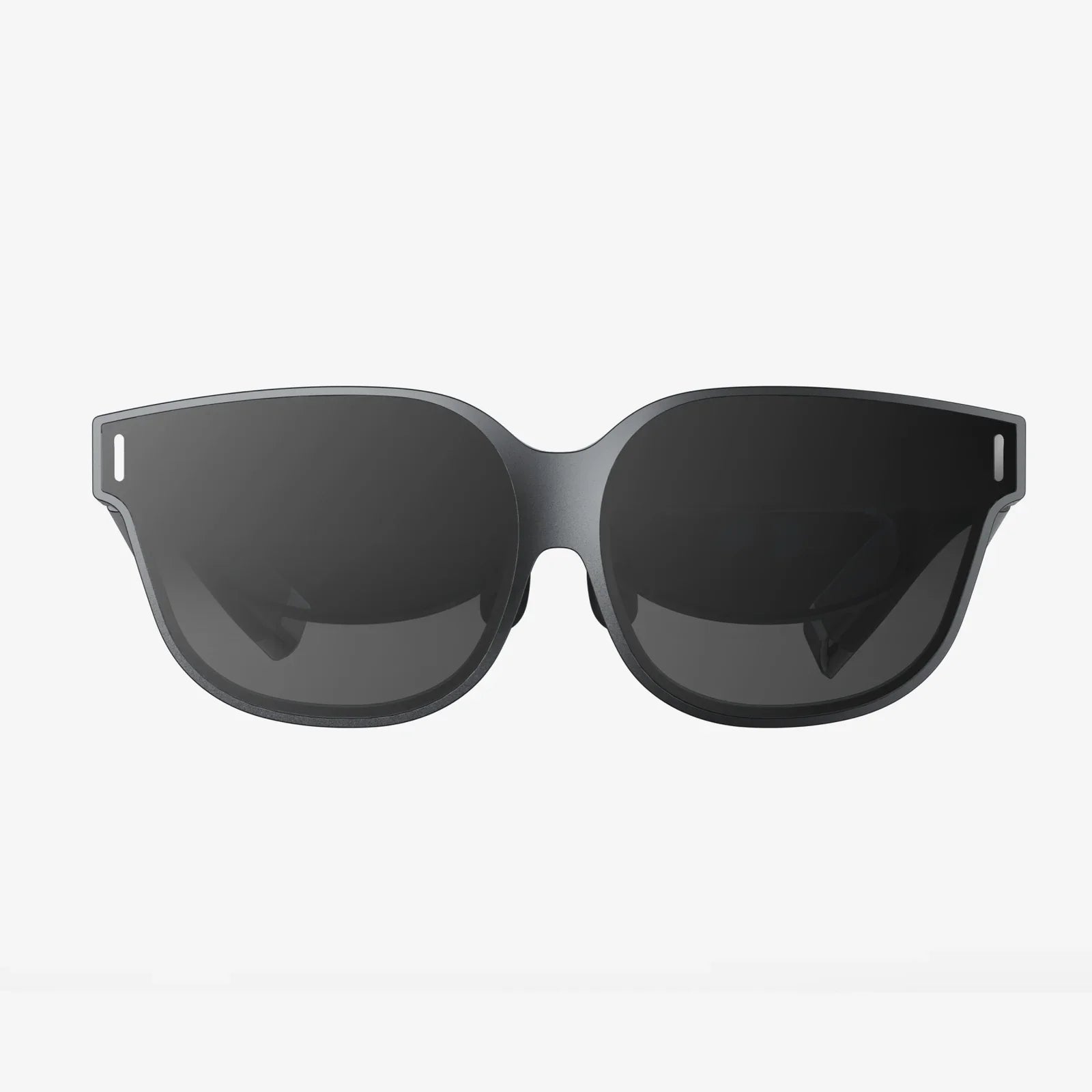
New AR VR Headset: Blurring the Lines Between Digital and Physical Realities
- by wangfred
Remember the first time you saw a smartphone? That profound sense that the world had just changed in your hand? A similar seismic shift is happening right now, not in your palm, but right before your eyes. The latest wave of immersive technology is breaking down the final barriers between our physical existence and the vast, limitless potential of the digital realm. This isn't about clunky prototypes or niche developer kits; this is about a new class of device designed for living, working, and creating in ways we've only ever imagined. The future is putting on a headset, and the view is spectacular.
For decades, our primary interface with technology has been a flat, rectangular pane of glass. We've squinted at pixels, tapped on cold surfaces, and scrolled through endless feeds, all while the rich, three-dimensional world around us was ignored by our devices. The newest headsets challenge this paradigm at its core. They propose a world where computing is spatial, where your entire environment is your canvas, and where digital information doesn't live on a screen but is woven into the fabric of your reality.
This shift from two-dimensional to three-dimensional interaction is as significant as the move from the command line to the graphical user interface. It demands a complete rethinking of user experience (UX) design, application architecture, and even human-computer interaction principles. Developers are no longer designing for a window; they are designing for a world.
Perhaps the single most transformative feature in the latest generation of hardware is high-fidelity, full-color passthrough. Early attempts at blending the real and virtual worlds were often grainy, laggy, and disorienting, creating a jarring experience that constantly reminded you of the technology's limitations. The new standard is a revelation.
By employing advanced, high-resolution sensors and powerful on-board processing, these headsets can now stream the physical world to your eyes with stunning clarity and incredibly low latency. The effect is the closest we've come to true augmented reality—digital objects don't just feel superimposed; they feel present. You can read the text on your physical phone screen through the headset, make eye contact with another person in the room, and perceive digital objects with a convincing sense of depth and solidity. This technological leap is the foundational bedrock that makes all other advancements possible, finally delivering on the sci-fi promise of holograms interacting with our real-world environment.
If passthrough is the gateway, then advanced biometrics are the brain. Sophisticated eye-tracking technology is becoming a standard feature, and its implications are profound. This isn't just a novel input method; it's a fundamental upgrade to how the device understands you.
Delivering these breathtaking experiences requires immense computational power. The latest headsets are marvels of engineering, packing cutting-edge processors, dedicated graphics units, and sophisticated sensor arrays into a wearable form factor. Many are moving toward a hybrid model, offering robust standalone performance for mobility and convenience, with the option to tether to a powerful external computer for the absolute highest-fidelity experiences, such as professional-grade 3D design or hyper-realistic gaming.
This flexibility is key. It means one device can serve as your portable productivity station during the day and your window into graphically intensive virtual worlds at night. Furthermore, improved inside-out tracking means complex external sensor setups are a thing of the past. The headset itself, using its array of cameras, can instantly map your room and track your movements within it with millimeter precision, making setup instantaneous and the experience truly untethered in every sense of the word.
While gaming and entertainment will always be a driving force, the most immediate and impactful applications for this new technology are emerging in enterprise and professional fields. Companies are adopting these headsets not for play, but for profound gains in efficiency, safety, and capability.
This technological leap is not without its hurdles. As with any transformative technology, a new set of challenges arises that society must thoughtfully address.
Privacy and Security: A headset with always-on cameras and microphones, mapping the intimate details of your home and life, represents a unprecedented data collection point. Robust, transparent data policies and on-device processing are paramount to building user trust. The industry must prioritize privacy-by-design to prevent a dystopian future of advertising and surveillance.
Social Acceptance and Accessibility: While the technology is becoming less obtrusive, wearing a headset in public is still a social frontier. Furthermore, the cost, though decreasing, remains a barrier to mass adoption. Ensuring these tools are accessible and designed for a diverse range of people, including those with disabilities, is crucial for avoiding a new digital divide.
The Human Experience: Prolonged use raises questions about effects on eyesight, brain development in children, and our overall psychological relationship with reality. Establishing healthy usage norms and continuing research into long-term effects will be essential as we integrate this technology more deeply into our daily lives.
The new AR VR headset is more than just a gadget; it's a portal. It's a tool for unprecedented creativity, a bridge for deeper human connection across vast distances, and a lens through which we can see and interact with information in its most natural form. The devices available today are the first truly compelling arguments that this future is not only possible but is already arriving. They have moved beyond novelty and into the realm of utility, offering a glimpse of a world where the line between what is real and what is digital is not a barrier, but a beautiful, blurry horizon full of infinite possibility. The next era of human-computer interaction is here, and it’s waiting for you to put it on.
Share:
News About Augmented Reality: The Invisible Revolution Reshaping Our World
Future Scope of Augmented Reality: A New Layer on Our World