


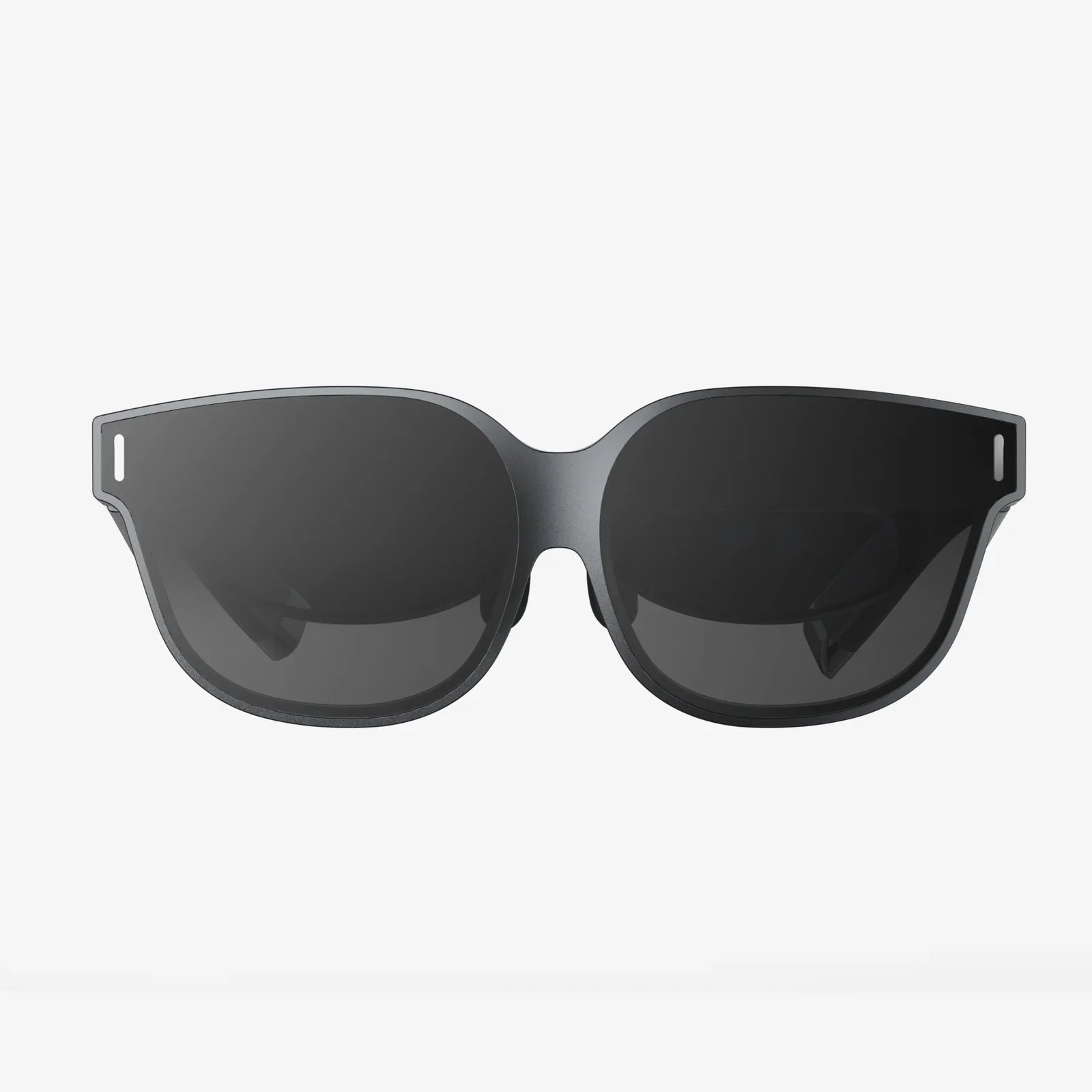
Imagine a device that slips effortlessly into your bag, yet possesses the raw computational power to render a complex 3D animation, compile lines of code, or manage a global enterprise—all while you're sitting in a park, a café, or 30,000 feet in the air. This is no longer the stuff of science fiction. The latest evolution in mobile technology has arrived, and it's shattering every preconceived notion we had about the limits of portable computing. We are standing at the precipice of a new era, where the very concept of an office, a studio, or a classroom is being unbundled and redefined by a new class of machine.
The Architectural Leap: More Than Just Moore's Law
For decades, the progress of portable computers was a predictable march. Processors got a little faster, batteries lasted a bit longer, and screens became slightly sharper. The new portable computer represents a deviation from this incremental path. It’s a confluence of several revolutionary technologies that have each matured at the same time, creating a perfect storm of innovation.
At the heart of this revolution is a radical new chip architecture. Moving beyond traditional designs, these new systems-on-a-chip (SoCs) integrate the central processing unit (CPU), graphics processing unit (GPU), neural processing unit (NPU), and memory into a single, hyper-efficient package. This isn't just about gigahertz and core counts; it's about a holistic redesign for intelligent performance. The NPU, in particular, is a game-changer. It's a dedicated engine for machine learning tasks, handling everything from real-time video background blur and voice isolation to on-device photo enhancement and predictive text, all without draining the battery or relying on a cloud connection.
This architectural shift enables a phenomenon known as adaptive performance. The device intelligently allocates tasks to the most efficient core for the job. Editing a high-resolution video? The high-performance CPU and GPU cores kick in. Transcribing a meeting note? The NPU handles it silently and efficiently. Simply browsing the web or reading a document? The ultra-low-power efficiency cores take over, sipping energy to deliver weeks of standby time. This smart management of resources means the device feels effortlessly powerful when you need it to be and incredibly frugal when you don't.
The Form Factor Revolution: A Canvas for Every Purpose
Gone are the days when a portable computer meant a clamshell laptop. The new portable computer embraces a philosophy of flexibility, recognizing that our digital lives are multifaceted. This has given rise to a spectrum of forms, each optimized for different modes of interaction.
- The Ultra-Converged Laptop: The traditional form factor has been refined to an astonishing degree. We're seeing devices that are impossibly thin and light, yet devoid of the performance compromises that once defined ultra-portables. They boast vibrant, high-resolution displays with adaptive refresh rates that scroll like butter, keyboards with sublime travel, and trackpads that feel like gliding on glass. They are the all-rounders, perfect for the professional who needs one device to do it all.
- The Detachable Hybrid: Blurring the line between tablet and computer, these devices feature a screen that detaches completely from its keyboard base. With a powerful stylus, they become digital notebooks, canvases for artists, and intuitive devices for content consumption. Snap them back onto the keyboard, and they transform into a full-fledged productivity workstation. This is the ultimate expression of the two-in-one concept, finally delivering on its promise without compromise.
- The Portable Desktop Station: Some new models are designed around a hub-and-spoke model. The computer itself is a sleek, powerful tablet or small form-factor unit. When on the go, it's your complete computer. When you arrive at your desk, it docks into a station that provides a single-cable connection to multiple high-resolution monitors, wired networking, storage arrays, and other peripherals. This elegantly solves the age-old problem of docking and undocking, making the transition between mobile and stationary computing utterly seamless.
The Connectivity Fabric: Always Aware, Always Connected
A computer isn't truly portable if it's constantly hunting for a Wi-Fi signal. The new portable computer is built from the ground up with always-connected, high-speed cellular capabilities, much like a smartphone. This integrated cellular modem, often supporting the latest 5G standards, means your device is always online. Emails sync in the background, maps update in real-time during a drive, and video calls don't drop when you move between locations.
This always-on connectivity is bolstered by a suite of advanced wireless technologies. Wi-Fi 6E provides blistering speeds and lower latency in congested areas, while Bluetooth 5.3 allows for seamless, high-quality connections to a universe of peripherals—headphones, mice, styluses, and more. The device becomes a central hub in a personal area network, managing these connections intelligently to preserve battery life.
Perhaps most importantly, this connectivity is secure. With hardware-level security chips acting as a vault for biometric data, encryption keys, and sensitive information, these devices can safely operate on public networks. They can remotely lock, wipe, and be located if lost, providing peace of mind that is essential for a machine designed to travel.
The Human-Computer Interface Reimagined
Interacting with the new portable computer feels less like commanding a machine and more like collaborating with a partner. The combination of powerful NPUs and sophisticated algorithms has enabled a new generation of intuitive interfaces.
High-resolution cameras and sensors enable facial recognition that is not only faster and more secure but also contextually aware. The device can detect when you are looking at the screen and keep it awake, or dim it when you look away to save power. Advanced voice recognition allows for accurate, offline dictation and complex commands, making it possible to compose documents or control applications hands-free.
The stylus has evolved from a clumsy accessory to a primary input tool. With ultra-low latency, tilt and pressure sensitivity that rivals physical ink on paper, and haptic feedback that simulates the texture of a canvas or a page, it unlocks new forms of creativity and note-taking. For those who prefer touch, the screens are so responsive and accurate that navigating complex software interfaces feels natural and direct.
The Ecosystem Effect: A Seamless Digital Life
The true power of the new portable computer is magnified exponentially when viewed as part of a larger ecosystem. It is no longer an island; it's the central node in a constellation of devices.
Through seamless handoff protocols, you can start a task on your portable computer and instantly continue it on your smartphone or a desktop workstation. Answer phone calls, send text messages, and receive notifications directly on your computer, even if your phone is charging in another room. File systems are synchronized and unified, making the document you edited on your tablet immediately available on your laptop without any conscious effort to save or upload.
This ecosystem extends to peripherals. A single pair of wireless headphones can automatically switch between your phone and your computer based on which device is playing audio. Your stylus charges when attached to the side of the device. This deeply integrated experience reduces cognitive load and friction, allowing the user to focus entirely on their task rather than on managing technology.
Implications for the Future of Work and Society
The impact of this technological leap extends far beyond convenience for the individual user. It is a catalyst for profound societal and economic shifts.
The hybrid and remote work models, accelerated by global events, are now being permanently enabled by this technology. With a device that offers desktop-caliber power in a truly mobile form, supported by robust and secure connectivity, the concept of a fixed workplace dissolves. This democratizes opportunity, allowing talent to contribute from anywhere in the world, unconstrained by geography. It promises to reshape urban planning, reduce carbon footprints from commuting, and lead to a better integration of work and personal life.
In education, these devices can provide every student with a powerful lab, library, and creative studio in their backpack. Interactive textbooks, collaborative software, and access to vast online resources can level the playing field, offering personalized learning experiences that were previously unimaginable.
For creatives, it means the studio is wherever inspiration strikes. A composer can score a film on a train, a digital painter can create masterpieces in a forest, and a photographer can edit a full shoot from a hotel room without compromising on the quality of their tools.
The new portable computer is more than just a product category; it is a key that unlocks a new way of living and working. It represents the final, successful maturation of the mobile computing dream—a dream of absolute freedom, empowered by absolute capability. It challenges us to rethink not just what a computer can be, but what we can achieve with it when the only limit is our imagination, not our location.
The age of being tethered to a desk is officially over. The future is not just mobile; it's intelligently, powerfully, and seamlessly portable, empowering a global workforce to create, connect, and collaborate from anywhere on the planet. This isn't just an upgrade to your hardware; it's an upgrade to your entire potential.
Share:
Virtual Reality Price Philippines: A Complete Buyer's Guide to Affordable Immersion
Virtual Reality Price Philippines: A Complete Buyer's Guide to Affordable Immersion