


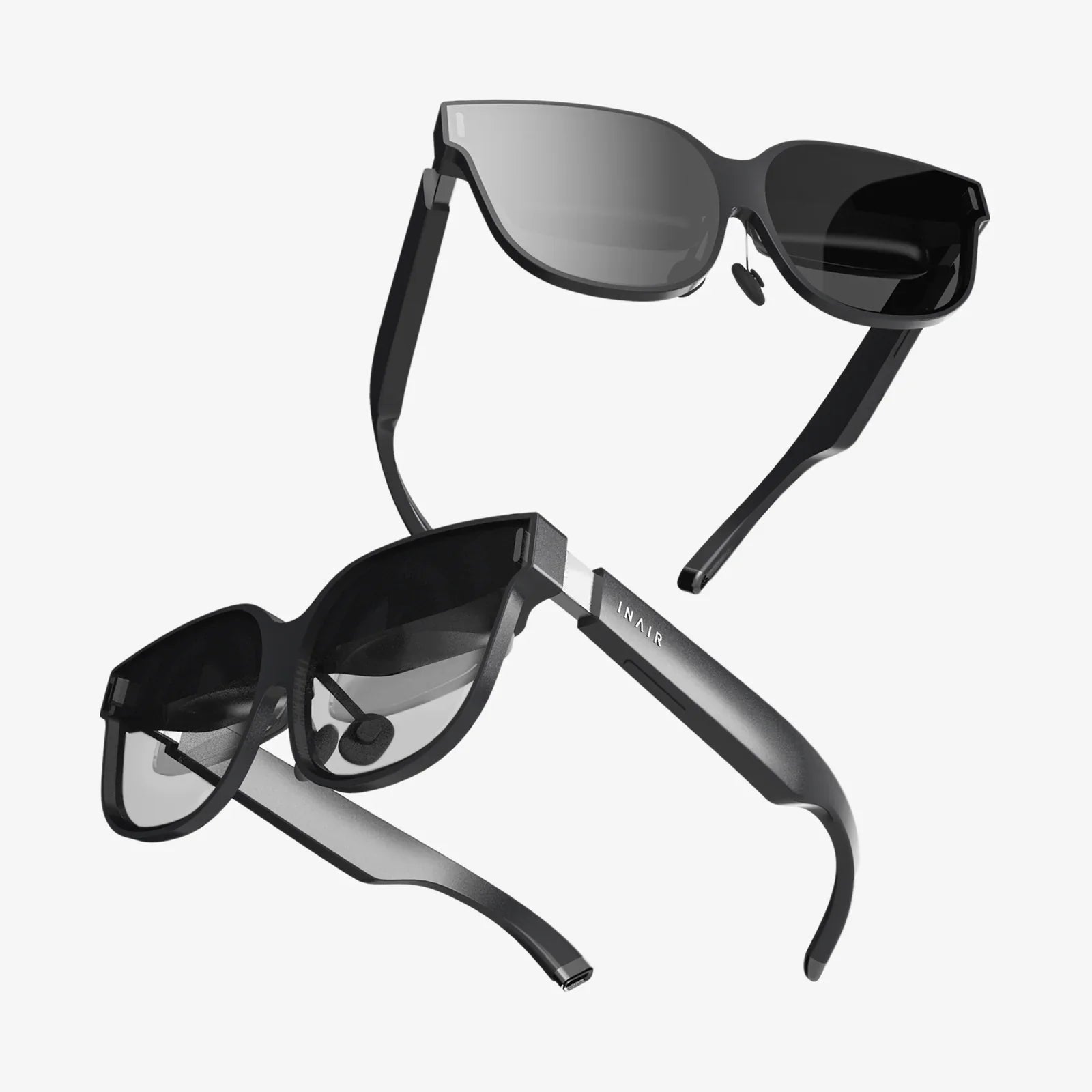
Imagine a world where the digital and the physical are no longer separate realms, but a single, unified experience layered right before your eyes. This isn't a distant science fiction fantasy; it’s the compelling future that the latest generation of augmented reality eyewear is bringing into sharp, breathtaking focus. The long-promised dream of AR is finally getting closer, not as a bulky helmet or a distracting screen, but as a pair of elegant, intelligent spectacles that promise to redefine our reality.
The Long Road to a Seamless Blend
For decades, the concept of augmented reality has captivated technologists and dreamers alike. Early iterations, however, were hampered by significant limitations. They were often heavy, expensive, power-hungry, and socially awkward. The hardware required to project high-fidelity digital images onto the real world was simply too large to be comfortably worn on the face for extended periods. The user experience was clunky, the field of view was narrow, and the digital overlays often felt like a ghostly, unconvincing addition rather than a true integration. This gap between the ambitious vision and the practical reality kept AR largely in the domain of enterprise applications and niche enthusiast groups.
The core challenge has always been one of miniaturization and integration. Packing powerful processors, high-resolution displays, advanced sensors, and all-day battery life into a form factor that resembles ordinary eyewear is a monumental feat of engineering. It requires breakthroughs in nearly every component, from waveguide optics that guide light to the eye without bulky lenses to micro-LED displays that are both incredibly bright and incredibly efficient.
The Technological Leap Forward
Today, we are witnessing a convergence of several key technologies that are making these new spectacles closer to an everyday reality. The progress is not incremental; it is transformative.
Revolutionary Optics and Displays
The heart of any AR device is its optical system. Traditional methods relied on placing small screens directly in front of the eyes, which created a tunnel-vision effect and increased the device's bulk. The latest generation utilizes sophisticated waveguide technology. These are essentially transparent glass or plastic plates etched with microscopic patterns that channel light from a micro-projector at the temple into the eye. This allows for a much slimmer profile, as the complex hardware is moved to the frame's arms, and creates a more natural integration of digital content with the real world. Furthermore, advancements in resolution and brightness mean text is razor-sharp, and virtual objects can hold their own even in bright sunlight.
The Rise of Spatial Computing
AR spectacles are not just a new screen; they are a portal into the world of spatial computing. This is a fundamental shift in how we interact with computers. Instead of looking at a device, the computer understands and interacts with the space around us. This is powered by a suite of sensors—including LiDAR, depth sensors, and high-resolution cameras—that constantly map the environment in real-time. These spectacles can understand the geometry of a room, recognize surfaces like tables and walls, and track the position of your hands with sub-millimeter accuracy. This allows digital objects to behave like physical ones: they can rest on your desk, be occluded by your coffee mug, or be manipulated with intuitive hand gestures.
On-Device AI and Connectivity
Processing the immense amount of visual and spatial data requires immense computational power. Thanks to specialized AI chips designed for on-device machine learning, these tasks can now be handled locally, ensuring low latency and protecting user privacy. This AI is what makes the experience compelling. It can identify objects in your field of view (Is that a famous painting? What breed is that dog?), provide real-time translation of foreign text on a menu, or generate contextual information based on your location and gaze. Seamless connectivity, especially with the advent of high-speed, low-latency networks, ensures that these devices can tap into cloud-based AI for even more complex tasks without sacrificing performance.
Beyond Novelty: The Compelling Use Cases
The true measure of this technology's success lies not in its specs, but in its utility. What makes this new wave of devices so compelling is the vast array of practical, life-enhancing applications they enable.
Redefining Work and Collaboration
The future of work is spatial. Imagine architects walking through a full-scale 3D model of their building design, making changes with a gesture. Remote collaboration transforms from a grid of faces on a screen into a shared virtual workspace where colleagues from across the globe can manipulate 3D models and diagrams as if they were in the same room. For field technicians, complex repair instructions can be overlaid directly onto the machinery they are fixing, highlighting specific components and providing step-by-step guidance hands-free.
Transforming Learning and Exploration
Education becomes an immersive adventure. History students can witness historical events unfold in their schoolyard. Biology students can dissect a virtual frog or walk through a beating human heart. Museums can offer rich, context-aware tours where exhibits come to life with stories and animations. This experiential learning is far more engaging and memorable than reading text in a book or on a flat screen.
Enhancing Daily Life and Accessibility
The subtle assistance provided by AR spectacles will become indispensable. Navigation arrows can be painted onto the sidewalk in front of you. Your grocery list can hover over the items you need to pick up. For individuals with visual impairments, the technology can identify obstacles, read aloud text, and describe people and scenes, granting a new level of independence. This ambient computing paradigm provides information precisely when and where you need it, without requiring you to retreat into a phone.
Navigating the Inevitable Challenges
Despite the exciting progress, the path to ubiquitous AR is not without its obstacles. The most significant hurdle remains social acceptance. Wearing a camera on your face raises legitimate concerns about privacy for both the user and those around them. Robust privacy frameworks, clear indicator lights, and ethical design principles that prioritize user consent are non-negotiable for widespread adoption.
Furthermore, the question of the digital divide is critical. If this technology becomes a primary interface for work, education, and social connection, ensuring it is accessible and affordable, not just a luxury for the wealthy, is a societal imperative. Finally, the long-term psychological effects of perpetually mediating reality through a digital layer are unknown and must be studied carefully. We must be mindful to design technology that enhances our humanity and connection to the physical world, rather than replacing it.
A New Lens on Reality
The arrival of this mature, sophisticated AR eyewear marks a pivotal moment in our relationship with technology. We are moving beyond the age of the smartphone, a device we look down at, and entering an era of technology we look through. These new spectacles offer a more intuitive, more human way of interacting with the digital universe—one that respects our environment and our innate desire to connect with the world around us. They promise to augment our intelligence, our abilities, and our experiences in ways we are only beginning to imagine.
The horizon is no longer a distant line but a canvas waiting to be painted with information, creativity, and connection. The devices that will let us see this new world are finally being refined, tested, and prepared for their debut. The future isn't just coming; it's being layered directly onto our reality, and it's a sight you won't want to miss. Get ready to see everything, and everyone, in a whole new light.
Share:
First Augmented Reality Glasses: The Dawn of a New Reality
Young Living Virtual Office: The Ultimate Guide to Remote Business Management