


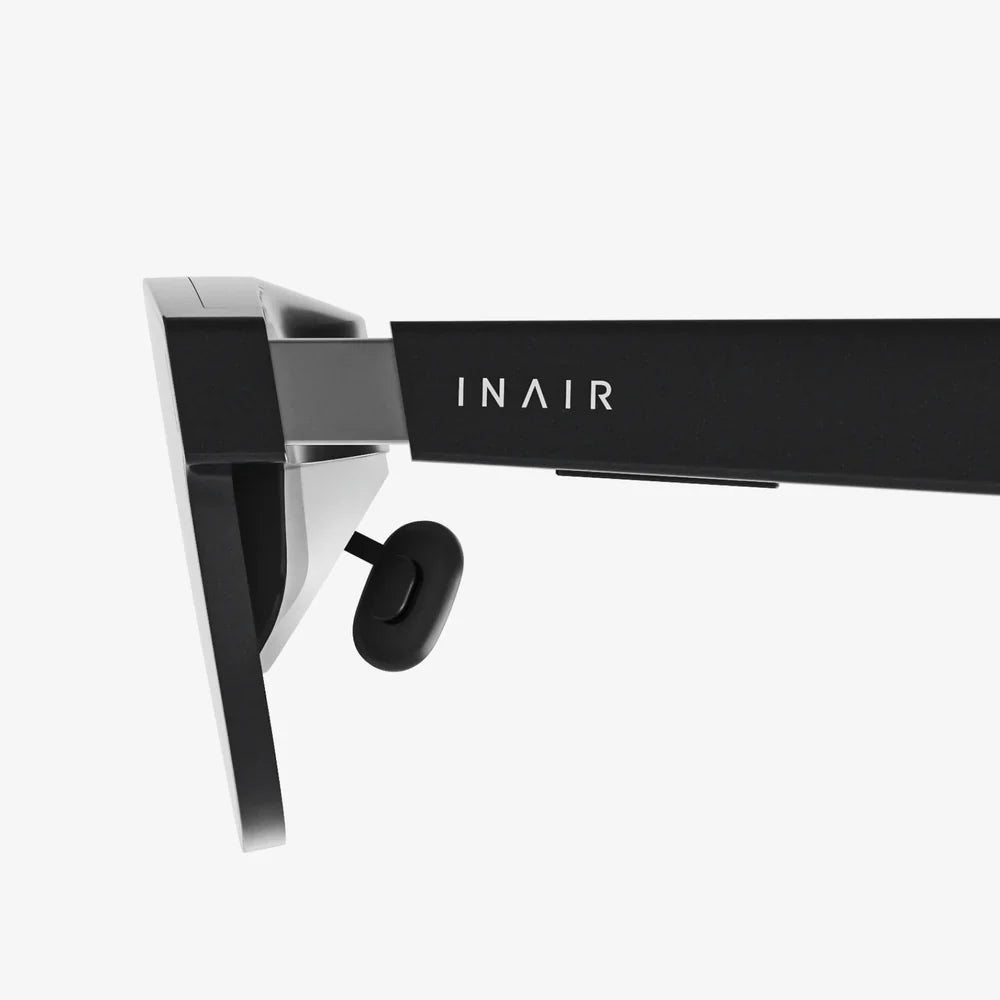
You slip on the headset, and the world you know simply melts away. The hum of your computer fades into the chirping of digital birds, the confines of your room expand into a limitless horizon, and for a moment, you are truly somewhere else. This isn't the clunky, pixelated promise of yesterday; this is the visceral, heart-pounding reality of a new VR system. It’s a portal waiting to be opened, and it’s redefining not just how we play, but how we connect, work, and perceive reality itself. The future is putting on a headset, and it’s inviting you to step through.
The Technological Leap: Engineering Presence
The fundamental goal of any immersive technology is to achieve "presence"—the undeniable, often unsettling sensation of being in a virtual space. Previous iterations battled a host of limitations that constantly reminded users they were wearing a device. The new VR system attacks these barriers with a multi-front technological offensive, making the hardware itself fade into the background of the experience.
At the core of this evolution is a dramatic enhancement in visual fidelity. We are moving past the era of the "screen door effect," where pixels were distractingly visible. The new displays boast resolutions so high and pixel densities so fine that the digital world appears sharp, solid, and believably real. Coupled with this are vastly improved lenses that offer a wider field of view, pulling you deeper into the environment and reducing the binocular-like feeling of looking through a tunnel.
A Revolution in Interaction
Perhaps the most significant leap is in how we interact with these digital realms. Early motion controllers were a great start, but they often felt like holding a tool. The new VR system introduces a level of hand-tracking and haptic feedback that is nothing short of revolutionary.
Advanced inside-out tracking cameras now map your entire environment and your hands with sub-millimeter accuracy, all without external sensors. This means you can see your own hands—your real hands—inside the virtual world. You can make a fist, give a thumbs-up, or delicately pinch an object using nothing but your natural movements. This erases a massive layer of abstraction; you are no longer pressing a button to grip, you are simply gripping.
This is supercharged by sophisticated haptic feedback. It’s no longer just a simple rumble. We're talking about nuanced sensations that mimic the feeling of tapping a surface, the resistance of squeezing a stress ball, or the recoil of a virtual instrument. This tactile layer is crucial for selling the illusion, making the virtual not just something you see, but something you feel.
Beyond the Game: The Expansive Universe of Applications
While gaming will always be a thrilling flagship application, the true potential of this new VR system lies in its capacity to transform nearly every aspect of our lives. It is evolving from an entertainment peripheral into a fundamental computing platform.
Redefining Social Connection
Video calls brought us together, but they remain a poor substitute for sharing a space with someone. Social VR platforms are leveraging the new system's capabilities to create a sense of togetherness that Zoom cannot match. Imagine not just seeing a friend’s video feed, but sitting across a virtual campfire from them, seeing their avatar accurately reflect their body language and gestures, and feeling like you are in the same room. For families separated by oceans or friends in different time zones, this technology offers a profound antidote to distance, creating shared experiences and memories in a collaborative digital space.
The Virtual Workspace
The corporate world is taking notice. The concept of the "infinite office" is becoming a reality. With a new VR system, your physical monitor limitations vanish. You can have expansive virtual screens arrayed around you in a serene, custom-designed environment, free from office distractions. Architects and engineers can walk clients through full-scale 3D models of unbuilt structures. Design teams from across the globe can collaborate around a virtual prototype, manipulating it with their hands as if it were physically present. This isn't just remote work; it's enhanced work, breaking the chains of physical location and hardware.
Education and Training Reimagined
The educational implications are staggering. Instead of reading about ancient Rome, students can walk through a historically accurate reconstruction of the Forum. Medical students can practice complex surgical procedures on virtual patients, making mistakes without consequences and mastering techniques through repetition. Dangerous jobs, from firefighting to operating heavy machinery, can be trained for in perfectly simulated high-risk environments, ensuring safety and competence before a individual ever steps into the real scenario. This is experiential learning at its most powerful.
Wellness and Mindfulness
In a world of constant stimulation, the new VR system offers a unique escape for mental health. Guided meditation apps can transport users to a peaceful beach at sunset or a quiet mountain top, with biofeedback integration helping to regulate breathing and heart rate. For those dealing with phobias or anxiety, therapists can use controlled, gradual exposure therapy within the safety of a virtual environment. It becomes a tool not for escaping reality, but for managing our place within it.
Navigating the New Frontier: Challenges and Considerations
This technological dawn is not without its clouds. As we rush headlong into this immersive future, several critical questions demand our attention and careful consideration.
The Accessibility Question
High-fidelity technology often comes with a high-fidelity price tag. There is a real risk of creating a new digital divide, where transformative experiences in socializing, education, and work are available only to those who can afford the hardware. Furthermore, the physical design of the headsets, while improving, must continue to advance to be comfortable and usable for people with a wide range of physical abilities and needs. For VR to truly become a universal platform, it must be inclusive by design.
Privacy in an Immersive World
The data collected by a new VR system is exponentially more personal than that from a smartphone or computer. It’s not just what you click on; it's your eye gaze, your pupil dilation, your body movements, your vocal inflections, and a detailed 3D map of your home. This biometric and environmental data is a treasure trove for advertisers and a significant vulnerability if mishandled. Robust, transparent data policies and ethical frameworks are not optional; they are an absolute prerequisite for user trust and safety.
The Human Experience: Connection or Isolation?
The perennial critique of immersive technology is that it might further isolate us, causing us to withdraw from the physical world and the people in it. This is a valid concern. The allure of a perfect virtual existence could be strong for some. The counterargument, however, is that these systems can forge stronger bonds by enabling shared experiences that are impossible in the physical world. The challenge for developers, creators, and users alike will be to wield this tool to augment our reality, not replace it—to use it to enhance human connection rather than escape from it.
The Horizon of What's Next
The current generation feels less like a final product and more like a foundational step. The research into neural interfaces, which could allow us to control virtual elements with our thoughts, is advancing rapidly. Haptic technology will evolve from gloves to full-body suits, allowing us to feel virtual rain or a digital hug. The line between the virtual and the physical will continue to blur, potentially leading to a future where mixed reality is seamlessly integrated into our daily glasses or even contact lenses.
This new VR system is the most compelling argument yet that the metaverse—a persistent, shared, and interconnected virtual space—is not a dystopian fantasy but a plausible next chapter for the internet. It won't be owned by any one corporation, but built by millions of creators and users, all contributing to a vast, experiential digital layer over our world.
The headset is no longer just a gaming device. It is a telescope pointed at the future of human experience. It’s a canvas for artists, a laboratory for scientists, a classroom for students, and a meeting hall for a globally dispersed humanity. The technology has finally caught up to the ambition, offering an immersion so complete, so intuitive, and so powerful that it demands we rethink the very nature of reality. The door is open. The only question left is what we will build on the other side.
Share:
Digital Media Content: The Currency of the Modern World and How to Master It
What Human Computer Interaction Is and Why It's the Future of Technology