


Imagine a world where your morning begins not with a blaring alarm, but with a gentle, physiological nudge from your clothing—a subtle shift in fabric temperature and soft, haptic pulses that guide you from deep sleep to peaceful wakefulness. Your shirt has already analyzed your nightly recovery, your socks have assessed your gait readiness for the day's run, and your glasses have curated your schedule, all before you've even sipped your first coffee. This isn't a scene from distant science fiction; it is the palpable, emerging reality of new wearable technology in 2025, a revolution defined not by what we put on, but by what disappears seamlessly into our lives.
The Paradigm Shift: From Wearable to Unnoticeable
The most defining characteristic of the 2025 wearable landscape is its fundamental shift in design philosophy. The era of the chunky wrist computer or the obvious chest strap is rapidly receding. In its place, we are witnessing the rise of ambient technology—devices so seamlessly integrated into our personal ecosystem that they become unnoticeable. The goal is no longer to be a prominent tech statement but to fade into the background, gathering data and providing insights without demanding constant attention or interaction.
This is achieved through breakthroughs in material science, miniaturization, and power efficiency. Flexible, organic light-emitting diode (OLED) and micro-LED displays can be woven into textiles or printed onto ultra-thin, skin-conforming substrates. Batteries are becoming structural, with energy storage capabilities integrated into the very fibers of clothing or the frames of eyewear, often supplemented by advanced energy harvesting from body heat, motion, or ambient light. The form factor is dissolving, giving way to function that is literally woven into the fabric of our daily existence.
Beyond the Wrist: The Proliferation of Form Factors
While the wrist remains a valuable real estate for certain notifications and health tracking, innovation has exploded across the entire human body.
- Smart Fabrics and E-Textiles: Apparel is becoming genuinely intelligent. Shirts with embedded electrocardiogram (ECG) sensors can provide continuous cardiac monitoring far more accurate than a wrist-based optical sensor. Athletic wear can measure muscle fatigue, hydration levels through sweat analysis, and even correct form in real-time through haptic feedback. For everyday fashion, a jacket could dynamically adjust its insulation properties based on the external temperature and the wearer's biometrics.
- Advanced Hearables: Earbuds have evolved into sophisticated hearables, acting as hubs for auditory computing. They provide real-time language translation, advanced noise cancellation that can selectively amplify important sounds (like a conversation) while dampening others, and immersive, high-fidelity audio. More importantly, they are becoming central health devices, capable of monitoring core body temperature, detecting irregularities in heart rate through internal acoustic signatures, and even tracking brainwave patterns for focus and stress.
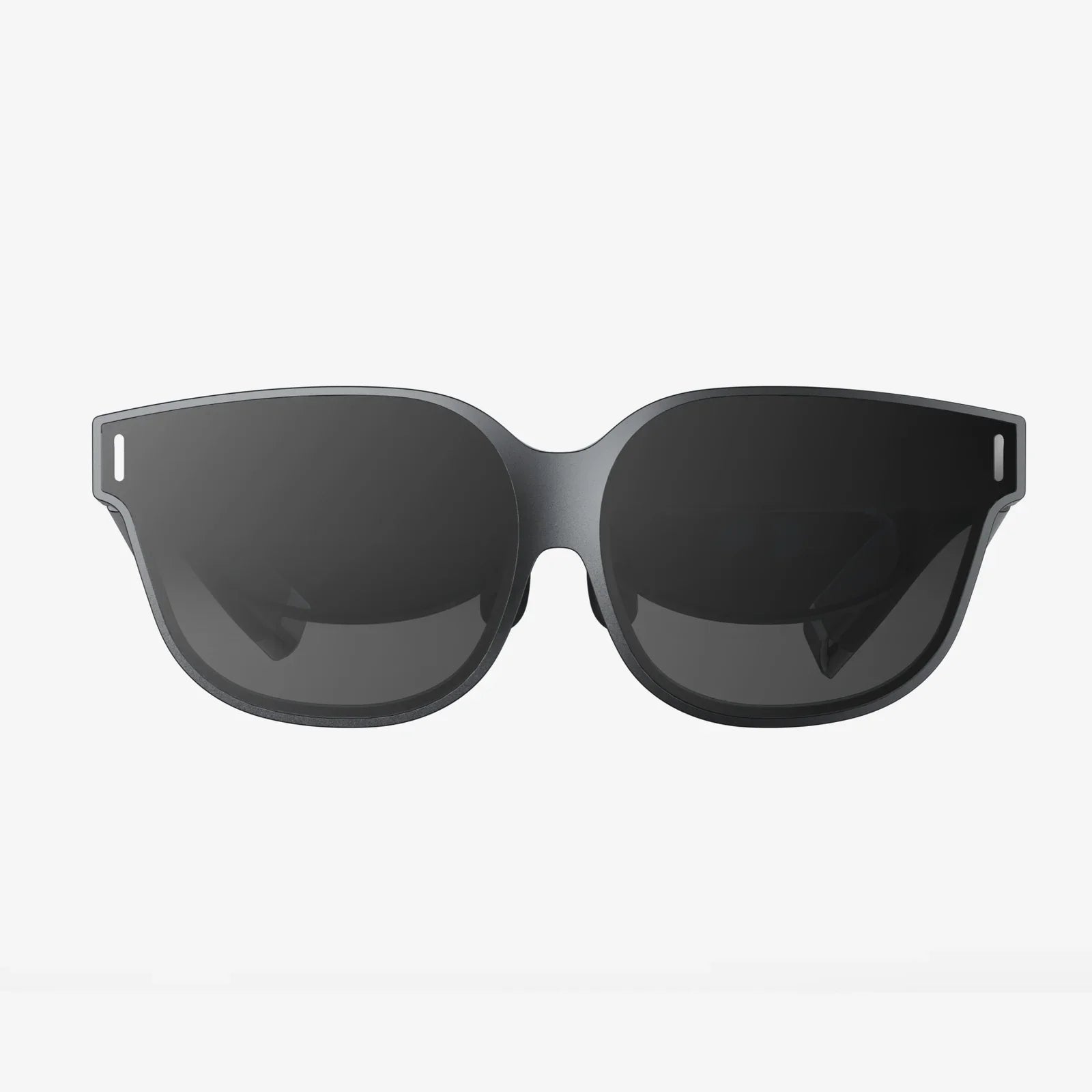
- Intelligent Eyewear: Augmented Reality (AR) glasses have finally found their footing. In 2025, they are lighter, more stylish, and boast all-day battery life. They project contextual information onto the real world—navigation arrows onto the street, recipe instructions onto kitchen ingredients, or a colleague's name and recent projects when you meet them. For professionals, from surgeons to engineers, they provide hands-free access to schematics and data, revolutionizing workflows.
- Discrete Patches and Implantables: The most personal wearables are those you rarely see. Single-use, stamp-sized biosensor patches can monitor specific biomarkers for days or weeks, transmitting data directly to a healthcare provider. Meanwhile, minimally invasive implantables for measuring glucose, core body temperature, and other deep-tissue metrics are becoming more common, offering unprecedented accuracy for chronic disease management.
The Engine Room: AI and Hyper-Personalization
The hardware is only half the story. The true intelligence of 2025's wearables lies in the sophisticated artificial intelligence that powers them. These devices generate a staggering volume of raw biometric and contextual data—terabytes of information on an individual's physiology, environment, and behavior.
On-device AI chips now process this data locally, in real-time, identifying patterns and generating insights without needing to constantly stream information to the cloud. This edge computing is crucial for both speed and privacy. The AI doesn't just report data; it interprets it. It learns your personal baselines and can detect subtle, meaningful deviations. Instead of telling you your heart rate variability (HRV) is low, it will correlate that with your poor sleep from two nights ago and your high-stress meeting schedule to suggest the optimal time for recovery and the type of activity that would be most beneficial.
This is hyper-personalization. Your wearable doesn't offer generic health advice; it offers advice tailored specifically to you, your body, and your life. It can predict the onset of illness before symptoms appear, suggest a walk when it detects a dip in your focus, or guide you through a personalized breathing exercise to avert a panic attack.
Revolutionizing Personalized Healthcare
The impact of this technology on healthcare is nothing short of transformative. We are moving from a reactive model of care—treating illness after it occurs—to a predictive and preventive one.
- Continuous, Remote Patient Monitoring: Patients with chronic conditions like hypertension, diabetes, or cardiac arrhythmias can be monitored continuously from home. Their wearable devices transmit data to clinicians, alerting them to dangerous trends before they become emergencies. This improves outcomes and reduces the burden on hospital systems.
- Early Detection and Diagnosis: Algorithms are being trained to identify the biometric signatures of conditions like atrial fibrillation, sleep apnea, and even certain types of depression. By constantly screening, wearables act as an early warning system, prompting users to seek medical attention much earlier in the disease progression.
- Democratizing Health Knowledge: These devices empower individuals with deep knowledge about their own bodies. People can see in real-time how their lifestyle choices—diet, sleep, exercise, meditation—directly impact their physiological metrics. This data-driven feedback loop is a powerful motivator for positive behavioral change.
The Invisible Assistant: Augmenting Human Potential
Beyond health, wearables are becoming indispensable partners in daily productivity and cognitive enhancement.
Imagine glasses that recognize faces and discreetly display the name and key details of the person you're greeting, a boon for networking and social situations. Hearables can act as personal assistants, filtering out background noise in a crowded room to focus on the person speaking to you, or providing real-time summaries of meetings you're attending. For knowledge workers, wearables tracking focus and cognitive load can suggest optimal break times, maximizing deep work periods and preventing burnout.
This technology is augmenting human senses and cognition, effectively creating a seamless interface between our biological selves and the digital world, allowing us to be more present, more efficient, and more connected.
The Double-Edged Sword: Privacy, Security, and the Ethical Quagmire
With great power comes great responsibility, and the era of pervasive, intimate wearables raises profound questions. The data being collected is the most personal imaginable: a continuous readout of your body and mind.
- Data Ownership and Consent: Who owns this biometric data? Is it you, the device manufacturer, your employer if it's a corporate wellness program, or your insurance company? Clear regulations and transparent user agreements are desperately needed.
- Security: A database of heart rhythms might seem innocuous, but it is a unique biometric identifier. A breach of such deeply personal information could have devastating consequences, from identity theft to blackmail.
- The Algorithmic Bias: The AI models are only as good as the data they are trained on. If training data lacks diversity, the health insights and recommendations could be inaccurate or even harmful for underrepresented groups.
- The Societal Divide: Will this technology create a new class of bio-enhanced individuals who can optimize their health and cognition, widening the gap with those who cannot afford such devices?
Navigating this ethical landscape is the single biggest challenge facing the industry. Robust encryption, decentralized data storage models, and strong legislative frameworks are not optional extras; they are the absolute foundation upon which this future must be built.
The Road Ahead: A Symbiotic Future
The trajectory is clear. Wearable technology is on a path toward complete integration with the human body. The next logical step beyond skin-contact sensors and implantables is technology that interacts directly with our nervous system, potentially for restoring movement to the paralyzed, sight to the blind, or for creating entirely new sensory experiences.
In 2025, we stand at the precipice of this new age. The devices are shedding their physical shells to become invisible, intelligent partners. They promise a future of unprecedented health, enhanced capability, and deeper self-understanding. But this future is not guaranteed; it must be architected with careful consideration for the profound ethical and societal implications. The success of this revolution will not be measured in units sold, but in its ability to enhance humanity equitably, securely, and responsibly. The true wearable of the future isn't something you'll charge on your nightstand; it's something you'll live with, and it will know you better than you know yourself—the question is, are we ready for that partnership?
This intimate fusion of biology and technology promises to redefine human potential itself, offering a glimpse into a future where our very clothing whispers insights about our health and our glasses paint a layer of intelligent context over the world—if you're ready to embrace the invisible, the next revolution is already here, waiting to be worn.
Share:
Wearable Music Technology is Reshaping Our Sonic Experience
Wearable Music Technology is Reshaping Our Sonic Experience