


Imagine a world where your clothing monitors your posture, your ring tracks your sleep, and your glasses overlay digital information onto the physical world around you. This isn't science fiction; it's the imminent reality being forged by the latest generation of new wearables. We are rapidly moving beyond the simple wristband into an era of seamless, integrated technology that promises to revolutionize how we interact with data, manage our health, and perceive our environment. The next wave is here, and it's about to change everything.
The Evolution from Tracker to Holistic Health Partner
The journey of wearables began with a single, focused metric: steps. The early devices were pedometers with digital displays, and their success was measured in a daily count. This quickly evolved into heart rate monitoring, sleep tracking, and GPS integration, consolidating these features into the now-ubiquitous smartwatch form factor. However, new wearables are breaking free from this mold, driven by a fundamental shift in purpose. They are no longer just trackers; they are becoming proactive health partners.
This new paradigm is powered by a suite of advanced sensors. While optical heart rate sensors have become standard, new wearables are incorporating technologies like electrodermal activity (EDA) sensors to measure stress responses through minute skin changes, skin temperature sensors for tracking ovulation and detecting illness onset, and pulse oximeters (SpO2) to monitor blood oxygen saturation. The most significant leap forward is the move towards medical-grade accuracy. Continuous ECG (electrocardiogram) monitoring, once confined to a clinic, can now detect atrial fibrillation from a wrist or a finger, empowering individuals with unprecedented insight into their cardiovascular health.
The true power of these devices, however, lies not in the individual data points but in their synthesis. Advanced algorithms and artificial intelligence are now employed to analyze the vast datasets these devices collect. They don't just tell you you slept poorly; they analyze sleep stages, nighttime movement, and blood oxygen variation to provide a comprehensive sleep score and actionable recommendations. They don't just record a workout; they measure workout load, recovery time, and physiological readiness, suggesting when to push harder and, more importantly, when to rest. This shift from reactive data logging to proactive, personalized health guidance is the cornerstone of the new wearable revolution.
Form Factor Revolution: Technology Woven into Life
If the first decade of wearables was defined by the wrist, the next will be defined by diversity. The limitation of a single form factor is being cast aside in favor of a more organic integration of technology into our daily lives and attire. This proliferation is making technology more personal and less obtrusive.
- Smart Rings: Discreet and comfortable enough to wear 24/7, smart rings are emerging as powerful sleep and activity trackers. Their position on the finger allows for potentially more accurate heart rate readings during sleep than wrist-based devices, and their form factor makes them ideal for those who find watches cumbersome or for capturing data during specific activities like weightlifting.
- Smart Clothing: From biometric sensing shirts that measure running form and muscle exertion to socks that analyze your gait to prevent injury, smart clothing embeds sensors directly into the fabric. This allows for a level of biomechanical analysis previously only possible in a sports lab, providing feedback on everything from running efficiency to lifting technique.
- Hearables: The humble earbud has evolved into a sophisticated health and audio platform. Advanced hearables now feature heart rate monitoring, integrated accelerometers for tracking movement, and even hearing enhancement technology that can amplify quiet sounds in your environment. Their position in the ear canal offers a unique opportunity to measure core body temperature and other internal metrics.
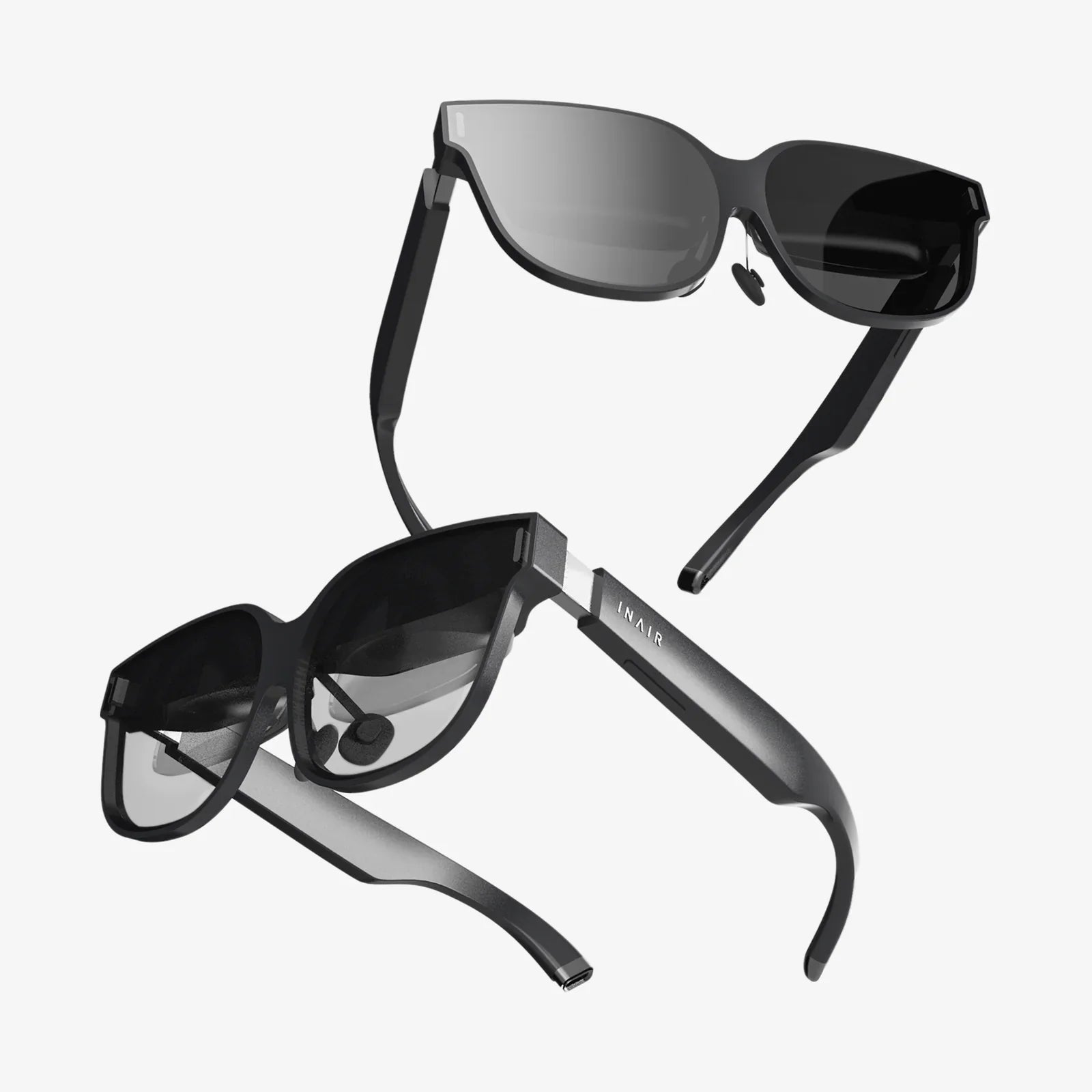
- Smart Glasses: While often associated with augmented reality displays, the next generation of smart glasses is also focusing on discrete health and audio features. They can project information directly into the user's field of view, offer translation in real-time, and provide advanced directional audio for calls and music, all while looking like a standard pair of glasses.
This explosion of form factors signifies a move towards contextual computing—the right device for the right moment, all working in concert through a unified digital ecosystem.
The Seamless Ecosystem: Connectivity and the Ambient Interface
A single wearable device is useful, but its true potential is unlocked when it becomes part of a broader, interconnected ecosystem. New wearables are no longer isolated islands of data; they are hubs in a network of smart devices, working together to create an ambient interface with our digital lives.
Connectivity standards like Bluetooth Low Energy, ultra-wideband (UWB), and advanced 5G are the glue binding this ecosystem. Your smart ring can communicate with your smart scale to correlate sleep quality with weight trends. Your fitness tracker can automatically adjust your home's thermostat based on your body temperature post-workout. Your smart glasses can receive a notification from your phone and display it in your periphery without you needing to look down.
This creates a more intuitive and less intrusive user experience. Instead of constantly checking a screen, information and notifications are delivered contextually through haptic feedback on your wrist, subtle audio cues in your ear, or a brief visual overlay in your glasses. The technology fades into the background, serving you instead of demanding your attention. This ambient intelligence, powered by a network of new wearables, aims to reduce digital friction and create a more harmonious flow between our physical and digital existences.
Navigating the Challenges: Privacy, Power, and Perception
For all their promise, the path forward for new wearables is not without significant hurdles. The very nature of these devices—intimate, always-on, and collecting deeply personal biometric data—raises critical questions that society must address.
Data Privacy and Security: The data collected by a fitness tracker is one thing; the continuous, multi-sensor biometric data gathered by new wearables is another entirely. This constitutes a digital fingerprint of your body and your life. Who owns this data? How is it stored, secured, and used? The potential for misuse by corporations, insurers, or malicious actors is a serious concern. Robust, transparent data governance and strong encryption are not optional features; they are absolute necessities for this industry to earn and maintain public trust.
Battery Life and Sustainability: Adding more sensors and faster processors consumes more power. The challenge for manufacturers is to balance increasing capability with all-day (or multi-day) battery life. Innovations in low-power chipsets, display technology, and energy harvesting—such as using solar power, kinetic movement, or even body heat—are critical areas of development. Furthermore, the industry must confront the environmental impact of producing millions of small, complex electronic devices, focusing on repairability, recycling programs, and sustainable materials.
Digital Divide and Health Equity: Advanced health monitoring features have the potential to democratize healthcare, making preventative insights available to millions. However, if the cost of these devices remains high, there is a risk of creating a new health divide where only the wealthy have access to the best predictive and preventative tools. Ensuring these technologies are accessible and that their benefits can be translated into actionable, affordable healthcare for all is a monumental but essential task.
The Future is Sensing: What's on the Horizon?
The trajectory of new wearables points toward even deeper integration and more powerful capabilities. Research and development are pushing the boundaries of what's possible from non-invasive devices.
We are seeing early prototypes of wearables that can non-invasively monitor blood glucose levels, a holy grail for diabetics that would eliminate finger-prick tests. Others are exploring the use of lasers and spectroscopy to analyze blood chemistry for metrics like hydration and lactate levels. Brain-computer interfaces (BCIs), though in their infancy, are moving from clinical settings into consumer wearables, initially focusing on meditation and focus tracking by measuring brainwaves, with longer-term potential for controlling devices with our thoughts.
The ultimate goal is a closed-loop health system. Imagine a wearable that not only detects a spike in stress hormones but also triggers your smart home to dim the lights and play calming music. Or a device that detects irregular heart activity and automatically connects you to a healthcare professional while providing them with your real-time vitals. This move from monitoring to intervention represents the final step in making wearables true guardians of our well-being.
The age of the clunky, single-purpose fitness band is over. We are entering a new era defined by a constellation of intelligent, connected, and virtually invisible devices designed to work in harmony. They promise a future where technology understands not just our commands, but our context, our biology, and our unstated needs. The revolution won't be on your wrist; it will be all around you, woven into the very fabric of your life, quietly working to enhance your health, amplify your abilities, and deepen your understanding of yourself. The question is no longer if you'll adopt a wearable, but which combination of these powerful tools will you choose to let into your life?
Share:
Screen Goggles for PC: The Ultimate Guide to Protecting Your Eyes in the Digital Age
Wat is AR: A Comprehensive Guide to Understanding Augmented Reality