


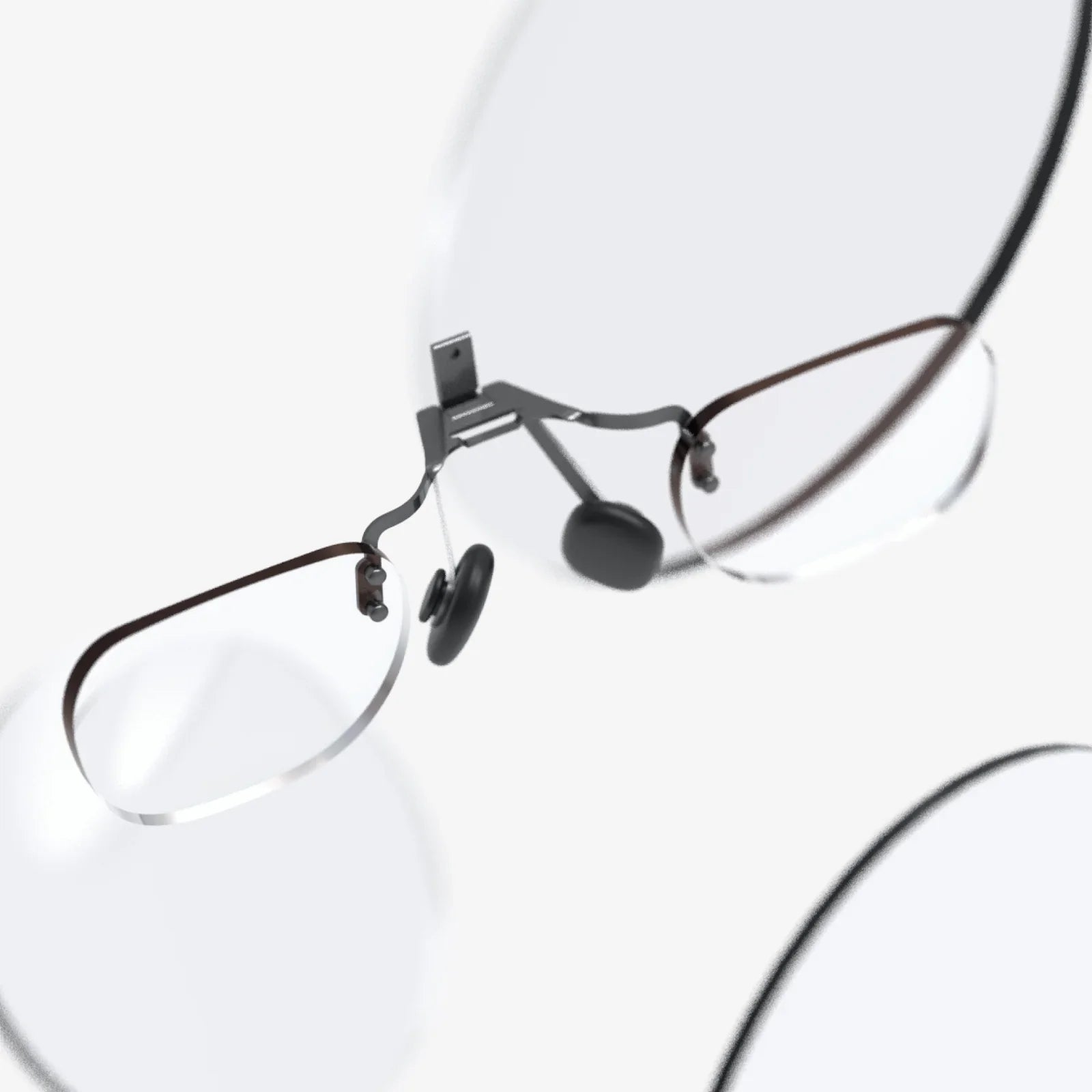
Imagine a device that dissolves the barriers between the digital and the physical, a portal in your living room to boundless worlds, revolutionary ways to work, and profound new forms of human connection. This is the promise, and increasingly the reality, embodied by the newest iteration of standalone virtual reality technology. It represents not just an incremental update, but a significant leap forward, pushing the boundaries of what we believed was possible in a self-contained, accessible headset. This isn't just about sharper screens; it's about redefining our entire relationship with technology, making the virtual feel tangibly, intuitively real.
The Architectural Leap: Power and Performance Redefined
At the heart of this new device lies a silicon revolution. The transition to a next-generation processing platform is arguably the most significant upgrade, delivering a monumental increase in graphical and computational performance. This isn't merely a faster version of the old chip; it's a complete architectural overhaul designed from the ground up for the intense demands of high-fidelity VR and augmented reality.
The implications of this raw power are immediately apparent. Developers now have the headroom to create experiences with stunning visual fidelity: complex lighting models, highly detailed textures, and advanced particle effects that were previously the sole domain of high-end personal computers tethered to bulky headsets. The graphical leap is so pronounced that it effectively blurs the line between standalone and PC-powered VR, bringing cinematic-quality visuals to a wireless form factor.
This processing muscle also fuels sophisticated new mixed reality features. The device can understand and interact with your physical environment in real-time with unprecedented accuracy, enabling experiences that seamlessly blend the real and the virtual. This computational prowess ensures that these complex tasks are handled with low latency, which is absolutely critical for maintaining user comfort and a convincing sense of immersion.
A Window to New Realities: The Display and Optical Breakthrough
All the processing power in the world is meaningless if it isn't delivered clearly to the user's eyes. The newest headset addresses this with a stunning display system that sets a new benchmark for the industry. The resolution per eye has been dramatically increased, pushing the pixel density far beyond the dreaded "screen door effect" that plagued earlier generations. The result is a visual experience that is crisp, clear, and incredibly sharp, making text legible for productivity and virtual worlds more believable than ever before.
Furthermore, the adoption of advanced pancake lenses marks a pivotal moment in headset design. These innovative optics allow for a much thinner and lighter physical profile compared to the traditional Fresnel lenses used in past models. This contributes significantly to the device's improved comfort, as the weight is distributed more evenly. More importantly, these lenses provide a much larger "sweet spot"—the area where the image is perfectly in focus—reducing the need for constant adjustment and making the experience more accessible and enjoyable for a wider range of users.
The combination of high-resolution displays and advanced optics creates a sense of presence that is harder to break. The virtual world feels solid and real, inviting users to lean in and explore rather than remaining conscious of the technology on their face.
The Shape of Immersion: Design, Comfort, and Form Factor
Recognizing that even the most powerful technology is useless if it's uncomfortable to wear, the designers have completely rethought the headset's ergonomics. The new design is a testament to the philosophy of extended use. It is noticeably thinner and lighter, reducing neck strain and making it feasible to wear for hours on end, whether for an epic gaming session, a lengthy collaborative work meeting, or a social gathering.
The weight distribution has been meticulously engineered. By moving the battery to the rear of the headstrap, the system achieves a near-perfect balance on the user's head. This counterweight effect eliminates the front-heavy feeling that could cause discomfort, making the headset feel more like a baseball cap than a piece of strapped-on hardware. The materials are soft, breathable, and easily adjustable, ensuring a secure and personalized fit for a diverse user base.
This focus on comfort is not a minor detail; it is a fundamental enabler of the platform's ambition. By making the technology fade away on your face, it allows the experiences within to take center stage, moving VR from a novel diversion to a practical tool for daily life.
Blending Worlds: The Mixed Reality Revolution
While the virtual reality capabilities are breathtaking, the most transformative aspect of this new device might be its profound advancement in mixed reality (MR). Through a high-resolution color passthrough camera system, users can see their physical surroundings in real-time, not as a grainy, distorted black-and-white image, but as a relatively clear and stable video feed. This technological achievement is the foundation for a entirely new category of experiences.
The headset's sophisticated sensor array and powerful algorithms continuously map the user's room, understanding the geometry of walls, furniture, and other objects. This allows virtual content to interact convincingly with the real world. Imagine a life-sized virtual character sitting on your actual sofa, a digital productivity workspace anchored to your physical desk, or a strategic game that transforms your entire living room into a interactive battlefield where virtual enemies leap from behind your real-world television.
This seamless blending is the first truly compelling step toward the vision of spatial computing, where digital information and objects coexist with our physical reality. It unlocks practical applications beyond entertainment, from interior design and virtual home tours to guided repairs and interactive learning, all within the context of your own space.
Beyond the Hardware: The Ecosystem's Evolution
A platform is only as strong as its software, and the hardware leap is powerfully complemented by a mature and rapidly expanding ecosystem. The content library, which already boasts thousands of titles, is now empowered by this new hardware. Existing applications are being updated with enhanced graphics and new MR features, while a new wave of developers is building ground-up experiences designed to harness this full potential.
We are witnessing the emergence of genuine killer apps that transcend gaming. Sophisticated productivity suites allow users to create multiple virtual monitors in a serene environment, free from the distractions of the physical world. Fitness applications are becoming more engaging, using MR to overlay coaching and data onto a user's workout space. Social platforms are evolving into persistent virtual spaces where avatars with expressive face and eye tracking can gather, collaborate, and connect with a sense of presence that flat video calls can never replicate.
This virtuous cycle of improved hardware enabling better software, which in turn drives adoption and further investment, is creating a robust and sustainable ecosystem that positions this technology for long-term growth and innovation.
The Human Interface: Intuitive Interaction and Social Presence
Interaction within these digital worlds has also seen a revolutionary upgrade. The latest controllers are not just input devices; they are an extension of the user's hands. With improved haptic feedback, they can simulate everything from the gentle recoil of a weapon to the subtle texture of a virtual object, deepening the tactile connection to the experience.
Perhaps the most significant advancement in human interface is the integration of advanced inside-out tracking for the user's own hands. Without needing to hold controllers at all, users can now use natural gestures and finger movements to interact with menus, manipulate objects, and communicate. This intuitive form of control drastically lowers the barrier to entry, making the technology feel magical and immediate.
Furthermore, the inclusion of facial expression and eye-tracking within the headset is a watershed moment for social interaction in VR. It allows a user's avatar to accurately reflect their real-time expressions—a smile, a frown, a raised eyebrow, or even a glance. This captures the non-verbal cues that form the bedrock of human communication, making social interactions in virtual spaces feel genuinely empathetic and emotionally resonant for the first time.
The Future is Here: Implications and Endless Possibilities
The arrival of this technology sends ripples far beyond the enthusiast community. It represents a credible step toward the mainstream adoption of spatial computing. In enterprise, it promises to revolutionize remote collaboration, training, and design. In healthcare, it opens new avenues for therapy, rehabilitation, and surgical planning. In education, it can transport students to historical events or inside the human body.
The potential to reshape how we work, learn, play, and connect is immense. It challenges our definitions of space and presence, offering an antidote to the isolation of remote work and the limitations of traditional video communication. It provides a canvas for creators and a playground for explorers.
Of course, this future is not without its challenges. Questions of privacy, data security, and the long-term psychological effects of increasingly blended realities are critical conversations that must evolve alongside the technology. Establishing clear ethical guidelines and user protections will be essential for building a future that is not only technologically advanced but also safe and equitable for all.
The journey is just beginning, but the path is now clearer than ever. This device is not the final destination; it is the most powerful and accessible vehicle yet for a journey into a new digital frontier.
This isn't just another piece of tech vying for your attention; it's a glimpse into a fundamental shift on the horizon. The seamless blend of your world with the infinite possibilities of another, the ability to connect and create with a depth that feels human, and the power to redefine reality itself is no longer science fiction. The gateway is here, and it’s waiting for you to step through and shape what comes next.
Share:
What Is an HMD? A Deep Dive into Head-Mounted Display Technology
What Is an HMD? A Deep Dive into Head-Mounted Display Technology