


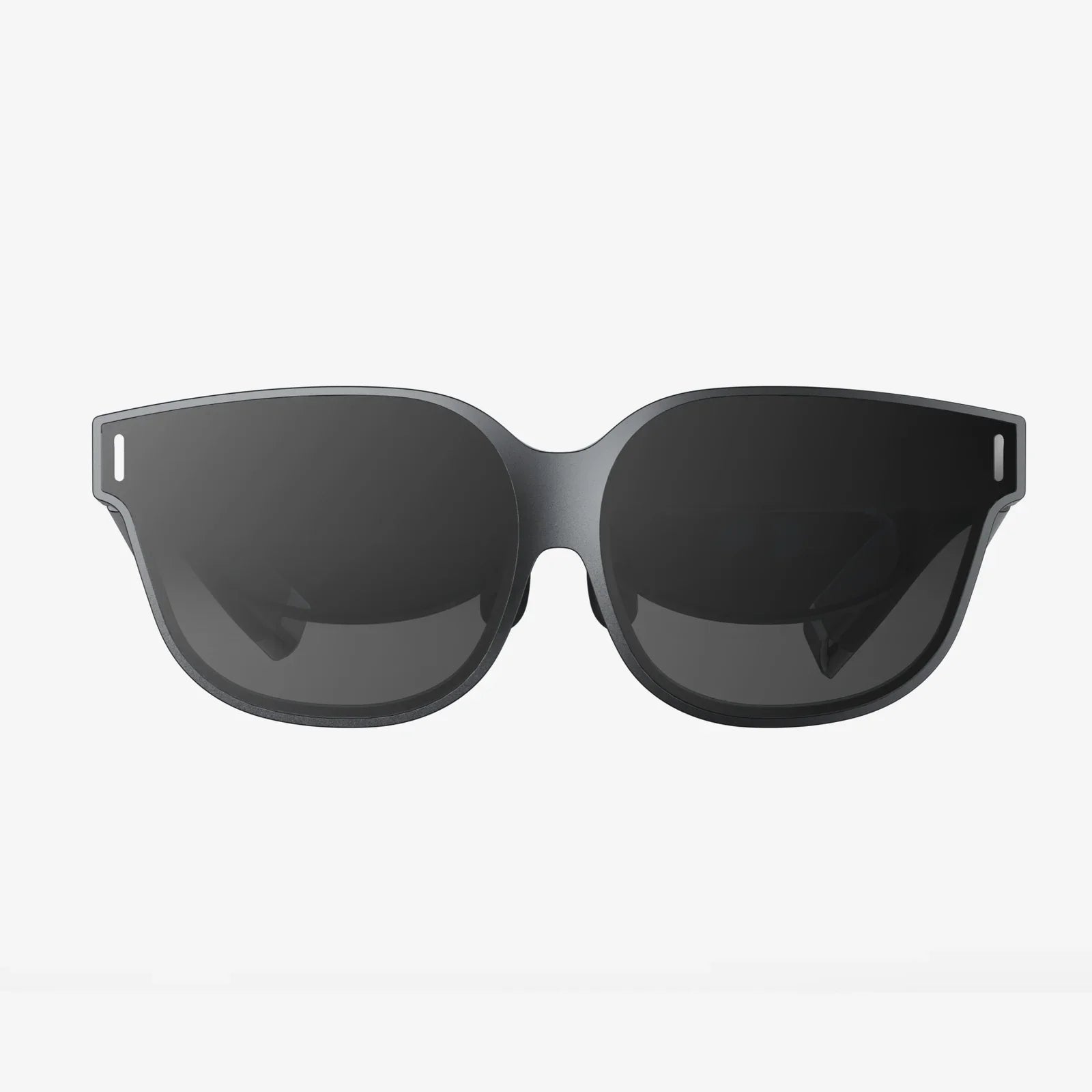
- by wangfred
Newest VR: Beyond the Hype and Into a Revolution of Sight, Sound, and Touch
- by wangfred
Remember the first time you strapped on a virtual reality headset? The promise was intoxicating: a portal to another world, a chance to walk on Mars, or to stand courtside at a championship game. For many, the reality was a compelling, yet undeniably flawed, experience. The screen door effect, the clunky controllers, the nagging sense of disconnection—these were the growing pains of a technology in its infancy. But fasten your seatbelt, because that era is over. The newest VR isn't just an iteration; it's a revelation, a comprehensive overhaul that addresses the very foundations of immersion, finally closing the gap between the virtual and the real in ways that were once the stuff of science fiction.
The single most immediate and jaw-dropping improvement in the newest VR hardware is visual fidelity. For years, the Fresnel lens was the standard. While effective, it came with drawbacks like god rays, glare, and a relatively small "sweet spot" for clarity. The newest headsets have largely abandoned this design in favor of pancake optics. This revolutionary lens design folds the light path, allowing for a dramatically slimmer and lighter headset profile. More importantly, it provides edge-to-edge clarity, eliminating the need to constantly adjust the headset to find that perfect focus. The entire field of view is now your sweet spot.
But a great lens needs an incredible display to match. Enter Micro-OLED (also known as OLEDoS or Si-OLED). Unlike the LCD panels of previous generations, Micro-OLED panels are manufactured on a silicon wafer, enabling pixels to be packed with incredible density. We're now seeing headsets with resolutions that push beyond 4K per eye, making the dreaded "screen door effect" a relic of the past. The colors are more vibrant, the blacks are truly black (thanks to OLED's perfect per-pixel lighting), and the contrast ratio is stunning. This combination means text is razor-sharp for reading and productivity, distant objects in games retain their detail, and the virtual world feels tangibly real, free from the visual noise that once broke immersion.
How we interact with the digital realm is undergoing its own quiet revolution. The standard wand-like controllers, while functional, created a barrier—a constant reminder that you were holding a tool to manipulate a world, not interacting with the world itself. The newest VR systems are pioneering a more natural paradigm: inside-out tracking and advanced hand tracking.
Gone are the external base stations that needed precise calibration. Modern headsets use a constellation of embedded cameras to map the room and track the controllers with stunning accuracy and minimal latency. This eliminates setup friction and makes the technology more accessible. More impressively, these same cameras are now powerful enough to track your bare hands with sub-millimeter precision. The ability to simply reach out and push a virtual button, grab an object with your actual fingers, or give a thumbs-up to a friend's avatar is a profound shift. It unlocks a level of intuitive interaction that feels magical. This technology is rapidly evolving beyond simple gesture recognition to understanding the nuance of pressure and finger placement, paving the way for incredibly complex virtual interfaces and social expressions.
Vision and interaction are two pillars of immersion, but the third—touch—has long been the final frontier. The newest VR is making significant strides here as well. Haptic feedback is evolving far beyond the simple buzz of a controller. We are seeing the development of:
This focus on haptics is crucial because it grounds the user in the experience. It provides the physical feedback that the brain expects when it sees your hand touch a virtual wall or pick up a digital object, completing the sensory loop and forging a much stronger illusion of presence.
The battle between wired and wireless VR has been largely decided. The convenience and freedom of a standalone headset are undeniable. Early standalone devices, however, were constrained by mobile-level processing power, limiting graphical complexity. The newest generation is shattering this compromise. With custom-built chipsets designed specifically for the intense demands of spatial computing, these headsets deliver console-quality graphics without a tether.
These processors are not just about raw power; they are about efficiency. They integrate advanced features like dedicated AI cores for managing inside-out tracking and hand recognition without bogging down the main CPU. They also enable sophisticated foveated rendering through eye-tracking technology. By precisely tracking where the user is looking, the headset can render the center of their vision in full detail while subtly reducing the rendering load in their peripheral vision—a area where the human eye perceives less detail anyway. This massive performance saving allows for richer, more complex worlds and stable, high frame rates, all on a self-contained device. This fusion of standalone convenience with high-fidelity graphics is the engine driving mainstream adoption.
While gaming remains a killer application, the true potential of the newest VR extends far beyond entertainment. This is not a toy; it's a powerful tool reshaping professional landscapes.
The newest VR is providing tangible solutions to real-world problems, offering new ways to connect, learn, and heal.
Despite the breathtaking progress, challenges remain. For the technology to achieve true ubiquity, several hurdles must be cleared. Content is paramount. The hardware is now capable of delivering profound experiences, and the software must rise to meet it. We need more deep, narrative-rich applications that leverage these new capabilities, not just tech demos.
Comfort is another critical factor. While headsets are lighter, achieving all-day comfort for work applications is still a goal. Advances in battery technology and distribution of weight are ongoing areas of innovation. Finally, the issue of social acceptance and accessibility lingers. The technology must continue to become more intuitive, affordable, and designed for a broader range of users to move from an enthusiast niche to a household staple.
The path forward involves not just better hardware, but a more mature ecosystem built on interoperability, robust developer tools, and a clear value proposition for the average consumer, not just the early adopter.
The dream of virtual reality has always been to step through the looking glass. For years, we've been peering through, smudges and all. The newest VR has not only wiped the glass clean; it has thrown the window wide open. This is no longer a promise of the future—it's an invitation to experience a profound shift in how we perceive digital information, connect with others, and interact with the very fabric of computation. The portal is here, and it's more real than you ever imagined.
Share:
AI Spectacles Price - A Comprehensive Guide to Cost, Value, and the Future of Wearable Tech
Visible Tech Support: The New Frontier in Customer Service and User Confidence