


Imagine pointing your smartphone at a static poster and watching it erupt into a dynamic, interactive concert preview, complete with a life-sized hologram of the band performing right on your coffee table. Now, imagine doing this without ever downloading a dedicated application. This is no longer a glimpse into a distant sci-fi future; it is the tangible, exhilarating reality delivered by the newest Web Augmented Reality (Web AR) technology. This revolutionary leap forward is dismantling the final barriers between the digital and physical worlds, transforming every smartphone into a window to an enhanced reality, instantly and effortlessly.
The Paradigm Shift: From App-Based to Accessible AR
For years, experiencing Augmented Reality was a cumbersome process. It required users to find, download, and install a specific application from a digital store, a significant barrier that limited AR's reach and spontaneity. The newest Web AR technology shatters this model entirely. Built on a foundation of sophisticated web standards like WebXR, WebGL, and WebAssembly, it allows complex AR experiences to be delivered directly through a web browser. A user simply clicks a link or scans a QR code, and within seconds, their camera view is augmented with digital content. This instant-access model is the single most important driver behind Web AR's explosive growth, making AR campaigns more shareable, scalable, and successful than ever before.
Core Technologies Powering the Revolution
The magic of the newest Web AR is powered by a symphony of advanced web technologies working in concert.
WebXR Device API: The Gateway to Immersion
This is the cornerstone technology. The WebXR API provides the essential interface between the browser and AR-capable hardware, such as smartphone sensors and cameras. It handles critical functions like tracking the user's position and orientation in real-time, rendering 3D graphics in perspective with the physical environment, and managing user input. Its continuous evolution is what allows for increasingly stable and convincing AR experiences on the web.
Advanced Computer Vision and Machine Learning
Modern Web AR frameworks leverage on-device machine learning to understand the world with remarkable accuracy. This enables features like:
- Surface Detection: Instantly identifying horizontal planes (floors, tables) and vertical planes (walls) for precise digital object placement.
- Image Tracking: Turning printed images, logos, or QR codes into highly accurate triggers for AR content.
- Object Recognition: Allowing the AR experience to interact with or respond to specific recognized objects in the real world.
- Occlusion: A cutting-edge feature where digital objects can realistically be hidden behind physical objects in the user's environment, a key factor in selling the illusion of reality.
Lighting Estimation and Environmental Understanding
The newest Web AR goes beyond simple object placement. It can now analyze the ambient light, shadows, and color temperature of a user's surroundings. This allows digital objects to be rendered with lighting that matches their real-world environment, casting appropriate shadows and reflecting nearby colors. This subtle but powerful technique dramatically increases the realism and believability of the AR scene.
Transformative Applications Across Industries
The implications of browser-based, instant AR are profound and are already being felt across numerous sectors.
Retail and E-Commerce: The End of Buyer's Remorse
The retail industry is being utterly transformed. Customers can now use their phone's browser to see how a new sofa would look in their living room, true to size and style. They can "try on" watches, sunglasses, or makeup by simply looking at their front-facing camera. This "try before you buy" capability drastically reduces return rates and increases consumer confidence, directly boosting conversion rates and sales.
Marketing and Advertising: Engagement Redefined
Marketing campaigns are becoming immersive adventures. A movie poster can become a trailer. A product package can reveal a detailed, animated 3D model of the product inside and interactive assembly instructions. This level of engagement creates a memorable, "wow" moment that fosters a deep, positive brand connection and is infinitely more shareable on social media than a static image.
Education and Training: Learning by Doing
Education is becoming more interactive and effective. Students can explore a 3D model of the human heart, rotating it and watching it beat, directly from their textbook's page. Mechanics in training can follow AR instructions overlaid onto real engine parts, simplifying complex procedures. This hands-on, visual learning style improves information retention and comprehension.
Navigation and Public Information
Imagine pointing your phone down a city street and seeing directional arrows and informational overlays guiding you to your destination or highlighting historical facts about buildings. Web AR is poised to become the ultimate contextual guide for complex spaces like airports, museums, and university campuses.
The Technical Hurdles and How They Are Being Overcome
The path to seamless Web AR has not been without challenges. Early web-based AR was often limited by browser performance, slow loading times for 3D assets, and inconsistent performance across different devices. The newest iterations have made monumental strides in overcoming these obstacles.
- Performance Optimization: Modern JavaScript engines and WebAssembly allow complex 3D rendering and computer vision algorithms to run at near-native speeds within the browser.
- Lightweight Assets: Advanced compression techniques and efficient 3D file formats like glTF (the "JPEG of 3D") ensure that high-fidelity models load quickly, even on slower mobile networks.
- Cross-Platform Compatibility: The relentless standardization of WebXR means that a single Web AR experience can run on the vast majority of modern iOS and Android devices, creating a truly universal platform.
The Future is Now: What's Next for Web AR?
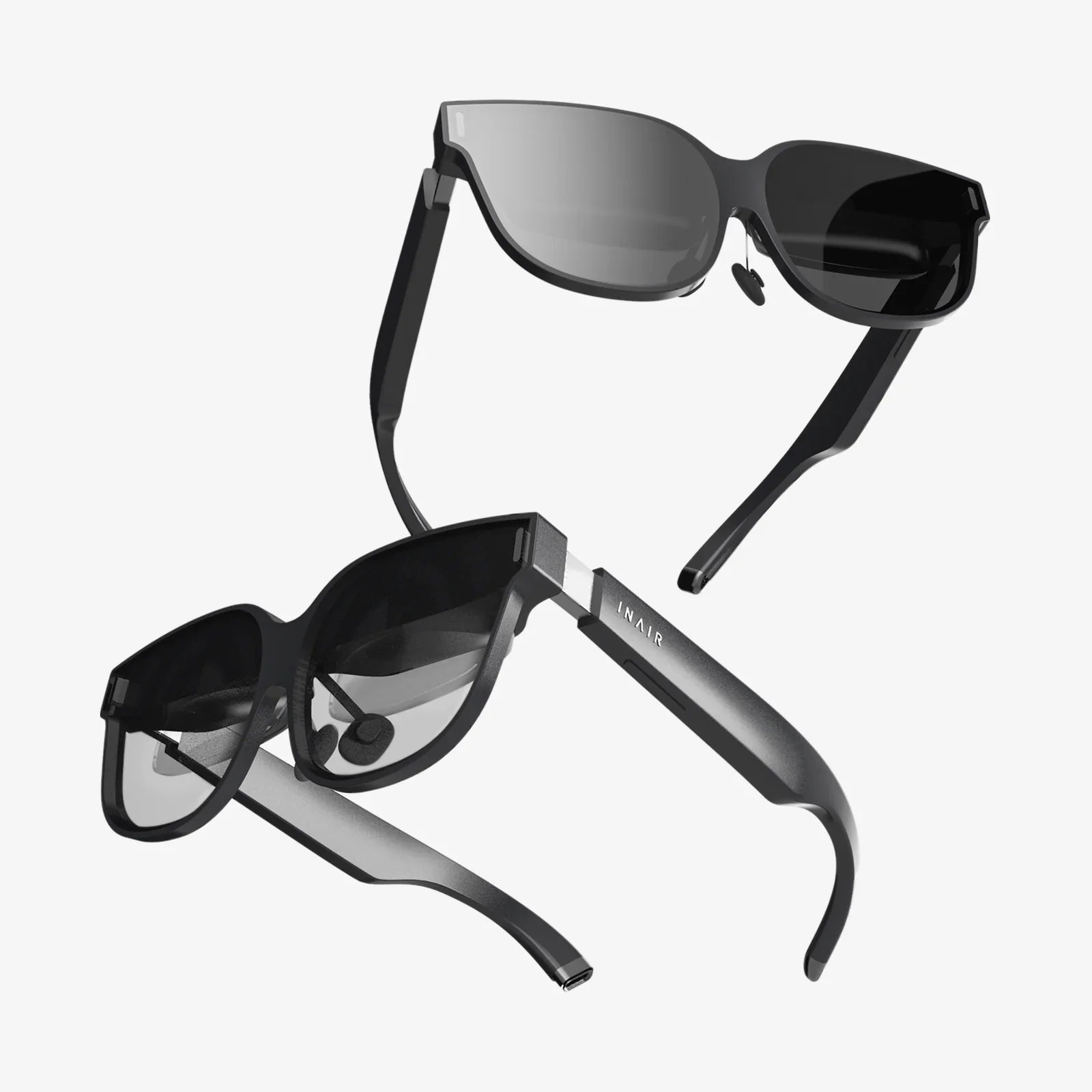
The evolution is far from over. The horizon for Web AR technology is shimmering with potential. We are rapidly moving towards multi-user AR experiences, where several people can join the same AR environment from their own devices and interact with the same digital content simultaneously, perfect for collaborative design or multiplayer games. Integration with wearable devices like smart glasses will make the hands-free, always-available AR experience a mainstream reality. Furthermore, the convergence of Web AR with the emerging concepts of the spatial web and digital twins will blur the lines between our online and offline existences until they become one seamless continuum.
The barrier between our reality and a digitally augmented one has not just been lowered; it has been vaporized. The newest Web AR technology is the master key, unlocking a universe of interactive potential from the device already in your pocket. It invites you to look closer, interact deeper, and see the world not for what it is, but for what it could be. The next time you open your browser, you might just be opening a door to another dimension.
Share:
Virtual Meeting Definition: The Complete Guide to Digital Collaboration
Virtual Meeting Definition: The Complete Guide to Digital Collaboration