


Imagine a world where your physical reality is not a boundary but a canvas. A world where digital information doesn’t live on a screen in your hand but is woven seamlessly into the fabric of your environment, and virtual worlds are not an escape from reality but a powerful extension of it. This is not a distant sci-fi fantasy; it is the palpable, accelerating future being built today. The next few years for AR and VR represent a critical inflection point, a period of convergence where years of prototyping, dreaming, and incremental advancement will erupt into a mainstream revolution that will redefine how we work, connect, learn, and play. The question is no longer if this will happen, but how quickly we will adapt to a new, blended layer of human experience.
The Hardware Evolution: Lighter, Smarter, More Powerful
The single greatest barrier to mass adoption of immersive technologies has been the hardware itself. Bulky headsets, limited field-of-view, underwhelming battery life, and the sheer physical discomfort of extended use have confined high-end experiences to enthusiastic early adopters. The next few years will see this change dramatically.
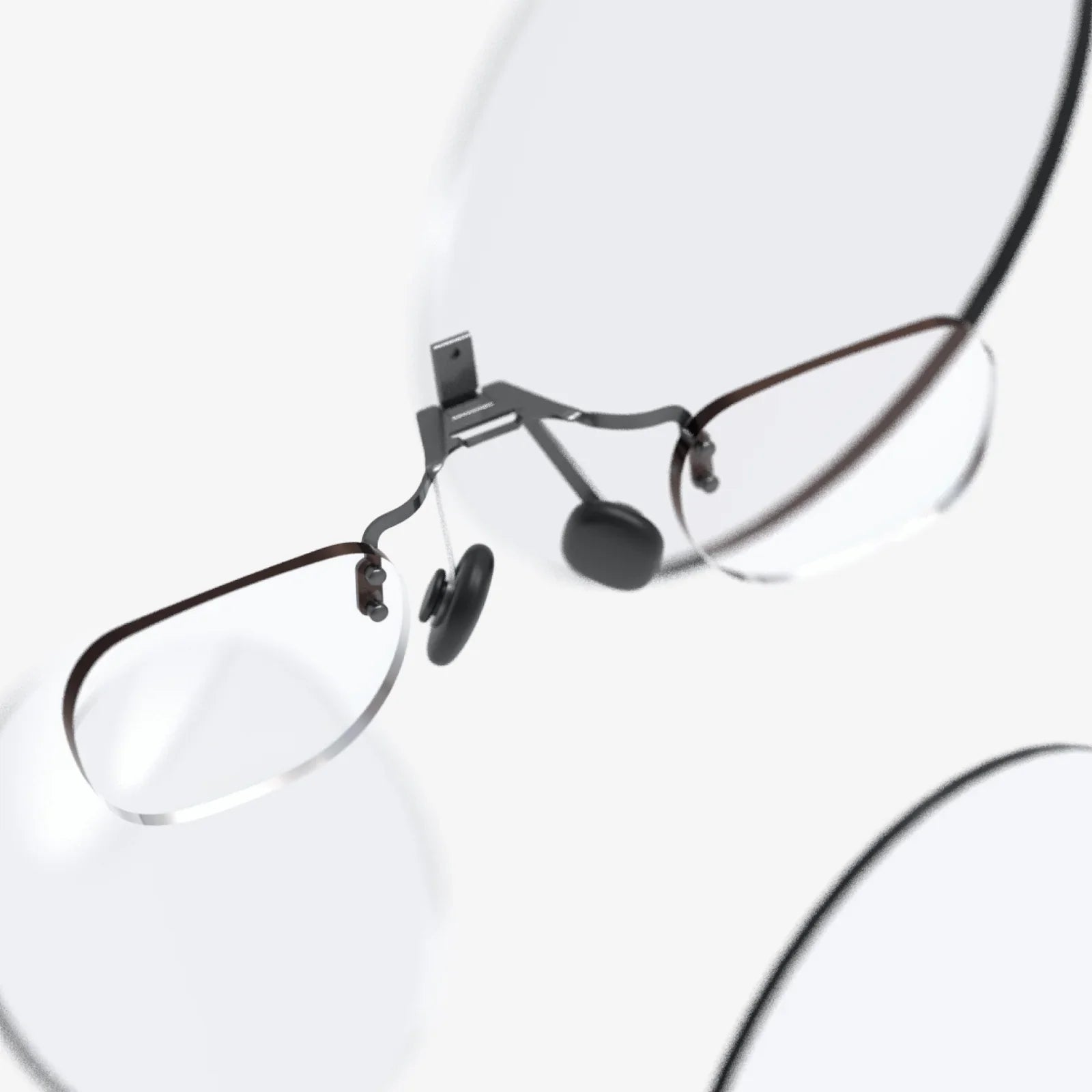
We are on the cusp of a form-factor revolution. Expect to see a decisive move away from the bulky, all-in-one designs of today towards sleek, lightweight glasses for AR and more compact, visually appealing headsets for VR. The goal is not just to reduce size but to increase comfort to the point of forgettability. The use of new materials like advanced polymers and carbon fiber, coupled with more efficient battery distribution and micro-OLED displays, will make devices you can wear for an entire workday or a long gaming session without fatigue.
Furthermore, the intelligence baked into this hardware will leap forward. On-device AI processors will become standard, enabling real-time spatial mapping, gesture recognition, and object identification without the latency of cloud computing. This means your AR glasses will instantly understand the room you walk into, allowing digital content to interact with physical objects in a believable way. For VR, inside-out tracking will become so precise and effortless that external sensors will be a relic of the past, making setup instantaneous and use completely frictionless.
The Killer App Is Context: Enterprise Leads the Charge
While the consumer market eagerly awaits a definitive "killer app," the real driving force for adoption in the next few years will be the enterprise sector. The return on investment for businesses is already becoming too significant to ignore. AR and VR are moving from novel marketing tools to essential components of the operational workflow.
- Remote Assistance and Training: A seasoned engineer thousands of miles away can see what a novice technician sees on the factory floor, annotate their field of view with arrows and instructions, and guide them through a complex repair procedure in real-time. This reduces downtime, minimizes errors, and preserves institutional knowledge.
- Design and Prototyping: Architects, automotive designers, and product engineers are using VR to walk through life-size 3D models of their creations long before a single physical resource is spent. This allows for iterative design changes in a virtual space, saving millions and drastically accelerating time to market.
- Complex Data Visualization: Medical professionals can explore 3D models of a patient's anatomy from MRI scans, planning surgeries with unprecedented precision. Financial analysts can step inside interactive graphs of market data, spotting trends and correlations that would be invisible on a 2D spreadsheet.
This enterprise-first adoption will fund the R&D that eventually trickles down to consumer devices, making them more powerful and affordable for everyone.
The Metaverse Matures: Beyond the Hype
The term "metaverse" has been burdened with hype and misunderstanding. In the next few years, we will move past the buzzword to see its foundational elements take shape. It will not be a single, unified digital kingdom, but a constellation of interconnected virtual spaces and experiences.
Interoperability will be the key watchword. The true value of a persistent virtual world lies in the ability to move your digital identity, assets, and currency between different platforms. While full interoperability remains a long-term challenge, we will see significant strides through open standards and protocols. This means the avatar and digital clothing you purchase in one experience might be wearable in another, creating a cohesive sense of self across the digital landscape.
Social connection will be the primary engine of the consumer metaverse. It will evolve from playing games together to simply "hanging out." Virtual concerts, cinemas, comedy clubs, and meeting spaces will become commonplace, offering a sense of presence and shared experience that video calls cannot replicate. This will be particularly transformative for maintaining long-distance relationships and combating the epidemic of loneliness in an increasingly digital world.
The Invisible Interface: How We Interact Will Change Forever
The mouse and keyboard revolutionized computing, and the touchscreen defined the mobile era. The next few years will see the rise of the next paradigm of human-computer interaction: natural intuition.
Voice commands, gesture control, and eventually, eye-tracking and neural interfaces will become the primary ways we interact with digital content. We will point at a virtual object to select it, pinch the air to zoom, and simply look at a menu to activate it. This shift to more embodied interaction will make technology more accessible, reducing the learning curve for those intimidated by traditional interfaces.
This has profound implications. Imagine an AR navigation system that doesn't require you to look at your phone but simply paints a colored path on the sidewalk in front of you. Or a VR design tool where you sculpt a 3D model with your hands as if it were digital clay. This move towards invisible, context-aware UIs will make technology feel less like a tool and more like an extension of our own intent.
The Ethical Imperative: Navigating the New Frontier
With great power comes great responsibility, and the immersive power of AR and VR introduces a host of ethical dilemmas that society must urgently address in the coming years.
- Data Privacy and Security: These technologies are data collection engines on an unprecedented scale. They don't just know what you click on; they know where you look, how long you look at it, your physiological responses, and the precise layout of your home. Establishing robust frameworks for who owns this data and how it can be used is paramount.
- The Reality Gap: As AR and VR become more photorealistic, the line between what is real and what is simulated will blur. This creates risks from deepfakes in VR to digital vandalism in AR. Societies will need to develop new literacy skills to critically evaluate immersive media.
- Access and Inequality: There is a very real risk of creating a new digital divide between those who can afford these advanced technologies and those who cannot. Ensuring equitable access for education, healthcare, and civic participation will be a major challenge.
- Psychological Impact: The long-term effects of living with persistent digital overlays or spending significant time in virtual environments are not yet fully understood. Research into the psychological, social, and neurological impacts must keep pace with technological development.
The Seamless Blend: AR's Path to Ubiquity
While VR offers total immersion, AR's potential for ubiquity is even greater. Its success hinges on becoming an invisible, always-available layer on top of the world, and the next few years will see it move from a "see-through screen" to a truly contextual assistant.
Advancements in photonics and waveguide technology will be crucial, allowing for bright, vibrant digital images to be projected onto clear lenses without blocking your view. Your AR glasses will automatically translate foreign language signs as you look at them, identify constellations in the night sky, or display the recipe for a dish you're cooking right beside the mixing bowl.
This will be powered by a sophisticated understanding of context. The system will know if you're in a business meeting, at the gym, or walking down a busy street, and will surface the relevant information accordingly, fading into the background when not needed. This shift from pulling information from a device to having it pushed to you effortlessly in the perfect context will be the final step in making AR an indispensable part of daily life.
The horizon is no longer a line but a vast, unfolding space of possibility. The next few years will tear down the final barriers between the digital and the physical, not with a disruptive jolt, but with a seamless integration that will feel astonishingly natural. We are not just putting on a new device; we are putting on a new way of seeing, understanding, and interacting with reality itself. The businesses that thrive will be those that build for this blended world, the individuals who flourish will be those who adapt to its new literacies, and the societies that succeed will be those that guide its development with wisdom, foresight, and a unwavering commitment to humanity. The future is not something we will enter; it is a layer we will wear, and it is arriving sooner than you think.
Share:
When Will Augmented Reality Be Available? The Future Is Closer Than You Think
AI Glasses with Screen Display: The Invisible Revolution Reshaping Reality