


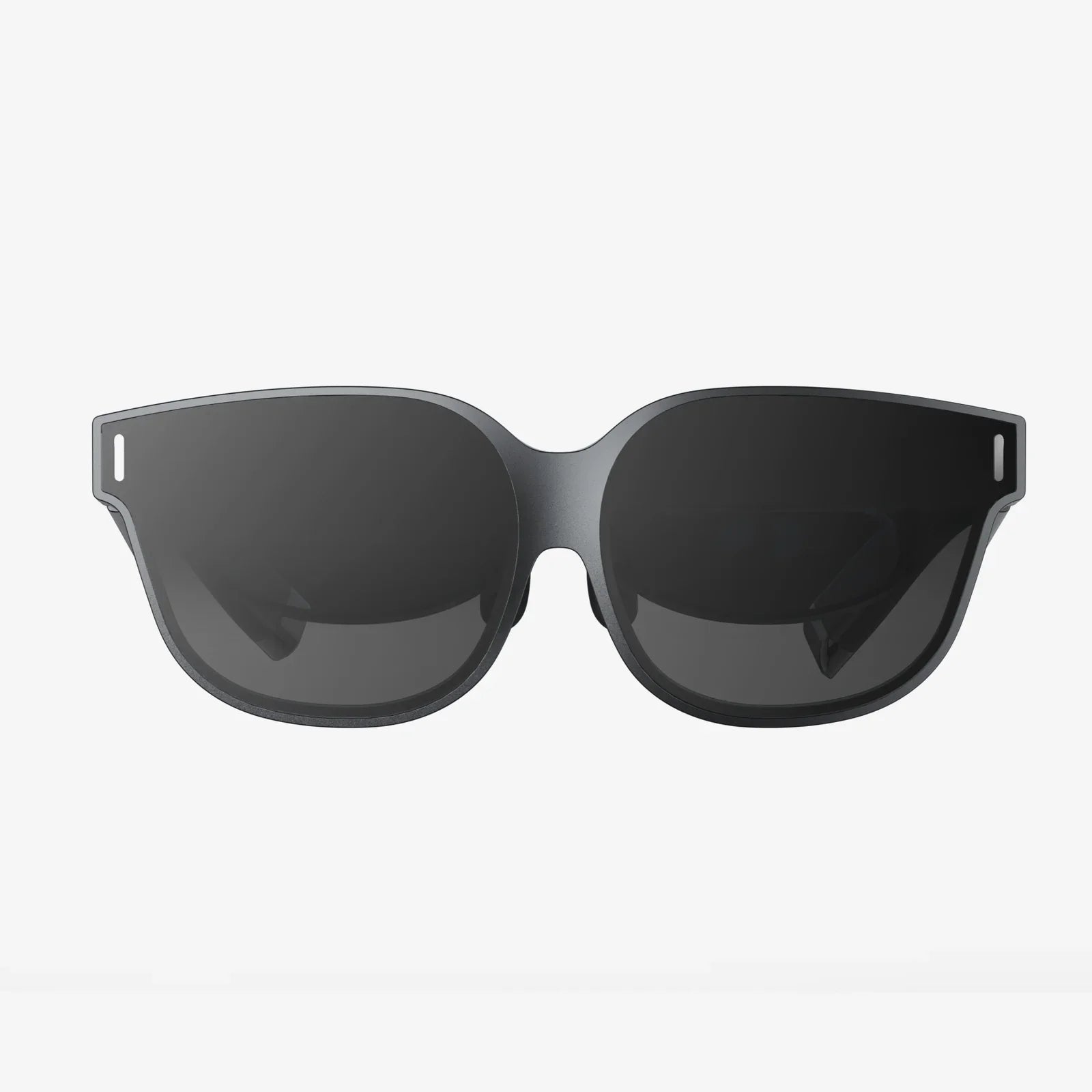
Imagine a world where your clothing monitors your posture, your ring authenticates your identity, and your glasses overlay a digital universe onto your own. The devices we strap to our wrists are merely the opening chapter of a much larger story. The next wearable tech is not an iteration; it's a revolution, moving beyond the accessory to become an invisible, integrated, and indispensable layer of our human experience. This is the dawn of a new era where technology doesn't just live on our bodies—it understands them, anticipates our needs, and empowers us in ways we are only beginning to comprehend.
The Invisible Interface: From Screens to Seamless Sensing
The most significant shift in the next wave of wearables is the move towards invisibility. The goal is no longer to create the most eye-catching gadget but to develop technology that fades into the background of our lives. This means a departure from the rigid, screen-dominated form factors of today.
We are entering the age of smart fabrics and electronic textiles (e-textiles). Researchers and developers are weaving micro-sensors and conductive threads directly into the very fibers of our clothing. This allows for a continuous, unobtrusive, and holistic collection of biometric data far superior to a point-of-contact device like a watch. A shirt can measure respiratory rate and heart rhythm through the chest wall. Socks can analyze gait and weight distribution to prevent athletic injuries. Insoles can track balance and posture throughout the day. This constant, ambient sensing provides a rich, multi-point data stream that paints a complete picture of our physiological state, moving from periodic snapshots to a real-time, high-definition video of our health.
Furthermore, miniaturization is pushing compute power and battery life into new, smaller forms. Smart rings are emerging as powerful sleep trackers and authentication devices, worn 24/7 without the bulk of a watch. Hearables are evolving from simple wireless earbuds into sophisticated health monitors, capable of measuring core body temperature and even conducting hearing tests. The interface itself is changing, too. Instead of tapping a glass screen, we will interact through subtle voice commands, gesture control (a flick of the wrist, a pinch of the fingers), and even subvocalization recognition—technology that detects the neuromuscular signals sent to your vocal cords when you talk to yourself silently.
The Rise of Contextual and Predictive Intelligence
Data collection is meaningless without interpretation. Next-generation wearables will be defined by their intelligence, moving from descriptive analytics ("you slept 7 hours") to prescriptive and predictive insights ("based on your elevated resting heart rate and decreased sleep quality, you are likely fighting off a virus; consider resting and hydrating").
This leap will be powered by sophisticated on-device artificial intelligence (AI) and machine learning models. Instead of merely syncing data to the cloud for processing, the wearable itself will possess the processing power to analyze complex data streams in real-time. This enables immediate, context-aware feedback. For example, a device could detect the early signs of an elevated stress response and suggest a breathing exercise on the spot, or it could recognize a sudden fall and instantly initiate an emergency call sequence.
These systems will learn our personal baselines and rhythms, creating a unique "health fingerprint" for each user. They will understand context: a elevated heart rate during a workout is normal, but the same reading during a meeting might indicate anxiety. This predictive capability will be transformative for proactive healthcare, allowing for early intervention in mental health, chronic disease management, and overall wellness long before a critical event occurs. The device becomes a personalized health guardian.
Augmenting Reality: The Next Digital Frontier
While health is a primary driver, the next wearable tech will also fundamentally alter our perception of reality. Augmented Reality (AR) glasses
Early versions of smart glasses provided limited information like directions or notifications. The next generation will feature advanced micro-displays, powered by AI, that overlay immersive, interactive digital objects onto our field of view. Imagine walking through a city and seeing historical facts pop up about the buildings around you, having navigation arrows painted onto the sidewalk, or collaborating with a colleague on a 3D holographic model that you can both see and manipulate in real space.
The success of AR wearables hinges on solving significant challenges: achieving a natural, socially acceptable form factor, developing all-day battery life, and creating intuitive spatial interfaces. But the potential is staggering. They could replace smartphones, laptops, and televisions, becoming the primary conduit for information, entertainment, and communication. This shift will redefine social interaction, digital etiquette, and the very nature of how we work and play.
Biometric Integration and the Future of Personal Security
As wearables become more intimate, they will also become the key to our digital and physical identities. The next generation will move beyond fingerprint and facial recognition to continuous authentication based on unique, unchangeable biological signatures.
This includes heart rate patterns (ECG), which are unique to each individual, and vein recognition. A device could continuously verify your identity simply by being on your body, eliminating passwords and creating a seamless and ultra-secure digital experience. Your car could unlock and start as you approach, your computer could log you in the moment you sit down, and payment terminals could authorize transactions with a touch. This creates a world where your identity is always with you, woven into your very being, reducing fraud and simplifying daily transactions.
Ethical Considerations and The Path Forward
This deeply integrated future is not without its profound challenges and ethical dilemmas. The amount of personal, biometric data these devices will collect is unprecedented. This raises critical questions:
- Data Ownership and Privacy: Who owns your physiological data? How is it stored, used, and sold? Robust regulations and transparent data policies will be essential to prevent misuse by corporations or governments.
- Health Equity: Will these advanced health monitors be accessible to all, or will they exacerbate existing health disparities?
- The Algorithmic Self: If an AI makes a health recommendation, who is liable if it's wrong? To what degree do we cede autonomy to our wearable algorithms?
- Digital Dependency and Burnout: With constant connectivity and data tracking, will we become more anxious and less present in our own lives?
Navigating these issues will require a collaborative effort from technologists, policymakers, ethicists, and the public. The technology itself must be designed with "privacy by design" principles, giving users full control over their data.
The trajectory is clear. We are moving towards a future of multi-device ecosystems, where a constellation of specialized, interconnected wearables—from earrings to shoes to glasses—work in harmony to serve our needs. They will communicate with each other and with other smart devices in our environment, creating a truly ambient computing experience.
The next wearable tech is not a single device; it's a paradigm shift. It's the promise of technology that enhances our human capabilities without demanding our constant attention. It’s the move from tracking our steps to guiding our well-being, from displaying notifications to augmenting our reality. The boundary between our biological selves and our technology is becoming increasingly porous, heralding a future where our devices are less like tools we use and more like intelligent partners that help us live healthier, safer, and more connected lives. The future won't be worn on the wrist; it will be woven into the fabric of our existence, and it's arriving faster than we think.
This seamless fusion of biology and technology promises a world where your environment adapts to your needs before you even voice them, transforming every aspect of daily life from healthcare to how we connect with others. The next generation of wearables will not just change what we do—it will redefine what we are capable of.
Share:
Smart Glasses Size: The Ultimate Guide to Finding Your Perfect Fit
Smart Glasses Wearable Tech: The Invisible Revolution Reshaping Reality