


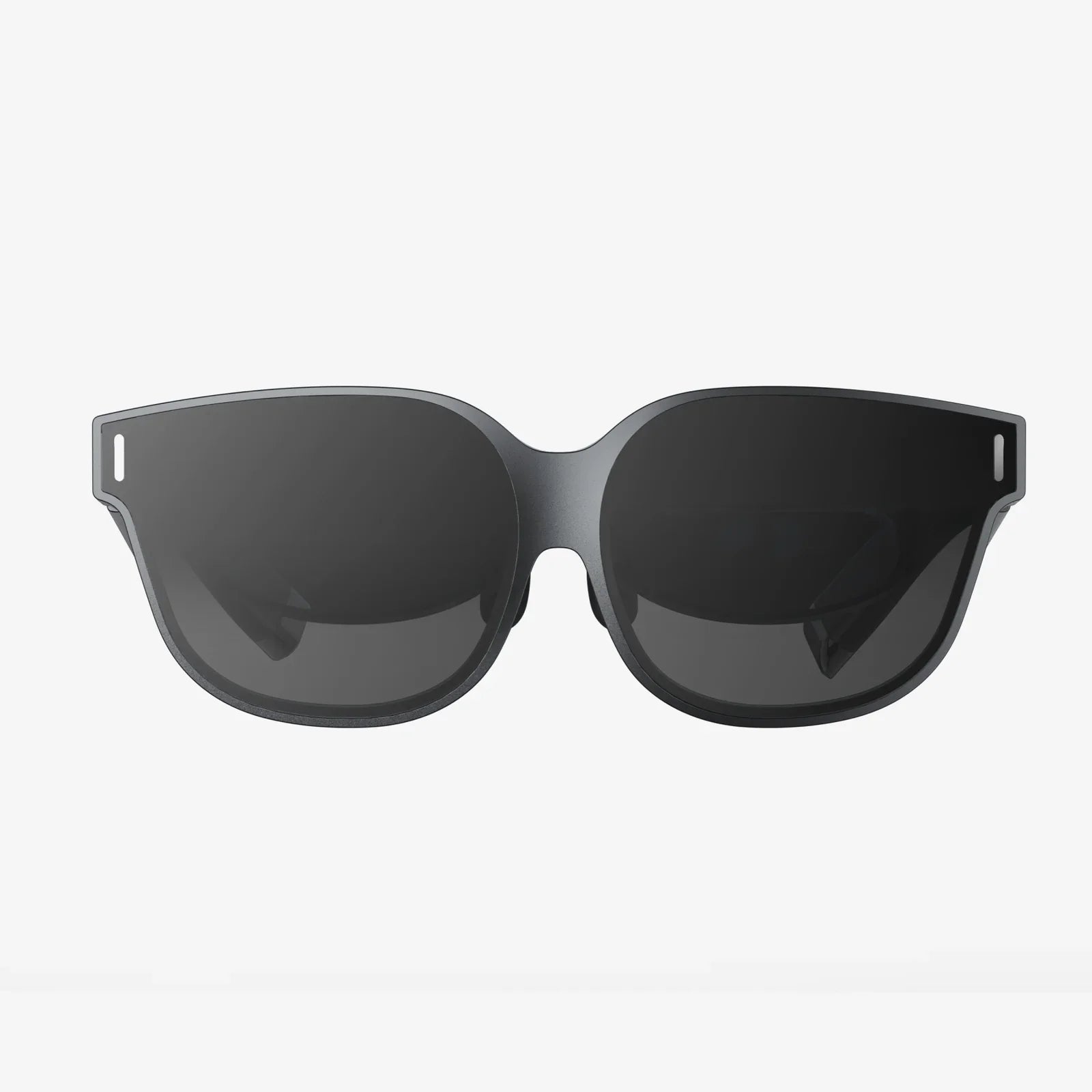
Imagine a world where the boundaries between the digital and the physical dissolve completely, where you can step into any reality, any experience, without a single wire holding you back. The promise of the next wireless VR headset isn't just an incremental upgrade; it's the final key to unlocking true, unadulterated immersion. For years, enthusiasts and developers have dreamed of this moment—a device that combines high-fidelity visuals, intuitive interaction, and absolute freedom of movement. That dream is now hurtling toward reality, and its arrival will redefine everything from how we play games to how we work, socialize, and learn. The next generation isn't just coming; it's about to change the game entirely.
The Evolution of Untethered Freedom
The journey to this point has been one of relentless innovation and gradual liberation. Early high-end headsets were phenomenal graphical powerhouses, but they were shackled—literally—by thick, cumbersome cables connecting them to powerful computers. This tether was a constant reminder of the real world, a tripping hazard that limited physical movement and broke the fragile sense of presence that VR strives to create. The first wave of standalone headsets broke this physical chain, offering a glimpse of freedom but often at a significant cost: graphical fidelity, processing power, and battery life.
These initial standalone devices were revolutionary in their own right, proving that a compelling, all-in-one experience was possible. They opened the door to a much broader audience, democratizing access to virtual worlds without the need for expensive additional hardware. However, they operated in a different league from their tethered counterparts, often described as mobile-grade versus desktop-grade. The next wireless VR headset aims to shatter this distinction entirely. It seeks to merge the uncompromised performance of a PC-powered experience with the elegant, unrestricted freedom of a standalone device. This isn't just a step forward; it's a quantum leap.
Pillars of the Next Generation: What to Expect
The defining features of the next wireless VR headset will be built upon several key technological pillars, each solving a critical piece of the immersion puzzle.
Visual Fidelity: Beyond Resolution
Resolution and refresh rate will, of course, see significant bumps, moving closer to the coveted "retina" level of pixel density where the screen door effect becomes a distant memory. But the real magic will lie in more advanced display technology. Micro-OLED panels promise perfect blacks, incredible contrast ratios, and vibrant colors, making virtual worlds feel more tangible and real than ever before. Furthermore, expect to see widespread adoption of pancake lenses. These compact optical systems allow for a much slimmer and lighter headset design while providing a larger, clearer, and more consistent sweet spot, reducing eye strain and improving comfort during extended sessions.
Processing Power: The On-Device Brain
The heart of any standalone headset is its System-on-a-Chip (SoC). The next generation will be powered by chipsets designed specifically for the immense demands of high-end VR and AR. These processors will leverage advanced manufacturing processes, packing more transistors into a smaller space for vastly improved performance and energy efficiency. This means complex physics simulations, realistic lighting and shadows, and highly detailed environments will all be rendered directly on the device, without any loss in quality. The integration of dedicated AI cores will also play a huge role, powering features like advanced inside-out tracking, gesture recognition, and real-time environmental understanding with minimal latency.
Wireless Technology: The Invisible Cord
True wireless freedom requires a flawless, high-bandwidth connection, and this is where new wireless standards come into play. While older standalone headsets relied on their own internal processors, the next wireless VR headset for enthusiasts might also offer a hybrid mode. Using cutting-edge Wi-Fi protocols, it will be able to receive a compressed, ultra-low-latency video stream from a nearby PC or console, effectively acting as a wireless display for the highest-end experiences. This technology will need to be robust enough to handle massive data throughput without a hint of lag or compression artifacts, making the "invisible cord" feel truly seamless.
Battery Life and Design: All-Day Comfort
A sleek, lightweight design is meaningless if the battery dies in an hour. Next-gen headsets will tackle this through a combination of more efficient components and innovative power solutions. We can expect smarter power management that dynamically allocates resources based on the application's needs. Furthermore, the adoption of swappable battery packs—either integrated into a redesigned, ergonomic strap system or as hot-swappable external units—could finally solve the endurance problem, allowing for continuous use limited only by the number of packs you own. The overall design will trend towards balance, weight distribution, and materials that make the headset feel like a natural extension of the body, not a device strapped to your face.
The Input Paradigm: Your Hands as Controllers
While traditional handheld controllers will continue to evolve with better haptics and tracking, the ultimate goal is their eventual obsolescence. The next wireless VR headset will feature a suite of high-resolution, wide-field-of-view cameras capable of sophisticated inside-out tracking and, crucially, precise hand-tracking. This will allow users to interact with virtual objects using nothing but their fingers and gestures, offering a level of intuition and immersion that controllers cannot match. Imagine typing on a virtual keyboard, sculpting a digital statue, or manipulating a complex 3D model with the same dexterity you have in the real world. This is the promise of robust hand-tracking.
Beyond Gaming: The Expansive Virtual Ecosystem
While gaming will remain a primary driver, the impact of a high-fidelity wireless headset will ripple across countless other industries, fundamentally altering how we connect and create.
The Virtual Workspace
Remote work will be transformed. Instead of a grid of faces on a flat screen, meetings could take place in a virtual boardroom, on a digital Martian landscape, or around a 3D model of a new product design. The ability to share and manipulate spatial data with colleagues as if you were standing next to them will unlock new forms of collaboration for architects, engineers, and designers. A wireless headset is crucial here, as it allows the user to move, gesture, and interact naturally without being anchored to a single spot, making the virtual office feel truly alive and dynamic.
Social Connection and Live Events
Social VR platforms will evolve from novel curiosities into genuine digital public squares. Attending a live concert with friends from across the globe, feeling the scale of the crowd and the energy of the performance, will be a common experience. The freedom of wireless movement will allow for more natural social interactions—leaning in for a conversation, stepping back to take in a view, or dancing without fear of yanking a cable from the wall. This sense of shared presence, unencumbered by hardware limitations, has the potential to forge stronger and more meaningful digital connections.
Education and Training
From medical students performing virtual dissections to mechanics learning to repair a new engine model, immersive training offers unparalleled efficacy. A wireless headset allows trainees to physically walk around, crouch, and inspect virtual objects from every angle, mimicking real-world actions perfectly. This kinaesthetic learning, free from the fear of damaging expensive equipment or making a fatal error in a medical scenario, provides a safe, repeatable, and highly effective training environment.
Challenges on the Horizon
Despite the exciting potential, the path forward is not without its obstacles. The quest for a perfect wireless headset is a balancing act of competing priorities.
Thermal Management: Packing desktop-level performance into a device on your face generates significant heat. Managing this without resorting to loud, distracting fans or making the headset uncomfortably warm is a major engineering hurdle.
The Cost of Innovation: Cutting-edge technology is never cheap. The first wave of these next-generation headsets will likely carry a premium price tag, potentially limiting their initial adoption to professionals and hardcore enthusiasts. The challenge for the industry will be to drive down costs without compromising on the core vision.
Content and the Killer App: Hardware is nothing without software. The industry will need a steady stream of compelling applications that fully leverage these new capabilities to justify the investment for the average consumer. A killer app that can only exist on this new hardware will be essential for mass-market breakthrough.
A Glimpse into the Future: The Road Ahead
The next wireless VR headset is more than a product; it's a platform for the next decade of computing. As we look beyond its immediate launch, we can see the contours of an even more integrated future. The lines between VR and AR (Augmented Reality) will continue to blur. Future devices might seamlessly transition from fully immersive virtual worlds to overlaying digital information onto your physical living room, all with a click of a button or a simple voice command.
Advancements in brain-computer interfaces (BCI), though still in their infancy, hint at a future where control is neural, not manual. Haptic feedback suits could provide tactile sensation to match the visual fidelity. The ultimate goal is a full-body experience that engages all senses, creating digital realities that are indistinguishable from our own—a concept often called the "Simulation Hypothesis" made real. The next wireless headset is the critical first step on this long and incredible journey, removing the final physical barrier between our world and the ones we create.
The stage is set for a revolution not just in how we play, but in how we live. The next wireless VR headset is the portal, and for the first time, the door is completely open, waiting for us to step through without looking back. The only question that remains is not if you will enter, but what you will become when you do.
Share:
Standalone VR Headset Comparison 2025: The Ultimate Buyer's Guide to Untethered Freedom
Standalone VR Headset Comparison 2025: The Ultimate Buyer's Guide to Untethered Freedom