


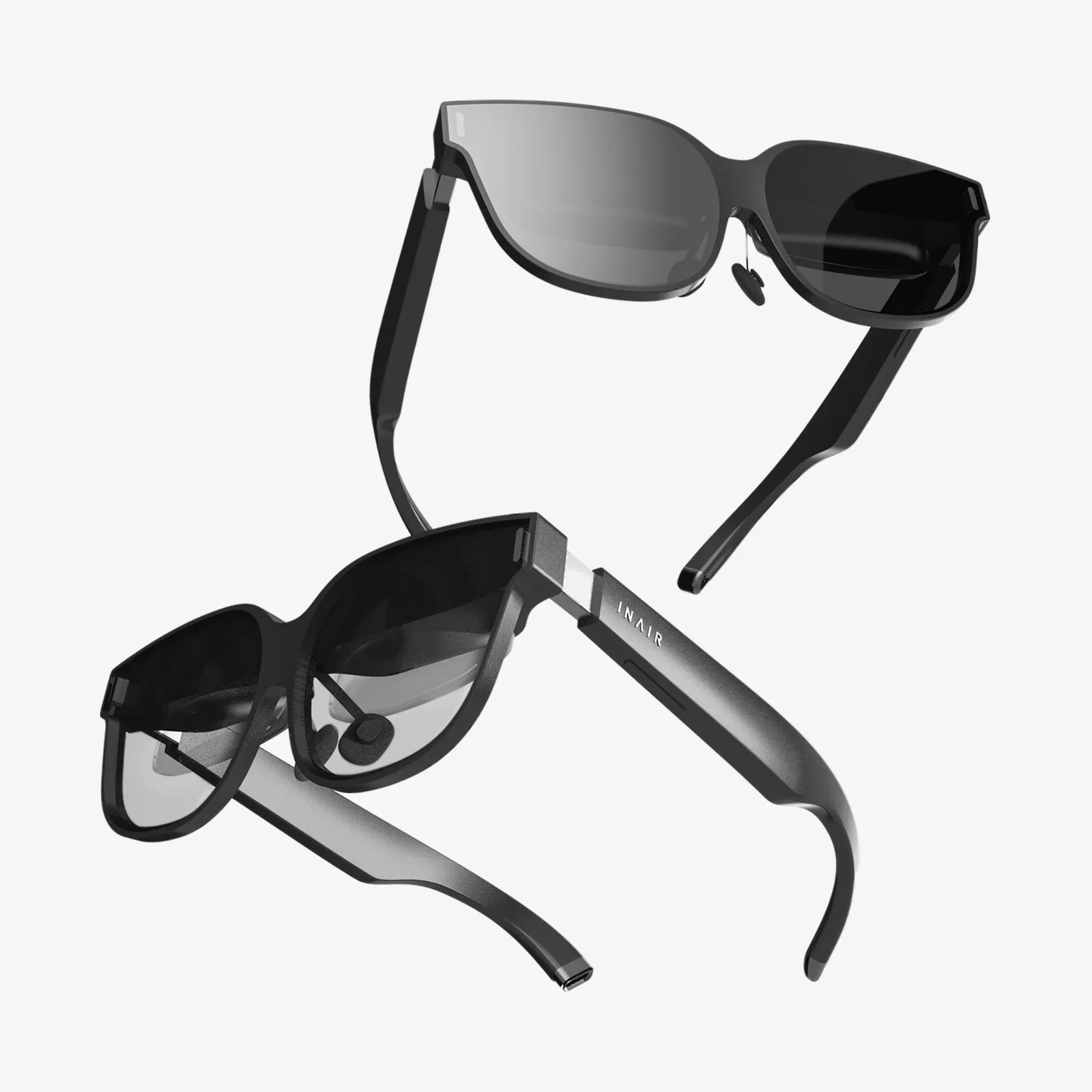
No built-in battery glasses are quietly reshaping what we expect from modern eyewear, combining smart functionality with the simplicity and safety of traditional glasses. If you have ever worried about heavy frames, overheating electronics near your eyes, or the hassle of charging yet another device, this new design philosophy might be exactly what you have been waiting for.
As more people spend long hours in front of screens, commute in bright sunlight, or need vision support throughout the day, the demand for multi-purpose glasses has exploded. Yet many so-called “smart” glasses come with built-in batteries that add weight, create heat, and raise concerns about long-term reliability. No built-in battery glasses take a different path: they deliver useful features while offloading the power source away from your face, often to a pocket, phone, or external accessory. This seemingly small design change can dramatically improve comfort, safety, and flexibility.
What Are No Built-in Battery Glasses?
No built-in battery glasses are eyewear that provide enhanced or smart functions without housing a battery inside the frame or temples. Instead of relying on an internal power cell, these glasses draw energy from an external source, or they are designed to work without electricity at all.
There are two main categories of no built-in battery glasses:
- Purely passive glasses that use optical design, lens coatings, or mechanical adjustments to deliver benefits like blue light filtering, magnification, or variable tinting without any electronics.
- Externally powered glasses that use wired or wireless connections to an outside power source, such as a smartphone, a neckband, a pocket battery pack, or another wearable device.
This approach can support a surprising range of features, from basic comfort enhancements to sophisticated display or audio capabilities, all while keeping the frames lighter and simpler.
Why Remove the Battery from the Frames?
At first glance, putting a battery directly into glasses seems convenient. However, over time users have discovered several trade-offs. No built-in battery glasses eliminate many of these issues by rethinking where power should live.
1. Comfort and Weight Distribution
Traditional smart glasses often become heavier as features are added. Batteries, sensors, microphones, and speakers all take up space and mass. Even a small battery can create pressure on the bridge of the nose and behind the ears, especially during long days of wear.
No built-in battery glasses keep the frames closer to the weight of ordinary eyewear. This can reduce headaches, skin marks, and the constant awareness that you are wearing a gadget on your face. For people who already wear prescription lenses, the difference in comfort can be dramatic, especially during long work sessions or extended travel.
2. Thermal Safety and Peace of Mind
Batteries generate heat, particularly during charging or heavy use. While serious incidents are rare, many people feel uneasy about having a lithium cell resting just millimeters from their eyes and temples. Even mild warmth can be distracting or uncomfortable.
No built-in battery glasses remove that concern. Without a battery in the frame, there is no risk of battery swelling or heat buildup inside the glasses themselves. Any external power source can be kept at a safer distance, such as in a pocket or clipped to clothing, where heat is less alarming and easier to manage.
3. Longevity and Durability
Batteries degrade over time. After a few years, many electronic devices lose a significant portion of their original capacity. With traditional smart glasses, this can mean that an otherwise perfectly usable pair becomes frustrating due to short battery life, and replacing the battery may be difficult or impossible.
No built-in battery glasses avoid this problem within the frames. Because the power source is external, it can be upgraded, replaced, or swapped out easily without discarding the glasses. This can extend the usable life of the eyewear and reduce electronic waste.
4. Design Flexibility and Aesthetics
Housing a battery in a frame requires extra thickness, rigid sections, and space for wiring. This limits design options and often results in bulky, conspicuous glasses that look more like gadgets than fashion accessories.
By eliminating the internal battery, designers can create slimmer, more traditional-looking frames. This makes no built-in battery glasses more acceptable in professional settings, social environments, and everyday life. People who dislike the look of chunky tech eyewear can enjoy advanced features without advertising that they are wearing a device.
5. Regulatory and Travel Advantages
Devices with built-in batteries are subject to various regulations, especially for air travel and shipping. While these rules are manageable, they add complexity for both manufacturers and users.
No built-in battery glasses can simplify logistics. The eyewear itself is typically treated more like regular glasses, while any external battery pack follows standard rules for portable power banks. This separation can make replacements, repairs, and international travel more straightforward.
Key Use Cases for No Built-in Battery Glasses
Removing the battery from the frames does not mean giving up functionality. Instead, it often leads to more thoughtful and focused use cases, where the glasses do exactly what you need them to do, without unnecessary complexity.
Screen-Heavy Work and Study
Many people spend most of their day staring at screens. No built-in battery glasses can offer passive benefits like blue light filtering, anti-glare coatings, or prescription correction without any electronics at all. For those who need extra features such as subtle notifications or focus aids, external power solutions keep the glasses light and comfortable for long sessions.
Professionals and students can wear these glasses from early morning to late night without feeling as if they are carrying a device on their face. This makes it easier to forget about the hardware and focus on the work.
Driving, Cycling, and Outdoor Activities
Outdoor use is another strong scenario. No built-in battery glasses can incorporate photochromic or polarized lenses that adapt to light conditions without any power. For users who want navigation prompts, performance metrics, or audio guidance, external power systems can provide these features while keeping the frames safer and less intrusive.
Because there is no battery inside the frames, there is less risk of hardware failure due to temperature extremes that can occur in cars or outdoor environments. The glasses remain robust while the external power pack can be kept in a more temperature-stable location.
Gaming and Extended Reality Experiences
In gaming and extended reality scenarios, comfort over long periods is critical. Head-mounted devices and heavy smart glasses can cause fatigue and discomfort. No built-in battery glasses can serve as a lightweight visual interface, with power and processing handled by a separate device such as a console, computer, or wearable hub.
This separation of roles can reduce the weight on the face and head, enabling longer, more comfortable sessions. It also simplifies upgrades: the glasses can remain the same while the external hardware evolves.
Accessibility and Assistive Use
For users who rely on assistive technologies, reliability and comfort are essential. No built-in battery glasses can integrate with external devices that provide audio descriptions, magnification, or text-to-speech functions while keeping the eyewear itself as simple and robust as possible.
This can be especially beneficial for people who wear glasses all day and cannot easily tolerate heavy or hot frames. External power and processing units can be positioned where they are easiest to access and maintain, without compromising the comfort of the glasses.
How No Built-in Battery Glasses Get Their Power
When no battery lives inside the frames, how do powered features work? There are several common approaches, depending on the level of functionality required.
1. External Battery Pack
One straightforward method is to use a small external battery pack connected by a thin cable. The pack can be clipped to clothing, placed in a pocket, or worn around the neck.
This setup offers several advantages:
- Higher capacity: External packs can be larger and support longer use without making the glasses heavier.
- Easy replacement: Users can carry a spare pack or upgrade to a higher-capacity model without changing the glasses.
- Better heat management: Any warmth generated stays away from the face.
The main trade-off is managing the cable and pack placement, but for many users the comfort benefits outweigh this minor inconvenience.
2. Tethered to a Smartphone or Wearable Device
Another option is to draw power indirectly from a smartphone or wearable device. The glasses connect via cable or wireless link, while the phone or wearable handles both power and processing.
This configuration keeps the glasses extremely light and simple. It also leverages a device that users already carry, reducing the number of separate batteries to charge. The eyewear becomes an accessory rather than a standalone gadget, which can also streamline software updates and app integration.
3. Energy Harvesting and Passive Designs
Some no built-in battery glasses rely entirely on passive or energy-harvesting technologies. While these approaches are more limited in the complexity of features they can support, they offer impressive simplicity and reliability.
Examples include:
- Photochromic lenses that darken in sunlight without electronics.
- Polarized lenses that reduce glare for driving or outdoor sports.
- Advanced optical coatings that manage reflections, contrast, and color balance.
These features require no charging, software, or cables, yet they dramatically improve visual comfort and performance in many situations.
Design Considerations for No Built-in Battery Glasses
Developing effective no built-in battery glasses involves careful design decisions to balance aesthetics, comfort, and function.
Frame Shape and Material
Without a battery to accommodate, designers can choose thinner and more flexible materials. Lightweight metals, high-quality plastics, and hybrid composites are common choices. The goal is to create frames that feel as natural as ordinary glasses while still supporting any necessary electronics or connectors.
The absence of a bulky power cell also makes it easier to offer multiple frame styles, from minimalist rectangles to bold, fashion-forward shapes. Users can select a look that matches their personality and environment, instead of being limited by technical constraints.
Connector Placement and Cable Management
For externally powered designs, connector placement is crucial. Ports or magnetic contacts must be accessible but discreet, durable yet comfortable.
Designers often place connectors near the end of the temple arms or at the hinge area, where they can be hidden when not in use. Cables may be routed behind the ear and down the neck or integrated into clothing accessories such as collars or straps. Good cable management prevents tangling and maintains the aesthetic of standard eyewear.
Balance Between Features and Simplicity
One of the key philosophies behind no built-in battery glasses is restraint. Instead of trying to cram every possible feature into the frames, designers prioritize the functions that truly matter for long-term daily use.
This might mean focusing on visual clarity and comfort first, with optional add-ons for audio, notifications, or specialized displays. The aim is to avoid turning the glasses into a distraction or a maintenance burden. Users should feel that the glasses serve them, not the other way around.
Advantages Over Battery-Heavy Smart Glasses
No built-in battery glasses offer a distinct set of advantages when compared to traditional smart glasses that integrate power cells inside the frames.
Lighter Feel for All-Day Wear
Even small weight reductions can have a big impact when the object is worn on the face. No built-in battery glasses often feel closer to conventional eyewear, making them suitable for full-day use without fatigue.
Lower Risk of Hardware Obsolescence
Because the power system is external, the glasses themselves can remain useful even as battery technology and processing hardware evolve. Users can upgrade the external components while keeping their favorite frames and lenses.
Reduced Maintenance and Charging Anxiety
Many people already manage multiple devices that require regular charging. No built-in battery glasses minimize this burden. Passive models require no charging at all, while externally powered models can share power sources with other devices or use replaceable packs.
More Discreet Appearance
Without the need to house a battery, the frames can be slim and understated. This makes them suitable for conservative workplaces and formal events where obvious tech gadgets might feel out of place.
Potential Limitations and Trade-offs
No design choice is perfect for every situation. While no built-in battery glasses offer compelling benefits, they also come with trade-offs that users should understand.
Dependence on External Hardware
For powered features, the glasses rely on an external device or battery pack. If that device is forgotten, runs out of power, or becomes damaged, some functionality may be unavailable until it is replaced or recharged.
Cable and Accessory Management
Wired connections introduce the need to manage cables, which can snag or tangle if not designed thoughtfully. Even wireless connections often require an external module that must be carried or worn.
Limited Standalone Operation
Unlike fully self-contained smart glasses, externally powered designs may not function independently. Users who want a single, all-in-one device might prefer integrated battery solutions despite the added weight.
Who Benefits Most from No Built-in Battery Glasses?
While almost anyone can appreciate lighter, safer eyewear, certain groups stand to gain particular advantages from no built-in battery glasses.
Professionals and Students
People who spend many hours reading, writing, or working at computers need dependable, comfortable glasses. They may also require subtle enhancements such as blue light filtering, anti-glare coatings, or occasional notifications. No built-in battery glasses deliver these benefits without turning the face into a charging dock.
Frequent Travelers
Travelers must pass through security checkpoints, navigate different power standards, and pack efficiently. Glasses without built-in batteries simplify this process. Any external power sources can be treated like ordinary power banks, while the glasses themselves remain low-maintenance and easy to carry.
Health- and Safety-Conscious Users
Some users are particularly sensitive to heat, weight, or the idea of batteries near their eyes. No built-in battery glasses provide a reassuring alternative, offering advanced functionality while keeping power systems at a safer distance.
Long-Term Eyewear Users
People who wear prescription glasses every day value durability and consistency. They may keep a favorite frame style for years. With no built-in battery glasses, they can enjoy long-term reliability without worrying about battery degradation inside the frames.
How to Choose the Right No Built-in Battery Glasses
If you are considering no built-in battery glasses, a few practical criteria can help you make a smart choice.
Clarify Your Primary Use Case
Start by identifying what you actually need from your glasses. Are you seeking visual comfort, productivity enhancements, outdoor performance, or occasional smart features? Knowing your priorities helps you decide between purely passive designs and externally powered options.
Evaluate Comfort and Fit
Try on different frame shapes and materials if possible. Pay attention to pressure points on the nose and behind the ears. Because there is no internal battery, you have more freedom to prioritize comfort and style.
Consider Power Integration
For externally powered models, think about how you prefer to carry the external device. Do you usually have a phone in your pocket? Are you comfortable wearing a neckband or clip-on module? Choose a configuration that fits naturally into your daily routine.
Check Lens Options
Look for lens features that match your environment and habits. Blue light filtering can help with late-night screen use, while photochromic or polarized lenses may be ideal for frequent drivers or outdoor enthusiasts.
Plan for the Long Term
Because no built-in battery glasses are designed for longevity, think about how your needs might evolve. Choose frames that you will be happy to wear for years, and external power solutions that can be upgraded or replaced as technology advances.
Future Directions for No Built-in Battery Glasses
The concept of no built-in battery glasses aligns with broader trends in wearable technology: modularity, comfort, and unobtrusive design. As these trends continue, several developments are likely to shape the future of this category.
Improved External Power Accessories
External battery packs and processing modules are becoming smaller, lighter, and more efficient. Future accessories may integrate seamlessly into clothing, jewelry, or other wearables, making the connection to the glasses almost invisible.
Smarter Passive Lens Technologies
Advances in optics and materials science are enabling lenses that adapt dynamically to light, contrast, and color conditions without electronics. These innovations will further expand what no built-in battery glasses can do without relying on power at all.
Standardized Connectors and Ecosystems
As more manufacturers explore externally powered eyewear, standardized connectors and interfaces may emerge. This could allow users to mix and match glasses with different power modules, software platforms, and accessories, increasing flexibility and reducing waste.
Deeper Integration with Everyday Devices
No built-in battery glasses are well positioned to become a natural extension of smartphones, computers, and other personal devices. As software ecosystems mature, the glasses can serve as a lightweight visual and audio interface, while the heavy lifting remains elsewhere.
Why No Built-in Battery Glasses Are Worth Your Attention
No built-in battery glasses offer a compelling alternative to bulky, battery-laden smart eyewear. By relocating power away from the frames, they deliver a combination of comfort, safety, and longevity that many users find more aligned with real-world needs.
Whether you are a professional who spends long days in front of screens, a traveler who values simplicity, a health-conscious user wary of batteries near your eyes, or someone who simply wants advanced features without sacrificing style, this design philosophy deserves a closer look. Instead of accepting that smart glasses must be heavy and short-lived, you can choose eyewear that feels like ordinary glasses while quietly doing much more in the background.
If you are ready to rethink what modern eyewear can be, no built-in battery glasses open the door to a new balance of technology and comfort. They invite you to enjoy the benefits of smarter vision without turning your face into a charging station, and that shift alone can make every day of wearing glasses noticeably better.
Share:
Mixed Reality And The Future Of Human Digital Interaction
Mixed Reality And The Future Of Human Digital Interaction