


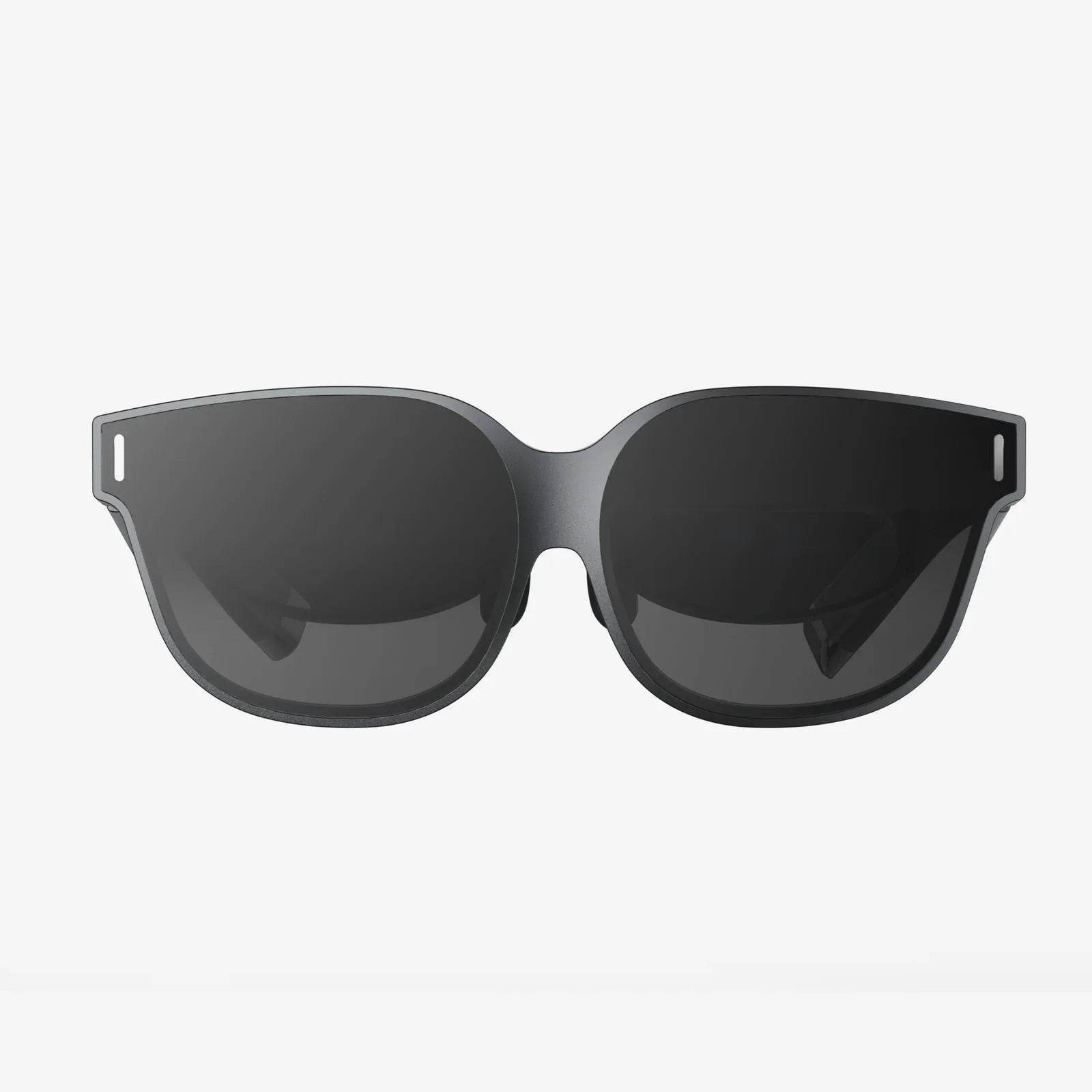
Imagine walking down a bustling city street. The sun is bright, forcing you to squint. The cacophony of traffic, conversations, and construction is overwhelming. Now, imagine slipping on a pair of sleek sunglasses. The world instantly becomes more comfortable, the glare softens, and the city's roar fades away, replaced by your favorite podcast or a calming soundtrack, all without a single wire or earbud obstructing your ears. This is not a scene from a science fiction movie; this is the present and future being shaped by the advent of noise smart sunglasses. This convergence of auditory personalization and visual protection represents a significant leap in wearable technology, moving beyond our wrists and pockets to sit elegantly on our faces, promising a new era of seamless, integrated daily convenience.
The Genesis of a New Tech Category: From Hearing to Wearing
The journey to noise smart sunglasses began with two parallel technological evolutions. On one hand, the personal audio market exploded with the removal of the headphone jack, catalyzing the wireless earbud revolution. These devices offered unparalleled freedom but came with a significant drawback: they isolated users from their environment, creating a potential safety hazard and a social barrier. On the other hand, smart glasses had been a long-standing ambition for tech companies, often focusing on visual augmented reality displays, which proved complex, expensive, and socially awkward for mainstream adoption.
Noise smart sunglasses found a clever middle ground. Instead of focusing on complex visual overlays, they prioritized a more immediate and universal need: auditory control. By embedding open-ear audio technology into the classic and socially accepted form factor of sunglasses, they solved multiple problems at once. They offer a discreet way to consume audio while remaining aware of one's surroundings, a concept known as situational awareness. This crucial feature makes them ideal for urban navigation, outdoor exercise, and even casual social interactions where traditional headphones would be intrusive. The "smart" component is subtle yet powerful—managing audio, taking calls, and sometimes even integrating with voice assistants, all without requiring the user to take out their phone or insert anything into their ear canal.
Demystifying the Technology: How Do They Actually Work?
At the heart of noise smart sunglasses lies a sophisticated blend of acoustic engineering and miniaturized electronics. Unlike traditional headphones that fire sound directly into the ear canal, most of these sunglasses utilize bone conduction or, more commonly, directional audio drivers.
- Open-Ear Audio (Directional Speakers): This is the predominant technology. Tiny speakers are embedded in the arms of the sunglasses, positioned just in front of the ears. Instead of projecting sound broadly, these speakers use acoustic techniques to beam or direct sound waves precisely into the ear canal. This allows the user to hear their music or calls clearly while most ambient noise can still pass through. It’s a personal audio bubble that doesn’t seal you off from the world.
- Bone Conduction: Some models employ bone conduction technology. This method bypasses the eardrum entirely. Miniature transducers vibrate against the skull bones near the temple, sending these vibrations directly to the cochlea. While effective, this can sometimes result in a less rich audio experience and vibrations that are felt on the skin, which some users find unusual.
- The Audio Components: Beyond the speakers, the temples house a miniature Bluetooth chipset, a battery, and often multiple microphones for voice calls. These microphones are strategically placed and equipped with advanced algorithms for beamforming and noise suppression. This allows them to focus on the user's voice during a call while minimizing wind noise and background chatter, ensuring call clarity even on a windy day.
The challenge for engineers is immense: packing all this technology into a form factor that remains lightweight, comfortable, and, most importantly, looks like a regular pair of sunglasses. Advances in battery technology, chip miniaturization, and material science have made this possible only recently.
Beyond Music: The Multifaceted Benefits for the Modern User
The value proposition of noise smart sunglasses extends far beyond simply providing a novel way to listen to music. They are a tool for enhanced productivity, safety, and wellness.
Uncompromised Situational Awareness
This is arguably their greatest benefit. For cyclists, runners, and pedestrians, being able to hear approaching vehicles, sirens, or other people is a critical safety feature. Traditional noise-canceling earbuds, while excellent for immersion, effectively create a dangerous auditory blind spot. Noise smart sunglasses eliminate this risk, making them the safer choice for anyone on the move.
All-Day Wearability and Reduced Listening Fatigue
Since nothing sits inside the ear, these devices avoid the discomfort and ear fatigue associated with prolonged earbud use. There's no pressure in the ear canal, no need to constantly adjust them, and no feeling of being "plugged up." This makes them perfect for all-day wear, whether you’re working from a coffee shop, running errands, or just relaxing outdoors.
Seamless Connectivity and Productivity
With a simple touch on the temple, users can answer calls, control music, and activate their phone's voice assistant. This seamless integration allows for effortless multitasking. You can take an important work call while continuing your walk, without fumbling for your phone or having to stop your activity. It’s a hands-free experience that boosts efficiency.
Visual Protection and Eye Health
It's crucial not to overlook the "sunglasses" part of the equation. High-quality lenses provide 100% UV protection, shielding your eyes from the sun's harmful rays. This helps prevent long-term damage and reduces squinting and eye strain. Many models also offer polarized lenses, which cut down on blinding glare from reflective surfaces like water, snow, and car hoods, further enhancing visual comfort and safety.
Addressing the Challenges and Limitations
As with any emerging technology, noise smart sunglasses are not without their drawbacks. Understanding these limitations is key to setting realistic expectations.
- Audio Quality in Noisy Environments: The open-ear design is a double-edged sword. In very loud environments, like a subway station or a busy construction site, ambient noise can easily overpower the audio from the speakers. While some models offer minimal passive isolation, they cannot compete with the immersive sound isolation of in-ear monitors or active noise-canceling headphones in chaotic settings.
- Privacy Concerns: Because the sound is not contained within the ear, there is potential for sound leakage at higher volumes. In a very quiet room or library, someone sitting close to you might be able to faintly hear what you're listening to. It’s important to be mindful of volume levels in quiet public spaces.
- Battery Life: While improving, battery life is still a constraint. The need for miniaturization limits the size of the battery. Most models offer between 4 to 8 hours of continuous playback, which is sufficient for a day out but requires nightly charging for heavy users. This is generally less than the battery life found in many premium wireless earbuds.
- Fit and Style: The technology dictates a certain bulk in the arms of the glasses. While designers work hard to disguise this, some models can feel slightly heavier or thicker than standard sunglasses. Furthermore, finding a perfect fit that is comfortable for all head shapes and sizes remains a challenge for manufacturers.
The Future Lens: What's Next for Audio-Wearable Integration?
The current iteration of noise smart sunglasses is just the beginning. The future points toward even greater integration and intelligence. We can anticipate the incorporation of more advanced biometric sensors to track health metrics like heart rate and steps directly from the temples. Improved AI-powered audio processing will better separate desired audio from background noise, enhancing clarity in all environments.
The logical next step is the integration of low-level augmented reality. Imagine subtle audio cues for navigation—"turn left in 200 meters"—or real-time language translation whispered directly to you during a conversation with a foreign speaker. The frame of sunglasses provides a perfect platform for these audio-first AR experiences without the need for obtrusive displays. As technology continues to miniaturize, we will see these devices become lighter, more powerful, and available in a wider variety of styles, from sporty wraparounds to classic aviators, making them a ubiquitous accessory for the tech-savvy individual.
The true power of noise smart sunglasses lies in their subtlety. They don’t scream for attention like some tech gadgets; instead, they integrate quietly into daily life, enhancing your experience without isolating you from the world around you. They represent a shift from ostentatious technology to practical, human-centered design. For anyone who lives an active, connected life, the appeal is undeniable: a single, stylish device that protects your eyes, connects you to your digital world, and leaves your ears open to the sounds of life. This isn't just a new gadget; it's a smarter way to move through the modern world.
Share:
Eye Glasses Real or Virtual Image: The Physics of Correcting Your Vision
Augmented Reality and Gaming: The Invisible Revolution Reshaping Our World