


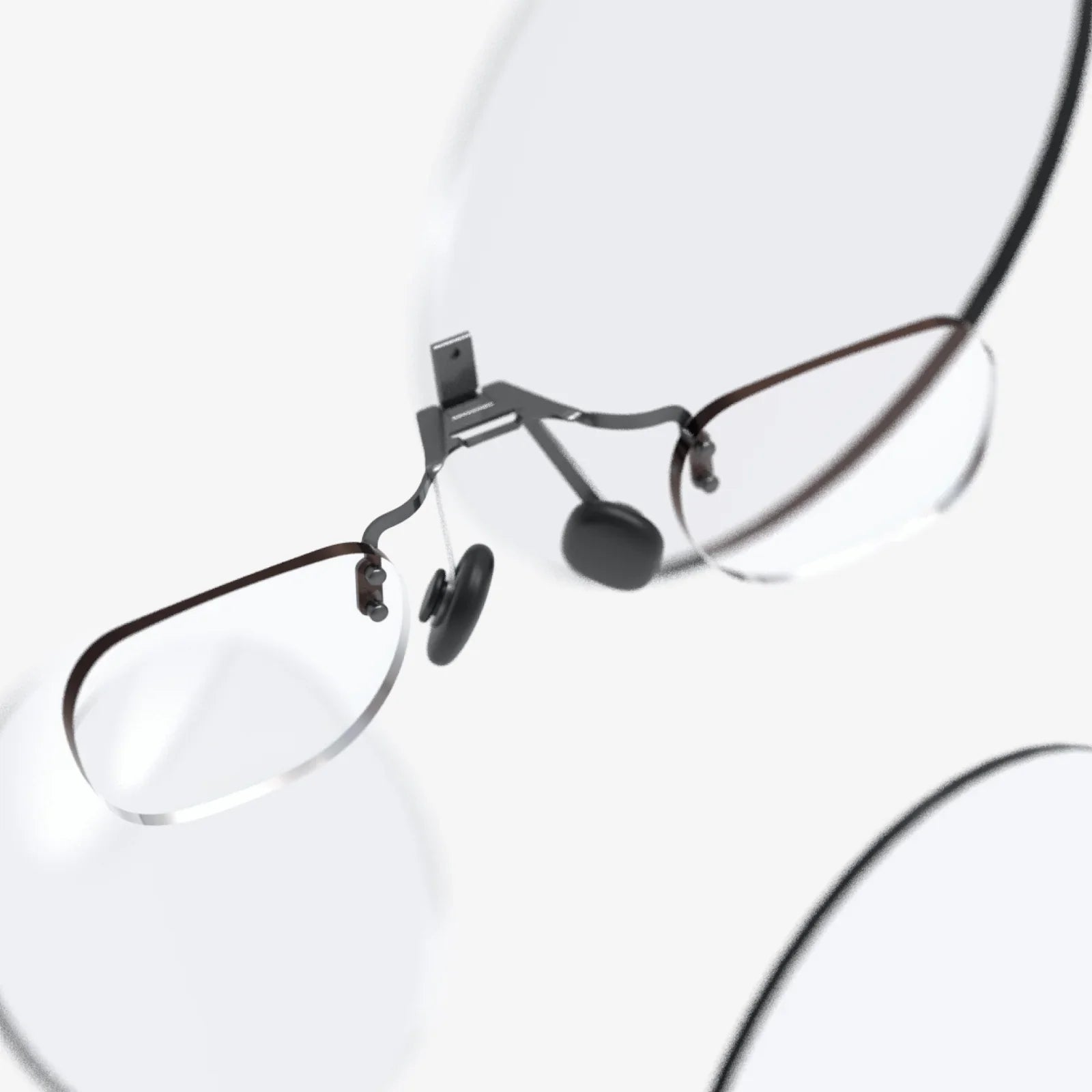
Imagine slipping on a pair of glasses that not only sharpen your world but also shield your eyes from the relentless glow of screens, all while making you look effortlessly stylish. This isn't a glimpse into a high-tech future; it's the everyday reality made possible by non prescription glasses with AR coating. For anyone who spends hours in front of digital devices, battles glare from overhead lighting, or simply wants to add a layer of sophisticated protection to their daily routine, these unassuming accessories are becoming an indispensable tool for modern life. They represent a perfect fusion of optical science and accessible wellness, offering a simple yet profound upgrade to how we interact with our environment.
Demystifying the Technology: What Exactly is AR Coating?
To truly appreciate the value of non prescription glasses with AR coating, we must first break down the technology itself. AR, or Anti-Reflective coating, is a microscopic, multi-layer film applied to the surface of lens materials. Unlike a simple tint or a dark sunglass lens that blocks light, AR coating works by managing light.
Think of light as waves. When light hits an uncoated lens, a significant portion of it reflects off the front and back surfaces. These competing reflections create glare, reduce the amount of light that actually passes through the lens to your eyes (resulting in less clarity), and cause distracting reflections that can be seen by others. AR coating utilizes the principle of wave interference. The multiple layers are engineered to a precise thickness—often a fraction of the wavelength of light—so that the light waves reflecting off the different layers interfere with and cancel each other out. This process dramatically reduces reflectivity.
The result is a lens that is remarkably clearer. More light is allowed to pass through, which enhances visual acuity and contrast, especially in low-light conditions. This is why high-quality cameras, microscopes, and other precision optical instruments have always utilized this technology. Now, it's available for everyday wear in an accessible, non prescription form.
Beyond a Clear View: The Multifaceted Benefits of AR Coating
The advantages of investing in a pair of non prescription glasses with AR coating extend far beyond just reducing a few annoying reflections. The benefits are holistic, impacting visual performance, eye comfort, aesthetics, and even safety.
Superior Visual Comfort and Reduced Eye Strain
This is the most significant benefit for the vast majority of users. In our digital world, eyes are constantly bombarded. Glare from digital screens (computers, phones, tablets), overhead fluorescent lighting, and even car headlights at night forces our eye muscles to work harder to focus and process visual information. This leads to digital eye strain, characterized by symptoms like:
- Dry, irritated eyes
- Headaches
- Blurred vision
- Neck and shoulder pain
- General fatigue
AR coating mitigates this by eliminating the glare that causes the strain. By allowing nearly 99% of light to pass through the lens, it creates a more relaxed viewing experience. Your eyes don't have to constantly struggle against competing light sources, leading to less fatigue and greater comfort, even after marathon work sessions or binge-watching your favorite show.
Enhanced Night Vision and Driving Safety
While often associated with screen use, AR coating provides a substantial safety benefit for night driving. The blinding glare from oncoming headlights, wet roads, and street signs is significantly reduced. This cuts down on the "/halo" effect around lights and improves contrast, allowing for better perception of depth and detail in low-light conditions. This leads to faster reaction times and reduced driver fatigue, making nighttime journeys safer and less stressful.
Aesthetic and Cosmetic Appeal
From a social and professional standpoint, AR coating offers a clear advantage. Without it, lenses act like tiny mirrors. During conversations, others see reflections of your eyes or what's behind you, creating a barrier to genuine eye contact. In photography or video calls, uncoated lenses can appear as white, opaque circles, obscuring your eyes entirely. AR coating eliminates these reflections, making your lenses virtually invisible. This allows your natural expressions and the style of the frames themselves to take center stage, fostering better interpersonal connection and a more polished appearance.
Durability and Added Protection
It's a common misconception that AR-coated lenses are delicate. In fact, the opposite is often true. The coating process usually includes a hard, scratch-resistant top layer that helps protect the lens from everyday abrasions. Furthermore, many modern AR coatings also include hydrophobic and oleophobic properties. This means they repel water and oils. Raindrops bead up and roll off, and fingerprints from handling are much easier to clean, keeping your vision clear and your maintenance routine simple.
Who Stands to Gain? The Ideal User Profile
The beauty of non prescription glasses with AR coating is their universal appeal. While beneficial for almost anyone, certain groups will find them particularly transformative.
- The Digital Professional: Anyone who works in an office environment, from accountants and writers to designers and coders, will experience a dramatic reduction in computer vision syndrome.
- Gamers and Avid Streamers: Long hours spent focused on a screen demand maximum visual comfort and minimal distraction from glare.
- Students: From late-night study sessions under harsh library lights to taking notes on a laptop in a bright classroom, these glasses can help maintain focus and reduce homework-induced headaches.
- Drivers: Whether navigating sun-drenched highways or rain-slicked streets at night, improved visual clarity is a direct contributor to safer driving.
- The Style-Conscious Individual: For those who see glasses as a key fashion accessory, the crystal-clear, reflection-free look provided by AR coating offers a cleaner, more intentional aesthetic.
- Older Adults: As eyes age, they often become more sensitive to light and glare. Non prescription glasses with AR coating can make activities like reading and driving more comfortable.
A Buyer's Guide: Key Considerations Before You Purchase
Not all non prescription glasses with AR coating are created equal. The quality of the coating, the lens material, and the frame construction can vary widely. Being an informed consumer ensures you get a product that delivers on its promises.
Understanding Coating Quality
The number of layers in an AR coating is a primary indicator of its quality. Budget options may have only one or two layers, which will reduce some glare but won't be as effective or durable. High-quality coatings feature multiple layers (often seven or more), each tuned to cancel out reflections for a specific wavelength of light across the entire spectrum. This results in a coating that has a very faint residual color (often a green or blue reflection) when seen from an angle, which is a sign of a sophisticated, multi-layer application. Premium coatings will also integrate the hydrophobic, oleophobic, and scratch-resistant properties seamlessly.
Lens Material Matters
The lens substrate is just as important as the coating. For non prescription glasses, you'll typically encounter:
- CR-39 Plastic: A cost-effective option that offers excellent optical clarity but is thicker and less impact-resistant than other materials.
- Polycarbonate: Highly recommended. It is inherently impact-resistant and much lighter and thinner than CR-39. It also provides built-in protection against ultraviolet (UV) light, offering a complete protection package when combined with AR coating.
- High-Index Plastics: For those seeking the thinnest, lightest possible lenses, especially in stronger prescription ranges (though this is less relevant for plano/zero-power lenses).
For most users, polycarbonate lenses with a multi-layer AR coating represent the ideal balance of safety, comfort, durability, and value.
Frame Fit and Lifestyle
The best lenses in the world are useless in an uncomfortable frame. Ensure the frames fit your face properly—they shouldn't slide down your nose, pinch your temples, or be so large that they block your peripheral vision. Consider your lifestyle. Do you need a flexible, sporty design? Or a classic, professional look? The frame material, from lightweight acetates to durable metals, will also affect comfort and longevity.
Dispelling Common Myths and Misconceptions
As with any popular product, myths about non prescription glasses with AR coating abound.
Myth 1: "They are just for people who want to look smart."
Reality: While they are a stylish accessory, their primary function is based on optical science to reduce eye strain and improve visual comfort, not to serve as a costume piece.
Myth 2: "The coating will peel off quickly."
Reality: Modern, quality AR coatings are baked onto the lens in a vacuum chamber and are incredibly durable. They are integrated with the lens material itself. Poor cleaning habits (using rough fabrics or harsh chemicals) can damage any coating, but with proper care, a good AR coating should last the life of the lenses.
Myth 3: "All blue light glasses have AR coating."
Reality: This is a crucial distinction. Blue light filtering is a different technology, often involving a slight yellow or orange tint to the lens. Many high-quality blue light glasses *also* include AR coating to manage glare, but they are not one and the same. You can have AR coating without blue light filtration, and vice versa. For overall visual comfort, a clear lens with AR coating is often more effective and versatile than a tinted blue light lens.
Caring for Your Investment: Maintenance Tips
To ensure your glasses provide years of clear service, proper care is essential.
- Rinse First: Before wiping, always rinse the lenses under a gentle stream of lukewarm water to dislodge any dust or grit that could scratch the coating.
- Use the Right Cloth: Only use a clean, microfiber lens cloth designed for glasses. Paper towels, tissues, and your shirt are too abrasive.
- Choose a Safe Cleaner: Use a lens cleaner specifically formulated for coated eyewear. Avoid household glass cleaners, ammonia, or alcohol-based products, as they can degrade the coating over time.
- Store Properly: Always keep your glasses in a hard case when not in use. Never place them lens-down on a surface.
Non prescription glasses with AR coating are more than just a trend; they are a practical and powerful response to the visual demands of the 21st century. They are a testament to the idea that the right technology, even when invisible, can profoundly improve our daily experience. By cutting through the glare—both literal and metaphorical—they offer a clearer, more comfortable, and more stylish way to see and engage with the world. Whether you're a digital native, a dedicated professional, or simply someone seeking a smarter way to protect your eyes, this accessible innovation provides a simple yet profound upgrade to everyday life, proving that sometimes the best tools are the ones you barely notice—until you experience the remarkable difference they make.
Share:
3D Sound Virtual Reality: The Sonic Revolution Reshaping Immersion
Best Virtual Reality Equipment - The Ultimate Guide to Immersive Tech in 2024