


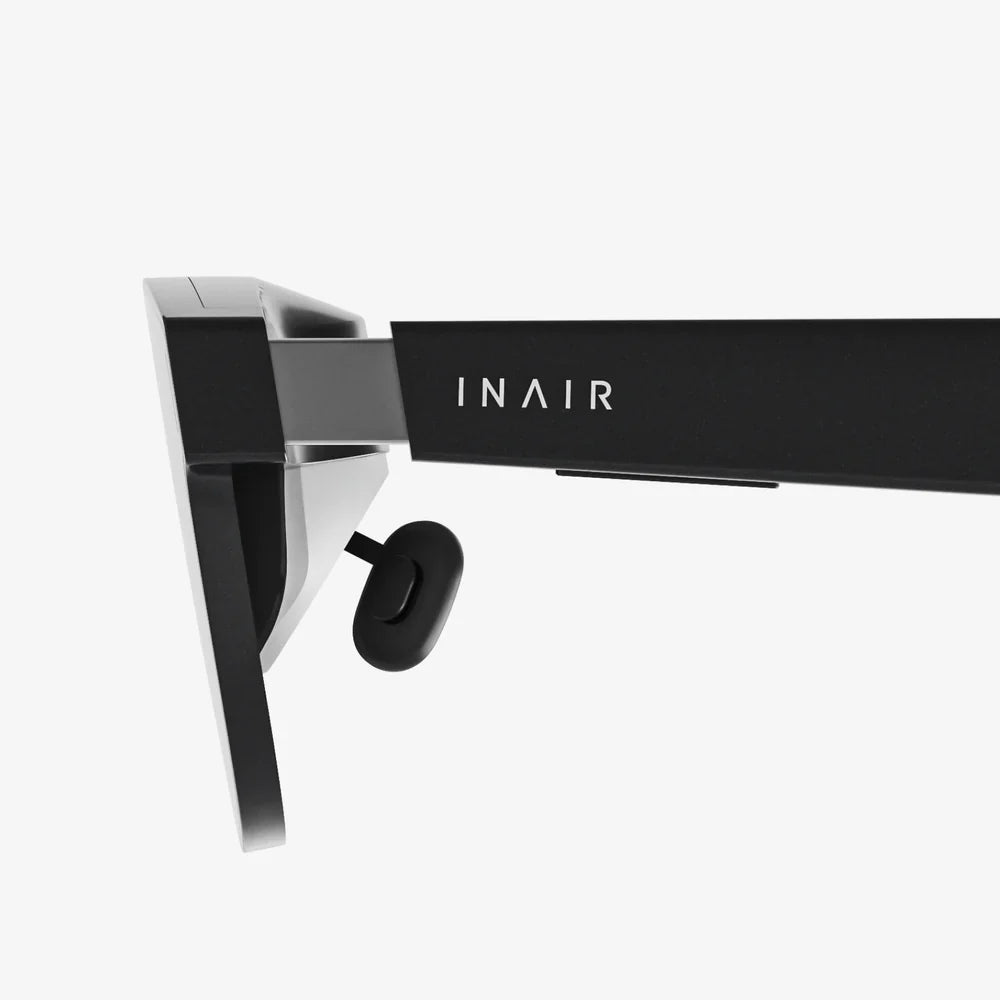
The global technological landscape is on the cusp of a visual revolution, and at the heart of this transformation lies a component so small, yet so powerful, that it is redefining how we interact with digital information. The quest to understand the forces behind this shift inevitably leads to a single, critical metric: the OLED microdisplay market size. This figure is not merely a statistic; it is a vibrant pulse point, a quantifiable expression of the immense investment, innovation, and consumer demand fueling the next generation of wearable technology. From the immersive worlds of virtual reality to the layered realities of augmented applications, the expanding market for these tiny screens tells a compelling story of our connected future.
Defining the Technology: What Exactly is an OLED Microdisplay?
Before delving into market valuations and growth projections, it is essential to understand the subject at hand. An OLED microdisplay is a high-resolution, miniature screen, typically measuring less than one inch diagonally, that utilizes Organic Light-Emitting Diode technology. Unlike traditional LCDs that require a backlight, each pixel in an OLED microdisplay is an individual light source that can be turned on or off independently. This fundamental characteristic grants them several critical advantages that directly influence their market appeal.
The most significant benefits include:
- Superior Image Quality: Capable of achieving true blacks by turning off individual pixels, resulting in an infinite contrast ratio, vibrant colors, and faster response times, which are crucial for preventing motion blur in dynamic applications.
- High Brightness and Efficiency: Modern OLED microdisplays can achieve the high brightness levels necessary for use in bright ambient light conditions, such as outdoor augmented reality, while remaining power-efficient—a vital consideration for battery-powered wearable devices.
- Compact Form Factor and Thinness: The absence of a backlight unit allows for incredibly thin and lightweight designs, making them ideal for head-mounted displays where every gram and millimeter counts for user comfort.
Quantifying the Opportunity: Analyzing the Current OLED Microdisplay Market Size
The OLED microdisplay market size has been on a trajectory of robust and accelerated growth. While exact figures vary between renowned market research firms, the consensus points to a multi-billion-dollar industry expanding at a compound annual growth rate (CAGR) well into the double digits. This growth is not a speculative bubble but is underpinned by tangible, high-volume applications across diverse sectors. The market valuation encompasses the revenue generated from the manufacture and sale of these microdisplays to original equipment manufacturers (OEMs) who integrate them into final products.
The market is segmented in several ways to provide a clearer picture:
- By Resolution: Ranging from standard definition to 4K and beyond, with higher resolutions demanding a premium price and driving revenue growth.
- By Product Type: This includes near-eye projection modules and head-up displays, each serving different use cases.
- By Application: This is the most revealing segmentation, directly linking market size to end-user demand.
The Primary Growth Engines: Applications Fueling Market Expansion
The staggering growth in the OLED microdisplay market size is directly attributable to its adoption in several high-potential industries. Each application acts as a powerful engine, pulling the entire market forward.
Augmented Reality (AR) and Mixed Reality (MR)
AR and MR represent the single largest and fastest-growing application segment. Smart glasses and MR headsets overlay digital information onto the user's view of the real world. For this to work effectively, the displays must be bright, high-resolution, and small enough to be housed in a glasses-like form factor. OLED microdisplays are the enabling technology that makes sleek, consumer-friendly AR glasses possible. Their ability to project vivid imagery onto waveguides or other optical combiners is fundamental to the entire AR ecosystem, from enterprise training and remote assistance to consumer gaming and navigation.
Virtual Reality (VR) and Metaverse Applications
While some VR headsets use larger fast-switch LCDs, there is a significant and growing trend toward using OLED microdisplays, particularly in compact and high-end headsets. Their superior contrast ratio and pixel-level control eliminate the ghosting and murky blacks that can break immersion. As the vision of the metaverse evolves, requiring lighter, more comfortable, and more visually stunning headsets for prolonged use, the demand for advanced OLED microdisplays is poised to surge dramatically, constituting a major portion of the future market size.
Military and Defense
This is a mature yet steadily growing segment. OLED microdisplays are integrated into helmet-mounted displays for pilots and soldiers, providing critical flight, tactical, and targeting information directly in their line of sight. The requirements here are extreme: reliability, ruggedness, ability to function in all lighting conditions, and very high brightness. The defense sector's rigorous standards and willingness to invest in cutting-edge technology have historically driven early innovation in this field, and it remains a high-value, reliable contributor to overall market revenue.
Medical and Industrial Applications
In the medical field, OLED microdisplays are found in electronic viewfinders for digital surgery systems and within advanced medical scopes. Surgeons benefit from high-resolution, real-time imagery inside the human body, enhancing precision and outcomes. Industrially, they are used in head-mounted displays for warehouse logistics, equipment repair, and complex assembly, where workers need hands-free access to schematics and instructions. These sectors value reliability and clarity over mass-market cost reduction, making them stable and profitable niches.
Challenges and Restraints: Factors Influencing Market Trajectory
Despite the optimistic growth projections, the path to a larger OLED microdisplay market size is not without obstacles. Understanding these challenges is key to a holistic market analysis.
The primary challenges include:
- High Manufacturing Cost: The production process for high-quality OLED microdisplays is complex and costly, which can drive up the price of end products. Achieving economies of scale is crucial for penetrating the broader consumer market.
- Technological Hurdles: While brightness has improved significantly, balancing ultra-high brightness with power consumption and lifespan remains a key R&D focus for manufacturers.
- Competition from Alternative Technologies: Technologies like MicroLED and Liquid Crystal on Silicon (LCoS) are also vying for a share of the microdisplay market. MicroLED, in particular, promises even higher brightness and better efficiency, though it currently faces significant manufacturing challenges.
- Supply Chain and Material Availability: The industry relies on a complex global supply chain for specialized materials and manufacturing equipment. Any disruption can impact production capacity and costs.
The Road Ahead: Future Trends and Market Forecast
The future of the OLED microdisplay market is inextricably linked to the evolution of spatial computing. As AR and VR technologies transition from early adoption to mainstream use, the demand for microdisplays will skyrocket. Market analysts project the market size to multiply several times over within the next five to seven years.
Key trends that will shape this future growth include:
- Resolution and Pixel Density Race: The push for “retina-quality” displays in wearables will continue, with 4K-per-eye and higher becoming standard for high-end devices, pushing the boundaries of pixel density.
- Integration of Advanced Features: We will see deeper integration of features like eye-tracking directly within the display module, enabling foveated rendering—a technique that drastically reduces processing power by rendering only the user's focal point in high detail.
- Material and Process Innovation: Ongoing research into new organic materials and more efficient manufacturing processes, such as inkjet printing, will be pivotal in reducing costs and improving yield, making the technology accessible to a wider audience.
- Expansion into New Applications: New use cases will emerge in consumer electronics, automotive head-up displays (HUDs), and even smart contact lenses, further expanding the addressable market.
The impressive valuation of the OLED microdisplay market is far more than a number on a spreadsheet; it is the definitive proof of a paradigm shift in human-computer interaction. As these tiny windows into digital worlds become sharper, brighter, and more efficient, they dissolve the barrier between the physical and the virtual. The soaring market size signals a collective bet on a future where information is seamlessly overlaid on our reality, where training, work, and play are profoundly transformed. This isn't just market growth—it's the measured heartbeat of the next visual revolution, and it's beating faster every day.
Share:
Digital and Interaction Design: The Invisible Architecture of Human Experience
VR Goggles Black Friday: Your Ultimate Guide to the Year's Best Deals