


The ping of a calendar invitation, the familiar grid of faces, the momentary scramble to find the 'unmute' button—the online virtual meeting has become as fundamental to our daily work life as the office watercooler once was. What began as a niche convenience has exploded into the central nervous system of global business, education, and personal connection, reshaping how we collaborate, innovate, and build relationships across continents and time zones. This digital transformation was accelerated by necessity but is now being refined by choice, as organizations and individuals alike seek to master this new paradigm of interaction. The journey from seeing it as a mere substitute for in-person gatherings to recognizing it as a powerful, standalone medium with its own unique rules and potential is the critical challenge of our time.
The Meteoric Rise of a Digital Phenomenon
While the concept of connecting via video is decades old, the widespread adoption of online virtual meetings is a decidedly 21st-century story. Early systems were clunky, expensive, and required specialized hardware, placing them firmly in the realm of large corporations. The true catalyst for change was the perfect storm of ubiquitous high-speed internet, powerful and affordable consumer devices, and sophisticated, cloud-based software. This technological trifecta dismantled the barriers to entry, making seamless video communication accessible to anyone with a laptop and a Wi-Fi connection.
Global events then acted as a forceful accelerant, compressing years of anticipated growth into a matter of months. Organizations that had previously dabbled in remote work were suddenly thrust into a fully distributed model overnight. The online virtual meeting room became the new office, classroom, and conference hall. This rapid, unplanned adoption revealed both the immense utility and the significant shortcomings of the medium. People discovered the joys of eliminated commutes and greater flexibility alongside the frustrations of 'Zoom fatigue,' technical glitches, and a pervasive sense of disconnection.
Beyond the Basics: Foundational Elements for Success
Mastering the online virtual meeting begins long before the 'Join' button is clicked. Success is built on a foundation of preparation, both technical and procedural.
The Technical Setup: Your Digital Stage
A successful meeting is an uninterrupted one. Investing in a reliable internet connection is paramount; a wired ethernet connection often provides more stability than Wi-Fi. Equally important is your hardware. A dedicated high-quality webcam positioned at eye level creates a direct and professional sightline, preventing the unflattering 'up the nose' shot. Similarly, audio quality can make or break engagement. The built-in microphones on most devices pick up excessive background noise. A dedicated USB microphone or a good quality headset drastically improves clarity and reduces listener fatigue for everyone involved.
Lighting is the unsung hero of video quality. The goal is to have your primary light source in front of you, facing your face, not behind you. A window directly in front of your desk or an inexpensive ring light can transform a dim, grainy image into a clear and professional presence. Finally, a clean and neutral virtual background or a tidy physical background minimizes visual distractions and helps keep the focus on you and your message.
The Pre-Meeting Protocol: Setting the Stage for Productivity
A well-organized meeting starts with a clear and concise invitation. The title should accurately reflect the meeting's purpose. The body of the invitation must include a clear agenda outlining the topics for discussion, the desired outcomes, and any pre-reading or materials attendees should review. This allows participants to arrive prepared, turning a passive information session into an active working meeting. Attaching relevant documents directly to the calendar invite saves valuable time that would otherwise be spent searching for files at the start of the call.
The Art of Engagement: Running a Meeting That People Want to Attend
With the foundation set, the real work begins: facilitating a meeting that is productive, inclusive, and engaging. The passive attendee is the enemy of the virtual meeting.
The Role of the Facilitator
The facilitator's role is more critical than ever in a virtual setting. They are the conductor, ensuring the meeting stays on agenda and on time. They must be intentional about drawing people into the conversation. This means actively soliciting input from quiet attendees by name: "Sarah, I'd love to hear your thoughts on this point." It involves managing dominant speakers to ensure equitable airtime and paraphrasing comments to ensure everyone is following the discussion. A good facilitator also leverages the technology itself, using features like polls, hand-raising, and the chat function to create multiple channels for participation.
Combating Fatigue and Maintaining Focus
'Video call fatigue' is a well-documented phenomenon, stemming from the intense cognitive load of processing non-verbal cues on a grid and the pressure of constant self-monitoring. The astute meeting leader fights this by first questioning whether a meeting is even necessary. Could this be resolved via email or a collaborative document? If a meeting is essential, keeping it short is key. The standard 60-minute meeting should be challenged; often, 25 or 45 minutes is sufficient and allows for a mental break between sessions.
Building in deliberate breaks for longer meetings is non-negotiable. Encouraging participants to turn off their video for five-minute stretches can also provide a much-needed respite. Most importantly, varying the medium of interaction—switching from open discussion to a poll, to a shared whiteboard, and back to discussion—keeps the brain engaged and fights monotony.
Advanced Strategies for High-Impact Collaboration
For teams that have mastered the basics, the virtual meeting can evolve from a communication tool into a powerful engine for collaboration and innovation.
Leveraging Integrated Tools
The most powerful platforms are those that integrate collaboration directly into the meeting experience. The use of digital whiteboards allows teams to brainstorm visually in real-time, clustering ideas and building mind maps as if they were in the same room. Co-editing documents live during a call ensures immediate alignment and captures decisions on the spot, eliminating the common post-meeting task of 'circulating notes.' Screen sharing has moved beyond a simple presentation; it now involves interactive workshops where control can be passed to different attendees to drive software demos or navigate complex datasets together.
Fostering Serendipity and Human Connection
A major criticism of remote work is the loss of casual 'watercooler' moments and the organic relationship-building that happens in an office. Forward-thinking teams are intentionally recreating this online. This can involve starting meetings with a casual icebreaker question, dedicating the first five minutes to non-work-related chat, or creating virtual 'coffee rooms' where people can drop in for informal conversations. These efforts are not a waste of time; they are a crucial investment in team cohesion, psychological safety, and trust, which in turn fuels better collaboration and innovation during formal meetings.
The Future Horizon: Emerging Trends and Technologies
The evolution of the online virtual meeting is far from over. We are on the cusp of changes that will further blur the line between physical and digital presence. Spatial audio, which mimics how sound works in a physical room, is beginning to be integrated, making it easier to identify who is speaking and creating a more natural flow of conversation. Advanced noise suppression and voice isolation technology will soon erase distracting background noises like typing or barking dogs without distorting the human voice.
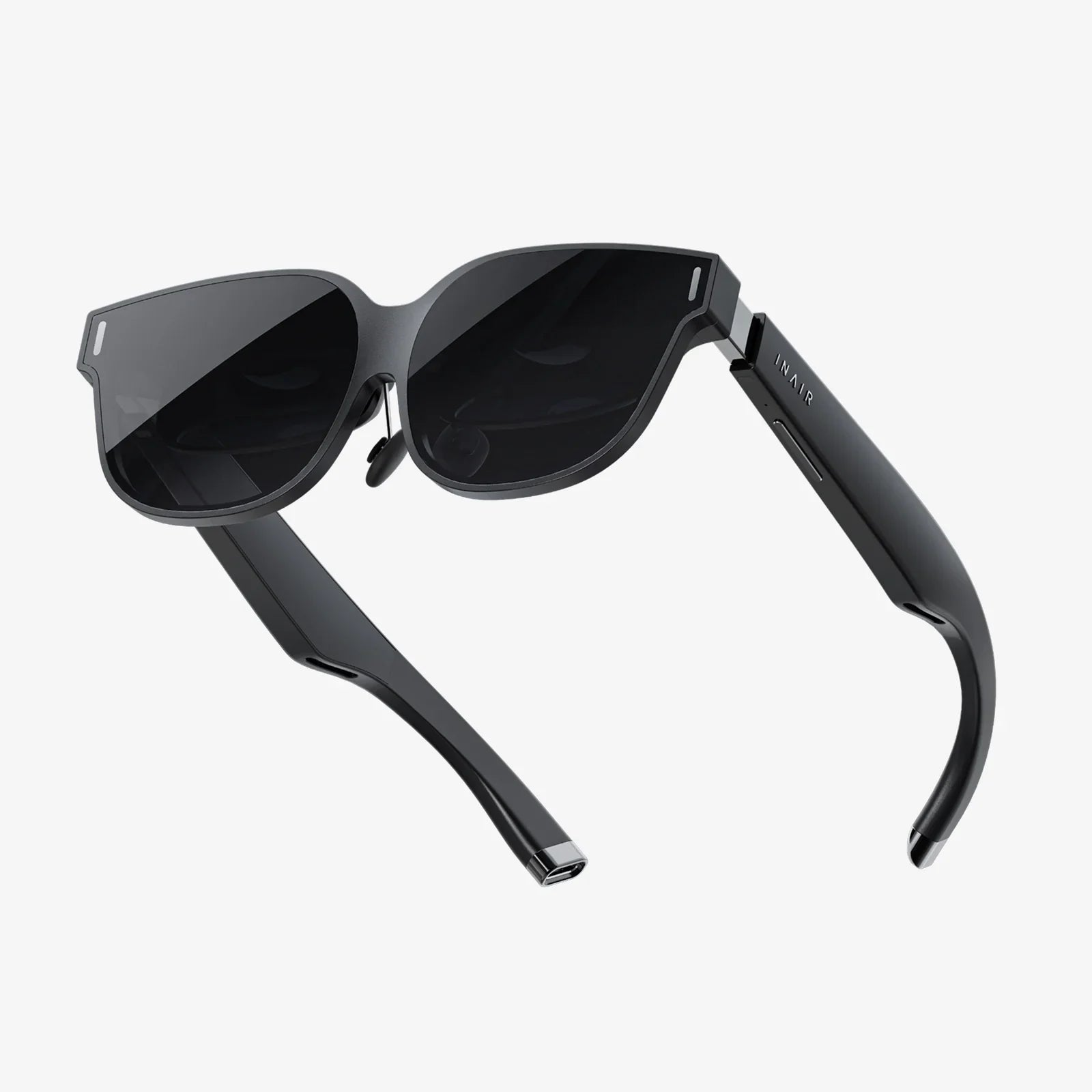
Further out, the integration of augmented reality (AR) and virtual reality (VR) promises a more immersive meeting experience. Instead of looking at a grid of faces, participants could don a headset and join a meeting as avatars around a virtual conference table, with body language and spatial interactions. Artificial intelligence is also poised to play a huge role, offering real-time transcription and translation, automated meeting summaries that highlight action items and decisions, and even AI facilitators that can track speaking time and suggest when to move agenda items.
Navigating the Challenges: Security and Etiquette
With great power comes great responsibility. The reliance on these platforms has surfaced important questions around security and behavioral etiquette. Ensuring meetings are protected with passwords and waiting rooms prevents 'zoombombing' and unauthorized access. Being mindful of what appears on camera behind you is both a security and privacy best practice. On the etiquette side, the rules are still being written, but consensus is forming around the importance of being on time, muting when not speaking, and being fully present—avoiding the temptation to multitask, which is often glaringly obvious to other participants.
The online virtual meeting is no longer just a tool; it is a new literacy. Mastering it requires a blend of technical preparedness, thoughtful facilitation, and a human-centric approach to engagement. It demands that we be more intentional, not less, about how we connect and collaborate. Those who invest the time to learn its nuances will unlock unprecedented levels of productivity and global teamwork, while those who dismiss it as a simple video call risk being left behind. The virtual meeting room is now a primary venue for human achievement; it's time we designed our presence within it with purpose and skill.
Imagine a workday where every meeting feels productive, every participant feels heard, and the technology fades into the background, leaving only the pure exchange of ideas. This isn't a distant fantasy—it's the achievable reality for anyone willing to move beyond simply showing up and start truly engaging with the art and science of digital connection. The future of work is being shaped in these pixelated squares, and the opportunity to lead, collaborate, and innovate more effectively than ever before is waiting on the other side of that 'Join Meeting' button.
Share:
HMD Wearable Computer: The Invisible Revolution Reshaping Our Digital Lives
Head Mounted Display Market Analysis: A Deep Dive into the Future of Immersive Technology