


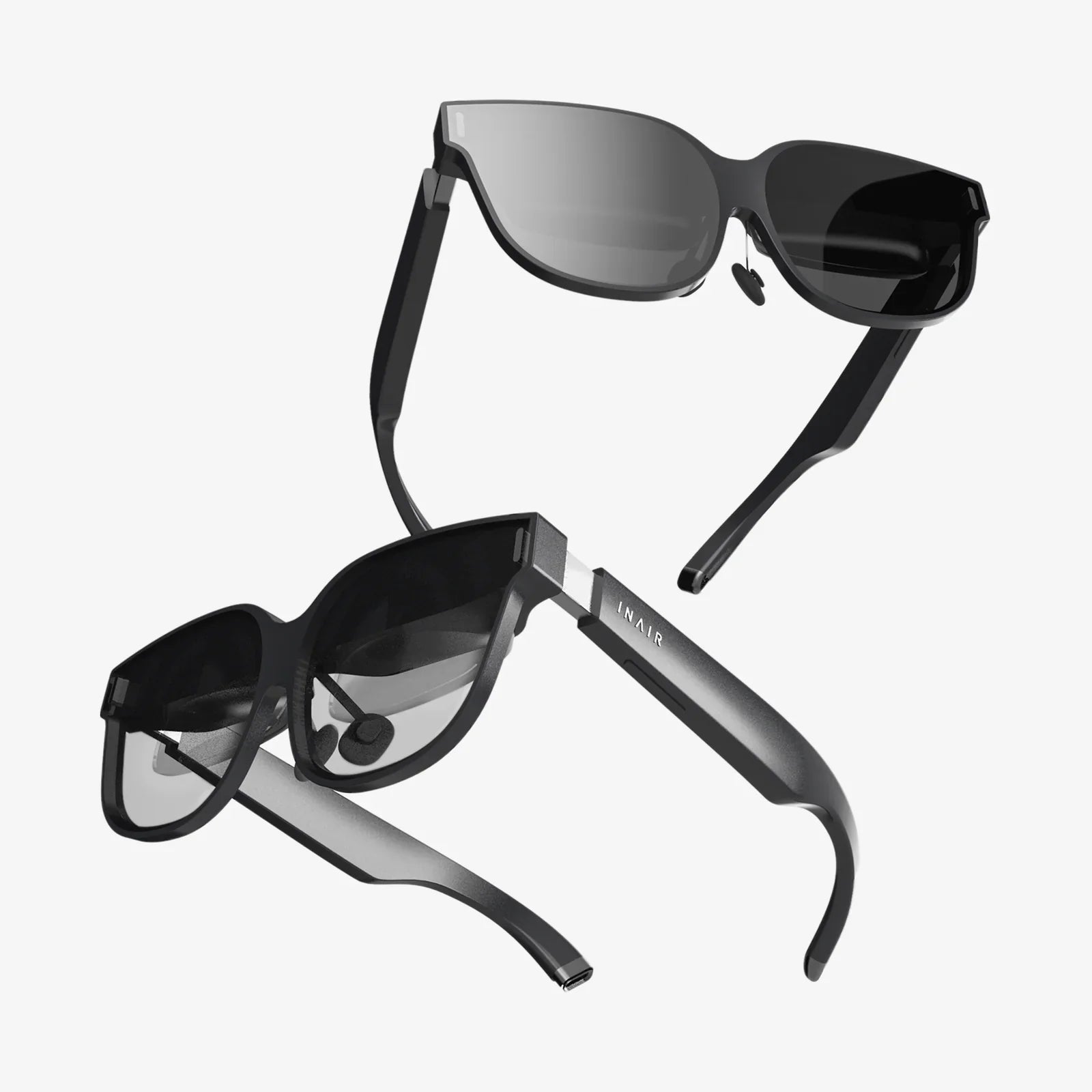
The digital frontier is expanding at a breathtaking pace, and at the heart of this revolution lies a fundamental battle for the soul of immersive computing. It’s not just about sharper graphics or more comfortable headsets; it’s about the very frameworks that will allow these worlds to connect, communicate, and coalesce into a seamless tapestry of reality and virtuality. For developers, enterprises, and enthusiasts alike, understanding the nuanced yet critical distinction between Open VR and Open XR is the key to navigating this exciting and complex landscape. This isn't just a technical comparison; it's a glimpse into the future of how we will interact with technology itself.
The Genesis of a Standard: The Rise of Open VR
To understand the present, we must first look to the past. The term Open VR primarily refers to the application programming interface (API) and software development kit (SDK) developed by a major player in the virtual reality hardware space. It emerged during the nascent stages of the modern VR renaissance, a time when the industry was fragmented and each headset manufacturer operated as a walled garden. Open VR was a monumental step forward. It provided a unified, feature-rich pipeline for developers to create experiences that could run on a range of devices from the same manufacturer, including their flagship PC-connected headsets and their standalone mobile-based systems.
The architecture of Open VR is robust and mature. It handles critical low-level functions like:
- Tracking: Precise positional and rotational tracking of head-mounted displays (HMDs) and motion controllers.
- Compositor: The final stage in the rendering pipeline that takes the images from the application and presents them correctly on the VR display, handling critical tasks like distortion correction, synchronization (vsync), and timewarp.
- Input Abstraction: Providing a common set of actions and inputs, allowing developers to support a variety of controller designs without rewriting code for each one.
- Device Management: Discovery, setup, and status monitoring of VR hardware.
For years, Open VR was the de facto standard for high-fidelity PC-based virtual reality. Its widespread adoption is a testament to its effectiveness and the market dominance of its creator. However, its "openness" has always been a subject of debate. While the API is freely available for developers to use, the development and direction of the standard are ultimately controlled by a single corporate entity. This closed governance model means the roadmap is shaped by one company's vision and commercial interests.
A Fractured Reality: The Problem Open XR Aims to Solve
As the immersive technology ecosystem grew, a significant problem became glaringly apparent: fragmentation. The market wasn't just dominated by one or two players; numerous companies entered the fray with their own hardware, software, and platforms. Developers faced a nightmare scenario. To reach the entire market, they had to port their applications across multiple, incompatible APIs.
A developer building a VR game might have had to maintain separate code paths for:
- Open VR for one set of devices
- A proprietary API for a major standalone headset
- Another API for Windows Mixed Reality headsets
- Yet another for emerging AR glasses
This meant redundant work, increased development costs, and a delayed time-to-market. It was an unsustainable model that threatened to stifle innovation and limit the growth of the entire industry. The market needed a truly open, royalty-free standard that could act as a universal translator between applications and the myriad of hardware devices available. This pressing need is what gave birth to Open XR.
The Consortium Approach: Defining Open XR
Unlike Open VR, Open XR is not a product of a single company. It is a free, open standard developed and maintained by the Khronos Group, a renowned open consortium of industry-leading companies. The list of contributors reads as a who's who of technology, including hardware manufacturers, software giants, game engines developers, and chipset makers. This collaborative, multi-stakeholder approach is the core differentiator.
The mission of Open XR is elegantly simple yet profoundly ambitious: to enable users to run the same application across different XR systems without any porting or recompiling, and to allow applications to access device features in a consistent, predictable way. It is a low-level, native API that provides a common bridge for XR hardware and software.
The key architectural principle of Open XR is its two-layered model:
- Application Interface: A universal API that developers code against. This remains consistent regardless of the underlying hardware.
- Device Layer: A runtime component provided by the hardware vendor (e.g., a headset maker) that translates the universal Open XR calls into native instructions for their specific device.
This elegant abstraction means a developer writes their application once using the Open XR API. When a user runs that application, it communicates with the device's Open XR runtime, which handles the intricacies of the specific hardware. The developer is freed from the burden of supporting each device individually.
Head-to-Head: A Comparative Analysis
While both aim to facilitate VR/AR development, their philosophies and implementations differ significantly.
Governance and Philosophy
Open VR is a corporate-owned de facto standard. Its development is steered by one company to serve its ecosystem and strategic goals. Its evolution is rapid but can be unpredictable for the broader market, as changes are made unilaterally.
Open XR is a consortium-driven open standard. Its evolution is a collaborative process involving many industry players. Changes are made through a multi-company ratification process, making it slower but more deliberate, stable, and designed for the benefit of the entire industry.
Scope and Reach
Open VR was designed primarily for Virtual Reality and is most deeply integrated with its creator's hardware ecosystem. While it can support other devices, its primary focus and optimization are centered there.
Open XR was designed from the ground up for the entire spectrum of Extended Reality (XR), which encompasses Virtual Reality (VR), Augmented Reality (AR), and Mixed Reality (MR). Its architecture is inherently agnostic, making it the ideal foundation for a future where the lines between these modalities blur.
Developer Experience
For a developer targeting a specific, popular hardware ecosystem, Open VR offers a mature, highly optimized, and feature-complete toolkit. The documentation and community support are extensive. However, to expand beyond that ecosystem, significant additional work is required.
Adopting Open XR requires an upfront investment in learning a new, vendor-neutral API. The tooling and documentation, while excellent and improving rapidly, are not as mature as Open VR's in certain areas. The payoff, however, is immense: future-proofing and immediate access to a growing list of supported hardware from multiple vendors without extra code.
The State of the Union: Adoption and Ecosystem
The momentum behind Open XR is undeniable and accelerating. It has become the industry's agreed-upon path forward for breaking down barriers.
- Hardware Support: All major headset manufacturers now provide Open XR runtimes for their devices. This includes flagship PC VR headsets, all major standalone VR systems, and Windows Mixed Reality devices. Even prominent AR glasses have embraced the standard.
- Software and Engine Support: The two dominant game engines, Unreal Engine and Unity, have deeply integrated Open XR as their primary and recommended API for XR development. This endorsement is perhaps the strongest driver for developer adoption. Furthermore, critical middleware and software platforms are built on Open XR.
- The Role of Open VR: Recognizing the industry shift, the developers of Open VR have strategically embraced Open XR. Their flagship standalone headset now uses Open XR as its primary native API. Furthermore, they provide a robust Open XR runtime for their PC VR headsets. This allows their hardware to benefit from the growing ecosystem of Open XR applications while maintaining full backward compatibility with the vast library of existing Open VR content through a compatibility layer. This move effectively positions Open VR as a legacy API within its own ecosystem, with Open XR representing the future.
The Road Ahead: What This Means for the Future
The debate is less of a battle and more of an evolution. Open XR has emerged as the true open standard that the industry has collectively rallied behind. It solves the critical fragmentation problem that Open VR, by its very nature as a single-vendor solution, could not.
For developers, the choice is becoming increasingly clear. New projects are strongly encouraged to be built on Open XR. It is the most efficient way to maximize addressable market and ensure longevity. Open VR remains relevant for maintaining existing projects and for accessing specific, advanced features unique to that hardware ecosystem that may not yet be fully exposed through the Open XR API.
For consumers, the shift to Open XR will be largely invisible but profoundly impactful. It promises a world where software is no longer locked to a specific headset. You could buy an application from one store and be confident it will work on your device of choice, much like how a USB device works with any computer. This freedom of choice will drive competition and innovation on the hardware side, as companies compete on the quality of their devices and runtimes rather than the size of their exclusive software library.
For the industry, Open XR is the foundational infrastructure upon which the metaverse—a connected network of persistent, interoperable virtual spaces—can be built. Such a vision is impossible with walled gardens and proprietary APIs. Open XR provides the common language that different worlds and devices will use to communicate, forming the bedrock of a truly open and connected immersive web.
The trajectory is set. Open XR represents the collective will of an entire industry to move beyond fragmentation and towards a future of interoperability and boundless innovation. While Open VR played a pivotal and historic role in catalyzing the modern VR revolution, its legacy is now gracefully being absorbed into the broader, more inclusive vision of Open XR. This isn't the end of an era, but the exciting beginning of a far more connected and accessible one, where the only limit is the imagination of creators and not the constraints of their hardware.
Share:
What Do I Need to Use a VR Headset - The Ultimate Setup Guide
VR Headset Cost - A Comprehensive Guide to Pricing, Value, and the Future of Immersion