


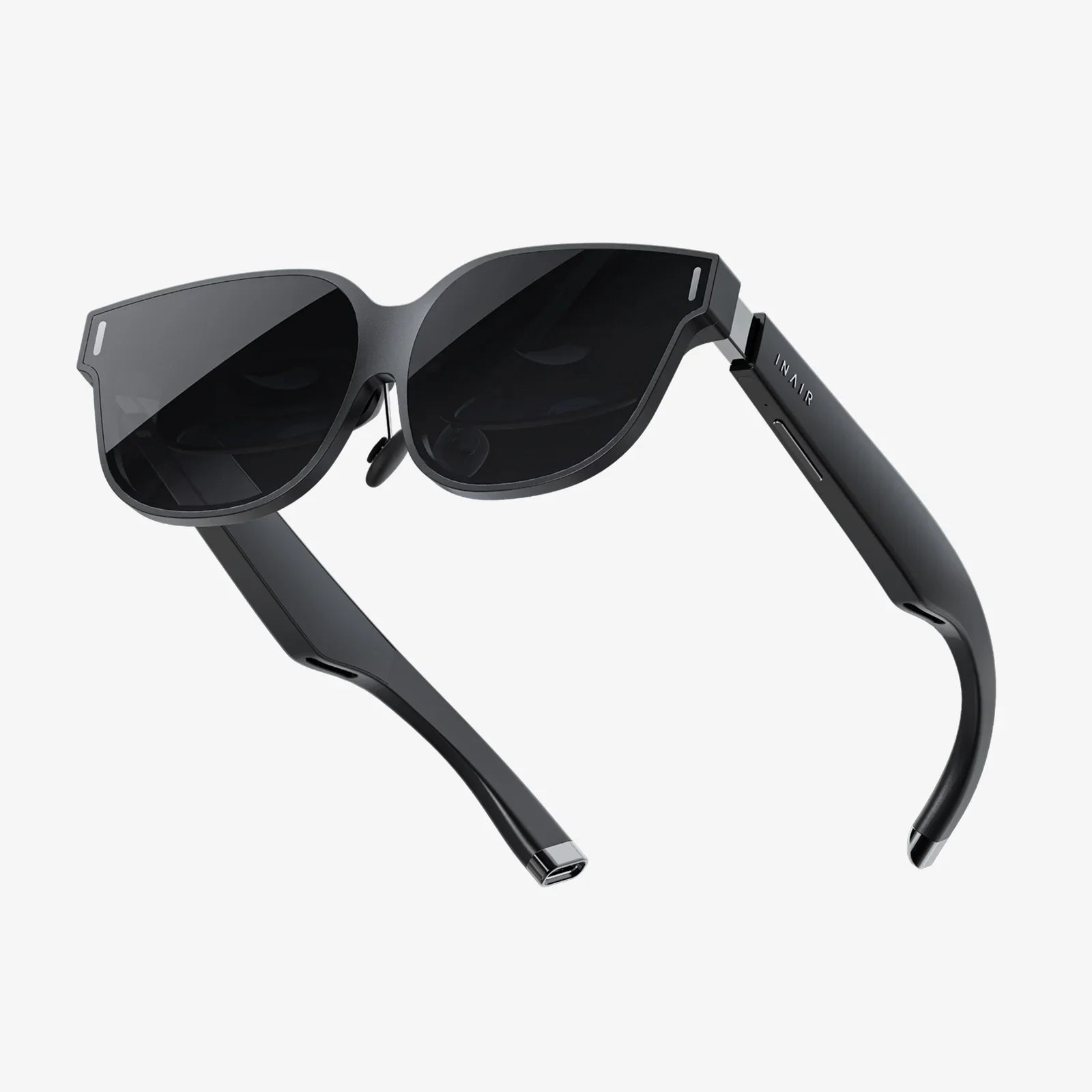
Imagine strapping a device to your head and instantly being transported from your mundane living room to the heart of a thunderous alien battlefield, the summit of a windswept Himalayan peak, or the cockpit of a starfighter hurtling through a nebula. This is the unparalleled promise of PC gaming VR, a technological symphony that doesn’t just play a game but rewires your very perception of reality, offering the most powerful and immersive portal to digital worlds ever conceived.
The Unmatched Powerhouse: Why PC is the Engine of Choice
While other platforms offer entry points into virtual reality, the personal computer stands as the undisputed engine for the most premium and high-fidelity experiences. The relationship is symbiotic. VR is arguably the most demanding application for any computing system, requiring the rendering of two high-resolution displays at a minimum of 90 frames per second to maintain user comfort and prevent motion sickness. Anything less, and the illusion shatters. This immense computational burden is precisely where the raw, untamed power of a modern gaming PC shines.
A high-end graphics card is the beating heart of this operation. It is tasked with generating incredibly complex, photorealistic environments twice over, once for each eye, with lightning speed. This allows for richer textures, more sophisticated lighting effects like real-time ray tracing, vast draw distances, and a level of detail that is simply unattainable on less powerful, closed systems. This graphical fidelity is not merely a luxury; it is a core component of immersion. Seeing individual scratches on a metal surface, watching light refract through a virtual glass, or observing the subtle shadow of a character's eyelash—these minute details collectively convince your brain that you are there.
Furthermore, the PC ecosystem thrives on customization and forward compatibility. Enthusiasts can upgrade individual components—a more powerful GPU, a faster CPU, additional RAM—to push the boundaries of their VR experience with each new generation of hardware. This stands in stark contrast to the static nature of other platforms. The PC is a platform built for the future, constantly evolving to meet the escalating demands of next-generation VR applications.
A Universe of Experiences: Beyond the Hype
The true value of any platform is measured in its software library, and PC VR boasts a diverse and ever-expanding cosmos of experiences that cater to every conceivable interest. The genres are as varied as traditional gaming, but each is fundamentally transformed by the magic of immersion.
The Adrenaline Rush
For the action enthusiast, VR is a revelation. First-person shooters are reborn. Instead of aiming with a thumbstick, you physically aim, duck behind cover by actually crouching, and reload your weapon by performing the motion. This physicality injects a shot of pure adrenaline and intensity that flat-screen gaming cannot match. Piloting games, whether in space or in the sky, become breathtaking endeavors as you physically look around your cockpit to track enemies, your stomach dropping as you dive toward a planet's surface.
The Peaceful Escape
On the opposite end of the spectrum, VR offers profound moments of tranquility and wonder. Exploration games and experiences allow you to wander through fantastical forests, swim alongside majestic whales in the deep ocean, or even paint in three-dimensional space with virtual brushes. These applications are less about competition and more about presence—the feeling of being somewhere else entirely, a form of digital tourism that can be both meditative and inspiring.
Social Connection and Asymmetrical Play
Perhaps one of the most surprising and powerful aspects of social VR platforms is their ability to foster genuine connection. By creating expressive avatars, users can gather in virtual spaces to chat, watch movies, play games, or simply exist together. The sense of shared presence, of looking someone "in the eye" and seeing their gestures, creates a powerful social bond that transcends traditional voice or text chat. Furthermore, many games have introduced brilliant asymmetrical gameplay, where one player in VR interacts with the world while others on the PC screen play along, offering a fantastic way for friends with different setups to collaborate and have fun together.
The Hardware Ecosystem: More Than Just a Headset
Diving into PC VR involves understanding the ecosystem, which is built upon several key pillars that work in concert to create the magic.
The Head-Mounted Display (HMD)
This is the crown jewel, the device that replaces your reality. Modern PC-connected HMDs primarily fall into two camps: those that use external sensors for tracking and those that are self-contained, or "inside-out" tracking. External sensor tracking, often called lighthouse tracking, uses base stations placed around the room to precisely map the position of the headset and controllers to the millimeter, offering arguably the most accurate and responsive experience available. Inside-out tracking, where cameras on the headset itself map the environment, offers easier setup and portability at a potential, though often negligible, trade-off in absolute precision for most users.
Display technology is also critical. Key specifications include:
- Resolution: Higher resolutions directly combat the "screen door effect" (seeing the gaps between pixels) and increase clarity.
- Refresh Rate: Measured in Hertz (Hz), a higher refresh rate (90Hz, 120Hz, 144Hz) leads to smoother motion and greatly reduces the risk of simulator sickness.
- Field of View (FoV): A wider FoV more closely mimics human sight, increasing immersion by reducing the binocular-like effect.
- Lenses: Advanced lens designs like Fresnel lenses are used to focus the image and provide a sweet spot of clarity, though newer pancake lenses are emerging for slimmer designs.
Controllers and Tracking
Your hands in the virtual world are represented by motion-tracked controllers. These are ergonomic wands, often with analog sticks, buttons, and triggers, that allow for intuitive interaction. They are tracked either by the external base stations or the headset's own cameras. The best controllers provide haptic feedback, delivering subtle vibrations that simulate the feeling of touching a surface, firing a weapon, or catching an object, further grounding you in the experience.
Room-Scale vs. Seated/Standing Experiences
One of VR's most compelling features is room-scale tracking. By defining a safe boundary in your physical space, you can physically walk around, crouch, and explore within your virtual environment. This is the ultimate form of immersion. However, many fantastic experiences are designed for seated or standing play, requiring little more than the ability to turn and move your arms, making VR accessible even in smaller spaces.
Navigating the Challenges: A Reality Check
For all its glory, the path to VR enlightenment is not without its hurdles. Acknowledging these is key to setting realistic expectations.
The Barrier to Entry
The single biggest obstacle remains cost. A VR-ready PC represents a significant investment, and when paired with a high-end headset, the total entry fee is substantial. This places PC VR firmly in the enthusiast category for the time being. Furthermore, the technical setup, while vastly improved from earlier generations, still requires a degree of comfort with technology, driver updates, and troubleshooting.
The Comfort Conundrum
Headsets have become lighter and more balanced, but comfort over long sessions can still be an issue. Factors like heat buildup, pressure on the face, and the simple fact of having a device strapped to your head can break immersion for some. Finding the right fit is paramount. Simulator sickness, caused by a disconnect between what your eyes see and what your inner ear feels, affects a portion of users. However, this can often be mitigated by using high-refresh-rate headsets, starting with comfortable experiences, and building up "VR legs" over time.
The Content Conundrum
While the library is rich, the industry is still waiting for that definitive, system-selling "killer app" that has the cultural impact of a major traditional game release. Many experiences are shorter or more experimental in nature. The development cost and complexity of creating a full-length, AAA VR exclusive are immense, leading to a slower trickle of such titles compared to traditional gaming.
The Future is Now: Where Do We Go From Here?
The trajectory of PC VR is pointing toward an even more seamless and immersive future. Several key technologies are poised to redefine the experience.
Eye-Tracking and Foveated Rendering: This is arguably the next great leap. By tracking where your eyes are looking, the system can render the center of your vision in full detail while intelligently reducing the detail in your peripheral vision. This dramatically reduces the GPU workload, allowing for massive leaps in visual fidelity without requiring exponentially more powerful hardware.
Varifocal Displays and Haptic Feedback: Research into lenses that can dynamically adjust focus to match the virtual distance of an object is ongoing, which would solve the vergence-accommodation conflict that can cause eye strain. Similarly, advanced haptic suits and gloves are in development to allow you to feel the virtual world, from the texture of a wall to the impact of a virtual punch.
The Metaverse and Persistent Worlds: PC VR is set to be the premium vehicle for navigating the much-hyped "metaverse"—persistent, shared online spaces. The level of presence and interaction offered by a high-fidelity VR headset is unmatched for making these digital worlds feel real and meaningful.
Wireless Freedom: While high-quality wireless adapters already exist, the push towards integrated, low-latency wireless solutions will finally cut the tether completely, unleashing room-scale immersion without the fear of tripping over a cable.
From its demanding hardware requirements to its transformative software and its boundless future, PC gaming VR represents the absolute cutting edge of interactive entertainment. It is a demanding, expensive, and sometimes challenging passion. But for those who take the plunge, the reward is nothing less than the keys to infinite realities. It’s the difference between watching a documentary about Everest and feeling the icy wind bite at your face as you stand on its peak; a testament to technology's power not just to tell stories, but to let you live them. The door is there, waiting. All you have to do is put on the headset and step through.
Share:
VR Under $150: Your Ultimate Guide to Affordable Virtual Reality
Right VR Controller The Ultimate Guide to Mastering Virtual Reality