


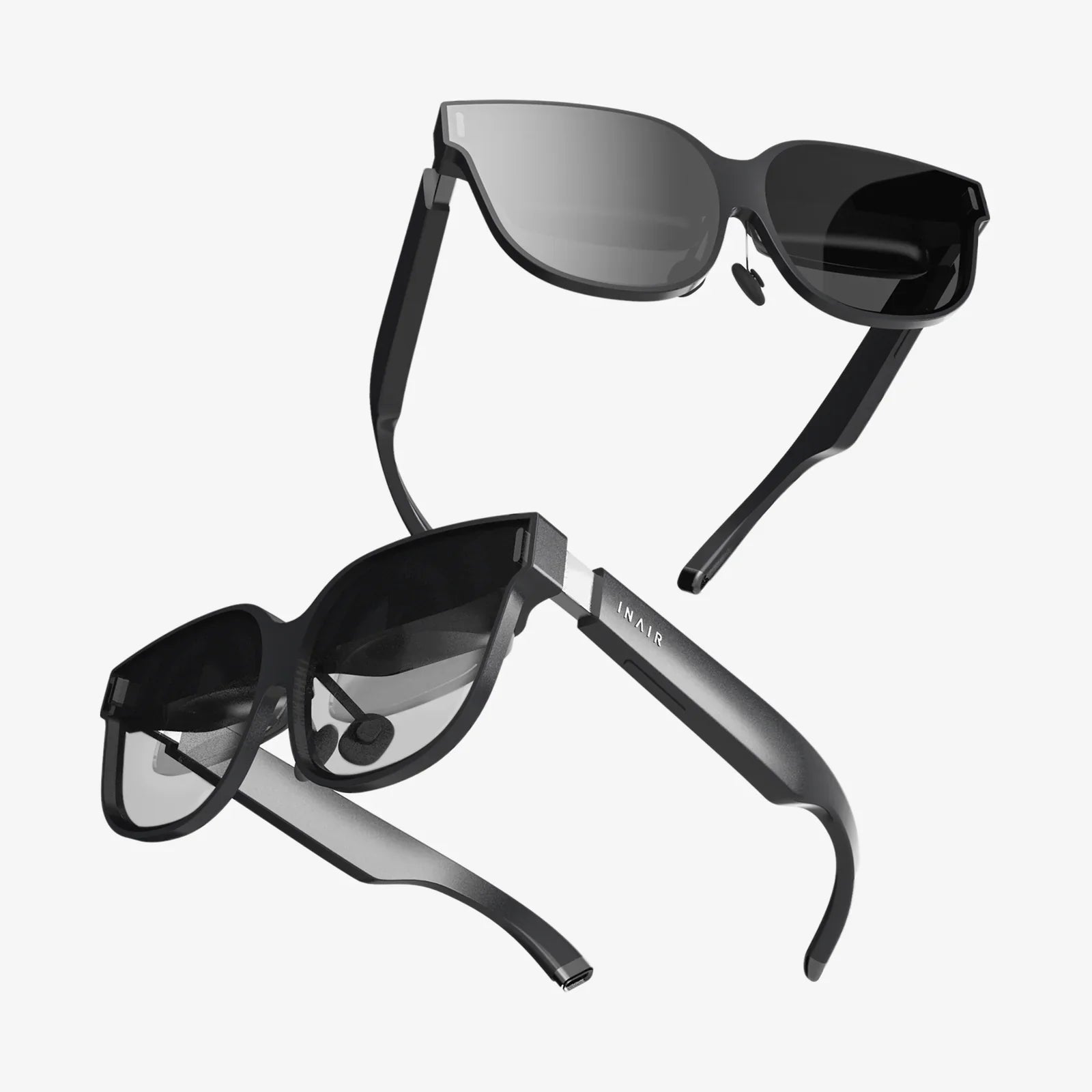
Imagine a moment of profound transition: a person stands on the precipice of reality, a sleek device in their hands. They lift it, they adjust it, and in that final, decisive click, the physical world vanishes. They are no longer just a person in a room; they are a person in a VR headset, a pioneer on the frontier of human experience, and their journey is rewriting the very code of our existence.
The Threshold: Stepping Through the Digital Looking Glass
The act of becoming a person in a VR headset is a modern-day ritual, a deliberate uncoupling from one reality to embrace another. It begins with the physical sensation—the weight of the headset, the snug fit around the eyes, the slight pressure on the temples. Then, the auditory shift. The ambient noise of the home or office fades, replaced by the calibrated, three-dimensional soundscape of a digital world. Finally, the visual leap. Pixels ignite, forming landscapes, architectures, and avatars with ever-increasing fidelity. This is the moment of presence, the holy grail of virtual reality, where the brain's skepticism is overwhelmed by sensory evidence. The user is no longer an observer; they are an inhabitant.
This transition is more than technical; it is deeply psychological. The person in the VR headset willingly suspends their disbelief, engaging in a contract with the technology to accept the unreal as real. This triggers a cascade of cognitive and emotional responses. The heart rate might quicken as they lean over a virtual precipice. They might feel a genuine sense of awe gazing at a digitally rendered starscape. This powerful, visceral reaction is a testament to the brain's incredible plasticity and its inherent desire to engage with and believe in the world it perceives, regardless of its origin.
Beyond Entertainment: The Expansive Ecosystem of Virtual Reality
While the most visible image of a person in a VR headset is often a gamer lost in a fantastical battle, the applications of this technology extend far beyond entertainment, permeating the core pillars of our society.
Revolutionizing Education and Training
In classrooms and corporate training centers, VR is dismantling the limitations of traditional learning. A medical student can become a person in a VR headset to perform a complex surgical procedure, practicing intricate maneuvers on a virtual patient with no risk to human life. An engineer can walk through a full-scale 3D model of a machine not yet built, identifying potential flaws before production begins. History students don't just read about ancient Rome; they can walk its streets, hear its forums, and witness its grandeur firsthand. This experiential learning fosters deeper understanding and retention by transforming abstract concepts into tangible, immersive experiences.
Transforming Healthcare and Therapy
The therapeutic potential of VR is staggering. Clinicians are using it to treat phobias by gradually and safely exposing patients to their fears within a controllable virtual environment. A person with a fear of heights can stand on virtual balconies, progressing at their own pace. For patients undergoing painful medical procedures, VR serves as a powerful analgesic, immersing them in calming, engaging worlds that significantly reduce their perception of pain. Furthermore, VR-based physical rehabilitation turns repetitive exercises into engaging games, motivating patients to complete their routines and improving motor function outcomes.
Redefining Social Connection and Remote Work
The concept of the "metaverse" speaks to a future where a person in a VR headset can socialize and work with a sense of shared presence that video calls cannot replicate. Virtual meeting rooms allow colleagues from across the globe to collaborate around a virtual whiteboard as if they were in the same physical space, reading body language and making eye contact through their avatars. Friends can attend virtual concerts together, cheer in a sports stadium from their living rooms, or simply hang out in a digital world, fostering connection across vast distances. This has the potential to combat isolation and create new, boundless digital communities.
The Human Dimension: Psychological and Social Implications
As we spend more time as a person in a VR headset, profound questions about the human experience emerge. The line between the virtual self and the physical self begins to blur. How does constructing and inhabiting an idealized avatar affect our self-image and identity? The phenomenon of proteus effect suggests that people begin to embody the characteristics of their avatar; a taller avatar may make a user behave more confidently, even after leaving the virtual world.
Furthermore, the potential for escapism is immense. Virtual worlds can offer perfection, excitement, and control that the physical world often lacks. This raises concerns about addiction and withdrawal, where the real world feels dull or unsatisfactory by comparison. The ethical implications are vast. How do we regulate behavior in these spaces? What constitutes crime or trauma in a virtual environment? The psychological impact of virtually experiencing an event can be very real, necessitating new frameworks for safety, consent, and mental well-being in digital realms.
The Physical Anchor: The Body's Role in a Disembodied Experience
Paradoxically, an experience designed to transcend the physical body firmly reasserts its importance. A person in a VR headset is constantly navigating the relationship between their digital and physical selves. This is most evident in the concept of embodiment—the feeling that a virtual body is your own. Advanced systems use motion tracking to map a user's movements perfectly onto their avatar, strengthening this illusion and making interactions feel natural and intuitive.
However, the physical body remains an anchor, and sometimes a hazard. The phenomenon of "VR legs"—overcoming initial nausea—is a hurdle for many. Users can trip over real-world objects they cannot see, a literal clash of realities. This has given rise to dedicated VR spaces and new design philosophies that prioritize safety, encouraging stationary experiences or using digital chaperone systems to warn users when they approach a physical boundary. The future may lie in haptic feedback suits and omnidirectional treadmills, further bridging the gap by providing physical sensations that match the virtual experience, making the person in the headset feel truly embodied in both worlds.
The Future Horizon: Where Do We Go From Here?
The technology defining the experience of a person in a VR headset is advancing at a breathtaking pace. We are moving towards headsets with hyper-realistic resolution, wide field of view, and varifocal lenses that mimic the eye's natural depth perception. The integration of artificial intelligence will create dynamic, responsive worlds that adapt to the user's actions and emotions in real-time. Brain-computer interfaces loom on the horizon, promising a future where we might navigate virtual spaces with our thoughts alone, dissolving the final barrier between intention and action.
This trajectory points towards a future where VR is not a novelty but a utility, as integrated into daily life as the smartphone. It could become the primary interface for the internet—a spatial web where information is not on a page but all around us. The implications for creativity, design, storytelling, and human connection are beyond calculation. We are building a new layer of reality, and every person in a VR headset is helping to write its first draft.
We stand at the threshold, not of a new game or a new gadget, but of a new realm of human potential. The image of a person in a VR headset, once a symbol of niche tech, is fast becoming a portrait of our collective future—a future where the boundaries of reality are limited only by our imagination. The headset is more than a device; it is a passport, and every journey through it changes the traveler, and in turn, changes the world they leave behind.
Share:
Next VR Headset: A Deep Dive into the Future of Immersive Technology
Used VR Headset with Controllers: Your Ultimate Guide to Buying Smart in the Metaverse