


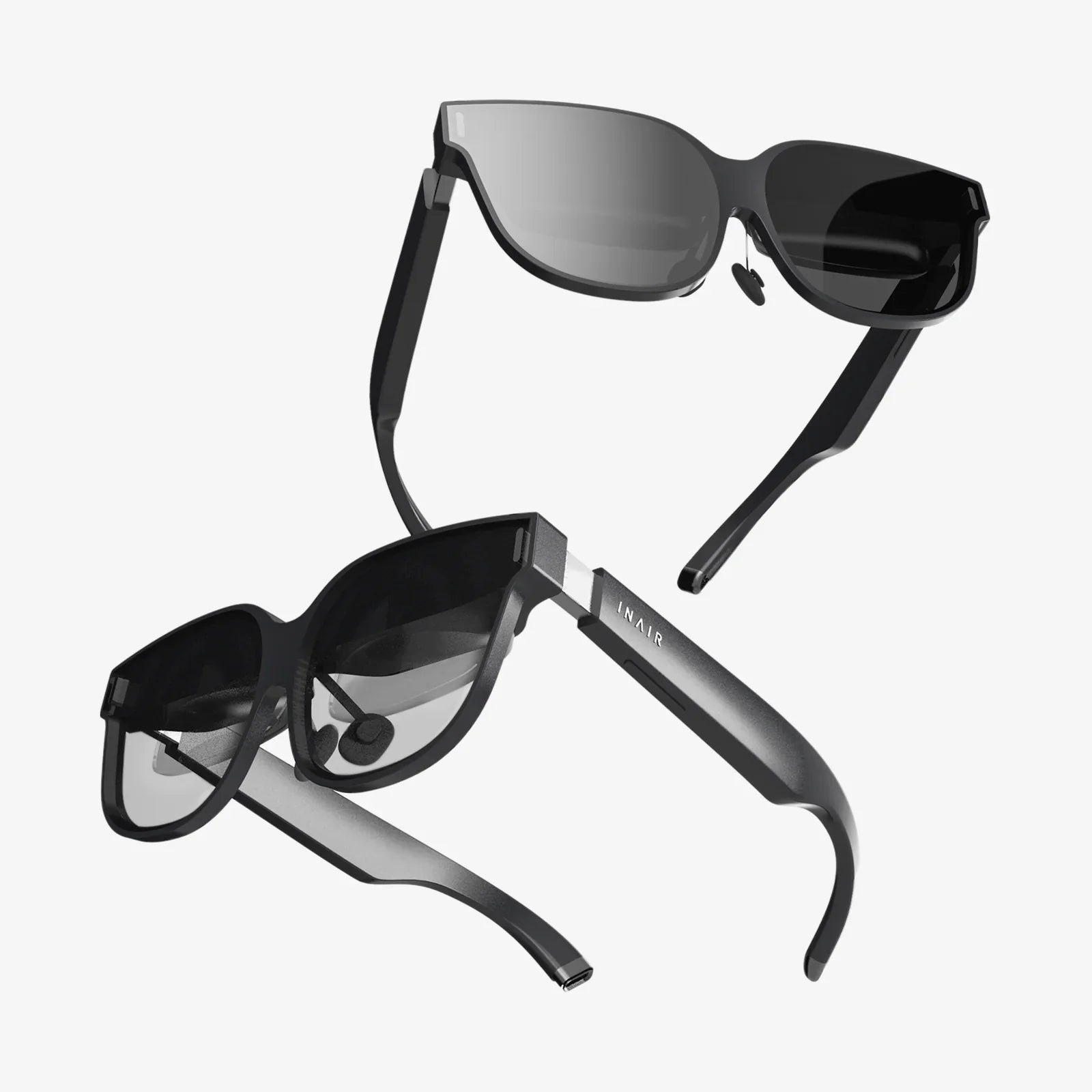
pimax micro-oled vr headsets are rapidly becoming the secret weapon of gamers, creators, and simulation enthusiasts who want VR to feel less like a gadget and more like a portal into another world. If you have ever taken off a headset because of blurry text, washed-out colors, or bulky weight, the latest wave of micro-OLED devices aims to erase those problems and replace them with razor-sharp visuals, inky blacks, and surprisingly compact designs that make long sessions feel natural instead of tiring.
As virtual reality pushes beyond casual experimentation and into serious gaming, training, and professional workflows, understanding what micro-OLED brings to the table is essential. Below, you will see how pimax micro-oled vr headsets change the visual experience, what kind of PC you need to drive them, what to look for before buying, and how to get the most out of this powerful but demanding technology.
What Makes pimax micro-oled vr headsets Different?
To understand why pimax micro-oled vr headsets are attracting so much attention, it helps to break down what “micro-OLED” actually means and how it differs from older display technologies used in VR.
Micro-OLED vs Traditional VR Displays
Most earlier VR headsets relied on LCD or traditional OLED panels. These have served well, but they come with trade-offs: visible pixel structure, motion blur, lower contrast, and larger, heavier optics to magnify the image. Micro-OLED changes that by shrinking the pixels down dramatically and placing them on a silicon backplane, which allows for:
- Extremely high pixel density for a given screen size
- Deep, true blacks thanks to self-emissive pixels
- High contrast ratios that make scenes look more lifelike
- Compact panels that enable lighter, smaller headsets
In pimax micro-oled vr headsets, these advantages translate into a visual experience that feels cleaner and more natural. Fine details like cockpit instruments, distant objects, and small text in user interfaces become much easier to read, and the infamous “screen door effect” is dramatically reduced.
Key Benefits You Can Actually See and Feel
When you put on a micro-OLED headset, the differences show up immediately in several ways:
- Sharper imagery: Micro-OLED panels can pack far more pixels into a smaller area, so the image appears crisp and detailed even when you look closely.
- Better blacks and contrast: Dark scenes, space environments, and night missions feel more convincing because black areas are not gray or washed out.
- Improved colors: The color reproduction tends to be richer and more vibrant, which is especially noticeable in stylized games and natural landscapes.
- Reduced halo and glare: With well-designed optics, you get fewer distracting artifacts around bright objects on dark backgrounds.
- Potentially lighter designs: Smaller panels and compact optics can reduce weight, making long sessions more comfortable.
For users who spend hours in flight simulators, racing titles, or productivity apps, these improvements are not just cosmetic. They directly impact how long you can stay in VR and how effectively you can perform tasks that require precision.
Why pimax micro-oled vr headsets Matter for Gaming
Gamers are often the first to push hardware to its limits, and pimax micro-oled vr headsets are no exception. The combination of high resolution, wide field of view options, and advanced optics opens up new possibilities for immersion and competitive play.
Wide Field of View Meets High Resolution
One of the defining characteristics often associated with pimax headsets is a wide field of view (FOV). When you pair that expansive FOV with micro-OLED clarity, you get a more natural sense of presence. Instead of feeling like you are looking through a tunnel, your peripheral vision is filled with the game world.
This matters in several genres:
- Racing simulations: Being able to see cars in your side vision without turning your head gives you a competitive advantage and a more realistic cockpit feel.
- Flight simulators: Wide FOV helps with situational awareness, making it easier to track targets, spot landmarks, and manage your instruments.
- First-person shooters: Peripheral awareness can help with spotting enemies and projectiles, making the experience more engaging and intense.
When combined with micro-OLED’s sharpness, objects at the edge of your vision are not just blurry shapes; they become usable information, which enhances both immersion and performance.
Reduced Eye Strain and Longer Sessions
Visual comfort is crucial. Many users stop using VR regularly because their eyes feel tired or strained after short sessions. pimax micro-oled vr headsets can help in several ways:
- Clearer text and UI: High pixel density makes small text and icons easier to read, reducing the need to squint or lean in.
- Less chromatic aberration: Properly tuned optics reduce color fringing at the edges of objects, which can otherwise cause subtle discomfort.
- Consistent brightness: Micro-OLED panels can deliver stable brightness levels without the muddy look seen in some older panels.
Combined with a good fitting strap and balanced weight distribution, this lets you stay in VR for longer gaming sessions without feeling like you are fighting the hardware.
Competitive and Social Gaming Advantages
In multiplayer environments, every advantage counts. The clarity and FOV of pimax micro-oled vr headsets can help in several ways:
- Faster target acquisition: Crisp visuals make it easier to spot small moving targets or distant opponents.
- Better map reading: Strategy and survival games often rely on maps and HUDs; high resolution makes these tools more usable.
- More expressive avatars: If the headset tracks facial expressions or eye movement, high-quality displays help represent those details accurately.
Even in casual social VR, the ability to see detailed environments, read signs, and enjoy virtual events without visual fatigue makes a big difference in how often you want to return.
Professional and Creative Uses of pimax micro-oled vr headsets
While gaming gets most of the attention, pimax micro-oled vr headsets also have serious potential in professional fields. High-fidelity visuals are essential for designers, engineers, educators, and trainers who rely on VR for more than just entertainment.
Design, Visualization, and Engineering
For 3D artists and engineers, micro-OLED clarity can transform how you review and interact with complex models:
- Architectural visualization: High resolution allows you to inspect fine details in building interiors, textures, and lighting without aliasing artifacts distracting from the design.
- Mechanical engineering: Small components, intricate assemblies, and annotations become easier to read and evaluate in VR.
- Product design: Realistic lighting and color reproduction help teams assess materials and finishes before physical prototypes are built.
Because micro-OLED panels can deliver deep blacks and strong contrast, shadows and reflections in physically based rendering pipelines appear more convincing, improving the sense of realism in professional previews.
Training, Simulation, and Education
Training scenarios often depend on accurate visual cues, especially in safety-critical fields. pimax micro-oled vr headsets can enhance:
- Flight and driving training: Pilots and drivers can read instruments and signage more clearly, improving the fidelity of the simulation.
- Medical training: Detailed anatomy, instruments, and on-screen instructions benefit from higher resolution and better color.
- Industrial safety drills: Clear visuals help trainees identify hazards, labels, and emergency instructions in virtual environments.
In educational settings, micro-OLED clarity makes text and diagrams easier to read, allowing students to focus on the content instead of fighting blurry visuals.
Virtual Workspaces and Productivity
Some users are beginning to treat VR as a virtual desktop, with multiple floating monitors and applications. pimax micro-oled vr headsets are well suited for this because:
- Text readability is crucial: High pixel density makes long documents, spreadsheets, and code editors much more comfortable to use.
- Color accuracy matters: Creative professionals working with images or video benefit from a more faithful representation of their content.
- Comfort over time: Lighter, well-balanced headsets with clear visuals make multi-hour work sessions more realistic.
While VR will not replace traditional monitors for everyone, micro-OLED displays significantly improve the feasibility of using VR as a serious productivity environment.
Technical Considerations: What You Need to Run pimax micro-oled vr headsets
High-end displays demand high-end hardware. Before you invest in pimax micro-oled vr headsets, it is important to understand the system requirements and technical factors that affect your experience.
PC Hardware Requirements
Because micro-OLED headsets often feature high resolutions and wide fields of view, they can be more demanding than older devices. You should pay attention to:
- Graphics card: A powerful, modern GPU is essential to drive high resolutions at acceptable frame rates. VR is most comfortable at 90 Hz or higher, and dropping below that can cause discomfort.
- CPU performance: Simulation-heavy games and professional applications rely on strong single-thread and multi-thread performance.
- Memory: At least 16 GB of RAM is recommended for modern VR titles, with 32 GB or more beneficial for heavy simulations and creative workflows.
- Ports and connectivity: Ensure you have the necessary video outputs and USB ports, and verify compatibility with your motherboard and operating system.
If your PC is several years old, you may need to consider upgrades to fully exploit the capabilities of pimax micro-oled vr headsets.
Rendering Techniques to Keep Performance Smooth
To balance image quality and performance, modern VR software often uses advanced rendering techniques:
- Foveated rendering: If the headset supports eye tracking, the system can render high detail only where you are looking, reducing GPU load.
- Upscaling and reconstruction: Techniques like temporal upscaling can allow you to render at a lower internal resolution while still displaying a sharp image.
- Variable refresh technologies: Some platforms support smoothing techniques that help maintain perceived fluidity even when frame rates fluctuate.
Learning how to tune these options in your games and applications is one of the best ways to get a smooth experience without sacrificing too much visual fidelity.
Comfort and Ergonomics
Even the most advanced display is useless if the headset is uncomfortable. When considering pimax micro-oled vr headsets, look at:
- Weight distribution: A well-balanced headset reduces pressure on your face and neck.
- Strap design: Rigid or halo-style straps can help distribute weight, while soft straps may be lighter but less supportive.
- Face interface: Foam, fabric, or leather-like materials each have trade-offs in comfort, heat, and cleanliness.
- IPD adjustment: Being able to adjust interpupillary distance ensures that the lenses align correctly with your eyes, which is critical for clarity and comfort.
Before committing to long sessions, spend time adjusting the fit and experimenting with strap tension and face interface options. Small tweaks can dramatically improve comfort.
Comparing pimax micro-oled vr headsets to Other Display Technologies
To decide whether pimax micro-oled vr headsets are right for you, it helps to compare them against other common VR display types.
Micro-OLED vs LCD
LCD panels have improved significantly, especially with high refresh rates and advanced backlighting, but they still differ from micro-OLED in key ways:
- Blacks and contrast: Micro-OLED wins, with true blacks and much higher contrast.
- Brightness: High-quality LCDs can sometimes reach higher peak brightness, which may help in bright virtual environments.
- Color reproduction: Micro-OLED usually offers richer colors, though high-end LCDs can come close.
- Potential for mura and uniformity issues: Both technologies can exhibit panel uniformity quirks, but their characteristics differ.
If you prioritize deep blacks and cinematic visuals, micro-OLED has a clear advantage. If maximum brightness in brightly lit rooms is your priority, LCD may still be competitive.
Micro-OLED vs Traditional OLED
Traditional OLED panels already deliver excellent contrast and color, but micro-OLED pushes pixel density further:
- Pixel density: Micro-OLED can pack more pixels into smaller panels, reducing visible pixel structure.
- Form factor: Smaller panels enable more compact optics and potentially lighter headsets.
- Power efficiency: Depending on implementation, micro-OLED can be more efficient at certain brightness levels.
If you have used an older OLED-based VR headset, pimax micro-oled vr headsets will likely feel like a substantial step up in clarity and compactness.
Practical Buying Guide for pimax micro-oled vr headsets
Choosing a VR headset is a major decision, especially when you are investing in advanced display technology. Here are practical factors to consider when evaluating pimax micro-oled vr headsets.
Clarify Your Primary Use Case
Start by identifying what you care about most:
- Sim racing and flight sims: Prioritize wide FOV, high resolution, and comfort for long sessions.
- Room-scale games: Ensure tracking quality and controller ergonomics meet your needs.
- Professional and creative work: Focus on clarity, color accuracy, and software ecosystem compatibility.
- Mixed usage: Look for a balanced feature set and strong overall performance.
Knowing your priorities will help you weigh trade-offs like resolution versus refresh rate, or FOV versus weight.
Check Compatibility and Ecosystem
Before purchasing, confirm that pimax micro-oled vr headsets align with your software and hardware ecosystem:
- Platform support: Verify compatibility with the VR platforms and stores you use most.
- Tracking system: Understand whether the headset uses inside-out tracking, external base stations, or a hybrid approach.
- Controller options: Ensure that the available controllers match the games and applications you intend to use.
Also consider how often the ecosystem receives updates and improvements, as this affects long-term value.
Evaluate Comfort and Build Quality
Comfort can be hard to judge from specifications alone. When possible:
- Try the headset: Hands-on experience reveals pressure points, heat buildup, and strap behavior that specs cannot show.
- Read detailed reviews: Look for feedback on long-session comfort, lens sweet spot size, and face interface options.
- Consider accessories: Optional straps, counterweights, or replacement face gaskets can dramatically change comfort.
Because pimax micro-oled vr headsets are designed for high-end use, ensuring they feel good on your head is as important as their technical capabilities.
Optimizing pimax micro-oled vr headsets for the Best Experience
Once you have your headset, proper setup and tuning can make the difference between a good experience and a great one.
Initial Setup and Calibration
Follow these steps to get started:
- Install the latest software: Use the official configuration tools and drivers to ensure compatibility and performance.
- Update firmware: Check for firmware updates for both the headset and controllers.
- Adjust IPD: Use the mechanical or software IPD adjustment so that the image appears sharp in both eyes.
- Fit the headset properly: Adjust straps and face interface until the weight feels evenly distributed and the lenses align with your eyes.
Take your time with this process; a few extra minutes here will pay off in long-term comfort and clarity.
Graphics Settings and Performance Tuning
To get smooth performance from pimax micro-oled vr headsets, you may need to tune settings game by game:
- Start with recommended presets: Many VR titles detect your hardware and suggest defaults.
- Adjust resolution scale: Increase until you see diminishing returns in clarity versus performance.
- Prioritize frame rate: A consistent high frame rate is more important than ultra settings for comfort.
- Use foveated rendering if available: This can free up GPU resources without sacrificing perceived quality.
Monitor frame timing and stability using built-in tools or third-party overlays to ensure you are not flirting with performance limits that could cause discomfort.
Comfort and Hygiene Tips
To keep pimax micro-oled vr headsets comfortable and in good condition:
- Take regular breaks: Short breaks every 30–45 minutes help prevent eye strain and fatigue.
- Clean lenses carefully: Use a microfiber cloth and follow manufacturer guidance to avoid scratches.
- Maintain the face interface: Replace or clean foam and covers regularly, especially if multiple people use the headset.
- Manage cables: Use cable management solutions to prevent tangling or tripping during room-scale movement.
These small habits keep your experience smooth and extend the life of your device.
Future Trends Around pimax micro-oled vr headsets
The current generation of pimax micro-oled vr headsets is just the beginning. Several trends are already shaping where this technology will go next.
Higher Resolutions and Smarter Rendering
As GPUs grow more powerful and rendering techniques improve, you can expect:
- Even higher pixel densities: Approaching visual clarity where pixels become effectively invisible.
- More advanced foveated rendering: Leveraging eye tracking to dramatically cut rendering costs.
- Better compression and streaming: Making high-quality wireless or remote VR more feasible.
These advances will allow future micro-OLED headsets to deliver near-monitor-level clarity while maintaining smooth frame rates.
Improved Comfort and Form Factor
Micro-OLED’s compactness opens doors for:
- Thinner, lighter headsets: Closer to ski goggles than traditional bulky VR gear.
- Hybrid AR/VR devices: Combining pass-through cameras with high-quality displays for mixed reality experiences.
- More adjustable ergonomics: Headsets that adapt better to different head shapes and use cases.
As designs refine, pimax micro-oled vr headsets may become easier to wear for extended periods, further blurring the line between casual and professional usage.
Growing Software Ecosystems
Hardware is only half the story. The software ecosystems surrounding pimax micro-oled vr headsets are likely to expand with:
- More native support in major engines: Game and simulation engines integrating advanced features like foveated rendering and eye tracking by default.
- Specialized professional tools: Applications built specifically to exploit the clarity and FOV of high-end headsets.
- Cross-platform compatibility: Better support across operating systems and cloud platforms.
As more developers design experiences with micro-OLED capabilities in mind, the value of owning such a headset will only increase.
Are pimax micro-oled vr headsets Right for You?
Choosing whether to invest in pimax micro-oled vr headsets comes down to balancing your expectations, budget, and hardware readiness. If you are passionate about simulation, demand top-tier visual clarity, or plan to use VR for serious creative and professional work, micro-OLED offers a level of immersion and precision that older technologies struggle to match.
For more casual users who primarily play lighter VR titles or have modest PCs, it may be worth evaluating whether your current system can keep up or whether a more mainstream headset better fits your needs. But if you are ready to push into the frontier of what VR can look and feel like, pimax micro-oled vr headsets stand out as a compelling gateway into a sharper, more convincing digital world.
The real question is not just whether these headsets are powerful enough, but whether you are prepared to build the environment and PC setup that lets them shine. Once you step into a well-tuned micro-OLED experience, going back to older displays can feel like trading a crystal-clear window for frosted glass. For many enthusiasts and professionals, that alone makes the leap into pimax micro-oled vr headsets an upgrade that is hard to ignore.
Share:
Transformers Voice Command Toy Guide for Parents and Collectors
Liquid Glass Screen Protector Reviews: Are They Really Worth It?