


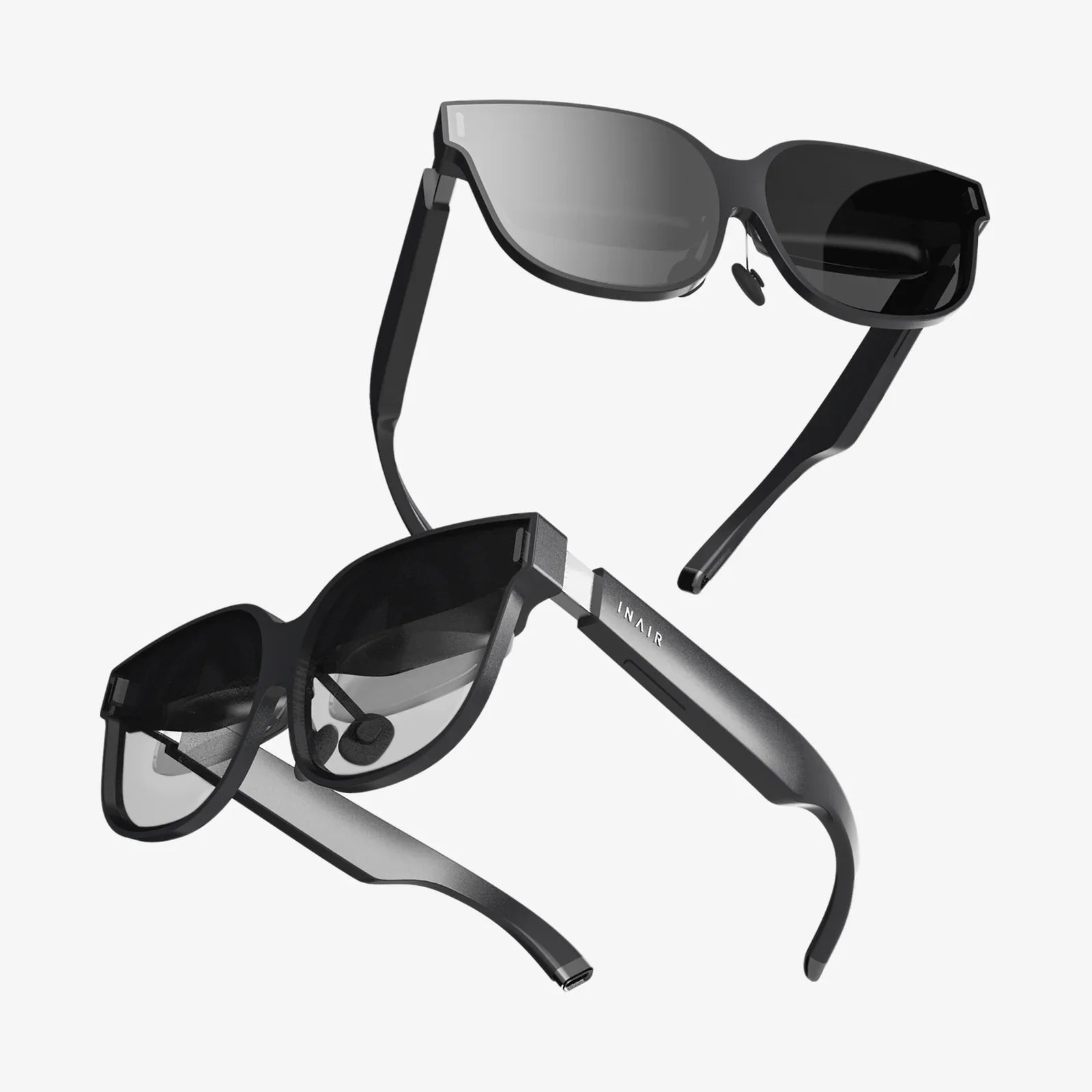
Imagine stepping through a screen into a world limited only by imagination, where the boundaries of physical reality dissolve and the only rule is to play. This is the promise of virtual reality, a technological leap that has moved from science fiction to a compelling, accessible reality for millions. To play in VR is to accept an invitation to a new dimension of experience, one that engages the senses, challenges the body, and captivates the mind in ways previously unthinkable. It’s more than a game; it’s a passport to infinite possibilities.
The Hardware: Your Gateway to New Worlds
The journey to play in VR begins with the hardware, the crucial bridge between our world and the digital one. While the underlying technology is complex, the goal is simple: to create a seamless and immersive experience that tricks the brain into accepting the virtual as real.
The most visible component is the headset, a wearable device that contains the screens which display the virtual environment. Modern headsets use high-resolution displays, often with a fast refresh rate, to produce a crisp, smooth visual experience that reduces the latency and motion blur that once caused discomfort. Inside, precise gyroscopes, accelerometers, and magnetometers track the orientation of your head, ensuring the world moves exactly as you do.
But to truly play in VR, you need more than just head-tracking. This is where motion controllers enter the picture. These handheld devices are equipped with similar sensors, allowing the system to map the position of your hands and fingers into the virtual space. Haptic feedback, through subtle vibrations and triggers, provides a sense of touch, letting you feel the recoil of a weapon, the tension of drawing a bowstring, or the impact of a virtual basketball bouncing off your fingertips. For the deepest level of immersion, full-body tracking systems can be employed, capturing the movement of your legs and torso, allowing your entire physical presence to be mirrored in the game.
A Universe of Experiences: Beyond the Game
To assume that the only reason to play in VR is for gaming is to underestimate the medium's vast potential. The virtual landscape is rich with diverse experiences that cater to a wide array of interests.
The Gaming Revolution
Of course, gaming remains a primary driver. To play in VR is to fundamentally change your relationship with game worlds. First-person shooters transform from a screen-based activity into a visceral test of reflexes and accuracy, where you physically duck behind cover and aim down sights. Horror games evolve from being scary to being utterly terrifying, as monsters and threats occupy your personal space. Puzzle games become tactile and intuitive, as you manipulate objects with your own hands rather than a cursor. Rhythm games like Beat Saber turn into a full-body workout, combining music, coordination, and physical exertion into an addictive package.
Social Connection in a Virtual Space
One of the most powerful aspects of modern VR is its social dimension. Platforms exist not as games, but as persistent virtual worlds where people gather. Here, you can play in VR by attending live concerts with friends from across the globe, your avatars dancing together in a crowd. You can join a virtual cinema to watch a movie, sit around a campfire to tell stories, or simply hang out in a beautifully rendered environment. These spaces leverage spatial audio, so voices sound closer or farther away depending on your avatar's position, creating a startlingly natural sense of presence and conversation. In an increasingly digital world, VR offers a new form of togetherness that transcends geographical boundaries.
Education and Training
The potential to play in VR extends into serious applications. Medical students can practice complex surgical procedures on virtual patients, making mistakes without consequences. History students can take a field trip to ancient Rome, walking through digitally reconstructed forums and temples. Mechanics can train on virtual engines, and astronauts can simulate spacewalks. This experiential learning is profoundly more effective than reading textbooks or watching videos, as it builds muscle memory and spatial understanding.
Creativity and Design
VR has emerged as a powerful canvas for artists and designers. Applications allow users to sculpt, paint, and model in three dimensions, surrounded by their creation. Architects can walk clients through a building before a single brick is laid, and industrial designers can examine a virtual prototype at full scale. To play in VR in this context is to engage in a boundless sandbox of creation, where the tools are as intuitive as using your hands.
The Human Factor: Physical and Psychological Effects
Engaging so deeply with a synthetic environment has tangible effects on the user, both physical and psychological. Understanding these is key to a safe and enjoyable experience.
Immersion and Presence
The ultimate goal of VR technology is to achieve a state of “presence”—the undeniable feeling of “being there.” When you successfully play in VR, your cognitive brain accepts the virtual world as your primary reality. This is why you might instinctively try to lean on a virtual table or feel a genuine sense of vertigo when looking over a digital cliff edge. This break from reality is the medium's greatest strength, but it requires a careful balance.
Conquering Simulator Sickness
A significant hurdle for many new users is simulator sickness, a form of motion sickness characterized by dizziness, nausea, and disorientation. It occurs when there's a conflict between the visual stimuli (your eyes telling your brain you are moving) and the vestibular system in your inner ear (telling your brain you are standing still). Developers combat this with clever design techniques like “comfort modes,” which reduce the field of view during movement, implementing “teleportation” locomotion instead of smooth analog movement, and ensuring a consistently high frame rate. Most users find their “VR legs” over time, allowing them to play in VR for longer, more comfortable sessions.
The Psychological Impact
The psychological effects of VR are profound. Studies have shown that experiences in VR can have real-world impact, a phenomenon known as the “Proteus Effect.” This means that embodying a powerful avatar can increase a user's confidence outside of VR. Furthermore, VR is being successfully used for exposure therapy, helping people confront phobias like fear of heights or public speaking in a safe, controlled environment. However, the intensity of experiences also demands responsibility; overly intense horror or violence can have a stronger effect than in traditional media.
The Future is Virtual: What Lies Ahead
The technology to play in VR is advancing at a breathtaking pace. We are moving towards lighter, wireless headsets with higher-resolution displays, wider fields of view, and more realistic haptic feedback. The horizon is filled with even more exciting prospects.
Research into brain-computer interfaces hints at a future where we might control VR experiences with our thoughts. Haptic suits and gloves are becoming more sophisticated, promising the ability to feel the texture of virtual objects and the force of impacts. The concept of the “metaverse,” a persistent and interconnected network of virtual worlds, suggests a future where we work, socialize, and play in VR as a standard part of daily life.
As artificial intelligence improves, the characters we interact with in these worlds will become more believable and responsive, creating narratives that are dynamic and personally tailored. The line between the virtual and the real will continue to blur, offering unprecedented opportunities for connection, creativity, and exploration.
The screen that once confined our digital adventures is finally vanishing. In its place stands an open doorway, inviting you to step across the threshold and discover what it truly means to play. The controllers are in your hands, the headset is your viewfinder, and an entire universe of experience awaits your first move. This isn't the future of entertainment; it's the thrilling, immersive, and boundless present.
Share:
Hologram Real: The Science, Fiction, and Future of True Volumetric Displays
Screen Goggles: The Ultimate Defense Against Digital Eye Strain