


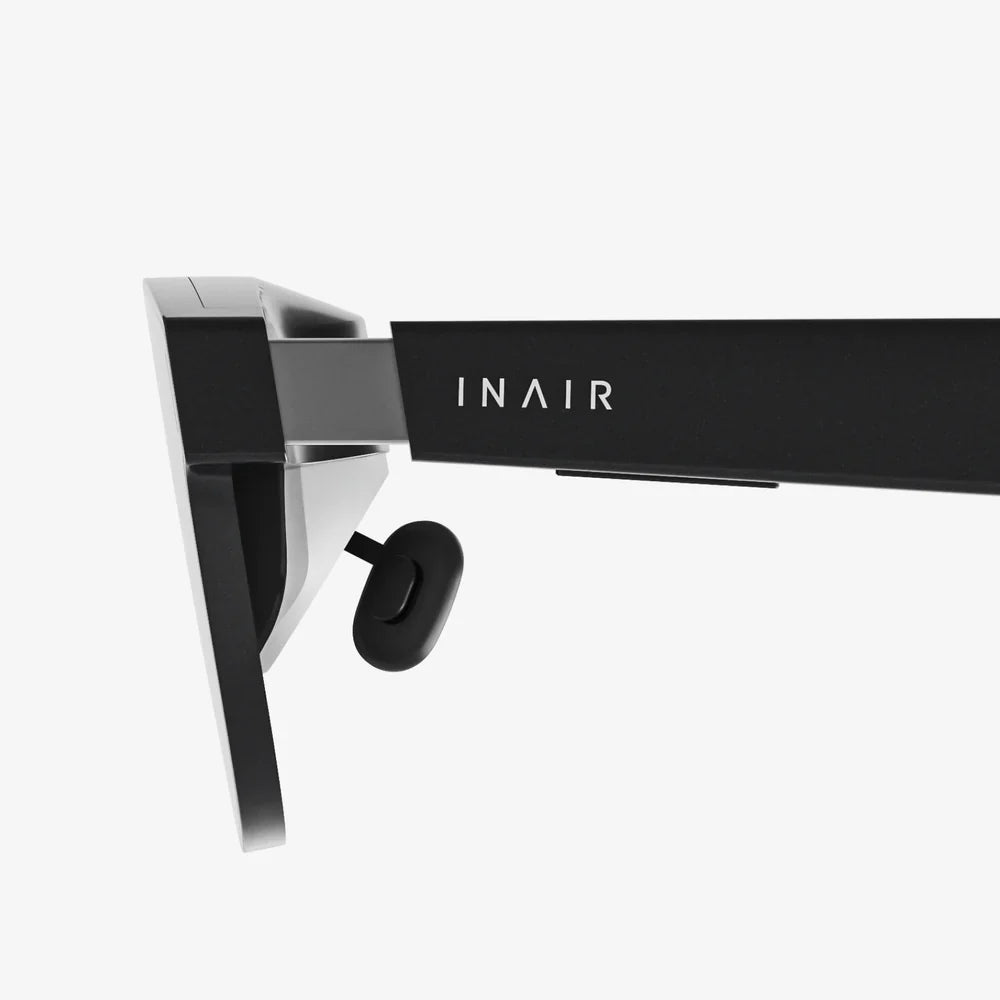
Imagine your entire media collection, every cherished film, every binge-worthy series, not confined to a rectangle on your wall but projected into the space around you, a personal IMAX that exists only for you. This is no longer a scene from science fiction; it's the reality unfolding today as we bridge the incredible library of a personal media server with the immersive canvas of augmented reality glasses. The journey from Plex to AR glasses is unlocking a new dimension of entertainment, transforming how we consume media and redefining the very concept of a home theater.
The Convergence of Two Technological Titans
The magic of streaming from a media server to AR eyewear lies in the seamless convergence of two powerful platforms. On one side, we have the media server software, a robust application that organizes, manages, and streams a user's personal collection of videos, music, and photos. It acts as the brain and the library, the central repository of content. On the other side are the AR glasses, a wearable display technology that superimposes digital information, interfaces, and visuals onto the user's real-world view. They are the window to a new reality. Connecting these two creates a symbiotic relationship where vast libraries of content meet an infinite, customizable display canvas.
Understanding the AR Glasses Landscape
Not all augmented reality devices are created equal, especially when it comes to media consumption. For this specific use case, we are primarily discussing glasses that function as a personal cinema display. These are often categorized as video-see-through or immersive viewers. They utilize high-resolution micro-OLED displays positioned extremely close to the eyes, with lenses that focus the image to create the illusion of a massive, floating screen. The key differentiator from virtual reality headsets is the context; these glasses often allow the user to remain aware of their surroundings, either through a video feed or clever optical design, making them more comfortable for extended viewing sessions. They are designed not to fully replace reality but to augment it with a pristine, private screen that can be resized and positioned at will.
The Technical Bridge: How the Connection Works
Bridging the gap between a server and the glasses involves a combination of software and networking protocols. The process can be broken down into a few key steps:
- Content Retrieval: The AR glasses, or a companion device like a smartphone or dedicated streaming dongle, run a client application. This app communicates with the media server software over a local network or the internet.
- Protocol Handshake: The client and server communicate using standard streaming protocols. The server software is exceptionally adept at on-the-fly transcoding. This means if the native video file format isn't directly compatible with the AR glasses' player, the server will convert it in real-time to a streamable format that the glasses can decode efficiently, ensuring smooth playback without stutter.
- Streaming: The video and audio data is packetized and streamed over Wi-Fi. A strong, stable Wi-Fi connection, preferably on a 5 GHz or even 6 GHz band, is crucial for maintaining a high-bitrate, high-definition stream without latency or compression artifacts.
- Rendering: The glasses' onboard software receives the stream and renders the video content within the AR environment. This is where the user can pin a screen to their wall, create a void theater, or watch while lying in bed with the screen hovering on the ceiling.
Step-by-Step Setup Guide
Setting up this immersive experience is typically straightforward, reflecting the user-friendly nature of both technologies.
- Server Preparation: Ensure your media server is updated to the latest version and is running smoothly. Your media library should be properly organized and scanned.
- Network Check: Verify that both your server (e.g., a computer or network-attached storage device) and your AR glasses (or their connected device) are on the same Wi-Fi network. For best performance, a wired Ethernet connection for the server is highly recommended to free up wireless bandwidth.
- Client Application: On your AR glasses platform's app store, search for a compatible media player application. Many major players have dedicated apps, or a capable web browser can often access the server's web client directly.
- Discovery and Login: Open the app on your glasses. It should automatically discover the server on your local network. You may need to manually enter your account credentials or a PIN code to link the devices.
- Enjoy: Browse your library, select content, and adjust your virtual screen to your preferred size, distance, and opacity. You are now in your personal theater.
The Unmatched Benefits of a Private Cinematic Universe
Why go through this setup? The benefits are profound and touch on convenience, quality, and personal freedom.
- The Ultimate Big Screen Experience: You are no longer limited by the physical size of a television. Your screen can be as large as your field of view allows, providing a truly cinematic feel that dwarfs even the largest consumer televisions.
- Privacy and Immersion: With audio delivered directly to your ears via the glasses or connected headphones, you are completely enclosed in your media bubble. There are no distractions from others in the room, and you won't disturb anyone else with your audio.
- Viewing Freedom: Watch in a fully lit room without glare. Watch in bed without needing to prop up a tablet or strain your neck. The screen is always perfectly positioned, whether you're sitting upright, reclining, or lying down.
- A Unified Library: This setup brings your entire personal media collection—from rare art-house films to home videos—into the same high-quality, immersive viewing environment as mainstream streaming services.
- Accessibility: For individuals with physical limitations that make traditional TV viewing difficult, this technology offers a revolutionary way to comfortably enjoy media.
Navigating Potential Challenges and Considerations
As with any emerging technology, there are factors to consider for an optimal experience.
- Battery Life: High-resolution streaming and powering displays is computationally intensive. Most AR glasses have a limited battery life, often between 2-4 hours for continuous video playback, necessitating planning for longer movies or having a charging solution nearby.
- Content Compatibility: While server transcoding handles most issues, very high-bitrate 4K HDR files with advanced audio codecs can sometimes pose a challenge, requiring a powerful server processor to transcode on the fly without buffering.
- Comfort and Fit:
Finding the right fit is crucial for extended viewing. While modern devices are increasingly lightweight, comfort over multiple hours is a key consideration that varies from person to person.
The Future of Personal Media Consumption
The act of streaming from a personal server to AR glasses is a glimpse into a rapidly approaching future. We are moving towards a world of spatial computing, where digital interfaces and content are seamlessly integrated into our physical world. The next evolution will likely see deeper integration, moving beyond a simple floating screen. Imagine watching a director's commentary with the speaker virtually sitting on your couch, or having statistical overlays appear around the players during a sports game. Your media server could evolve into a spatial media hub, managing 3D assets and interactive content designed specifically for immersive environments. This technology is the foundational step towards a future where our entertainment is not just something we watch, but something we experience within our own space.
The fusion of a comprehensive media server with the boundless display of AR glasses doesn't just upgrade your movie night; it shatters the old paradigm of the living room television. It offers a tantalizing preview of a world where our digital lives are woven into the fabric of our physical reality, offering unparalleled immersion, privacy, and freedom. This is more than a new way to watch; it's the dawn of your personal cinematic universe, waiting to be explored from the comfort of your favorite chair.
Share:
Independent Office Equipment: The Complete Guide to Taking Control of Your Business Infrastructure
2D to 3D Model AI: The Revolutionary Technology Reshaping Digital Creation