


Imagine a world where your environment anticipates your needs, your devices communicate seamlessly without a single command, and technology doesn't just assist you—it understands you. This isn't a distant science fiction fantasy; it's the reality taking shape with the popular digital products of 2025. The breakneck pace of innovation has moved beyond incremental updates, ushering in an era of truly intuitive and integrated technology that is poised to redefine our daily lives in profound and exciting ways. The future is no longer on the horizon; it's arriving now, and it's more connected, intelligent, and personal than we ever dreamed.
The Rise of Ambient Computing and The Invisible Interface
The most significant shift defining popular digital products in 2025 is the move away from screen-centric interaction towards ambient computing. The goal is no longer to create a better app or a faster phone, but to weave technology into the very fabric of our environment, making it accessible yet unobtrusive.
This is evident in the next generation of smart home ecosystems. Rather than controlling individual devices via a smartphone, advanced spatial awareness and predictive algorithms allow the home itself to become the interface. Imagine walking into a room where the lighting, temperature, and audio ambiance automatically adjust to your personal preferences and the current context—whether you're preparing for a work call, relaxing with a book, or hosting a dinner party. These systems use a combination of low-power sensors, distributed microphones and speakers, and sophisticated artificial intelligence to create a cohesive and responsive environment.
Central to this experience are new categories of always-on displays. These are not tablets or smartphones, but elegant, minimalist surfaces integrated into mirrors, countertops, and walls. They remain dormant until needed, presenting relevant information like weather, calendar appointments, or notifications with a simple glance, before fading back into the background. This represents a fundamental design philosophy for 2025: technology should serve us without demanding our constant attention.
The AI Revolution: From Tool to Collaborative Partner
If 2023 was the year the world discovered generative AI, 2025 is the year it becomes deeply, and almost invisibly, embedded into every popular digital product. AI is no longer a standalone feature or a chatbot; it is the core operating system of our digital lives.
On-device AI processing has become a standard capability, powered by specialized neural processing units (NPUs) in everything from laptops to wearables. This allows for powerful functionalities without constant reliance on the cloud, ensuring greater speed, privacy, and reliability. For instance, your personal device can now proactively manage your schedule by analyzing your work patterns, suggesting optimal focus times, and even drafting routine communications in your unique tone of voice. It can synthesize information from your emails, messages, and documents to provide a concise daily brief, acting less like a tool and more like a true executive assistant.
In creative fields, AI co-pilots are revolutionizing workflows. Video editing software can now automatically generate B-roll, suggest cuts based on pacing, and even compose original scores. Design applications can translate rough sketches into high-fidelity mockups or generate entire branding kits from a simple text prompt. The role of the human is shifting from executor to curator and director, guiding the AI to realize their creative vision with unprecedented efficiency.
Next-Generation Wearables: Health, Wellness, and Beyond the Wrist
The wearable market has exploded beyond the fitness tracker. In 2025, popular digital products on the body are sophisticated health monitors and contextual computers designed for specific form factors and use cases.
Advanced health rings and smart eyewear have seen massive adoption. Health rings, with their continuous wearability, provide clinical-grade data on sleep quality, heart rate variability, blood oxygen saturation, and even early signs of illness like elevated resting heart rate or temperature. They offer a more comfortable and less intrusive alternative to wrist-worn devices, providing a continuous stream of personalized health insights.
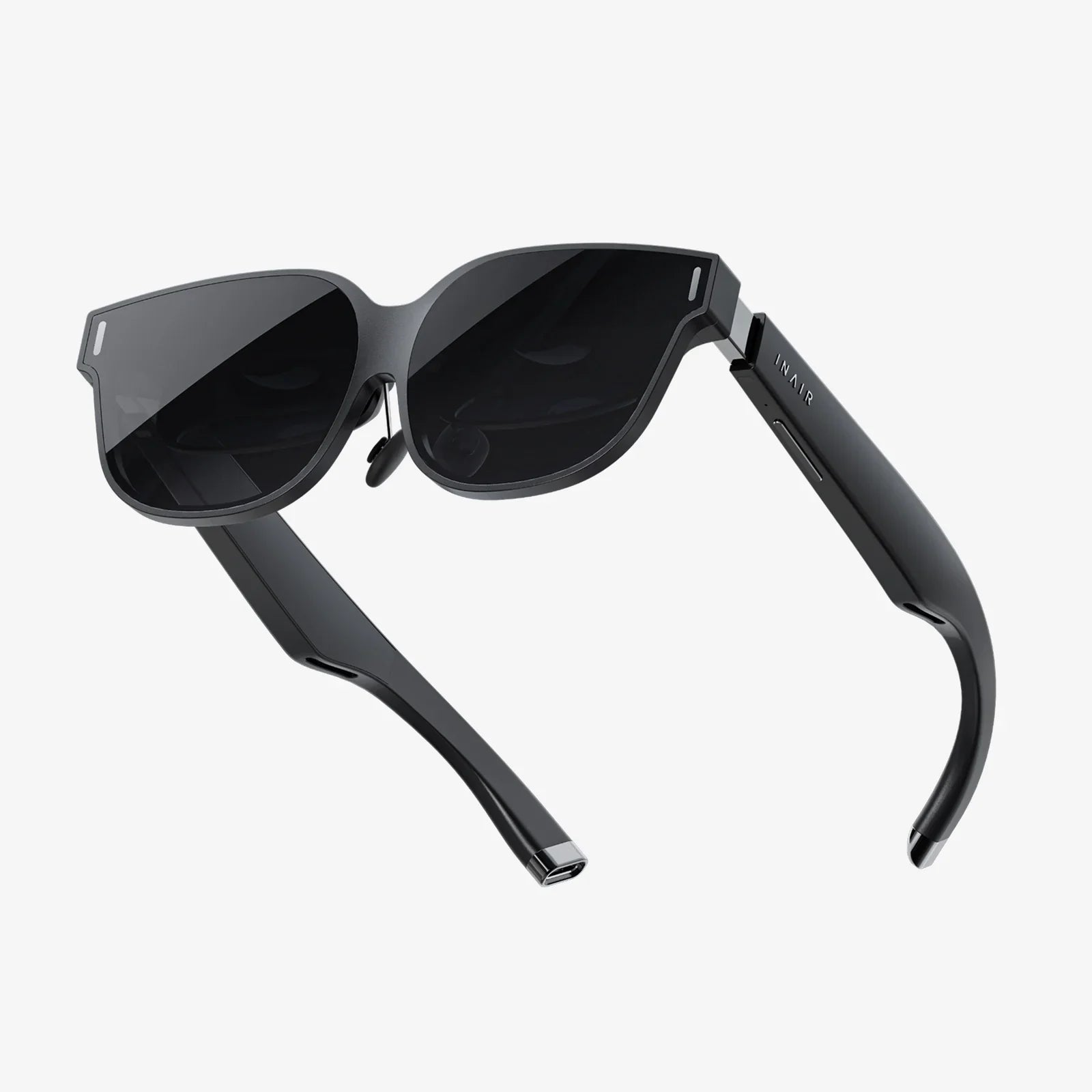
Smart eyewear, once a novelty, has finally found its purpose. Leveraging micro-LED displays and advanced waveguide technology, these sleek glasses overlay contextual information onto the real world. They can provide turn-by-turn navigation, translate foreign language signs in real-time, display meeting notes during a conversation, or identify constellations in the night sky. They represent the perfect fusion of the digital and physical worlds, offering an augmented reality experience that is genuinely useful for everyday tasks.
The Evolution of Personal Transport and Mobility Tech
Mobility is a key area where digital innovation is having a tangible impact. The popular digital products of 2025 in this sector are defined by electrification, connectivity, and autonomy.
Electric vehicles (EVs) are now the default choice for many consumers, and their digital cockpits are marvels of integration. These are not merely cars with large screens; they are rolling computing platforms. They feature immersive augmented reality head-up displays that project navigation arrows directly onto the road, advanced driver-assistance systems that inch closer to full autonomy in certain conditions, and vehicle-to-everything (V2X) communication that allows them to talk to traffic lights, other cars, and road infrastructure to optimize traffic flow and enhance safety.
For urban environments, lightweight, intelligent e-bikes and e-scooters have become a dominant mode of transport. These devices are equipped with connectivity modules that provide theft prevention, real-time diagnostics, and integrated navigation. They represent a shift towards smarter, more sustainable, and connected personal mobility solutions that are redefining urban landscapes.
Sustainability and The Right to Repair: A Core Design Principle
A crucial and welcome trend among popular digital products in 2025 is the industry-wide embrace of sustainability. Consumers are increasingly demanding products that are built to last, are repairable, and have a reduced environmental footprint.
This is reflected in product design that prioritizes modularity. Devices are being built with easily replaceable batteries, standard screw types, and readily available components. The "Right to Repair" movement has successfully pushed for legislation and industry standards, making it feasible for consumers and third-party repair shops to fix devices, dramatically extending their lifespan.
Furthermore, manufacturers are increasingly using recycled materials—from aluminum and rare-earth magnets to plastics—in their products. Packaging has been radically reduced, moving away from plastic blisters to minimalist, compostable cardboard boxes. This shift is not just a marketing tactic; it is a fundamental re-evaluation of the entire product lifecycle, from sourcing and manufacturing to end-of-life recycling, making technology consumption more responsible.
The Privacy Paradigm: Navigating a Hyper-Connected World
With technology becoming more integrated and perceptive, the question of privacy and data security is more critical than ever. The popular digital products that are succeeding in 2025 are those that build trust through transparency and user control.
On-device processing is a key part of this strategy. By handling sensitive data like audio recordings, health metrics, and personal routines directly on the device itself, rather than shipping it to the cloud, companies can offer powerful features while minimizing privacy risks. Clear, granular privacy controls are now a standard feature, allowing users to easily understand what data is being collected and for what purpose, and to shut off specific permissions without breaking core functionalities.
There is also a growing market for products that are inherently privacy-focused, offering subscription models that prioritize data protection over data monetization. In 2025, robust privacy and security are not afterthoughts; they are primary selling points and essential features that consumers actively seek out.
The Changing Face of Entertainment: Immersive and Personalized
Entertainment technology has evolved to become deeply immersive and hyper-personalized. Streaming services now leverage AI not just for recommendations, but to dynamically create content. Imagine a movie that can adjust its pacing or even subplots based on your engagement level, or a music service that generates completely original soundscapes tailored to your current activity and mood.
While true consumer-ready AR/VR headsets are still finding their mass-market footing, they have become incredibly advanced. Wireless, lightweight designs with high-resolution displays and intuitive hand-tracking controls are making immersive gaming, social interaction, and virtual tourism more compelling than ever. They represent the next logical step in our journey towards completely digital experiences.
Looking Ahead: The Human Experience at the Center
The overarching theme uniting all popular digital products in 2025 is a focus on enhancing the human experience. The technology is becoming so sophisticated that it is beginning to fade into the background, prioritizing intuition, personalization, and well-being over mere specifications and processing power. The most successful products are those that solve real human problems, empower creativity, foster connection, and do so with respect for our privacy and our planet. The era of technology for technology's sake is over; welcome to the era of technology for humanity's sake.
The landscape of popular digital products in 2025 is not just about newer models with faster chips; it's a fundamental reimagining of how technology integrates with our existence. From the ambient intelligence of our homes to the AI partners on our devices and the health monitors on our bodies, these innovations promise a future that is more efficient, creative, and insightful. The real excitement lies not in the gadgets themselves, but in the new human experiences and possibilities they unlock, inviting us all to be active participants in shaping a future where technology truly amplifies our potential.
Share:
Consumer Wearable Technology: The Unseen Revolution on Your Wrist
Top 10 Wearable Tech: The Ultimate Guide to the Gadgets Shaping Our Future