


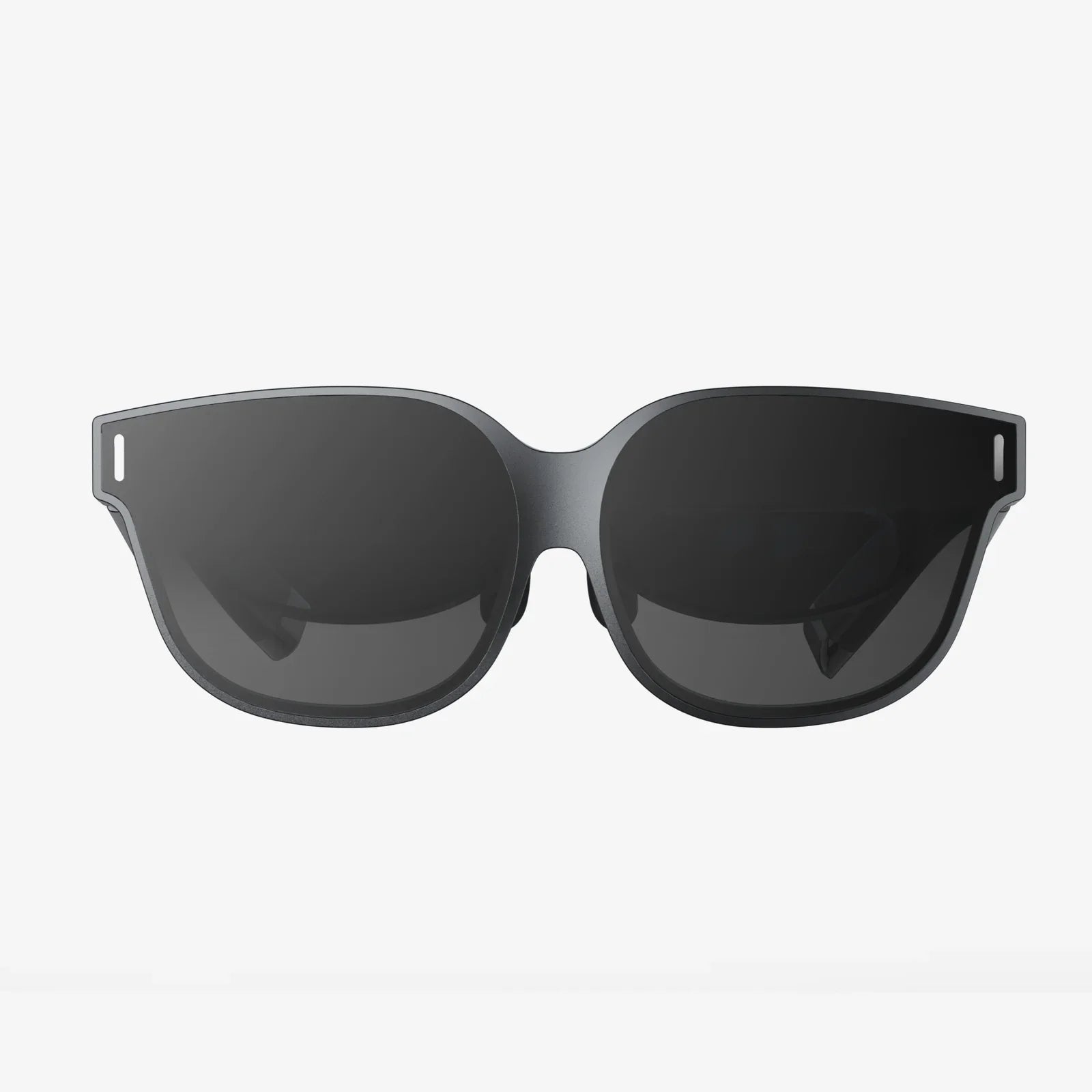
Imagine a world where your watch doesn't just tell time—it tells you about your health, your sleep, your stress, and even your future. This is no longer the realm of science fiction; it's the reality for millions, all thanks to the silent, pervasive revolution of consumer wearable technology. From the first clunky pedometers to today's sleek, sensor-laden devices, we have invited technology onto our bodies, and in doing so, we have begun a profound transformation not just of personal data, but of personal possibility. This is the story of that evolution, a deep dive into how these devices are redefining wellness, challenging our notions of privacy, and sketching the blueprint for a future where technology and humanity are more intimately connected than ever before.
The Meteoric Ascent: From Novelty to Necessity
The journey of consumer wearables is a testament to rapid technological acceleration. Initially, these devices served a single, straightforward purpose: counting steps. They were fitness accessories for the tech-savvy enthusiast. However, the integration of advanced microprocessors, miniaturized sensors, and pervasive connectivity has catapulted them into the mainstream. Today, they are multifaceted health and lifestyle hubs. The key drivers behind this meteoric rise are multifaceted. Increased health consciousness, particularly in a post-pandemic world, has made individuals more proactive about their well-being. Furthermore, the seamless integration with smartphones creates a powerful ecosystem, making the wearable an indispensable extension of our digital lives. The convenience of having notifications, music control, and payment capabilities on your wrist, without constantly reaching for your phone, has proven to be an irresistible utility for the modern consumer.
Beyond the Step Count: A Deep Dive into Health and Wellness
The most significant impact of modern wearables lies in the domain of health. They have democratized access to data that was once confined to clinical settings.
Continuous, Actionable Monitoring
Unlike a yearly check-up, wearables provide a continuous stream of physiological data. This allows for a dynamic and holistic view of one's health, revealing patterns and trends that a single snapshot in a doctor's office could never capture. Key metrics now include:
- Heart Rate Monitoring: Optical sensors track heart rate 24/7, identifying resting heart rate, exercise intensity, and even detecting abnormal spikes or drops that could indicate issues like atrial fibrillation (AFib).
- Sleep Tracking: By analyzing movement and heart rate variability, wearables break down sleep into stages (light, deep, REM), providing insights into sleep quality and duration, a critical component of overall health.
- Blood Oxygen Saturation (SpO2): This metric, measured via spectrophotometry, can be an indicator of respiratory health and overall wellness.
- Electrocardiogram (ECG): Some devices incorporate electrodes that allow users to take a medical-grade ECG from their wrist, potentially identifying serious cardiac conditions early.
- Stress and Recovery Metrics: Using heart rate variability data, wearables can estimate stress levels and suggest guided breathing exercises to help manage them, promoting mental well-being alongside physical health.
From Data to Intervention: The Power of Predictive Analytics
The true power of this data is unlocked through machine learning and predictive analytics. Algorithms can now analyze historical trends to provide personalized insights. A device might notice that your resting heart rate is elevated and your sleep was poor, suggesting you may be coming down with an illness or are overly stressed. It can nudge you to take a rest day, hydrate more, or practice mindfulness. This shift from reactive healthcare (treating illness after it occurs) to proactive and preventative wellness is arguably the most revolutionary aspect of consumer wearable technology. It empowers individuals with knowledge, turning abstract health concepts into tangible, actionable advice.
The Form Factor Evolution: More Than Just Watches
While smartwatches and fitness bands dominate the market, innovation in form factors is expanding the definition of wearables.
- Smart Rings: Discreet and comfortable for 24/7 wear, these tiny devices pack sensors for sleep tracking, activity, and even contactless payments, offering a minimalist alternative.
- Smart Clothing: Sensors are being woven directly into the fabric of shirts, socks, and sports bras, allowing for biomechanical analysis and more precise physiological monitoring without a separate device.
- Hearables: Advanced wireless earbuds now incorporate sensors for fitness tracking, translate languages in real-time, and feature active noise cancellation, making them powerful wearable computers for the ears.
This diversification signifies a move towards more integrated and specialized technology, designed to fit seamlessly into every aspect of our lives.
The Double-Edged Sword: Privacy, Accuracy, and Ethical Dilemmas
The immense potential of wearables is shadowed by significant challenges that society must address.
The Data Privacy Paradox
Wearables collect the most intimate data possible: information about the inner workings of your body. Who owns this data? How is it stored, secured, and used? The privacy policies of device manufacturers are often long, complex, and agreed to with a simple click. There is a looming risk of this data being sold to third parties, such as insurance companies or advertisers, or being vulnerable to breaches. The ethical implications are staggering—could your health data one day be used to deny you insurance or employment? Establishing clear, transparent, and robust data governance frameworks is not a luxury; it is an urgent necessity.
Questions of Medical Accuracy and Responsibility
While features like ECG are certified as medical devices in many regions, most wearable data is intended for "general wellness and fitness" purposes. The line between informational and diagnostic is blurry. There is a risk of false positives causing unnecessary anxiety or, conversely, false negatives providing a dangerous sense of security. Users must understand that these are screening tools, not replacements for professional medical diagnosis and care. The industry and regulatory bodies face the ongoing challenge of ensuring accuracy and managing user expectations without stifling innovation.
The Psychological Impact: Data Anxiety and Obsession
For some, constant monitoring can lead to "orthosomnia"—an unhealthy obsession with achieving perfect sleep data—or heightened anxiety over every heart rate fluctuation. The quantified self can sometimes become the anxious self. The design of these platforms must increasingly focus on promoting healthy engagement with data, emphasizing trends over single data points, and sometimes even encouraging users to disconnect and simply listen to their bodies.
The Future We Wear: What's Next on the Horizon?
The trajectory of consumer wearable technology points towards even deeper integration and more advanced capabilities. We are moving towards truly non-invasive continuous glucose monitoring (CGM), which would be a game-changer for diabetics and those interested in metabolic health. Blood pressure monitoring without a cuff is another holy grail actively being pursued. Furthermore, the integration of Artificial Intelligence will make devices less reactive and more truly predictive, acting as a personalized AI health coach on your wrist. The future may also see a convergence with augmented reality (AR), overlaying health and environmental data directly onto our field of vision. Ultimately, the goal is a closed-loop system where the wearable not only diagnoses but also intervenes—perhaps by automatically administering a drug or stimulating a nerve.
The line between human and machine is softening, not with dramatic cyborg implants, but with the quiet, constant companionship of a device on your wrist. Consumer wearable technology is forging a new path to self-knowledge, offering a mirror that reflects not just our appearance, but our inner state. The data it provides is a powerful language, and we are only just learning to speak it. The promise is a future of personalized, preventative, and empowered health—a future where we are no longer passengers in our own bodies, but informed pilots, guided by the subtle, intelligent whispers of the technology we choose to wear.
Share:
LR AR News: The Convergence of Location and Augmented Reality Reshaping Media
Popular Digital Products 2025: A Glimpse into the Future of Everyday Tech