


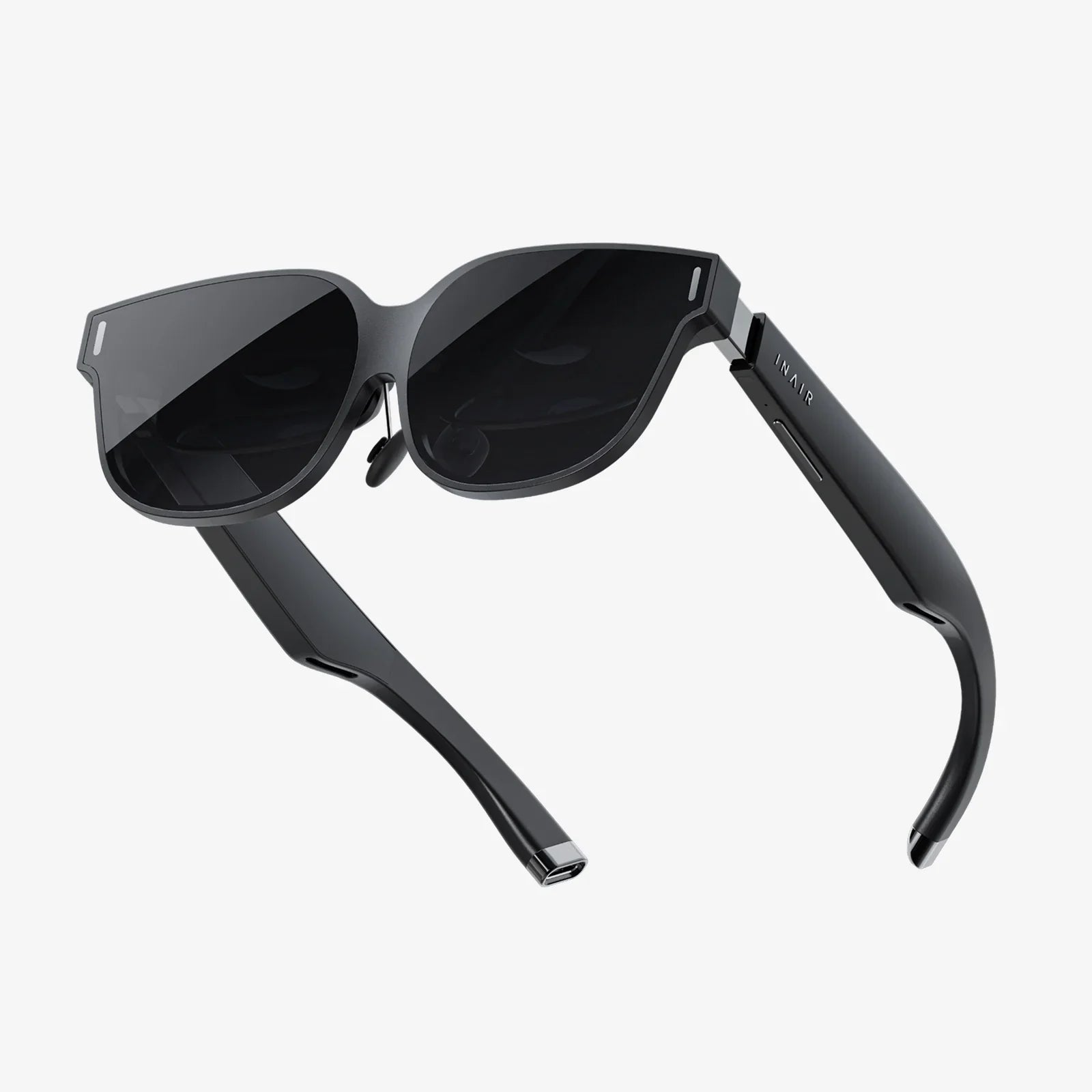
Imagine stepping through a portal into another world, feeling the sun on your skin in a digital landscape, or standing face-to-face with a prehistoric creature. This is no longer the stuff of science fiction; it’s the daily reality for millions, all thanks to the rapid evolution of the popular VR headset. These devices have catapulted from niche gaming peripherals to powerful portals for work, social connection, and breathtaking experiences, capturing the imagination of a global audience and promising to fundamentally alter our relationship with technology.
The Engine Room: Core Technologies Powering the Experience
At its heart, a modern VR headset is a marvel of miniaturized engineering, a symphony of components working in perfect harmony to trick your brain into accepting a new reality. Understanding these core technologies is key to appreciating the magic.
Visual Fidelity: The Window to Another World
The display is the soul of the experience. Early iterations were plagued by low resolution and a distracting "screen-door effect," where users could see the gaps between pixels. Today's popular VR headsets employ high-resolution Fast-Switch LCD or vibrant OLED panels, often with pixel densities that make individual pixels nearly indistinguishable. The field of view (FOV) is another critical factor, determining how much of your vision is occupied by the virtual environment. A wider FOV enhances immersion but demands more graphical processing power. Perhaps the most crucial visual technology is low-persistence display. Instead of showing a constant image, these displays flash the image for a fraction of a second, eliminating motion blur when you turn your head, which is vital for preventing discomfort.
Precise Tracking: Knowing Where You Are
For immersion to hold, the virtual world must respond to your movements with flawless precision. This is achieved through sophisticated tracking systems.
- Inside-Out Tracking: Cameras mounted on the headset itself scan the surrounding environment, tracking its position relative to your room. This method offers fantastic convenience and portability, eliminating the need for external sensors.
- Outside-In Tracking: External sensors or base stations placed around the play area precisely track the position of the headset and controllers. This method is often considered the gold standard for high-end, room-scale experiences due to its exceptional accuracy and low latency, especially for competitive applications.
Controllers and Haptics: Reaching Into the Virtual
Your hands are your primary tool for interacting with the world, and VR controllers are their digital proxies. Modern controllers are ergonomic wonders equipped with inertial measurement units (IMUs), capacitive touch sensors, and haptic feedback motors. They don’t just track your grip; they can detect individual finger placement, allowing for nuanced gestures like pointing or giving a thumbs-up. Haptic feedback, from a simple rumble to a precise, localized vibration, sells the illusion of touch—the satisfying thump of catching a ball or the jarring recoil of a virtual tool.
Audio: The Unseen Landscape
Sound is half the immersion. High-quality spatial audio is non-negotiable. Using head-related transfer function (HRTF) algorithms, headsets create a 3D soundscape where audio seems to come from specific points around you. The rustle of leaves will sound like it's behind you, and an approaching enemy will be audible from the correct direction, allowing you to react on sound alone. This is often achieved through integrated headphones or built-in directional speakers that don't isolate you completely from your real-world surroundings.
Beyond the Hype: The Expansive Universe of VR Applications
While gaming was the initial catalyst, the utility of a popular VR headset has exploded far beyond the realm of entertainment, permeating professional and creative fields.
Gaming and Entertainment: The New Frontier
This remains the most visible and developed application. VR gaming is fundamentally different from traditional screen-based play. It’s not about pressing a button to swing a sword; it’s about physically performing the action. This embodied experience creates unparalleled levels of presence and emotional connection. From exploring vast, painterly worlds to experiencing heart-pounding horror titles where the monster is truly in your face, VR offers a new grammar for interactive storytelling. Furthermore, social VR platforms and immersive concerts are creating new venues for shared experiences, allowing people to connect and enjoy events as if they were physically together.
Education and Training: Learning by Doing
VR is revolutionizing pedagogy and professional training. Medical students can practice complex surgical procedures on virtual patients without risk. History students can take a guided tour of ancient Rome, walking its streets and witnessing its grandeur. Mechanics can train on virtual engines, and astronauts can simulate spacewalks. This "learning by doing" in a safe, repeatable, and cost-effective environment dramatically improves knowledge retention and skill acquisition.
Enterprise and Design: Prototyping in the Virtual
Architects and engineers are using VR to walk clients through unbuilt designs, providing a true sense of scale and space that blueprints or renders cannot match. Car designers can sit inside a virtual prototype of a new vehicle model long before a physical one exists. Companies use VR for virtual meetings, collaborating on 3D models in a shared space as if they were physical objects on a table. This reduces travel needs, accelerates design cycles, and fosters more intuitive collaboration.
Healthcare and Therapy: Healing the Mind and Body
The therapeutic potential of VR is immense. It is being successfully used for exposure therapy, helping patients with phobias or PTSD confront and manage their triggers in a controlled setting. It aids in physical rehabilitation, turning repetitive exercises into engaging games that improve patient motivation. VR is also used for pain distraction, immersing burn victims in a calming, snowy landscape to significantly reduce their perceived pain during wound care.
Navigating the Virtual Frontier: Challenges and Considerations
Despite the incredible progress, the path to mainstream ubiquity is not without its obstacles. Both technological and human factors present significant hurdles.
The Comfort Conundrum
A significant barrier for many users is VR-induced discomfort, often referred to as simulator sickness. This disconnect between what the eyes see (movement) and what the inner ear feels (stationary) can cause nausea, headaches, and eyestrain. While advancements like higher refresh rates and better tracking have mitigated this, it remains a problem for some content and individuals. Furthermore, the form factor itself can be an issue. Headsets need to become lighter, more balanced, and less facially intrusive to encourage longer, more comfortable use sessions.
The Price of Admission and the Hardware Hurdle
Accessibility comes in two forms: cost and complexity. High-end headsets represent a significant financial investment, and many require a powerful, and equally expensive, computer to run. While more affordable, standalone options exist, they represent a trade-off between convenience and performance. This creates a barrier for many potential users. The setup process, though vastly improved, can still be daunting for the non-technical, involving software installation, boundary setup, and occasional troubleshooting.
The Social and Ethical Dimension
As we spend more time in virtual spaces, questions arise about data privacy, psychological effects, and real-world social isolation. What data do these devices collect about our movements, behaviors, and even biometric responses? How do prolonged exposures to virtual realities impact our perception of the physical world? Furthermore, creating safe and moderated social spaces is a immense challenge, as these platforms can be susceptible to the same toxic behaviors found elsewhere online, but with a more intense, personal feel.
The Next Dimension: Gazing into the Future of VR
The current generation of headsets is impressive, but they are merely a stepping stone. The future promises innovations that will blur the line between real and virtual beyond recognition.
The Quest for a Lighter, Smarter Form Factor
The ultimate goal is a pair of sunglasses, or even regular eyeglasses. Advances in pancake lenses, micro-OLED displays, and onboard processing will relentlessly drive miniaturization. Future headsets will be all-in-one devices with untethered freedom, powerful enough to deliver photorealistic graphics without external hardware.
The Rise of Eye and Face Tracking
This technology is a game-changer. Eye-tracking allows for foveated rendering, where only the spot you're directly looking at is rendered in full detail, drastically reducing the computational power needed. It also enables more natural social interactions in VR, as avatars can make genuine eye contact. Combined with face tracking, which captures your real-life expressions and maps them onto your digital persona, this technology will erase the "robot face" effect and foster truly empathetic and authentic communication in virtual spaces.
The Full-Body Haptic Future
The next leap in immersion will come from engaging the rest of the body. Haptic suits, gloves, and other peripherals are in development that can simulate touch, temperature, and even resistance. Imagine feeling the rain in a virtual storm or the pressure of a handshake. This will unlock entirely new experiences in training, therapy, and entertainment, making the virtual world not just something you see and hear, but something you truly feel.
The Path to the Metaverse
The popular VR headset is the primary gateway to the much-hyped metaverse—a persistent network of interconnected virtual worlds. While the fully realized vision is likely years away, today's social VR platforms are its nascent prototypes. As headsets become more comfortable, affordable, and powerful, they will transition from a dedicated activity device to a always-on platform for living, working, and playing, fundamentally reshaping how we socialize, collaborate, and experience the internet.
The journey of the popular VR headset is far from over; in many ways, it's just beginning. From clunky curiosities to sleek portals of possibility, these devices are steadily dismantling the barriers between the physical and the digital. They challenge us to reimagine not just how we play games, but how we learn, heal, connect, and create. The headset on your face today is a mere preview of the invisible interface of tomorrow, a tomorrow where the boundaries of reality are limited only by the breadth of our imagination. The portal is open, and an entire universe of experience awaits on the other side.
Share:
VR Headset Compatible with iPhone SE: Your Pocket-Sized Portal to Virtual Worlds
VR Headset for PC Cost: A Comprehensive Guide to Your Virtual Reality Investment