


Imagine a world where your watch not only tells time but also tells you about your health, where your glasses overlay digital information onto the physical realm, and where a simple ring can unlock doors, pay for coffee, and track your sleep. This isn't a glimpse into a distant sci-fi future; it's the reality millions are experiencing today, powered by the silent, seamless integration of popular wearable devices into the fabric of our daily existence. From the wrist to the ear, from the finger to the head, these technologies are quietly orchestrating a revolution in how we live, work, and connect, promising a future of unprecedented personalization and control.
The Wrist-Worn Command Center: More Than Just Time
For decades, the wrist was dominated by a single function: telling time. Today, it has become the prime real estate for the most ubiquitous category of popular wearable devices. The modern wristband is a powerhouse of technology, a miniature computer strapped to our bodies. These devices have evolved far beyond simple step counting. They are now comprehensive health and fitness hubs, capable of monitoring a staggering array of physiological data.
Advanced optical heart rate sensors provide continuous monitoring, painting a detailed picture of cardiovascular health throughout the day and night. This data is crucial not just for athletes optimizing their training zones but for anyone interested in understanding their stress levels, recovery status, and overall heart health. Integrated GPS modules accurately track distance, pace, and route for runners, cyclists, and hikers, liberating them from the need to carry a phone during activity. The most sophisticated sensors can even measure blood oxygen saturation (SpO2), a key metric for assessing respiratory health and sleep quality.
But the functionality extends beyond the physical. These devices have become our primary notification centers, filtering the digital world's constant stream of information. A discreet vibration can signal an important call, message, or calendar alert, allowing users to stay connected without being constantly glued to a smartphone screen. This creates a new dynamic of glanceable interaction, reducing digital distraction while maintaining accessibility. Furthermore, with integrated NFC technology, the wrist has become a wallet, a transit pass, and a home automation remote. A flick of the wrist can pay for groceries, board a subway, or adjust the thermostat, weaving convenience directly into the user's physical movements.
The Unseen Revolution: Hearing and Understanding
While the wrist commands attention, another revolution is happening almost invisibly, nestled within the ear canal. Wireless earbuds have exploded in popularity, transitioning from a simple audio accessory to a sophisticated wearable computer. Their primary function remains the delivery of high-quality, immersive audio, from music and podcasts to phone calls. However, their role is rapidly expanding.
Active Noise Cancellation (ANC) technology uses microphones to detect and neutralize ambient noise, creating a personal oasis of silence in crowded, chaotic environments. This is not merely a feature for audiophiles; it's a tool for focus and mental well-being in an increasingly noisy world. Conversely, transparency modes use those same microphones to amplify important environmental sounds, like approaching traffic or a colleague's conversation, allowing users to remain aware of their surroundings without removing the earbuds.
The most significant evolution, however, lies in the integration of smart assistants. Voice commands allow users to control music, ask questions, set reminders, and send messages entirely hands-free. This seamless voice interaction represents a fundamental shift away from touch-based interfaces towards a more natural, conversational form of computing. For many, these tiny devices are the primary gateway to artificial intelligence, providing a constant, discreet auditory companion that is always ready to help.
A New Vision: Augmenting Reality and Redefining Presence
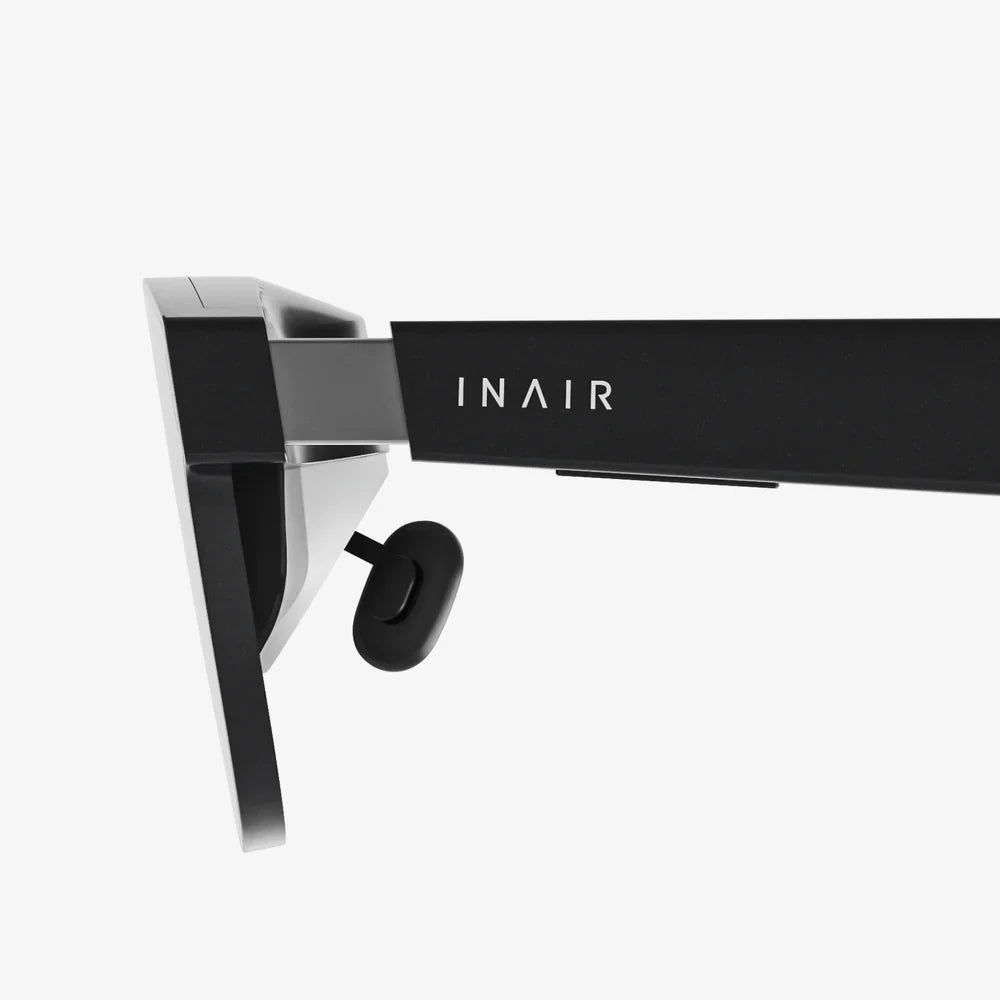
Perhaps the most futuristic frontier of popular wearable devices is situated on the face. Smart glasses, though still developing, promise to fundamentally change our relationship with information and reality itself. Early iterations focused on providing a heads-up display for notifications and basic data, but the ambition is far greater: to create augmented reality (AR).
AR wearables aim to overlay digital information—text, graphics, 3D models—onto the user's field of view of the real world. Imagine walking through a foreign city and seeing navigation arrows painted onto the street, historical information popping up about a building you're viewing, or a recipe hovering in your line of sight as you cook. This technology has profound implications for fields like manufacturing, where technicians can see repair instructions overlaid on machinery, medicine, where surgeons can visualize patient data during procedures, and remote collaboration, where a expert can see what a field technician sees and annotate their view in real-time.
Beyond utility, this category also explores new forms of social connection and presence. Some devices are experimenting with capturing and projecting life-like avatars of users during video calls, creating a stronger sense of shared space than a flat screen can provide. This points to a future where wearable devices don't just connect us to information, but reshape the very nature of communication and shared experience.
The Quantified Self: Data as a Mirror and a Guide
At the core of the wearable revolution is the phenomenon of the quantified self—the practice of gathering data about all aspects of one's life. Popular wearable devices are the engines of this movement, providing a constant, passive stream of biometric feedback. This data serves as a digital mirror, reflecting patterns and truths that would otherwise remain hidden.
Sleep tracking is a prime example. By measuring movement, heart rate variability, and blood oxygen, wearables can provide detailed breakdowns of sleep stages (light, deep, REM) and quality. This empowers users to identify factors that disrupt their sleep, such as late-night caffeine, alcohol, or stress, and make informed changes. The same principle applies to activity. Sedentary reminders prompt movement, while personalized goals and achievement badges leverage gamification to motivate users toward a more active lifestyle.
This constant feedback loop creates a powerful form of behavioral conditioning. Seeing the direct impact of a poor night's sleep on your daily readiness score, or the cardiovascular benefit of a brisk walk, makes abstract health advice tangible and personal. It shifts healthcare from a reactive model (treating illness) to a proactive one (optimizing wellness). For individuals managing chronic conditions like atrial fibrillation, some devices can even provide early warnings of potential issues, enabling them to seek medical attention sooner. This transformation of personal data into actionable insight is arguably the most profound impact of these technologies.
Navigating the Challenges: Privacy, Accuracy, and the Human Connection
The rise of popular wearable devices is not without its significant challenges and criticisms. The most pressing concern is data privacy and security. These devices collect a deeply intimate portrait of their users: location history, heart rate, sleep patterns, and even audio snippets. This data is incredibly valuable, not just to the user but also to advertisers, insurers, and other third parties. Questions about who owns this data, how it is stored, and how it might be used (e.g., for insurance premium calculations or targeted advertising) remain largely unanswered, creating a potential for misuse that society is only beginning to grapple with.
Another critical issue is clinical accuracy. While consumer-grade sensors are impressive, they are not medical devices. They are designed for wellness and fitness, not for diagnosis. Relying on them for medical decisions can be dangerous. Regulatory bodies are working to create frameworks for this new category, but the line between a helpful wellness tool and an unverified diagnostic device remains blurry. Users must understand the limitations of their technology and consult healthcare professionals for serious health concerns.
Finally, there is a philosophical question about the impact on human experience. Does constantly quantifying our lives pull us out of the moment? Does prioritizing data from a device over listening to our own body's signals create a new form of anxiety, sometimes called "wearable anxiety"? The goal of these devices should be to enhance life, not to replace innate human intuition or to create a constant state of self-surveillance and performance anxiety. Finding a balance between using data as a guide and living an unmediated life is a personal and societal challenge we must all face.
The Invisible Future: Where Do We Go From Here?
The trajectory of popular wearable devices points toward even greater miniaturization, integration, and intelligence. The next generation will likely move beyond the wrist and ear, becoming even more seamlessly woven into our lives and attire. We can expect to see advancements in biometric sensors that move beyond optical measurements to non-invasive glucose monitoring, continuous blood pressure tracking, and even hydration levels.
The form factor will also evolve. Research into smart fabrics and electronic textiles (e-textiles) suggests a future where our clothing itself is the sensor, measuring muscle activity, posture, and exertion. Smart rings offer a more discreet alternative to wrist-worn devices, focusing on core health metrics and NFC payments. The ultimate goal is ambient computing—where technology recedes into the background of our lives, anticipating our needs and providing information without requiring conscious interaction. The device itself becomes invisible, leaving only the benefit.
This will be powered by advances in artificial intelligence and machine learning. Instead of presenting raw data, future wearables will act as intelligent health coaches, providing personalized, contextual advice. They might notice a trend of rising resting heart rate and suggest a rest day, or correlate poor sleep with a particularly stressful day at work and recommend a mindfulness exercise. The device will transition from a data recorder to a proactive partner in well-being.
The world is on the cusp of a paradigm shift, moving from smartphones as the central hub of our digital lives to a distributed ecosystem of intelligent, context-aware wearables. These devices are becoming the bridge between our biological selves and the digital universe, offering a glimpse of a future where technology is not something we hold, but something we wear, and ultimately, something we are. The potential to enhance human health, capability, and connection is immense, limited only by our ability to innovate responsibly and navigate the complex ethical terrain it presents.
This isn't just about counting steps or skipping songs without touching your phone. It's about a fundamental rewiring of human interaction with technology, shifting from a tool we actively use to an intelligent layer that seamlessly integrates with our existence. The data on your wrist and in your ears is painting a masterpiece of your life, offering insights that empower you to live healthier, stay more connected, and interact with the world in ways previously confined to imagination. The revolution is not coming; it's already here, quietly ticking on your wrist, whispering in your ear, and waiting to show you a world enhanced by data and driven by a simple, powerful promise: a better you.
Share:
Augmented Reality News Past 2 Days: A Glimpse Into Our Digitally-Enhanced Future
Best Stand Alone VR - The Ultimate Guide to Untethered Immersion