


The world is in your pocket, on your lap, and in your bag. The hum of a processor is the soundtrack to modern life, from the coffee shop entrepreneur to the remote mountain digital nomad. Portable computing has shattered the chains of the static office, unleashing a revolution not just in where we work, but in how we think, create, and connect. This isn't a mere evolution of hardware; it's a fundamental reshaping of our relationship with technology itself. We are living through the most dynamic and transformative period in the history of personal computing, driven by a convergence of powerful trends that promise to make our devices more intelligent, connected, and integral to our lives than ever before.
The Foundation: Processing Power and Battery Life
At the core of every portable computing leap forward lies the relentless march of processing efficiency. The quest is no longer solely for raw, brute-force power, though that continues to advance. The defining battle is for performance per watt. The architecture of modern processors is a masterpiece of balance, designed to deliver formidable computational capabilities while sipping, not guzzling, power. This allows for sleek, fanless designs that remain cool and quiet under pressure, from editing high-resolution video to running complex data simulations.
This efficiency is the lifeblood of the second critical pillar: battery longevity. The holy grail of all-day computing is no longer a marketing fantasy but a baseline expectation for many users. Advancements in battery chemistry, coupled with intelligent, adaptive operating systems that meticulously manage power distribution to only the necessary components, have resulted in devices that can genuinely last through a full workday, a long flight, or a day of classes without frantic searches for an outlet. This liberation from the power cord is the single greatest enabler of true portability, making the promise of computing anywhere a practical reality.
The Connectivity Revolution: Beyond Wi-Fi
A powerful, long-lasting computer is merely an island of potential without a robust connection to the digital world. The next major trend is the seamless integration of high-speed cellular connectivity into portable computers. The era of tethering to a smartphone or hunting for unreliable public Wi-Fi is gradually giving way to the always-connected PC.
Embedded SIM (eSIM) technology is pivotal here, allowing devices to connect to cellular networks with the same ease as a modern smartphone. This provides a secure, private, and instantaneous connection anywhere there is cellular coverage, fundamentally changing the workflow for mobile professionals. Cloud-based applications, real-time collaboration, and massive file transfers become effortless, erasing the latency and security concerns of public networks. This trend is blurring the line between cellular networks and computing devices, creating a seamless web of connectivity that envelops the user.
The Form Factor Renaissance: Folding, Detaching, and Adapting
For decades, the clamshell laptop design reigned supreme. Today, we are witnessing a vibrant renaissance in hardware design as manufacturers experiment with form factors to suit evolving use cases. The market has enthusiastically embraced the 2-in-1 detachable, a hybrid that functions as both a powerful laptop and a standalone tablet, offering unparalleled versatility for content consumption, presentation, and note-taking with a digital stylus.
Pushing the boundary even further is the emergence of foldable screens. This technology introduces a third form factor: the compact tablet that unfolds into a small laptop or a large tablet that can be folded into a more portable size. While still maturing, foldables represent the bleeding edge of the portable computing trend, challenging our very notion of what a computer can look like and how much screen real estate we can comfortably carry. These devices are no longer just tools; they are adaptable companions that morph to fit the task at hand.
The AI Inflection Point: The Rise of the Intelligent Companion
This is arguably the most transformative trend. Artificial intelligence is moving from a buzzword to an integral, on-device component of portable computing. Specialized Neural Processing Units (NPUs) are now being embedded alongside traditional CPUs and GPUs. This dedicated silicon is designed to efficiently handle the intensive workloads of machine learning and AI algorithms directly on the device.
The implications are profound. We are moving towards systems that can:
- Understand and Anticipate: Your device will learn your patterns, proactively preparing applications or documents you need at a specific time or location.
- Enhance Creativity and Productivity: AI can power advanced features like real-time video background blur, noise cancellation that isolates your voice in a crowded cafe, automatic photo and video editing, and intelligent transcription and translation services.
- Provide Unprecedented Security: Facial recognition login is just the start. Behavioral AI can continuously learn your usage patterns to detect and prevent anomalous activity, offering a layer of security that is both powerful and frictionless.
This shift turns the portable computer from a passive tool into an active, intelligent partner that works with you to optimize your workflow and creativity.
The Ecosystem Imperative: Seamless Integration Across Devices
No portable computer is an island. The value of a device is increasingly measured by how well it integrates into a user's broader technological ecosystem. The most powerful trend in user experience is the creation of a seamless, cohesive environment across smartphones, tablets, computers, and wearables.
This manifests in features like universal clipboard, where you can copy text or an image on your phone and instantly paste it into a document on your laptop. It includes the ability to seamlessly hand off a phone call or a web-browsing session from one device to another. File systems are becoming cloud-synced and universal, allowing you to access any file from any device without manual transfers. This ecosystem approach reduces friction and cognitive load, creating a unified digital experience where the portable computer acts as the central hub, aware of and connected to all your other devices.
Sustainability and Repairability: The Conscious Consumer
A significant and growing trend is the increased focus on the environmental footprint of portable technology. Consumers and corporations are becoming more conscious of the materials used in their devices and the ethics of their manufacturing. In response, there is a marked movement towards using recycled materials, such as aluminum and plastics, in construction.
Furthermore, the right-to-repair movement is gaining traction, pushing the industry towards more modular and repairable designs. This includes easier access to replaceable components like batteries, SSDs, and even screens, extending the lifespan of devices and reducing electronic waste. This trend acknowledges that true innovation must be coupled with responsibility, ensuring the powerful tools of today don't become the environmental burden of tomorrow.
The Security Paradigm: Zero Trust and Hardware-Based Protection
As portable computers carry more of our sensitive personal and professional lives, and as they connect to a myriad of networks, security is paramount. The old model of software-based virus scanning is being augmented by a hardware-first approach. This involves dedicated security chips that serve as a trusted, isolated vault for encryption keys, biometric data, and other sensitive information.
This hardware-rooted security enables a "Zero Trust" architecture at the device level, where no user or application is inherently trusted, and verification is required from everyone trying to access resources. This is critical for protecting devices that are constantly on the move and connecting to different networks, providing a fortified foundation that protects user data even if the main operating system is compromised.
The Future on the Horizon: Augmented Reality and Spatial Computing
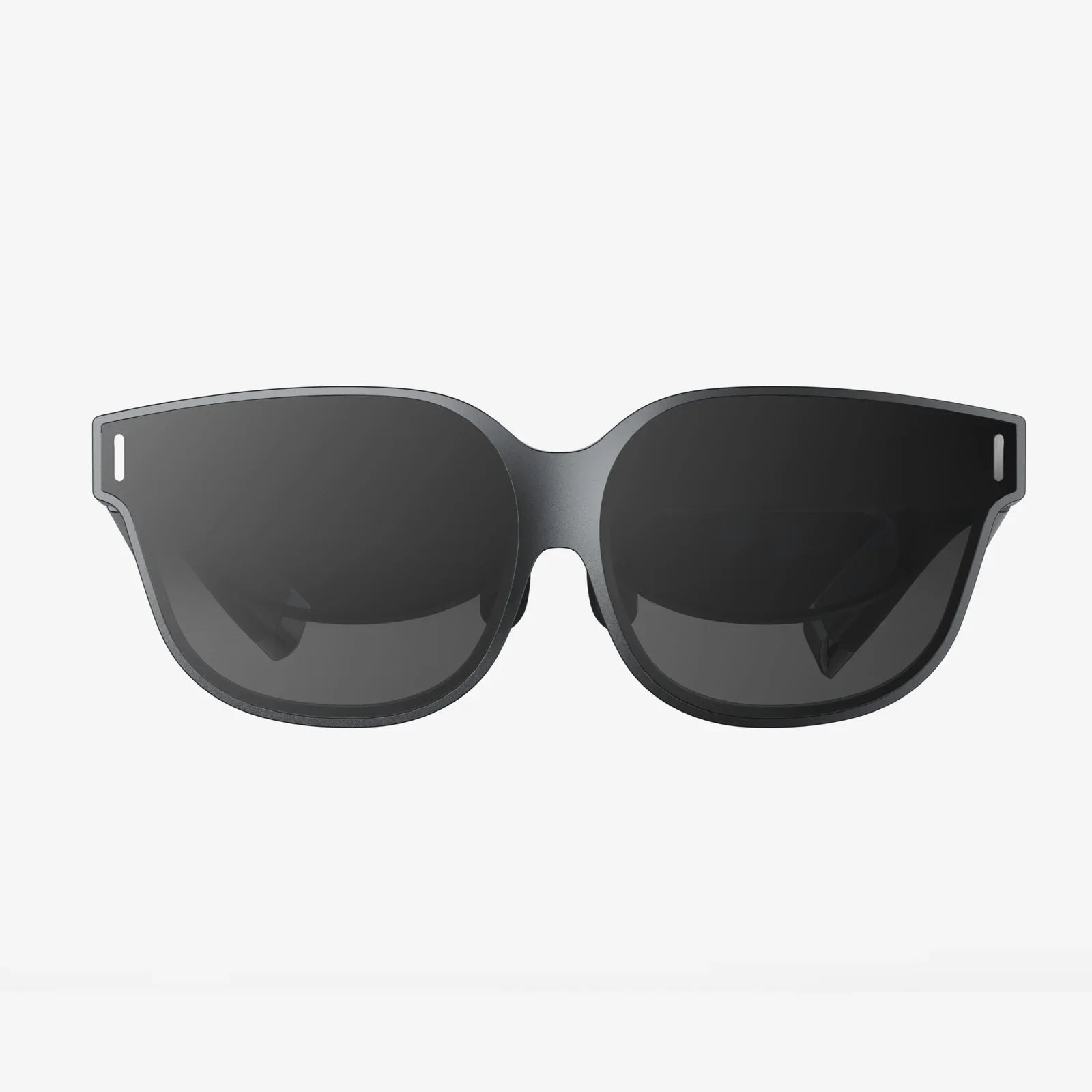
Looking ahead, the next frontier for portable computing lies beyond the screen. The convergence of powerful, portable processors with advanced sensors and high-resolution displays is paving the way for augmented reality (AR) and spatial computing. We are moving towards a future where your portable computer could be a pair of sleek glasses, projecting a vast, customizable interface into the world around you.
This will ultimately decouple the physical form of the computer from its digital output, allowing you to work on a virtual, limitless screen from anywhere. Your environment becomes your desktop. This represents the ultimate expression of portability—carrying immense computing power in a minimal form factor and accessing its interface in the air around you. While still in its early stages, the R&D in this space signals a future where the trends of connectivity, AI, and form factor evolution culminate in a truly revolutionary way to interact with digital information.
The trajectory is clear: our devices are becoming more than just portable; they are becoming pervasive, intuitive, and indispensable extensions of our own capabilities. The future of work, creativity, and connection isn't waiting for you at a desk—it's already here, running on battery, connected to the world, and ready to go wherever you do. The next click, the next breakthrough, the next big idea won't happen in a sterile office; it will happen wherever inspiration strikes, powered by the silent, relentless innovation humming within the devices we carry.
Share:
AI Tools Package: The Ultimate Guide to Unlocking Unprecedented Productivity and Innovation
AI Tools Package: The Ultimate Guide to Unlocking Unprecedented Productivity and Innovation