


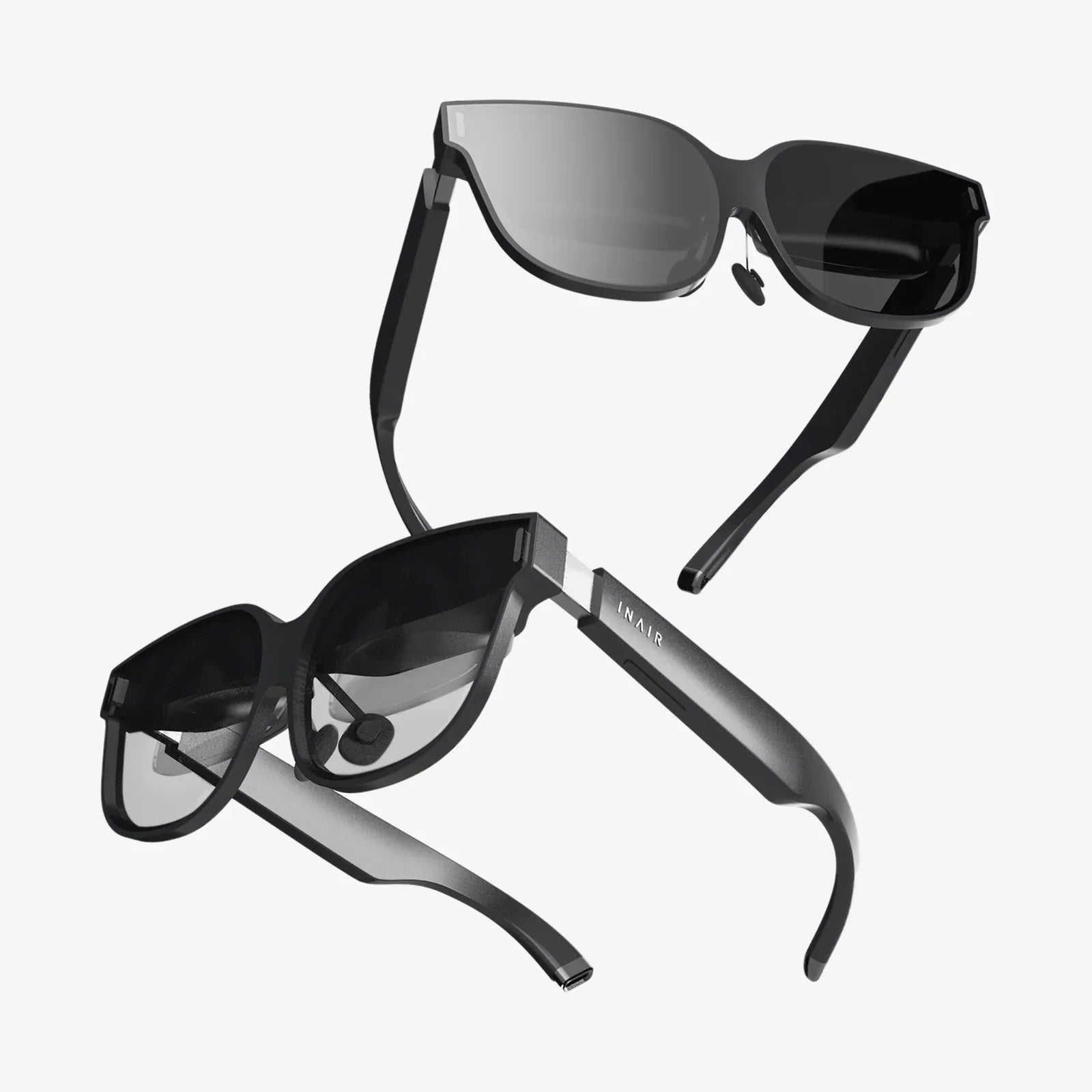
Imagine stepping into a vast, digital landscape, your movements completely unhindered, with no wires tethering you to a bulky machine in the corner of the room. This is no longer a glimpse into a distant future; it is the present reality, made possible by the revolutionary portable VR computer. This technological marvel represents the most significant leap in consumer virtual reality since the inception of the modern headset, promising to untether our digital selves and set us free. The era of being physically bound to a powerful stationary computer is rapidly fading, replaced by the sleek, self-contained promise of a complete virtual universe contained within a single, wearable device. The quest for true immersion is finally breaking its last chain.
The Architecture of Freedom: What Makes a Computer Portable for VR?
At its core, a portable VR computer is a feat of extreme engineering miniaturization and thermal management. Unlike a standard desktop computer, which has the luxury of spacious cases and large cooling systems, these devices must pack immense computational power into a form factor that can be comfortably worn on a user's head. This requires a holistic rethinking of traditional computer architecture.
The heart of any such system is the System-on-a-Chip (SoC). These are not standard mobile processors; they are highly specialized, cutting-edge components that integrate a central processing unit (CPU), a graphics processing unit (GPU), memory, and numerous other controllers onto a single piece of silicon. They are designed for one primary purpose: to deliver maximum parallel processing power with minimal energy consumption and heat output. The efficiency of these chips is the single greatest determinant of the device's performance and battery life.
Speaking of heat, thermal dissipation is a monumental challenge. Generating realistic, high-frame-rate virtual worlds creates significant heat, which must be managed instantly to prevent performance throttling and user discomfort. Engineers employ sophisticated passive and active cooling systems, often involving heat pipes, vapor chambers, and tiny, near-silent fans that are marvels of acoustic engineering. The goal is to keep the unit cool without adding significant weight or generating noise that would break the user's immersion.
Finally, the entire system is powered by a high-density, lightweight battery pack, typically housed in a counterweight at the back of the headstrap. This placement is crucial for comfort, balancing the weight of the display and compute unit at the front. Battery technology is a constant area of innovation, with research focused on extending usable session times beyond the current two-to-three-hour window without increasing the physical weight of the device.
Beyond the Hype: Tangible Benefits of an All-in-One System
The advantages of moving to a self-contained portable system extend far beyond the simple absence of a cable. This shift fundamentally changes the relationship between the user and the technology, unlocking new levels of accessibility and spontaneity.
Unmatched Convenience and Accessibility: The setup process for a tethered VR system can be daunting: installing software on a computer, ensuring compatible hardware, setting up external sensors or base stations for tracking, and managing a cable that inevitably gets tangled underfoot. A portable VR computer obliterates this complexity. The experience is often described as "console-like" in its simplicity. You put on the headset, and within seconds, you are in your virtual home environment. This dramatically lowers the barrier to entry, making high-quality VR accessible to a much broader audience who may not own, or wish to invest in, a high-end gaming computer.
The Ultimate Freedom of Movement: The lack of a cable is a transformative feature. Users can spin, crouch, lay down, and perform complex physical maneuvers without a single thought towards tripping or managing a wire. This enables more active and engaging gameplay, more natural interactions within social and professional applications, and a deeper sense of presence. For fitness applications, in particular, this is a non-negotiable feature, allowing for unrestricted movement during high-intensity workouts.
A Truly Demarcated Virtual Space: While room-scale VR with external computers is possible, it is always confined to a single, pre-defined space. A portable system is inherently nomadic. You can easily move from your living room to a larger open space like a garage or community hall, redefining your play area in moments. The device's inside-out tracking—using cameras on the headset to understand its position in the world—allows it to adapt to new environments instantly, making the virtual experience truly portable in every sense of the word.
Navigating the Trade-Offs: Performance and Power Considerations
This new paradigm of convenience is not without its compromises. The laws of physics and the current state of semiconductor technology mean that a portable VR computer cannot yet match the raw graphical fidelity of a top-tier desktop system powered by a dedicated, high-wattage graphics card.
The primary trade-off is in graphical rendering power. A desktop-grade GPU can draw hundreds of watts of power alone, enabling it to render highly complex scenes with advanced lighting effects, detailed textures, and high polygon counts. A portable system's integrated GPU, constrained by a tight thermal and power budget, must be more clever. Developers employ a range of sophisticated optimization techniques, such as fixed foveated rendering (which focuses high-resolution rendering only on the center of the user's gaze where the eye's fovea can perceive it) and aggressive asset compression. The result is often visually impressive and perfectly serviceable for most applications, but enthusiasts may notice a difference in the sheer visual splendor of the most graphically demanding titles.
The other key limitation is battery life. Intensive VR applications are a significant drain on power. Most devices offer between two to three hours of use on a single charge. While this is sufficient for most gaming sessions or experiences, it can be a constraint for professional use cases, such as architectural walkthroughs or all-day training simulations. This has led to the development of optional external battery packs that can be worn on a belt or in a pocket, effectively doubling the available usage time for those who need it.
A Spectrum of Use Cases: From Entertainment to Enterprise
The impact of portable VR computing is being felt across a diverse range of fields, proving its value far beyond the realm of gaming.
Gaming and Social Interaction: This remains the most visible and popular application. The freedom of wireless play enhances almost every genre, from rhythm games and first-person shooters to expansive RPGs. Furthermore, social VR platforms have exploded in popularity, allowing users to meet, talk, watch events, and play games with friends in shared virtual spaces. The ease of use of a portable headset makes dropping into these social worlds as simple as making a phone call.
Fitness and Wellness: VR has emerged as a powerful tool for physical health. A plethora of engaging applications offer structured workouts, boxing, dance, and meditation experiences. The untethered nature of these computers is absolutely critical here, allowing for burpees, jumps, and dynamic movements that would be impossible and dangerous with a cable attached. It turns any room into a personal, immersive gym.
Education and Training: In educational settings, portability is a game-changer. A cart of standalone headsets can be wheeled from classroom to classroom, allowing students to take virtual field trips to ancient Rome, the human bloodstream, or the surface of Mars without any complex setup. Similarly, in enterprise, industries from manufacturing to medicine are using these devices for safe, repeatable, and cost-effective training simulations that can be deployed anywhere, from a corporate office to a remote field site.
Remote Work and Collaboration: The concept of the "virtual office" is gaining traction. Portable VR computers enable professionals to collaborate on 3D models, conduct virtual meetings as lifelike avatars, and manipulate data in three-dimensional space, all from their home office or on the road. This points towards a future where physical location is less of a barrier to effective, immersive collaboration.
Gazing into the Crystal Ball: The Future of Portable VR Computing
The technology is still in its relative infancy, and the trajectory of innovation points towards an even more impressive and seamless future. Several key areas are poised for significant advancement.
First, processor and battery technology will continue to evolve. Each new generation of SoC will deliver more performance per watt, narrowing the graphical gap with desktop systems. Breakthroughs in battery chemistry, such as solid-state batteries, promise greater energy density, leading to longer session times and lighter devices.
Second, the development of cloud streaming and 5G/6G connectivity could fundamentally change the performance paradigm. The concept of "cloud VR" involves offloading the intense rendering work to powerful remote servers and streaming the visual output to the headset in real-time. This would allow a lightweight, portable device to access virtually infinite computing power, enabling hyper-realistic graphics without being constrained by local hardware. The widespread deployment of high-bandwidth, low-latency wireless networks is the key that will unlock this potential.
Finally, the convergence with Augmented Reality (AR) is inevitable. Future devices will likely be mixed reality capable by default, using high-resolution cameras to blend the real world with digital objects seamlessly. This will further expand the utility of portable computers, transforming them from devices we use for escape into tools that enhance our everyday reality, overlaying information, communication, and entertainment onto the world around us.
The journey of the portable VR computer is just beginning. It has successfully dismantled the first major barrier to mass adoption—the cable and the complex external setup. As the technology continues to mature, becoming more powerful, more comfortable, and more integrated into our daily workflows, the line between our physical reality and our digital potential will continue to blur. We are not just looking at a new piece of hardware; we are witnessing the dawn of a new, unplugged dimension of human experience, waiting just behind the visor.
Share:
Ultra Wide Touch Screen: The Gateway to Unprecedented Digital Real Estate
AR Glasses vs Meta Quest 3: The Ultimate Showdown for the Future of Computing