


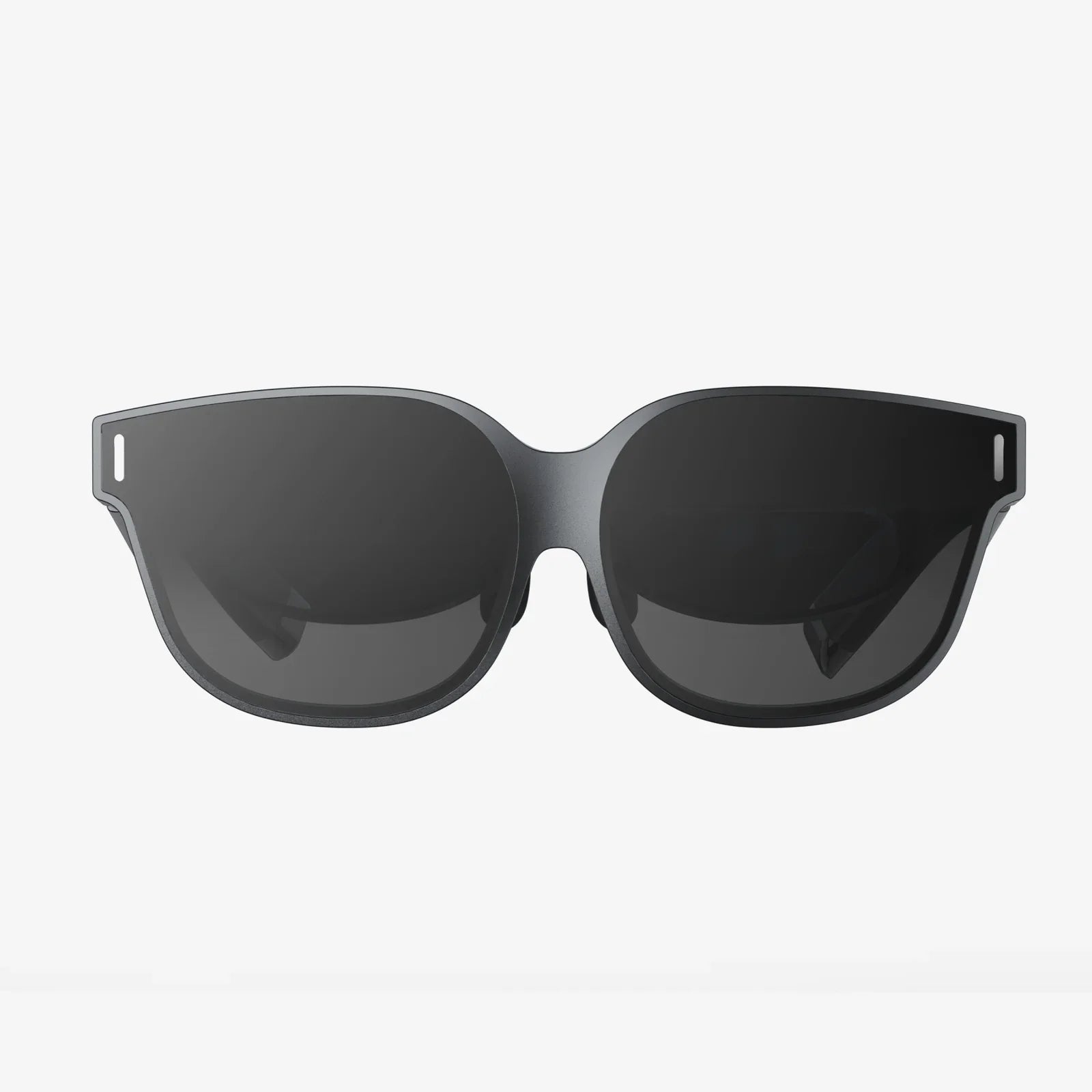
Imagine standing on the surface of Mars, your boots crunching on the rust-red soil as you gaze at the thin, hazy atmosphere. Now, picture yourself sitting front row at a legendary concert that happened decades before you were born, the music swelling around you as if you were truly there. This is no longer the stuff of science fiction; it is the palpable, powerful reality offered by Virtual Reality (VR). Beyond the initial hype and the familiar trope of the solitary gamer, VR is quietly and profoundly revolutionizing nearly every aspect of human endeavor, offering a cascade of positives that promise to enhance our lives, expand our minds, and connect our world in ways we are only beginning to comprehend. The true potential of this technology lies not in escaping our world, but in enriching it, offering tools for healing, learning, and creating that were once unimaginable.
A New Frontier in Healthcare and Therapy
The application of VR within the medical and therapeutic fields represents one of its most significant and heartening positives. It is moving from an experimental tool to a validated clinical instrument, offering new hope and innovative treatment pathways.
Exposure Therapy and Mental Health
For individuals suffering from phobias, anxiety disorders, and Post-Traumatic Stress Disorder (PTSD), VR provides a controlled and safe environment for exposure therapy. A patient with a fear of flying can progressively experience the sights and sounds of an airport and an aircraft cabin without ever leaving their therapist's office. A veteran grappling with PTSD can gradually and carefully revisit traumatic scenarios within a virtual space, allowing them to process their experiences under the guidance of a professional. This controlled dosage of exposure is incredibly powerful, enabling patients to build resilience and coping mechanisms in a way that is both effective and psychologically safe.
Pain Management and Distraction
VR has demonstrated a remarkable ability to act as a non-pharmacological analgesic. The concept of "distraction therapy" is leveraged fully in immersive VR experiences. For patients undergoing painful procedures like wound care, physical therapy, or even chemotherapy, being immersed in a calming virtual world—such as a tranquil forest or a serene underwater scene—can significantly reduce their perceived pain and anxiety. This "VR analgesia" works by hijacking the brain's attentional resources; when the mind is fully engaged in a virtual environment, it has less capacity to process pain signals, leading to real, measurable reductions in discomfort and often lowering the need for potent pain medication.
Surgical and Medical Training
The next generation of surgeons and medical professionals are honing their skills not on cadavers or expensive simulators, but in hyper-realistic virtual operating rooms. VR allows for the practice of complex surgical procedures, from intricate neurosurgery to routine laparoscopies, without any risk to a patient. Trainees can repeat procedures countless times, make mistakes, and learn from them in a consequence-free environment. Furthermore, these platforms often provide invaluable haptic feedback and detailed performance analytics, helping students refine their technique with a level of precision previously unavailable. This leads to better-trained medical professionals and, ultimately, improved patient outcomes.
Motor Skills and Rehabilitation
For patients recovering from strokes, spinal cord injuries, or other neurological conditions, VR is revolutionizing physical and cognitive rehabilitation. Traditional physical therapy exercises can be repetitive and monotonous, leading to low patient motivation. VR transforms these exercises into engaging games and interactive tasks. A patient relearning to use their arm might be virtually reaching for stars or rowing a boat down a river. This "gamification" of therapy increases adherence and enjoyment, while the precise tracking capabilities of VR systems allow therapists to monitor progress with millimeter accuracy, tailoring programs to each patient's specific needs and recovery pace.
Revolutionizing Education and Training
VR shatters the walls of the traditional classroom, offering immersive, experiential learning that dramatically improves knowledge retention and student engagement.
Immersive Learning Experiences
Instead of reading about ancient Rome, students can take a virtual walk through the Forum, listening to the chatter of citizens and looking up at the towering temples. Instead of watching a documentary about the human circulatory system, they can shrink down to a microscopic size and travel through a virtual artery. This level of immersion creates powerful "episodic memories," where knowledge is tied to a vivid experience rather than a page in a textbook. This makes learning not only more memorable but also more compelling, sparking a genuine curiosity and deeper understanding of complex subjects across history, science, and art.
Skill-Based and Vocational Training
Beyond academic subjects, VR is a powerhouse for vocational and technical training. Aspiring mechanics can practice disassembling and assembling complex engines. Electricians can learn to wire a virtual house, making mistakes that would be dangerous or costly in the real world without any actual risk. Firefighters can train for high-stress scenarios like navigating a smoke-filled building or containing a chemical fire. This type of training is scalable, consistent, and safe, providing hands-on experience that was once difficult, expensive, or dangerous to obtain. It ensures that individuals enter their chosen fields with a higher degree of competence and confidence.
Fostering Empathy and Global Awareness
Perhaps one of the most profound educational positives of VR is its unique capacity to foster empathy and global citizenship. Through immersive journalism and documentary filmmaking, users can be placed in the shoes of others. They can experience a day in a refugee camp, walk through a community affected by climate change, or see the world from the perspective of someone with a disability. These are not passive viewing experiences; they are emotional journeys that break down barriers and build a powerful, personal understanding of challenges faced by people around the world. This visceral connection can be a potent catalyst for compassion and action.
Transforming Social Connection and Collaboration
Contrary to the image of an isolating technology, VR is emerging as a powerful tool for forging deeper social bonds and enabling new forms of collaboration across vast distances.
The Rise of the Social Metaverse
Social VR platforms are evolving into vibrant digital meeting spaces where people can gather for far more than just conversation. Friends and families separated by geography can meet in a virtual living room to watch a movie together, feeling as if they are in the same space. They can attend a virtual concert, play immersive games, or simply hang out as personalized avatars, complete with spatialized audio that makes it feel like you're whispering to someone next to you. For individuals who are isolated due to age, illness, or social anxiety, these spaces can provide a crucial sense of presence and community, reducing feelings of loneliness and fostering meaningful connections.
Remote Work and Virtual Collaboration
The future of remote work is being shaped by VR. Instead of a grid of faces on a flat screen, imagine stepping into a virtual boardroom with life-sized holograms of your colleagues from across the globe. You can make eye contact, use natural gestures, and collaboratively interact with 3D models of your project—a new architectural design, a prototype for a product, or a complex data visualization. This sense of "co-presence"—the feeling of being together in a shared space—is leaps and bounds beyond traditional video conferencing. It rebuilds the nuanced human interactions and spontaneous "water cooler" moments that are often missing from remote work, leading to more effective teamwork, enhanced creativity, and a stronger organizational culture.
Unleashing Creativity and New Forms of Expression
VR is not just a medium for consumption; it is a revolutionary canvas for creation, empowering artists and designers to manifest their visions in three-dimensional space.
The Artist's Infinite Canvas
With VR, the artist's studio is boundless. Using motion-tracked controllers, painters can create vast, three-dimensional sculptures made of light, stepping inside and around their work as they build it. Musicians can compose in a 3D soundscape, physically placing different audio elements around a virtual room. This erases the traditional boundaries of a flat canvas or a linear timeline, allowing for a truly embodied and intuitive creative process. The act of creation becomes a physical dance, and the resulting art is an environment to be experienced, not just an object to be viewed.
Architecture, Design, and Prototyping
For architects and interior designers, VR is an indispensable tool for both creation and client presentation. Rather than showing a client a set of 2D blueprints or a computer rendering, they can guide them on a full-scale walkthrough of the unbuilt design. Clients can experience the flow of the space, judge sightlines, and get a true feel for the proportions and materials before a single brick is laid. This eliminates misunderstandings and ensures the final product aligns perfectly with the client's vision. Similarly, industrial designers can prototype and interact with virtual models of products, testing ergonomics and functionality in a realistic way long before committing to expensive manufacturing processes.
Enhancing Entertainment and Experiential Storytelling
While often seen as its primary function, the positive evolution of VR in entertainment goes far beyond simple games, offering entirely new narrative paradigms.
Beyond Gaming: Immersive Cinema and Narrative
VR is giving birth to a new art form: immersive cinema. In traditional film, the director controls the frame and your focus. In VR narrative experiences, you are inside the frame. You are an active participant within the story, with the agency to look anywhere you choose. This creates a deeply personal and emotionally resonant connection to the narrative. You might be a ghost silently observing a family's drama or a character whose choices influence the plot. This level of immersion makes stories more impactful and memorable, blurring the line between audience and protagonist and creating a powerful form of empathy-driven storytelling.
Live Events and Travel
VR has the potential to democratize access to experiences that were once limited by geography, cost, or physical capacity. Sports fans can get courtside seats to the biggest games from their living room. Music lovers can have front-row access to festivals and concerts across the world. For those who are unable to travel due to physical or financial constraints, VR can offer breathtaking virtual tours of the world's greatest museums, natural wonders, and historical sites. While it cannot replace the actual experience of travel, it can provide a powerful taste of it, inspiring wonder and broadening horizons for millions.
Addressing Challenges and Looking to the Future
It is important to acknowledge that the widespread adoption of VR is not without its challenges, including concerns about accessibility, cost, privacy, and the potential for prolonged use to have psychological effects. The industry must continue to work on making hardware more affordable, comfortable, and user-friendly. Ethical guidelines around data collection and user safety in social spaces are still being developed. However, the rapid pace of innovation is continuously addressing these hurdles. The future points towards lighter, wireless headsets with higher resolution, more sophisticated haptic feedback to simulate touch, and even brain-computer interfaces that could make interactions more seamless. As the technology becomes more integrated into our daily lives, its positives will only become more pronounced and diverse.
The journey into virtual reality is not an abandonment of our physical world, but an augmentation of it. It is a tool of immense power and promise, offering a new lens through which to heal, learn, connect, and create. From the hospital room to the classroom, from the design studio to the living room, VR is demonstrating a profound capacity to improve the human condition. It challenges us to rethink what is possible, pushing the boundaries of experience and understanding. The door to these new dimensions is now open, inviting us all to step through and explore the incredible positives that await on the other side.
Share:
Virtual Workspace Meaning: The Definitive Guide to the Future of Work
Virtual Reality Visuals Are Reshaping Our Perception of Reality and Digital Interaction