


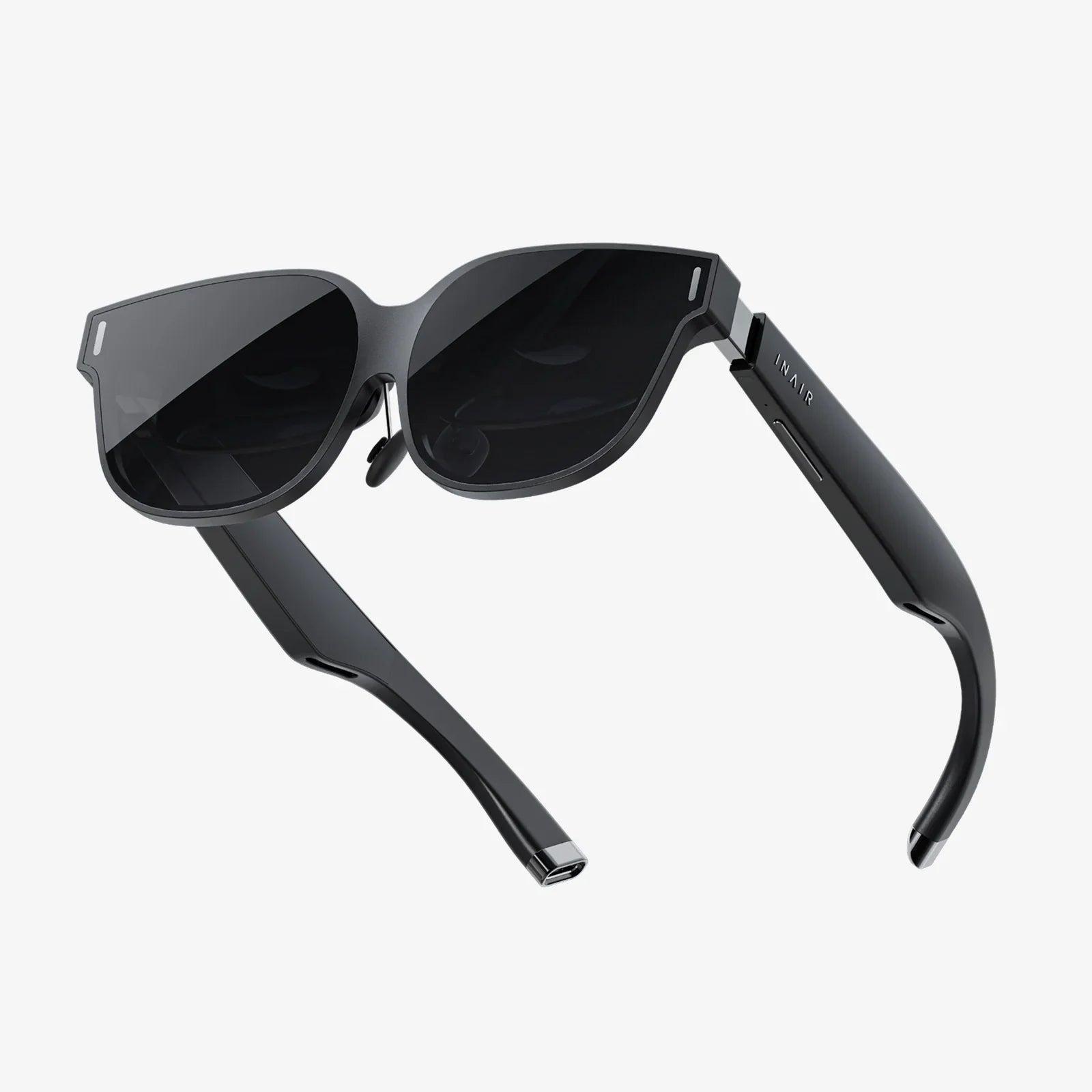
Prescription AR safety glasses are quietly becoming one of the most powerful tools you can wear on your face. They do far more than block flying debris or correct your vision; they overlay real-time information, guide your tasks step by step, and help you stay safer and more productive without ever looking away from what you are doing. If you have been juggling regular spectacles, safety goggles, and a handheld device, this new generation of eyewear can change the way you work, build, repair, and even learn.
By combining prescription lenses, protective features, and augmented reality displays in a single frame, prescription AR safety glasses are reshaping safety standards across factories, construction sites, laboratories, workshops, and field service environments. Whether you are a professional, a serious hobbyist, or a safety manager responsible for a team, understanding how these glasses work and how to choose them can save time, prevent injuries, and unlock new levels of efficiency.
What Are Prescription AR Safety Glasses?
Prescription AR safety glasses are protective eyewear that integrates three key elements in one device:
- Prescription lenses to correct vision issues such as myopia, hyperopia, astigmatism, or presbyopia.
- Safety-rated frames and lenses designed to withstand impact, resist shattering, and protect against hazards like dust, sparks, and chemicals.
- Augmented reality (AR) technology that overlays digital information onto the real world through built-in displays or projected images.
Instead of switching between standard glasses, safety goggles, and a phone or tablet, the wearer can see clearly, stay protected, and access critical data hands-free. This combination is especially valuable in environments where seconds matter and distractions can lead to accidents.
How Augmented Reality Enhances Safety Eyewear
Augmented reality adds a digital layer on top of what you see in front of you. In prescription AR safety glasses, this can appear as symbols, text, arrows, or diagrams that seem to float in your field of view. Unlike virtual reality, which replaces the real world, AR keeps you fully aware of your surroundings while enhancing what you see.
Common AR features include:
- Heads-up displays that show data such as equipment status, measurements, or navigation cues.
- Visual alerts that highlight danger zones, moving machinery, or restricted areas.
- Step-by-step guidance for assembly, maintenance, or repair tasks with visual instructions.
- Remote assistance where experts can see what you see and annotate your view in real time.
This information appears in your direct line of sight, which means you do not have to look down at a handheld device or turn away from a task. The result is fewer distractions, quicker decisions, and a lower risk of accidents caused by inattention.
Why Vision Correction Matters for Safety
Clear vision is not just about comfort; it is a critical safety factor. If you cannot see fine details, read labels, or judge distances accurately, your risk of mistakes and injuries rises sharply. For people who need prescription lenses, standard safety glasses worn over regular spectacles can be uncomfortable, unstable, and prone to fogging or misalignment.
Prescription AR safety glasses solve this by integrating your exact prescription into the protective lenses. Benefits include:
- Stable fit without stacking multiple pairs of glasses.
- Consistent optical alignment so you are always looking through the correct part of the lens.
- Better seal and coverage around the eyes, reducing gaps where hazards can enter.
- Less eye strain during long shifts or detailed work.
When AR overlays are aligned with your corrected vision, virtual markers and instructions appear exactly where you need them, making the guidance more intuitive and reducing cognitive load.
Key Safety Features To Look For
While AR capabilities are impressive, prescription AR safety glasses must first meet fundamental protective requirements. Important features include:
Impact Resistance
Look for lenses and frames tested for high-velocity and high-mass impact. Safety-rated eyewear is designed to resist shattering when struck by flying debris, tools, or fragments, protecting the eyes from serious injury.
Coverage and Side Protection
Good safety glasses should shield the eyes from all directions. This often involves wraparound designs or integrated side shields that block particles approaching from the periphery. For AR models, the design must balance coverage with space for displays or optics.
Chemical and Splash Protection
In labs or industrial settings, protection from splashes and fumes is essential. Some designs incorporate gaskets or close-fitting seals, while others pair with face shields for higher-risk tasks. The choice depends on the specific hazards in your environment.
Scratch and Fog Resistance
Anti-scratch coatings help keep lenses clear during daily wear and cleaning, while anti-fog treatments maintain visibility in humid or temperature-changing environments. When AR elements are involved, maintaining a clear surface is especially important because any smudges or fog can distort virtual overlays.
UV and Blue Light Protection
Many workplaces involve bright lighting, outdoor exposure, or screens. Coatings that block harmful ultraviolet rays and manage blue light can reduce eye fatigue and long-term damage. This is particularly relevant if you wear the glasses for extended periods.
How AR Improves Safety In Real Work Environments
Prescription AR safety glasses are not just a high-tech novelty; they solve real-world problems across many industries. Here are some practical scenarios:
Manufacturing and Assembly
In complex assembly lines, workers often refer to manuals, diagrams, or digital instructions. With AR, the instructions appear directly in the worker’s field of view, highlighting the exact component or fastener and showing the correct sequence. This reduces errors, speeds up training, and helps maintain consistency across shifts.
At the same time, safety alerts can appear when a worker enters a hazardous zone or when nearby machines exceed safe operating limits. Prescription lenses ensure that even workers with vision challenges can read small text and see subtle visual cues.
Construction and Field Work
Construction sites are dynamic and often hazardous. Prescription AR safety glasses can display structural plans, measurements, and alignment guides over the real environment. Workers can visualize where walls, pipes, or cables should go without constantly checking paper drawings or handheld devices.
AR can also draw attention to fall hazards, restricted areas, or overhead loads. For supervisors, having clear vision and real-time data in a single pair of glasses allows more effective oversight without sacrificing safety.
Laboratories and Research Facilities
In labs, precision and safety go hand in hand. Prescription AR safety glasses can show experimental protocols, timers, or chemical safety data sheets while the researcher handles samples or equipment. This reduces the temptation to remove protective eyewear to read notes or look at a screen.
For those who normally switch between reading glasses and distance correction, integrated prescriptions and AR overlays simplify the workflow. The user can see both close-up details and room-scale hazards without changing eyewear.
Maintenance, Repair, and Field Service
Technicians often work in tight spaces, on elevated platforms, or in remote locations. With AR, instructions, wiring diagrams, or component labels appear directly in their view, even in areas where using a laptop or tablet is impractical.
Remote experts can connect to the technician’s view, draw annotations, or highlight parts that need attention. This reduces travel costs and downtime while improving first-time fix rates. Prescription lenses ensure that all this information is readable, even in low light or cramped conditions.
Workshops, Makers, and Hobbyists
Serious DIY enthusiasts, woodworkers, and makers face many of the same hazards as professionals: flying chips, dust, sparks, and sharp tools. Prescription AR safety glasses can provide protective coverage while displaying measurements, cut lists, or step-by-step project instructions.
For hobbyists who wear regular glasses, the convenience of a single integrated pair can make the difference between always wearing eye protection and occasionally “forgetting” it. AR features add an extra layer of convenience and precision that can elevate projects and reduce mistakes.
Understanding Lens Options For Prescription AR Safety Glasses
The lenses in prescription AR safety glasses must balance vision correction, protection, and compatibility with AR displays. Common options include:
Single-Vision Lenses
These lenses correct for one field of vision, such as distance or near. They are ideal for users who primarily need clear distance vision for navigating workspaces and reading AR overlays designed for a standard focal distance.
Bifocal Lenses
Bifocals have distinct zones for distance and near vision. They can be useful for users who frequently shift between reading close-up instruments and observing distant equipment. However, the visible line and abrupt transition can sometimes interfere with AR alignments, so careful fitting is important.
Progressive Lenses
Progressive lenses offer a smooth transition between distance, intermediate, and near vision without visible lines. They are popular for users who need multifocal correction. When combined with AR, progressives can provide flexibility, but the wearer may need time to adapt to how AR content appears in different parts of the lens.
Lens Materials
Most safety-rated lenses are made from impact-resistant materials that resist shattering. These materials are lighter than traditional glass and can be treated with various coatings. The choice of material affects weight, clarity, and durability, all of which matter for long shifts and AR visibility.
Coatings and Treatments
- Anti-reflective coatings reduce glare from overhead lights and AR displays, improving clarity.
- Anti-scratch coatings extend lens life and preserve optical quality.
- Anti-fog coatings help maintain visibility when moving between temperature zones or wearing masks.
- Tinted or photochromic options can help with bright outdoor conditions while still supporting AR visibility.
Balancing Comfort, Fit, and AR Hardware
Prescription AR safety glasses incorporate electronics, sensors, and display components, which can add weight and bulk. Comfort is therefore not just a luxury; it is essential for consistent use and safety compliance.
Frame Fit
The frame should sit securely without pinching or slipping. Adjustable nose pads, temple arms, and strap options help achieve a stable fit. Proper fitting ensures that both the prescription lenses and AR overlays remain aligned with your eyes.
Weight Distribution
AR components such as projectors, cameras, and batteries can add weight to the front or sides of the frame. Thoughtful design spreads this weight evenly to reduce pressure points. If the glasses feel unbalanced, users may unconsciously adjust them with their hands, increasing distraction and contamination risk in clean environments.
Ventilation and Seal
Some safety environments require a tight seal around the eyes, while others prioritize airflow to reduce fogging. AR hardware must be integrated in a way that does not block vents or compromise protective seals. Testing the glasses in realistic work conditions is important to ensure comfort and visibility.
Digital Features and Connectivity
Beyond basic AR overlays, prescription AR safety glasses often include additional digital capabilities that enhance their usefulness:
Sensors and Cameras
Built-in cameras can capture images or video of tasks, which is helpful for documentation, quality control, or remote support. Sensors such as accelerometers, gyroscopes, and depth sensors help track head position and orientation, ensuring that AR content stays correctly anchored to the real world.
Wireless Connectivity
Most AR safety glasses connect to other devices or networks using wireless technologies. This allows them to receive updated instructions, access cloud-based data, or stream live video to remote experts. Reliable connectivity is crucial in environments where delays or dropouts could disrupt workflows.
Voice and Gesture Control
Hands-free control is one of the main advantages of AR eyewear. Voice commands can trigger functions, switch views, or pull up new information without touching the device. Gesture recognition can allow users to interact with virtual buttons or menus in midair. These controls reduce contamination risks in clean spaces and keep hands free for tools and equipment.
Battery Life and Power Management
Battery life determines how long AR features can be used during a shift. Power-saving modes, quick charging options, and replaceable battery packs help ensure the glasses remain practical for daily use. For safety-critical tasks, predictable battery behavior is essential so AR alerts do not unexpectedly disappear.
Training and Adaptation: Helping Users Embrace AR Safety Glasses
Even the best prescription AR safety glasses will not deliver full value if users are uncomfortable with the technology. Successful adoption requires thoughtful training and clear expectations.
Gradual Introduction
Start with basic features such as simple alerts and static instructions before adding more complex overlays or remote collaboration tools. This allows users to become familiar with the feel and visual style of AR without overwhelming them.
Clear Safety Protocols
Workers should understand when to rely on AR guidance and when to prioritize direct observation or manual procedures. AR is a powerful aid, but it should never replace fundamental safety practices or critical thinking.
Feedback and Customization
Users should be encouraged to provide feedback on font sizes, brightness, placement of overlays, and control methods. Many AR systems allow customization so information appears in the most comfortable and effective way for each wearer. This is especially important when different users have different prescriptions and visual preferences.
Cost, Value, and Long-Term Benefits
Prescription AR safety glasses represent a higher initial investment than standard safety eyewear. However, the combined benefits can justify the cost when viewed over the long term:
- Reduced accidents and injuries through real-time alerts and better situational awareness.
- Higher productivity due to hands-free access to instructions, data, and remote support.
- Faster training for new employees using guided workflows and visual cues.
- Fewer errors and rework in assembly, maintenance, and inspection tasks.
- Improved compliance because workers are more likely to wear comfortable, integrated eyewear.
When comparing options, it helps to consider not only the hardware cost but also the potential savings from fewer incidents, shorter downtimes, and more efficient use of skilled experts.
How To Choose The Right Prescription AR Safety Glasses
Selecting the right pair involves balancing safety, optical needs, AR features, and practical considerations. Key steps include:
1. Identify Your Hazard Profile
List the primary risks in your environment: flying debris, impact, chemicals, dust, bright light, or biological contaminants. This will guide choices around frame style, coverage, seals, and lens coatings.
2. Gather Accurate Prescription Information
Obtain a current eye exam and prescription, including details such as pupillary distance, lens type, and any special requirements. Accurate data ensures that the lenses provide sharp vision and align properly with AR displays.
3. Define AR Use Cases
Clarify what you expect the AR features to do. Are you primarily interested in step-by-step instructions, remote assistance, data overlays, or safety alerts? Prioritizing these functions helps narrow down models and software platforms.
4. Evaluate Comfort and Fit
Whenever possible, test the glasses in person or run pilot programs with a small group of users. Pay attention to pressure points, slippage, and how the glasses feel after several hours of wear. Comfort issues that seem minor at first can become major barriers over time.
5. Consider Integration With Existing Systems
For organizations, it is important that AR safety glasses can connect to existing software, documentation, and communication tools. Compatibility reduces friction and allows you to leverage your current digital assets, such as manuals, checklists, and training materials.
6. Plan For Maintenance and Support
AR eyewear requires regular cleaning, software updates, and occasional repairs. Establish procedures for lens care, charging, and device management. Providing clear support channels encourages users to report issues early, preventing small problems from becoming major disruptions.
Future Trends In Prescription AR Safety Glasses
The technology behind prescription AR safety glasses is evolving quickly, and several trends are shaping the next generation of devices:
Smaller, Lighter Hardware
Advances in microdisplays, batteries, and processors are making AR components smaller and more energy-efficient. Future glasses are likely to look and feel more like conventional eyewear, increasing user acceptance and comfort.
More Natural Visual Overlays
Improved optics and tracking will make AR content appear more stable and natural, with better depth cues and less visual strain. This will be especially important for users who wear progressive or complex prescriptions.
Context-Aware Safety Alerts
As sensors and software become more sophisticated, AR safety glasses may anticipate hazards based on patterns, locations, and user behavior. For example, they could detect when a worker is approaching moving equipment while distracted and issue timely warnings.
Enhanced Collaboration
Better connectivity and collaboration tools will make it easier for teams in different locations to work together through shared AR views. This can accelerate problem-solving and spread expertise across multiple sites.
Personalized Visual Analytics
Data collected from AR usage could help identify common bottlenecks, training needs, or safety risks. Over time, systems may tailor instructions and alerts to each user’s experience level, habits, and visual preferences.
Practical Tips For Everyday Use
Once you have prescription AR safety glasses, a few habits can keep them effective and comfortable:
- Clean lenses regularly with appropriate solutions and cloths to avoid scratches and smudges that interfere with AR content.
- Store glasses in a protective case when not in use to prevent damage to lenses and electronics.
- Check fit and alignment periodically, especially if you notice eye strain or misaligned AR overlays.
- Update software to access new features, security fixes, and performance improvements.
- Report any discomfort or visual issues early so adjustments can be made to the prescription, frame, or AR settings.
Building these simple routines into your daily workflow can extend the life of your eyewear and ensure that you always get the full benefit of both protection and augmented reality.
Why Now Is The Time To Consider Prescription AR Safety Glasses
The gap between traditional safety eyewear and intelligent, connected protection is closing fast. Prescription AR safety glasses bring together clear vision, robust protection, and real-time information in a way that directly supports safer, smarter work. For individuals, this means fewer compromises between comfort, performance, and safety. For organizations, it opens the door to more efficient training, better oversight, and a stronger safety culture.
If you rely on both prescription lenses and safety glasses today, the next step is to imagine what your day would look like if instructions, alerts, and expert support were always in view, without taking your hands off your work or your eyes off potential hazards. Prescription AR safety glasses make that scenario possible, and as the technology matures, they are poised to become a standard part of modern protective equipment. Exploring them now can put you ahead of the curve, with clearer vision, better protection, and a smarter way to handle the tasks that matter most.
Share:
ar glasses malaysia: A Complete Guide to the Future of Wearable Tech
ar glasses malaysia: A Complete Guide to the Future of Wearable Tech