


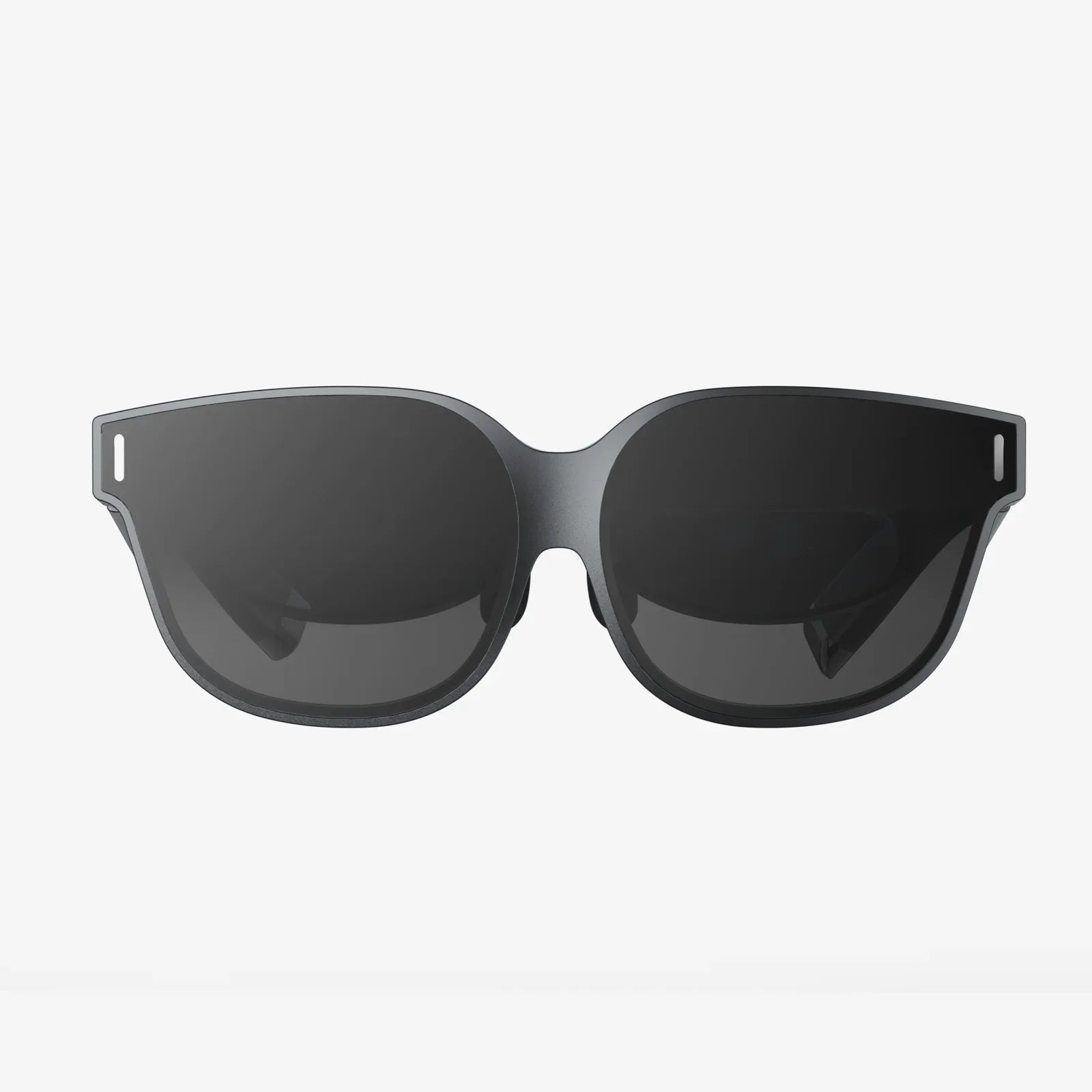
Imagine a world where your morning routine is simplified, your commute is decluttered, and your favorite playlist is always perfectly in sync with your vision. This isn't a glimpse into a distant future; it’s the reality offered by the innovative fusion of prescription glasses with integrated headphones. This groundbreaking wearable technology is swiftly moving from a niche novelty to a mainstream marvel, offering a sleek, all-in-one solution for millions who rely on corrective lenses and crave high-quality audio. By merging two essential personal devices into a single, elegant frame, this technology promises to untether us from wires and the hassle of managing multiple gadgets, all while delivering a seamless, immersive experience.
The Genesis of a Converged Technology
The journey towards integrating audio components into eyewear began not with prescription lenses, but with the broader trend of wearable technology. The initial forays involved simple Bluetooth-enabled sunglasses, targeting athletes and outdoor enthusiasts. However, the real potential was always in merging utility with necessity. For the vast global population that requires vision correction, standard audio glasses were an incomplete solution. The true innovation arrived when developers asked a pivotal question: why cater to only one sense when we can enhance two simultaneously? This led to the engineering challenge of embedding high-fidelity speakers, microphones, and batteries into the arms of frames without compromising on comfort, style, or, most importantly, the optical precision of prescription lenses. The result is a device that feels familiar yet is profoundly futuristic.
How Do They Actually Work? Deconstructing the Technology
At first glance, a pair of these glasses might look deceptively ordinary. The magic, however, is hidden within the meticulously designed arms, or temples.
The Audio System: Open-Ear Listening
Unlike traditional headphones that use speakers placed directly over or inside the ear, most glasses utilize bone conduction or open-ear audio technology.
- Bone Conduction: This method bypasses the eardrum entirely. Miniaturized transducers in the arms vibrate against the skull bones near your temples, sending sound waves directly to your inner ear. The primary advantage is that your ear canal remains completely open, allowing you to hear ambient noises like traffic, announcements, or a colleague's voice, making them exceptionally safe for outdoor use.
- Open-Ear Speakers: Other models feature tiny, powerful directional speakers positioned in the arms, just above the ear. These project sound down the ear canal without occluding it. Advanced digital signal processing (DSP) ensures the audio is focused and clear, minimizing sound leakage to those around you.
The Optical Heart: Precision Lenses
The foundation remains the prescription lenses. Users undergo a standard eye exam, and the lenses are crafted to their exact specifications—single vision, bifocal, progressive, or with specialized tints for blue light filtering or photochromic transitions. The frames are designed to be robust enough to house the electronics while remaining compatible with a wide range of lens materials and coatings.
Connectivity and Power
Bluetooth is the standard for wireless connectivity, effortlessly pairing with smartphones, laptops, and tablets. Built-in microphones enable crystal-clear hands-free calls, often utilizing noise-cancellation algorithms to isolate your voice from background chatter. A small rechargeable battery is integrated into one arm, typically offering several hours of continuous audio playback or talk time on a single charge. The charging mechanism is usually a proprietary magnetic or USB-C port.
A Multitude of Benefits: More Than Just a Gimmick
The appeal of these devices extends far beyond mere convenience. They offer tangible advantages in various aspects of daily life.
Unparalleled Convenience and Minimalism
This is the most immediate benefit. It eliminates the need to carry and manage two separate devices. There are no wires to untangle, no earbuds to lose, and no struggle to put on headphones over your glasses. For individuals with an on-the-go lifestyle, this consolidation is a game-changer, reducing pocket clutter and simplifying their tech ecosystem.
Enhanced Situational Awareness and Safety
By leaving the ear canal open, these glasses allow users to enjoy music, podcasts, and calls while remaining fully aware of their environment. This is a critical safety feature for cyclists, runners, and pedestrians navigating urban landscapes. It also fosters a more natural social interaction, as you don't need to remove an earpiece to engage in conversation.
Professional and Productivity Applications
In the workplace, especially in open-plan offices or for remote workers, these glasses shine. They allow for long, comfortable conference calls without the ear fatigue associated with earbuds. You can listen to focus-enhancing music while still being approachable and able to hear if someone calls your name. For professionals in fields like tech support, design, or logistics, whose hands are often busy, the hands-free calling capability is a significant productivity booster.
Accessibility Advantages
For individuals who find in-ear headphones uncomfortable, prone to causing infections, or difficult to manage due to dexterity issues, glasses with headphones present a comfortable and easy-to-use alternative. The all-in-one nature of the device also simplifies technology for those who may be overwhelmed by multiple gadgets.
Navigating the Considerations and Limitations
As with any emerging technology, there are important factors to weigh before making the leap.
Audio Fidelity Versus Dedicated Headphones
While the audio quality has improved dramatically, it generally does not match the rich, immersive, noise-isolating experience of high-end over-ear headphones. The open-ear design means audio can lack deep bass, and in very noisy environments, you might need to increase the volume, potentially disturbing others nearby. They are perfect for podcasts, calls, and casual listening but may not satisfy an audiophile's critical ear.
Battery Life and Dependence
Your vision correction never fails, but your audio will when the battery dies. Unlike standard glasses, you have another component that requires regular charging. Forgetting to charge them overnight means you might lose your audio functionality the next day, though you can still use them as regular prescription glasses.
Style, Fit, and Customization
The technology currently limits frame choices compared to the vast market of standard eyewear. While styles are expanding, finding a pair that perfectly matches your personal aesthetic might be challenging. Furthermore, the arms are necessarily thicker and heavier to house the electronics, which can require an adjustment period for fit and comfort.
Cost and Investment
The integration of advanced technology comes at a premium. A pair of these glasses represents a significantly higher investment than purchasing a separate pair of prescription glasses and a quality set of wireless headphones. They are also a single point of failure; if the frame breaks, you lose both your vision correction and your audio device.
The Future of Personal Wearables: What Lies Ahead?
The convergence of vision and audio is likely just the beginning. This platform provides a foundational architecture for a host of other integrated technologies.
- Augmented Reality (AR) Integration: The logical next step is the incorporation of micro-displays that project digital information onto the lenses, overlaying navigation prompts, translations, or data onto the real world—all controlled by voice and heard through the integrated speakers.
- Advanced Health Monitoring: Imagine glasses that not only help you see and hear but also monitor your health. Sensors could track biomarkers through the skin near the temples, measuring factors like UV exposure, heart rate, and even blood oxygen levels.
- AI-Powered Assistance: With built-in AI, these glasses could evolve into a true personal assistant, identifying objects, remembering names and details, and providing real-time contextual information based on what you see and hear.
- Improved Audio Technology: Future iterations will feature even better speakers with adaptive sound that automatically adjusts based on your environment, alongside significantly extended battery life.
The emergence of prescription glasses with built-in headphones is a powerful testament to the trend of technological integration. It challenges the status quo of personal devices, pushing us towards a more seamless and intuitive interaction with the technology that aids our daily lives. They represent a move away from a world of competing, separate gadgets and towards a harmonious ecosystem of multi-functional wearables designed around human needs. While they may not completely replace dedicated high-end headphones or every pair of glasses in your collection, they carve out a compelling and incredibly useful niche. For anyone who has ever fumbled for their headphones or wished for one less device to charge, this elegant synthesis of sight and sound offers a glimpse into a simpler, more connected, and undoubtedly cooler future. The next time you reach for your glasses, you might just be putting on your soundtrack for the day as well.
Share:
What Is The Best VR Headset Right Now? A 2024 Buyer's Guide
Glasses That Have a Screen In Them: The Invisible Computer Revolutionizing Our World