


- by wangfred
Prescription Recording Glasses: The Future of First-Person Perspective and Memory Aid
- by wangfred
Imagine a world where your most cherished memories aren't just fuzzy recollections but perfectly preserved, high-definition experiences you can relive exactly as you saw them. Imagine never forgetting a crucial detail from a business meeting, a lecture, or a doctor's consultation. This is no longer the realm of science fiction; it's the emerging reality made possible by prescription recording glasses, a technological convergence that is poised to redefine how we interact with and document our world.
For centuries, eyeglasses have served a single, vital purpose: to correct imperfect vision. They are a tool for seeing the world more clearly. In recent decades, technology has begun to integrate with our eyewear, starting with simple sunglasses and evolving into sophisticated wearable computers. Prescription recording glasses represent the next, and perhaps most significant, leap in this evolution. They are not merely a pair of spectacles with an added gadget; they are a seamless fusion of optical engineering and advanced micro-technology.
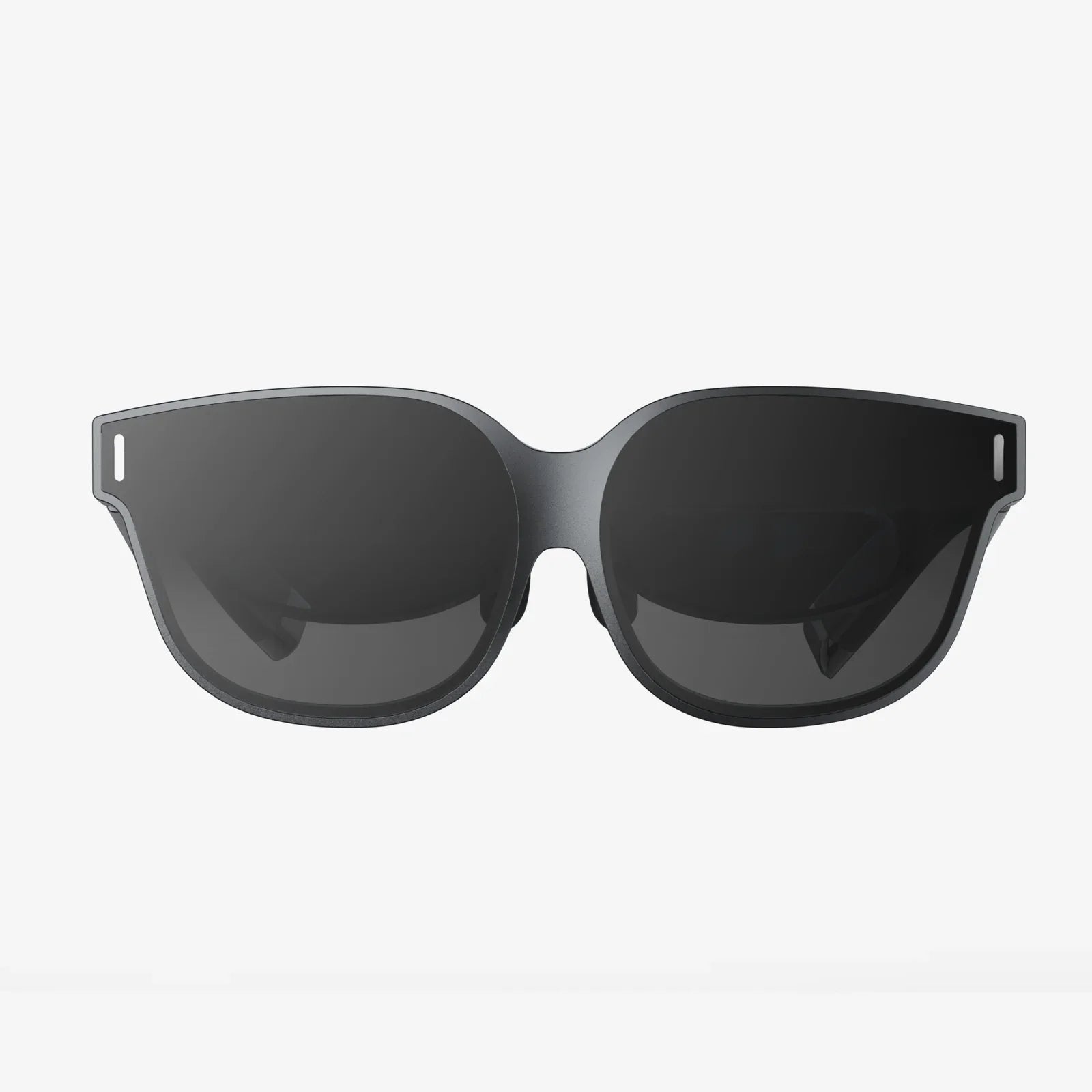
At their core, these devices are first and foremost medical aids, crafted with precision-ground lenses tailored to an individual's unique visual prescription. This ensures that the wearer experiences the world in perfect clarity. Integrated discreetly within the frame are miniature high-resolution cameras, microphones, sensors, and a processing unit. The design philosophy prioritizes discretion and comfort, ensuring the technology is unobtrusive and the glasses remain lightweight and wearable for extended periods. The goal is to make the recording function feel like a natural extension of the wearer's own senses, not a bulky, distracting appendage.
The magic of prescription recording glasses lies in their sophisticated, yet user-friendly, operation. The process is typically designed to be intuitive and hands-free.
The integrated camera, often located on the bridge or arm of the frame, captures a first-person perspective (POV) video stream exactly from the wearer's point of view. A wide-angle lens ensures a comprehensive field of view. Simultaneously, directional microphones pick up high-fidelity audio, capturing conversations and ambient sounds. Advanced models may include gyroscopes and accelerometers to track head movement and orientation, adding a layer of contextual data to the recording.
The raw audio and video data is processed on-board by a small but powerful chip. This processing can include stabilization to smooth out natural head movements, noise reduction to clarify audio, and automatic low-light enhancement. The processed files are then compressed and encrypted for security before being stored on internal memory or streamed via a secure wireless connection to a paired smartphone or cloud storage service. Battery life is a critical engineering challenge, with most designs aiming for a full day of intermittent use on a single charge.
User interface is paramount. Activation is rarely a obvious button press. Instead, manufacturers employ subtle methods to maintain privacy and social etiquette. These can include:
The potential uses for prescription recording glasses extend far beyond casual life-logging. They are finding powerful applications in numerous professional and medical fields.
This is perhaps one of the most impactful domains. For patients with memory impairments, such as those caused by Alzheimer's disease or traumatic brain injury, these glasses can serve as a powerful cognitive aid. They can record instructions from a caregiver, document the location of misplaced items, or help the user recognize people and places. For medical professionals, they offer a hands-free way to document procedures, consultations, and patient symptoms without breaking focus to take notes or operate a camera. Surgeons can review their techniques, and medical students can gain an unparalleled first-person view of complex operations.
Officers can objectively document interactions with the public, gather evidence at crime scenes from their perspective, and ensure accurate reporting. The technology provides an unbiased record that can protect both the officer and the citizen. In security, guards can conduct hands-free patrols, streaming their perspective in real-time to a central command center.
Students can record lectures and labs, allowing them to be fully present and engaged during the class rather than franticly scribbling notes. Researchers, particularly in field sciences like archaeology or biology, can meticulously document their findings and observations in situ without fumbling for recording equipment.
From engineers inspecting complex machinery to architects walking through a construction site, professionals can capture precise visual data for later analysis, share it with remote colleagues for real-time collaboration, and create detailed visual records for training and quality assurance. Field technicians can receive remote guidance from experts who see exactly what they see, drastically reducing error rates and solving problems faster.
The capabilities of prescription recording glasses inevitably raise profound ethical and legal questions. The ability to record audio and video surreptitiously challenges existing social norms and laws concerning consent and privacy.
In most jurisdictions, recording conversations without the knowledge and consent of all parties involved is illegal. The discreet nature of these glasses makes informed consent a significant hurdle. How does a wearer appropriately notify everyone they interact with that they are being recorded? Solutions are being debated, from obvious indicator lights on the frames that cannot be disabled to audible alerts that play when recording begins. The ethical burden, however, rests on the wearer to respect the privacy of others and operate within the law.
The data captured by these devices is incredibly sensitive. A continuous stream of one's life contains faces, locations, conversations, and activities. This data must be protected with bank-level encryption both in transit and at rest. Questions of ownership are also critical: Who owns the recorded data? The wearer? The manufacturer of the glasses? The provider of the cloud storage? Clear policies and robust security frameworks are non-negotiable to prevent misuse, hacking, or unauthorized access.
The widespread adoption of this technology could fundamentally alter social dynamics. Will people speak freely if they suspect every conversation is being recorded? Will it create a society of constant surveillance, even from friends and colleagues? Establishing new social etiquette—when it is appropriate to record and when it is a violation of trust—will be a complex societal challenge.
Prescription recording glasses are merely the first step. The logical progression is toward true augmented reality (AR) integration. Future iterations will likely project digital information directly onto the lenses, overlaying navigation prompts, translated text, or patient vitals onto the real world. The recording function will then not only capture what the user sees but also how they interacted with a digitally augmented environment. Artificial intelligence will play a massive role, moving from passive recording to active assistance—identifying objects, providing real-time information, and even offering suggestions based on what the wearer is looking at.
As the technology matures, we can expect resolutions to become higher, batteries to last longer, and designs to become even more indistinguishable from traditional eyewear. The convergence of AI, AR, and continuous audio-visual capture will create a new platform for human-computer interaction, one that is always available, contextually aware, and intimately personal.
The journey of prescription recording glasses from a novel concept to an integrated part of our daily lives is just beginning. They hold the promise of unparalleled memory retention, revolutionary professional tools, and new forms of creative expression. Yet, they simultaneously demand that we carefully re-examine our definitions of privacy, consent, and human interaction in a technologically mediated world. The clear vision they offer is not just optical; it's a lens through which we must view our future, challenges and all.
This isn't just about seeing the world more clearly; it's about capturing your unique perspective forever, transforming fleeting moments into permanent records and opening a window to a future where your eyewear does far more than just help you see.
Share:
What Is a Virtual Reality Headset Do: A Deep Dive Into Immersive Digital Worlds
AR Lens Glasses: The Invisible Computer Reshaping Your Reality