


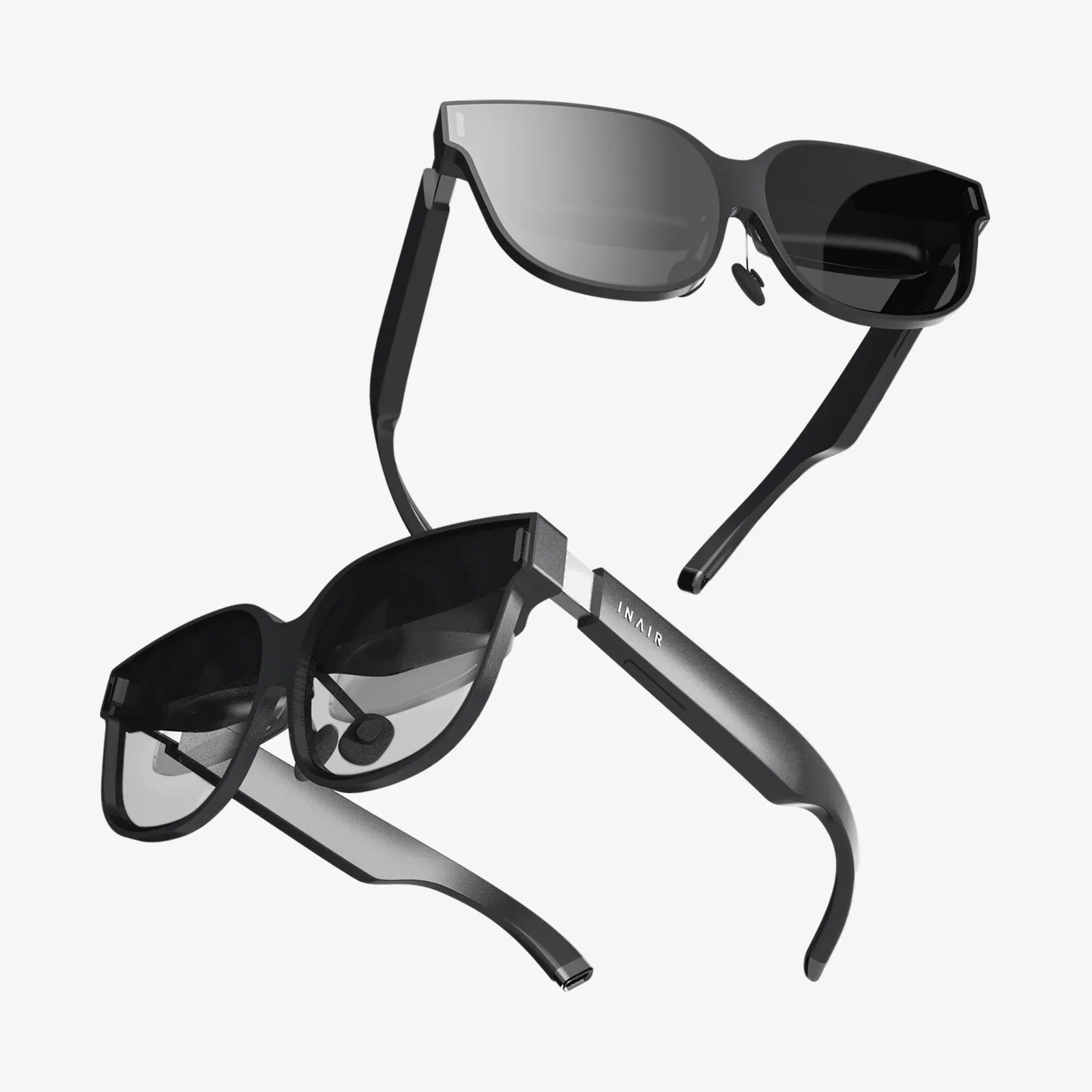
In an age where our most sensitive data is constantly on display, from financial spreadsheets on the morning commute to confidential messages in a crowded cafe, the quest for visual privacy has never been more critical. The fear of 'shoulder surfing'—the act of covertly observing private information—is a genuine threat in our hyper-connected, mobile-first world. Imagine working freely on your most critical projects anywhere, without the nagging anxiety of who might be looking over your shoulder. This is the powerful promise and compelling necessity that drives the innovation behind a revolutionary personal security tool: the privacy screen with glasses. This technology isn't just an accessory; it's a personal force field for your digital life, empowering you to reclaim your visual space and work with unparalleled confidence.
The Unseen Threat: Why Visual Privacy Matters More Than Ever
Before delving into the solution, it's crucial to understand the pervasive nature of the problem. Our lives are conducted on screens. We bank online, manage investments, review medical records, hold private video calls, and exchange sensitive corporate data, often while on the move. Public spaces have become our temporary offices, but they lack the fundamental security of a controlled environment.
The risk of visual hacking is startlingly high. A casual glance from a stranger can capture a password, a client's name, a proprietary algorithm, or personal photographs. This isn't a threat from elite hackers but from ordinary opportunism. The consequences range from personal embarrassment and identity theft to corporate espionage and significant financial loss. Traditional laptop privacy filters offer a layer of protection for a single device, but they are static, cumbersome to apply and remove, and useless for the other screens we interact with daily—our phones, tablets, and even public ATMs or kiosks. The modern professional needs a dynamic, portable, and universal solution. This gap in personal security is exactly what a privacy screen with glasses aims to fill.
How Does This Technology Actually Work?
The core principle behind a privacy screen with glasses is both elegant and sophisticated, rooted in the physics of light and polarization. To the naked eye, a standard digital screen emits light waves that vibrate in all directions. A privacy screen with glasses acts as a sophisticated filter, leveraging precisely engineered lenses.
Imagine the lenses in these glasses contain a special polarizing film. This film is designed to only allow light waves oscillating in a specific, vertical direction to pass through to your eyes. The screen itself, when viewed through these glasses, appears perfectly normal—bright, clear, and legible. However, for anyone attempting to view the screen from an angle, even a slight one, the view is completely obstructed. From their perspective, the screen appears dramatically darkened, completely blacked out, or filled with a chaotic pattern of light and dark pixels, rendering the content utterly indecipherable. It creates a personal viewport, a cone of visual privacy that moves with you, ensuring that only you, the wearer, can see the content directly in front of you.
Beyond the Blackout: A Multitude of Compelling Benefits
Adopting this technology offers a suite of advantages that extend far beyond simple privacy, enhancing both productivity and personal comfort.
Unparalleled Peace of Mind and Security
The primary and most powerful benefit is the complete elimination of shoulder-surfing anxiety. Whether you're entering a PIN code, reviewing a confidential contract, or sending a private email, you can do so with absolute confidence. This peace of mind is invaluable, transforming stressful public environments into secure workspaces and allowing for true focus on the task at hand.
Universal Compatibility and Ultimate Portability
Unlike static filters designed for one specific device model, a single pair of privacy glasses works with any LCD, LED, or OLED screen you encounter. Your laptop, smartphone, tablet, airport check-in screen, and bank ATM are all instantly secured. Your privacy solution is no longer tied to a single piece of hardware; it's worn on your face, making it the most portable and versatile security tool you can own.
Enhanced Visual Comfort and Reduced Eye Strain
Many models are equipped with additional lens features that contribute to overall eye health. They often include blue light filtering, which reduces exposure to the high-energy visible light emitted by screens that can disrupt sleep patterns and cause digital eye strain. Furthermore, the polarization technology also cuts down on harsh glare from overhead lighting or windows, providing a more comfortable viewing experience for extended periods.
Key Considerations Before You Make a Purchase
While the benefits are significant, it's important to be an informed consumer. Not all privacy glasses are created equal, and understanding the key differentiators will ensure you select a product that best fits your needs.
Evaluating the Level of Privacy (Viewing Angle)
The effectiveness of the privacy shield is measured by its viewing angle. This refers to the maximum angle from the center at which someone can still partially see the screen's content. A narrower viewing angle (e.g., 15-20 degrees) offers stricter security, making it harder for others to peek, even from close adjacent seats. A wider angle (e.g., 30-35 degrees) might allow for slight visibility to someone sitting immediately next to you but is often a trade-off for a slightly larger "sweet spot" for the wearer. Consider your typical environments—a narrow angle is best for densely packed commuter trains and coffee shops.
Prioritizing Optical Clarity and Lens Quality
The primary function of any glasses is to see clearly. High-quality privacy glasses use optical-grade lenses that provide a sharp, distortion-free view. Lower-quality alternatives may use cheaper materials that can cause slight blurring, color distortion, or a "honeycomb" pattern effect, which can lead to eye fatigue over time. Look for products that emphasize high-definition optics.
Assessing Comfort and Build for All-Day Wear
If you plan to wear these glasses throughout your workday, comfort is non-negotiable. Pay attention to the frame's weight, the flexibility of the temples, and the design of the nose pads. Lightweight, durable materials like memory metal or high-quality acetate can make a significant difference in long-term wearability. Adjustable nose pads and spring hinges help achieve a custom, secure, and comfortable fit for various face shapes.
Understanding Additional Lens Features
Most privacy glasses come with a bundle of other features. Blue light filtering is nearly standard. Many also offer UV protection. Some users may also appreciate options for prescription lenses, allowing them to combine their vision correction needs with privacy protection in a single pair of glasses. Determine which features are essential for your lifestyle.
Integrating Privacy Glasses into Your Daily Routine
Adopting this tool is seamless. They require no software, no installation, and no charging. Simply put them on whenever you use a screen in a public or shared space. They are ideal for:
- The Commuter: Working on a train or bus without worry.
- The Remote Worker: Taking a video call in a coffee shop or co-working space without fear of exposing proprietary information in the background.
- The Financial Professional: Reviewing sensitive market data or client portfolios in any location.
- The Student: Studying in a busy library or lounge without distractions from neighbors.
- The Frequent Traveler: Using devices securely in airports, hotels, and conference halls.
The Future of Personal Visual Security
As remote and hybrid work models become permanent fixtures, the demand for portable, personal security solutions will only intensify. The technology behind privacy glasses will continue to evolve. We can anticipate advancements like even narrower viewing angles without sacrificing optical clarity, smarter photochromic lenses that adapt to different lighting conditions, and further integration with other wellness-focused technologies. They represent a fundamental shift from securing a device to securing the individual, a philosophy that will define the next era of personal data protection.
The digital world offers incredible freedom and flexibility, but it shouldn't come at the cost of our privacy and security. Waiting for a privacy breach to happen is a gamble no one can afford to take. A privacy screen with glasses is more than a product; it's a proactive statement, a declaration that your personal and professional information is yours alone to control. It’s the simplest and most effective way to build an invisible wall around your digital life, empowering you to work, browse, and create with fearless confidence, anywhere in the world. The power to see without being seen is finally at your fingertips—or more accurately, right before your eyes.
Share:
Augmented Reality Advantages: Transforming How We See and Interact With the World
Augmented Reality Advantages: Transforming How We See and Interact With the World