


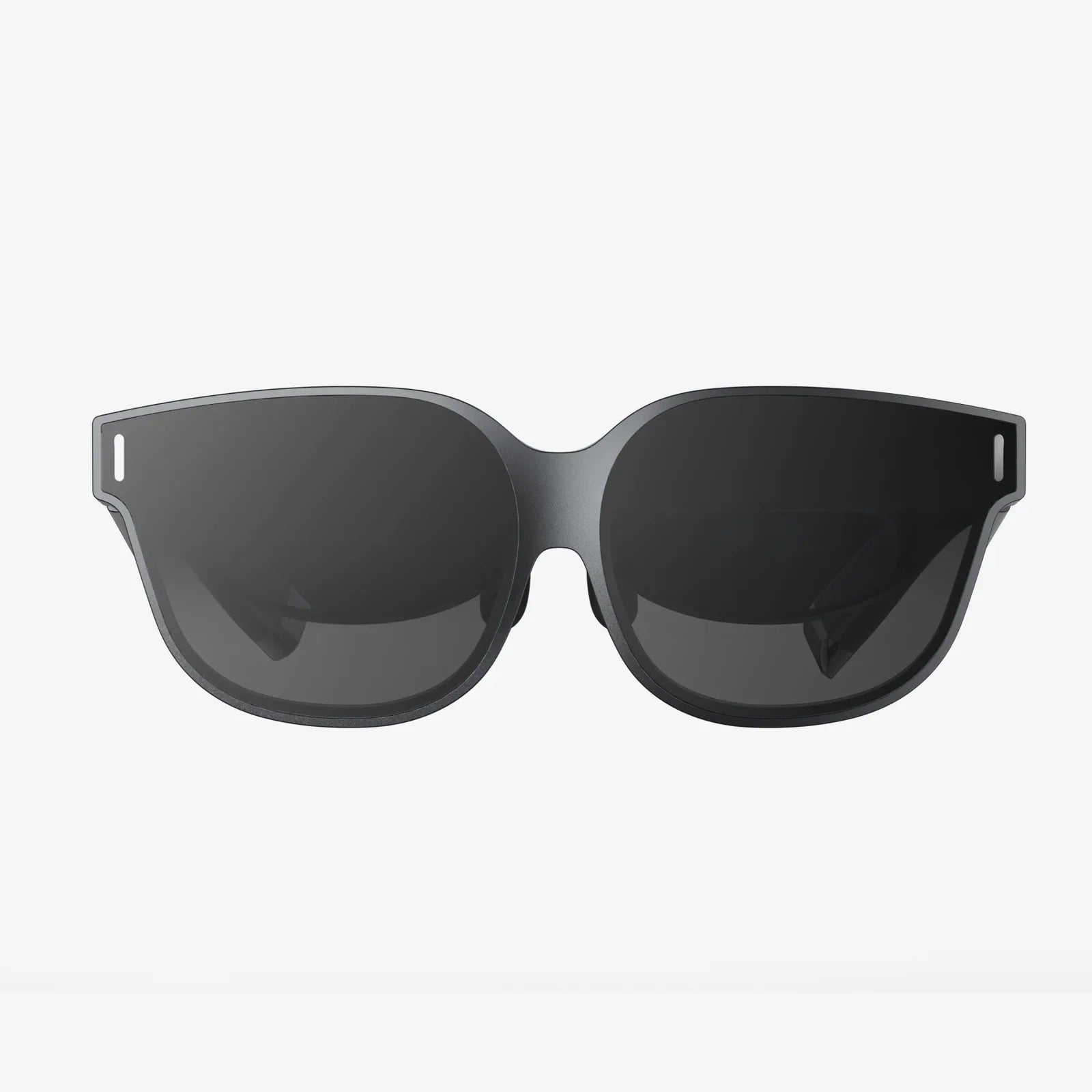
Imagine stepping onto a factory floor that hasn't been built yet, performing a delicate surgical procedure on a hyper-realistic patient without risk, or collaborating with colleagues across the globe as if you were all standing in the same room. This is not a glimpse into a distant sci-fi future; it is the tangible, transformative reality being delivered today by the professional VR headset. These are not the consumer-grade gadgets known for gaming and entertainment. This is a different class of technology—a sophisticated, high-stakes tool engineered for precision, endurance, and enterprise-grade applications that are fundamentally reshaping how industries operate, innovate, and train.
Defining the Professional VR Headset: Beyond the Hype
At first glance, a professional VR headset might resemble its consumer counterpart. Both are worn on the head, both feature displays for each eye, and both track movement to create a sense of immersion. However, the similarities end there. A professional VR headset is built from the ground up with a completely different set of priorities, designed to meet the rigorous demands of business, medical, military, and industrial environments.
The core differentiators are found in its specifications and design philosophy. Where consumer devices prioritize cost-effectiveness and mass-market appeal, professional headsets are architected for performance, reliability, and integration. Key features that define this category include:
- Superior Visual Fidelity: Ultra-high-resolution displays with exceptional pixel density (pixels-per-degree) to eliminate the "screen-door effect" and provide crystal-clear text and intricate detail. This is non-negotiable for architects reviewing CAD models or mechanics identifying minute faults in a virtual engine.
- Advanced Tracking Systems: Professional headsets often employ outside-in or high-fidelity inside-out tracking systems that offer sub-millimeter accuracy. This precision is critical for applications like virtual prototyping, where a discrepancy of a few millimeters can have catastrophic real-world consequences.
- Enterprise-Grade Software and Security: These devices are managed not through consumer app stores but through enterprise software platforms. They offer robust device management, centralized control, enhanced data security protocols, and integration with existing professional software suites like CAD, BIM, and medical imaging systems.
- Ergonomics for Extended Use: Designed for professionals who may need to wear the headset for an entire workday, comfort is paramount. They often feature better weight distribution, replaceable hygiene components (like facial interfaces and head straps), and materials that reduce heat and fatigue.
- Robust Build Quality and Support: Backed by commercial warranties, dedicated customer support lines, and often designed with more durable materials to withstand the wear and tear of a shared, multi-user environment.
The Engine Room: Core Technologies Powering Professional VR
The impressive capabilities of a professional VR headset are powered by a symphony of advanced technologies working in concert.
Inside-Out vs. Outside-In Tracking: The Quest for Precision
Tracking is the technology that maps your physical movements into the virtual world. Outside-in tracking uses external sensors or lighthouses placed around the room to precisely triangulate the position of the headset and controllers. This method has long been the gold standard for professional applications due to its unparalleled accuracy and low latency, making it ideal for tasks requiring pinpoint precision.
Inside-out tracking, on the other hand, uses cameras and sensors mounted directly on the headset itself to observe the environment and track movement. While early inside-out systems were less accurate, modern implementations have closed the gap significantly. For professional use, inside-out tracking offers crucial benefits: simplified setup (no external hardware), portability, and a larger usable area, which is ideal for architects walking clients through a full-scale virtual building.
Display and Lens Technology: Building a Believable World
The goal of professional VR is not just to show an image but to create a believable, actionable simulation. This demands displays with high resolution, a fast refresh rate (90Hz and above to prevent motion sickness), and a wide field of view to enhance peripheral vision and immersion. Pancake lenses are increasingly common in high-end headsets, allowing for a slimmer form factor without sacrificing optical quality or clarity. Furthermore, professional applications are driving adoption of technologies like varifocal displays, which dynamically adjust focus based on where the user is looking, reducing eye strain and increasing visual comfort during long sessions.
Computational Requirements: The Unseen Powerhouse
A professional VR headset is often a window into immensely complex digital worlds. Rendering detailed, photorealistic 3D models in real-time at high frame rates requires immense computational power. This typically means connecting the headset to a high-performance workstation equipped with top-tier GPUs. However, a growing trend is the use of cloud streaming solutions. In this model, the heavy rendering is done on powerful remote servers, and the video stream is sent to the headset. This reduces the local hardware requirements and allows professionals to access immense computing power on demand, making high-fidelity VR more accessible across an enterprise.
Transforming Industries: Real-World Applications
The theoretical power of professional VR is made concrete in its revolutionary applications across a diverse range of sectors.
Design, Engineering, and Manufacturing
This is perhaps the most mature application for professional VR. Companies are using headsets to revolutionize their design and production cycles.
- Virtual Prototyping: Instead of spending millions on physical prototypes of cars, airplanes, or consumer products, engineers can create and review full-scale digital twins in VR. They can inspect every component, test ergonomics, identify interferences, and make changes in real-time, slashing development time and costs.
- Virtual Showrooms and Configuration: Automotive and aerospace companies use VR to create immersive showrooms, allowing customers to explore every option and finish of a vehicle or aircraft before a single unit is built.
- Factory Floor Planning: Logistics experts can design and optimize entire production lines in VR before implementation, simulating workflow, identifying bottlenecks, and ensuring worker safety.
Healthcare and Medicine: Practicing Without Risk
In medicine, the stakes are the highest, and professional VR is proving to be a life-saving tool.
- Surgical Planning and Training: Surgeons can import patient-specific data from CT or MRI scans to create a precise 3D model of anatomy. They can then practice complex procedures virtually无数次, planning the optimal surgical approach and reducing risk to the actual patient. Medical students can train on virtual patients, gaining valuable experience without consequence.
- Physical Therapy and Rehabilitation: VR creates engaging, game-like environments for patients recovering from strokes or injuries to perform repetitive motions, tracking their progress with objective data and improving motivation.
- Exposure Therapy and Mental Health: Therapists use controlled VR environments to safely treat patients with phobias, PTSD, and anxiety disorders, gradually exposing them to triggers in a safe and manageable way.
Architecture, Engineering, and Construction (AEC)
For the AEC industry, VR is changing how projects are conceived, presented, and built.
- Immersive Design Reviews: Architects and clients can don a headset to literally walk through a building before the foundation is poured. They can experience the scale of spaces, test sightlines, and evaluate material choices in a way blueprints or static renders could never convey.
- Collaboration and Clash Detection: Teams from different disciplines (structural, mechanical, electrical) can meet inside a virtual model to identify and resolve design conflicts early, preventing costly change orders during construction.
- Safety Training: Construction workers can be trained to recognize hazards and practice safety protocols in hyper-realistic virtual environments, from navigating heights to dealing with equipment malfunctions.
Corporate Training and Collaboration
Enterprises are deploying VR at scale to train employees efficiently and consistently.
- Soft Skills Training: Employees can practice difficult conversations, sales pitches, or customer service scenarios with AI-powered virtual humans, receiving feedback in a low-pressure environment.
- Immersive Remote Collaboration: Remote teams can meet in a shared virtual space around 3D models, whiteboards, or data visualizations, interacting with content and each other with a sense of presence that video calls cannot match.
Navigating the Challenges: Barriers to Enterprise Adoption
Despite its potential, integrating professional VR is not without hurdles.
- Total Cost of Ownership (TCO): The initial investment goes beyond the headset itself, encompassing high-end PCs, software licenses, IT deployment, management software, and ongoing maintenance. Calculating a clear ROI is essential for adoption.
- Content Creation: Developing custom, high-fidelity VR experiences requires specialized skills in 3D modeling, game engine programming, and UX design for VR, which can be a resource-intensive process.
- User Comfort and Accessibility: Issues like VR-induced motion sickness, although mitigated in professional headsets, can still affect some users. Ensuring accessibility and comfort for a diverse workforce remains a focus.
- IT Integration and Security: Integrating a new fleet of VR devices into a corporate IT ecosystem, ensuring data security, and managing updates requires careful planning and dedicated resources.
The Future is Immersive: What Lies Ahead
The evolution of the professional VR headset is accelerating, driven by relentless innovation. The near future promises even more transformative capabilities. The integration of Augmented Reality (AR) and Mixed Reality (MR) features will become standard, allowing users to blend digital holograms with their physical environment seamlessly. This is a game-changer for fields like surgery, where a surgeon could see patient vitals and 3D scans overlaid on the real-world operating field.
Advancements in haptics will move beyond controllers to full-body suits and gloves, providing realistic tactile feedback—feeling the texture of a virtual material or the resistance of a virtual tool. Furthermore, the rise of AI will make virtual environments more dynamic and intelligent, with NPCs (Non-Player Characters) that can respond to user behavior in realistic ways for training scenarios.
Perhaps most importantly, the technology will become more seamless, wireless, and affordable, moving from a specialized tool to a ubiquitous utility for knowledge workers. The headset itself may eventually evolve into more socially acceptable form factors like sleek glasses, further lowering the barrier to all-day use.
The line between the digital and physical worlds is blurring, and the professional VR headset is the primary lens through which we are learning to see and interact with this new hybrid reality. It is no longer a novelty but a critical component of the modern industrial and enterprise toolkit, unlocking new dimensions of creativity, efficiency, and human understanding. The businesses and professionals who learn to harness its power today will be the architects of the economy of tomorrow.
Share:
Best iPhone VR Headset for Android: Your Ultimate Cross-Platform Immersion Guide
What Happened to Augmented Reality: The Silent Evolution Reshaping Our World